


Secondary sourcePainting1575
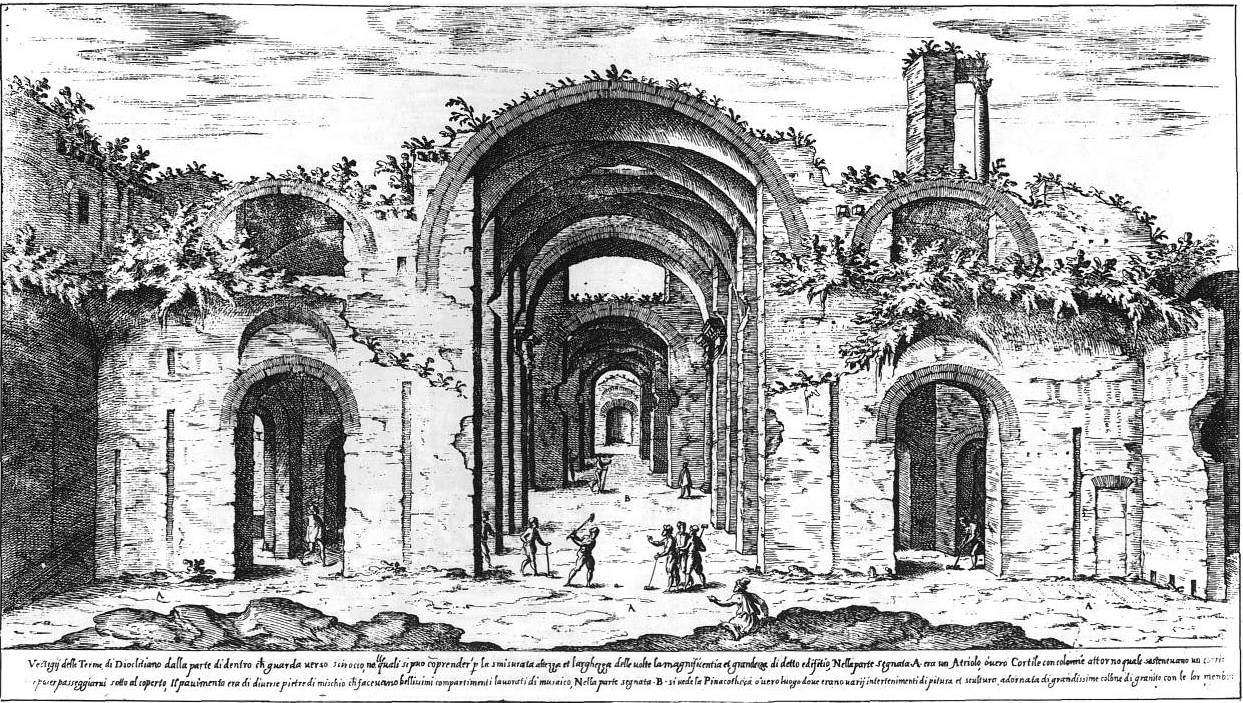
Remains of the Baths of Diocletian
Étienne Dupérac · 1575
A 1575 engraving by Étienne Dupérac of the ruined arches of the Baths of Diocletian in Rome. It records the building Diocletian commissioned.
A 1575 print of the baths Diocletian commissioned, showing the building as ruins long after his reign.
About this source
What it is
This is a black and white engraving by Étienne Dupérac, dated 1575, showing the arched ruins of a large Roman interior. Vaults and arcades recede into the distance, plants grow over the top, and small figures walk among the ruins. An Italian inscription runs along the bottom margin. The image is a record of the baths in the sixteenth century, made long after Diocletian's reign.
Why it matters
Diocletian had the baths built around 302, and by the sixteenth century they were already ruins. Dupérac's print shows how artists and scholars of the Renaissance studied and drew Roman buildings, and how those ruins looked to them. The image helps students see how a building from the emperor's time survived, changed and became part of later Rome.
Look closer
- What does the print show about the condition of the ruins in 1575?
- What do the small figures tell you about the size of the building and how people used the space?
- What does the Italian inscription add, and what might the engraver have chosen to leave out?
This painting is part of the curated material that grounds the AI version of Diocletian on Humy.ai — when students ask about related events, the AI can quote it and cite it.
More Diocletian sources
Browse all 92 →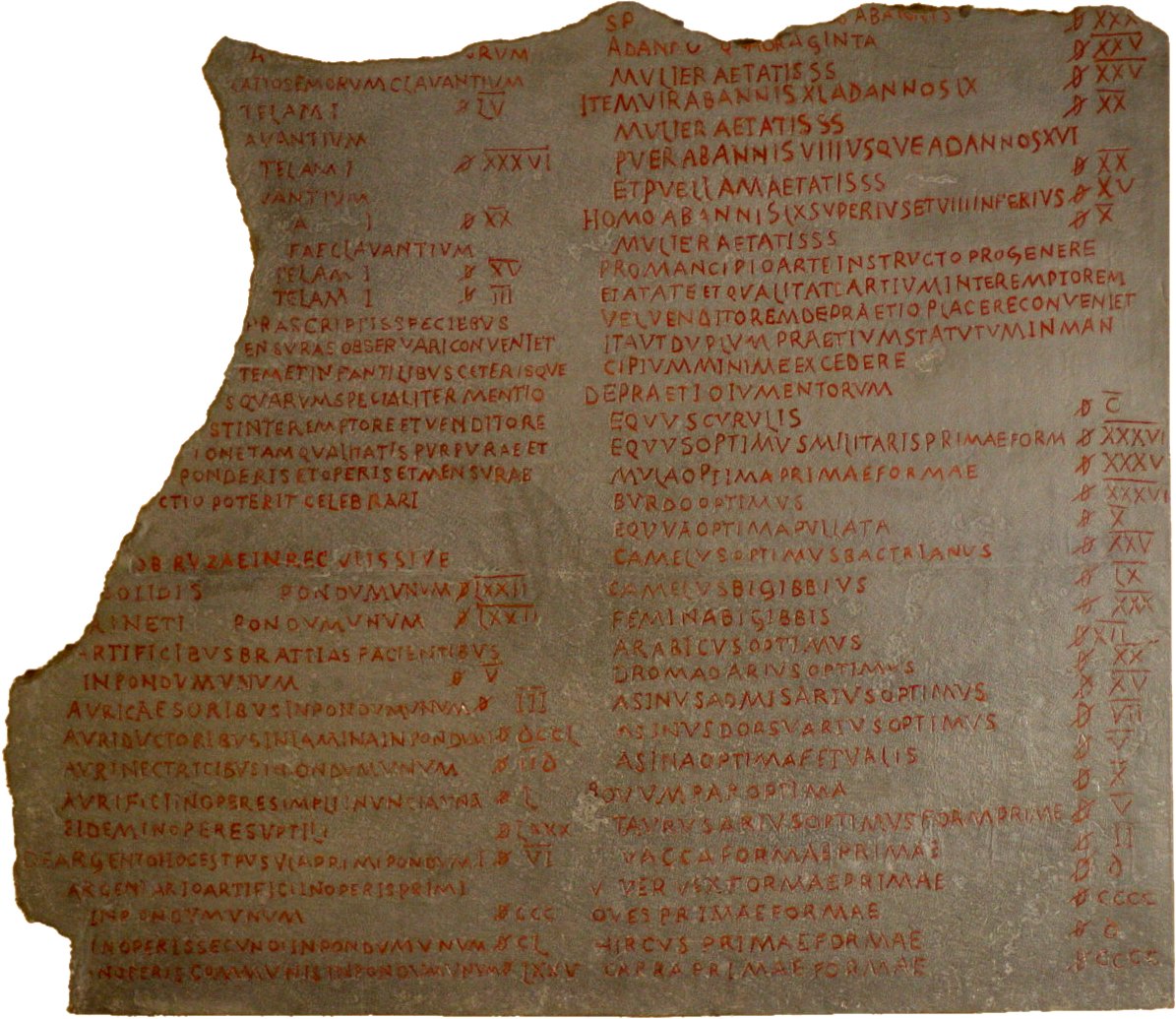 Document
Primary source
Edict on Maximum Prices
Diocletian · 301
 Artifact
Primary source
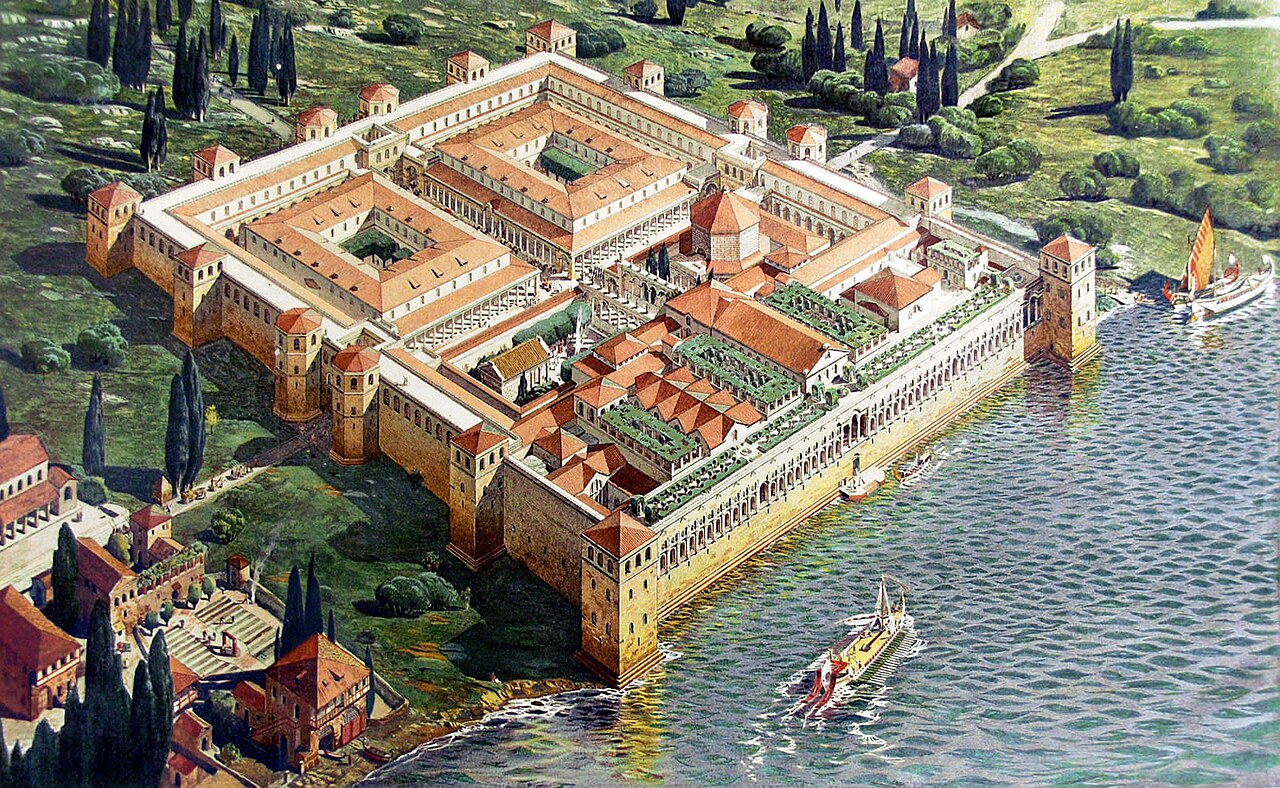
Diocletian's Palace
293
 Book
Secondary source
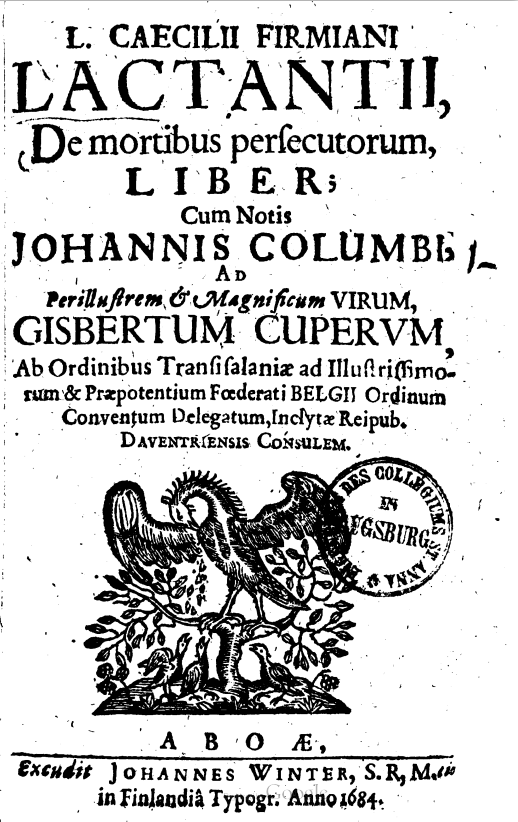
De mortibus persecutorum
Lactantius · after 316
 Sculpture
Primary source
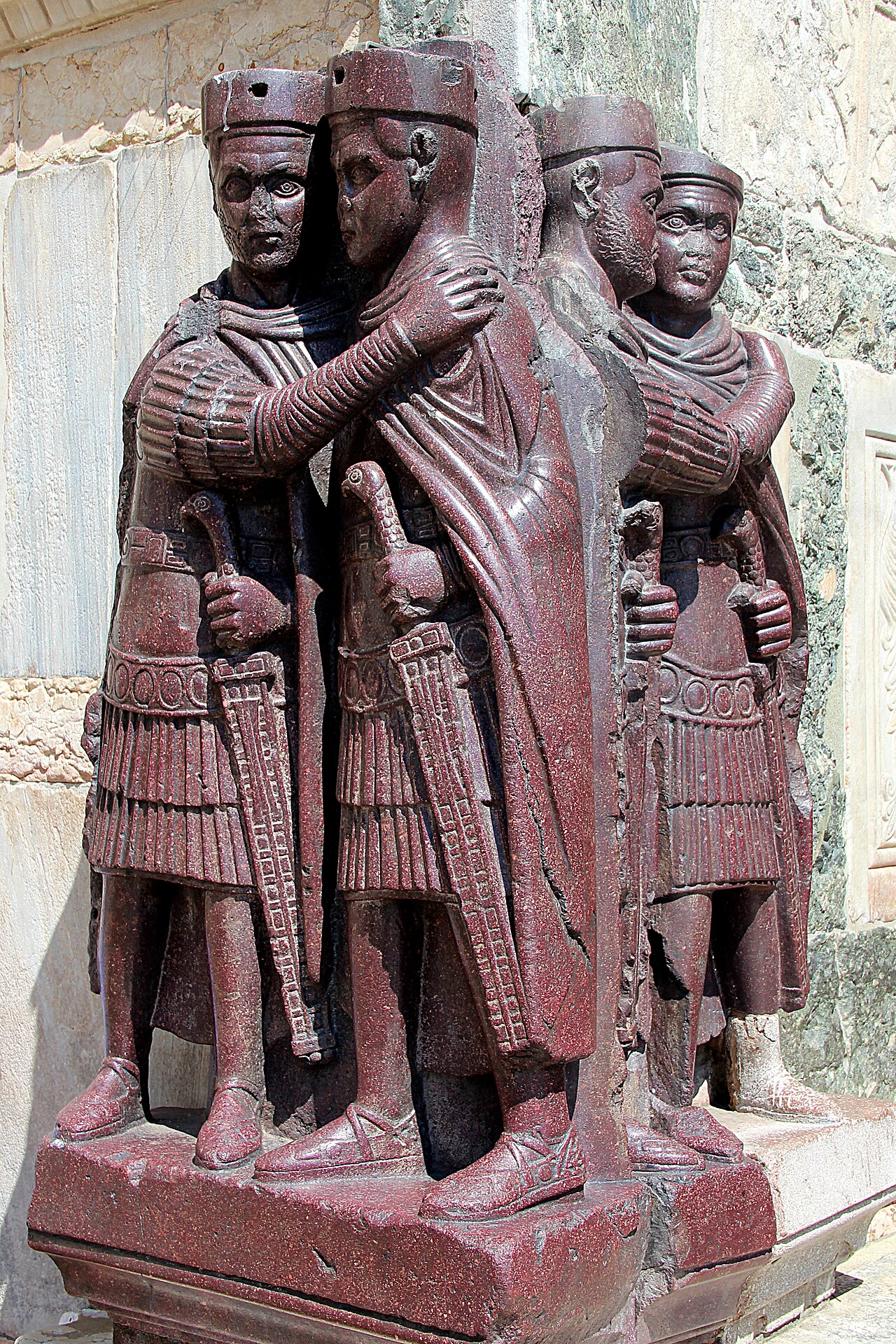
Portrait of the Four Tetrarchs
c. 300 CE
Free account
Read every Diocletian source
Sign up free →
Ready when you are
Start chatting with Diocletian now.
20 messages free · No credit card · Available in 50+ languages.