


Secondary sourcePainting
Representation of Laozi
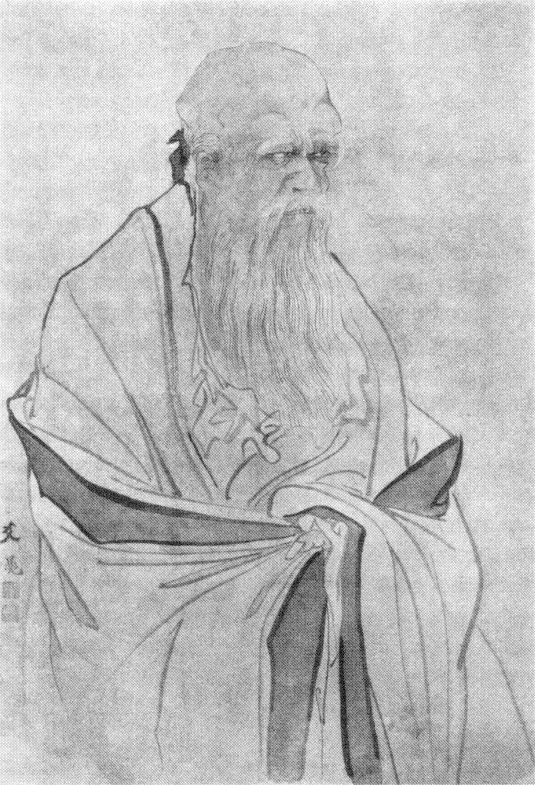
A later ink drawing of an elderly bearded man in flowing robes, identified as Laozi though its date and maker are unknown.
This later drawing represents the enduring image of Laozi as a wise elderly sage.
About this source
What it is
This is a black-and-white ink drawing showing an elderly man with a long white beard and a bald head, dressed in loose robes, seated with his hands clasped in his sleeves. The record does not give a date or an artist's name, so this is a later representation rather than an image made during Laozi's lifetime.
Why it matters
Because no contemporary portraits of Laozi exist, images like this one shaped the popular idea of what he looked like: calm, old and wise. It shows how later artists imagined him rather than recording his actual appearance.
Look closer
- What choices did the artist make to suggest wisdom and calm?
- Why do you think so many images of Laozi show him as an old man?
- What is missing from this image that a true portrait from his own time might have included?
This painting is part of the curated material that grounds the AI version of Laozi on Humy.ai — when students ask about related events, the AI can quote it and cite it.
More Laozi sources
Meet the AI Laozi →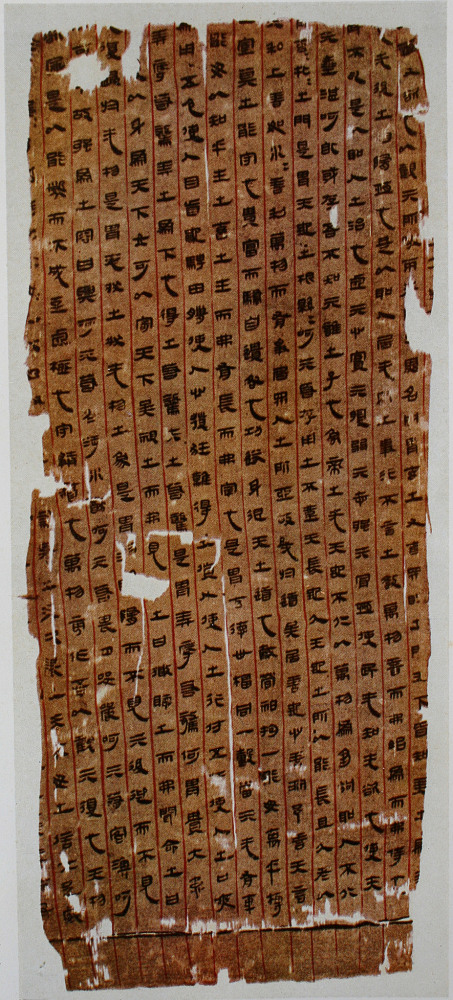 Book
Secondary source
Tao Te Ching
Laozi · c. 4th-3rd century BCE
 Artifact
Primary source
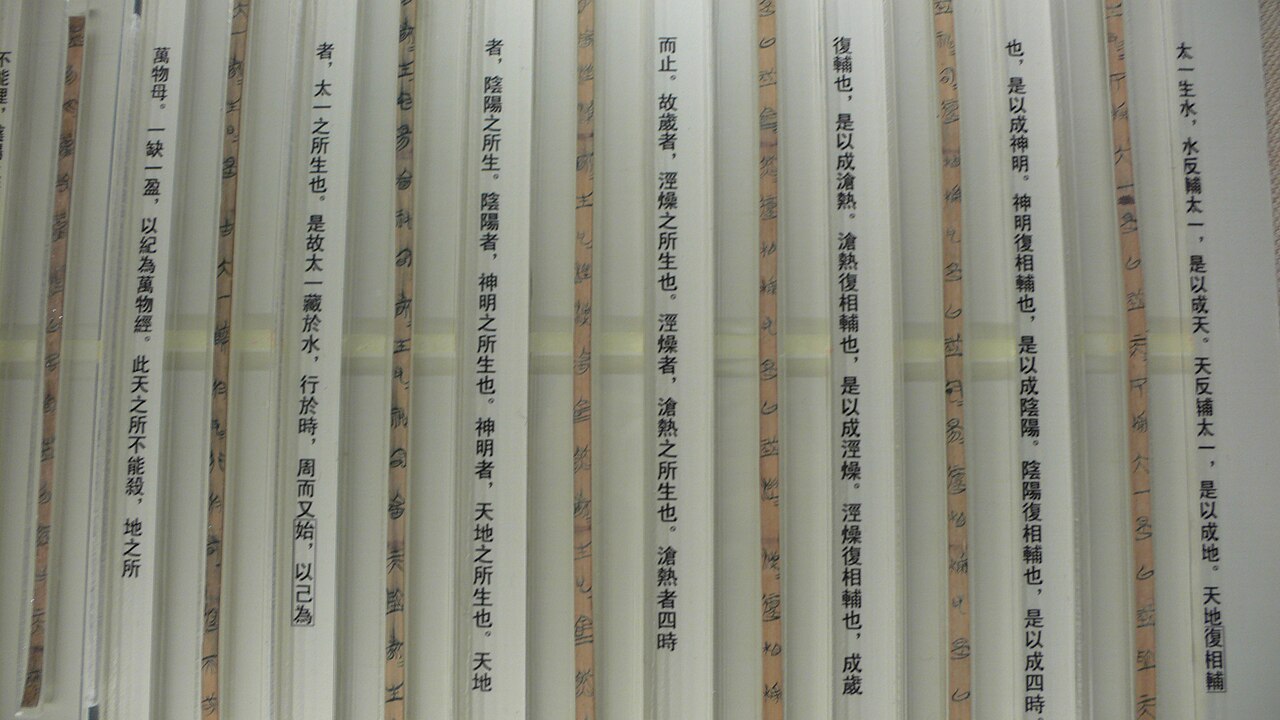
Bamboo Texts of Guodian
c. 300 BCE
 Book
Primary source
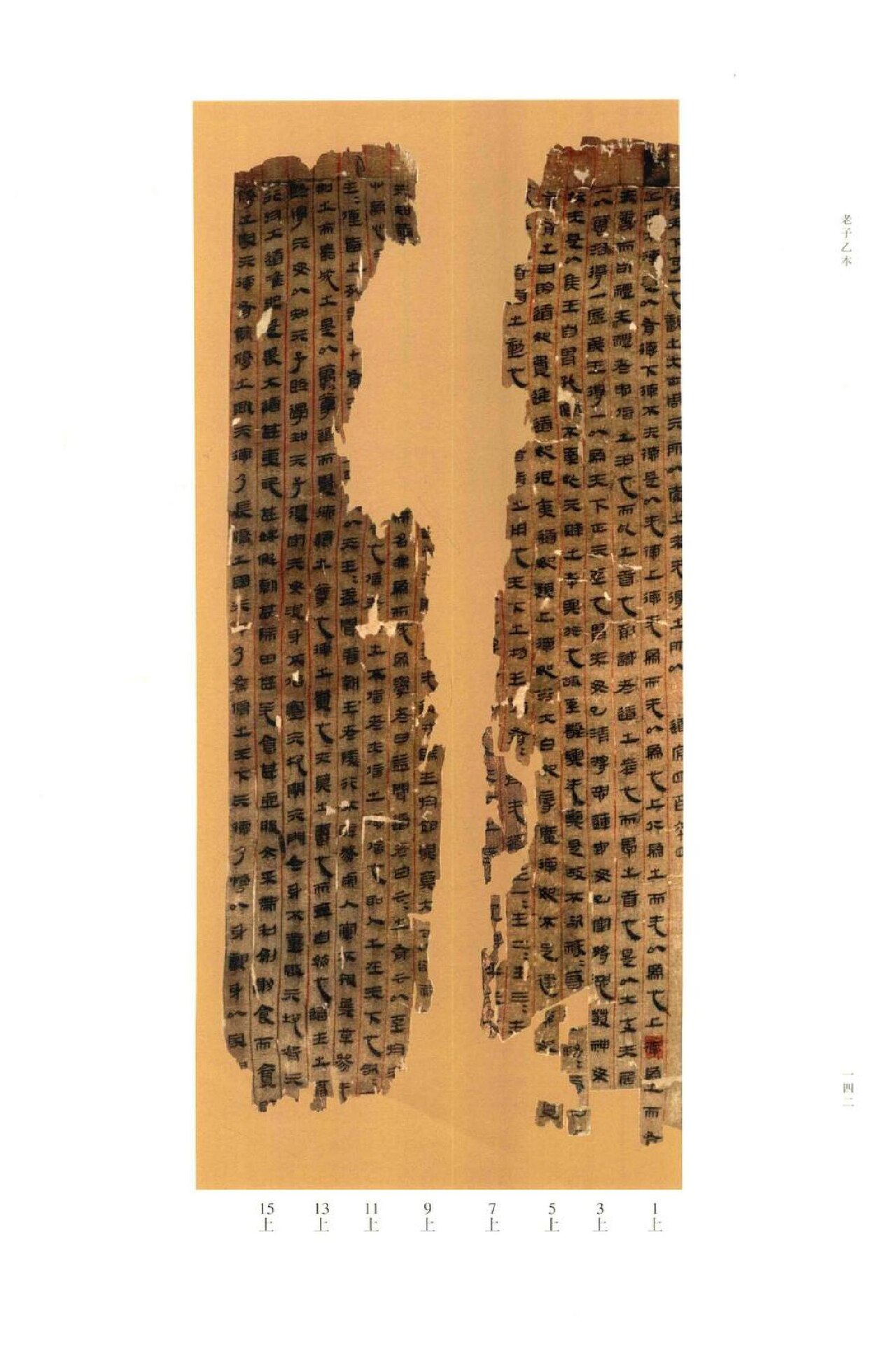
Mawangdui Silk Texts of the Laozi
Anonymous Han scribes · c. 200-168 BCE
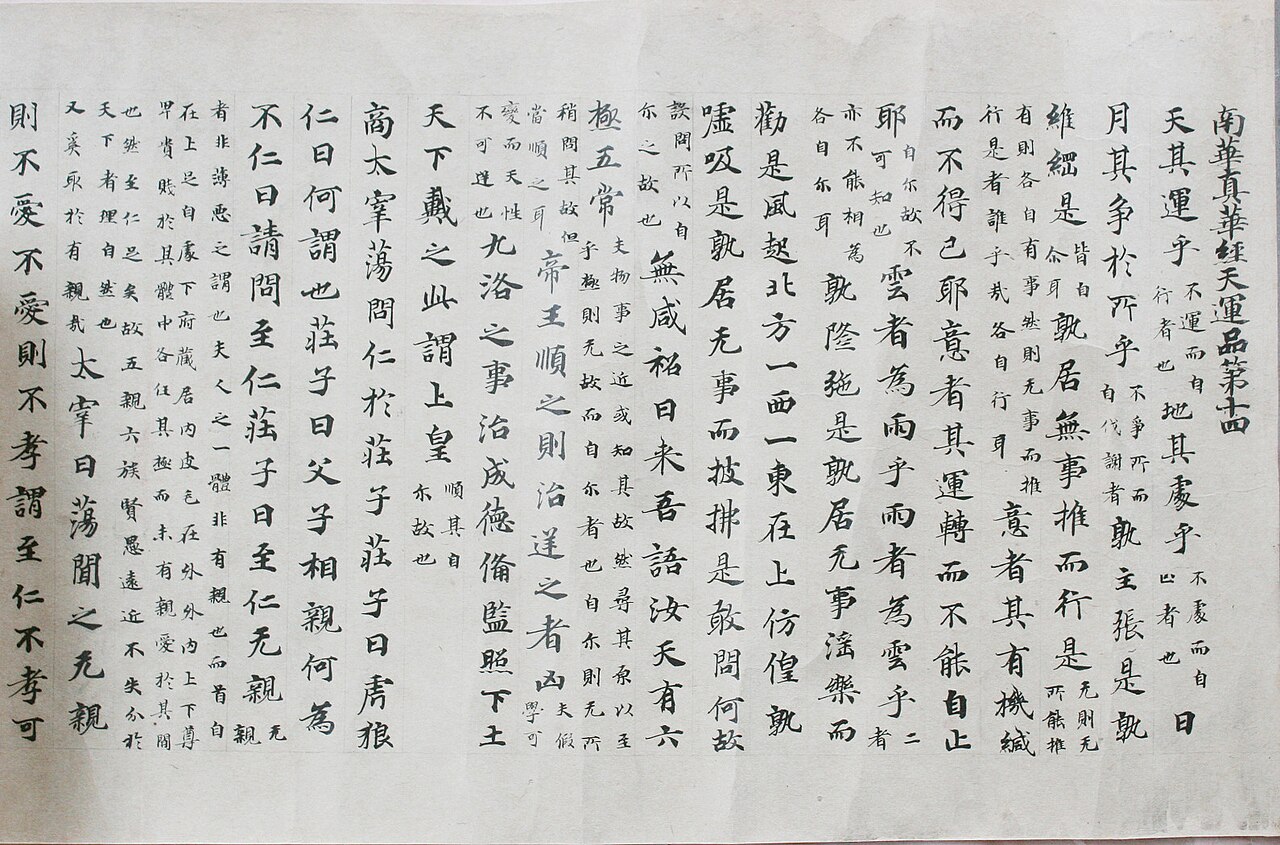 Book
Secondary source
Zhuangzi
Zhuang Zhou · c. 300 BCE
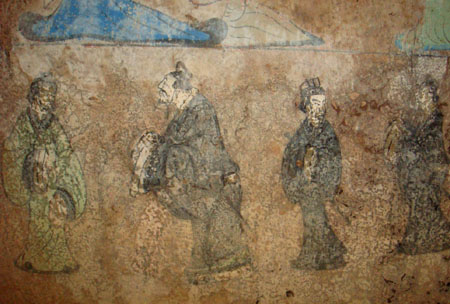 Painting
Secondary source
Confucius and Laozi fresco, Dongping tomb
Anonymous Chinese painter of the Western Han period · Western Han period, c. 2000 years old
Ready when you are
Start chatting with Laozi now.
20 messages free · No credit card · Available in 50+ languages.