


Primary sourcePhotograph
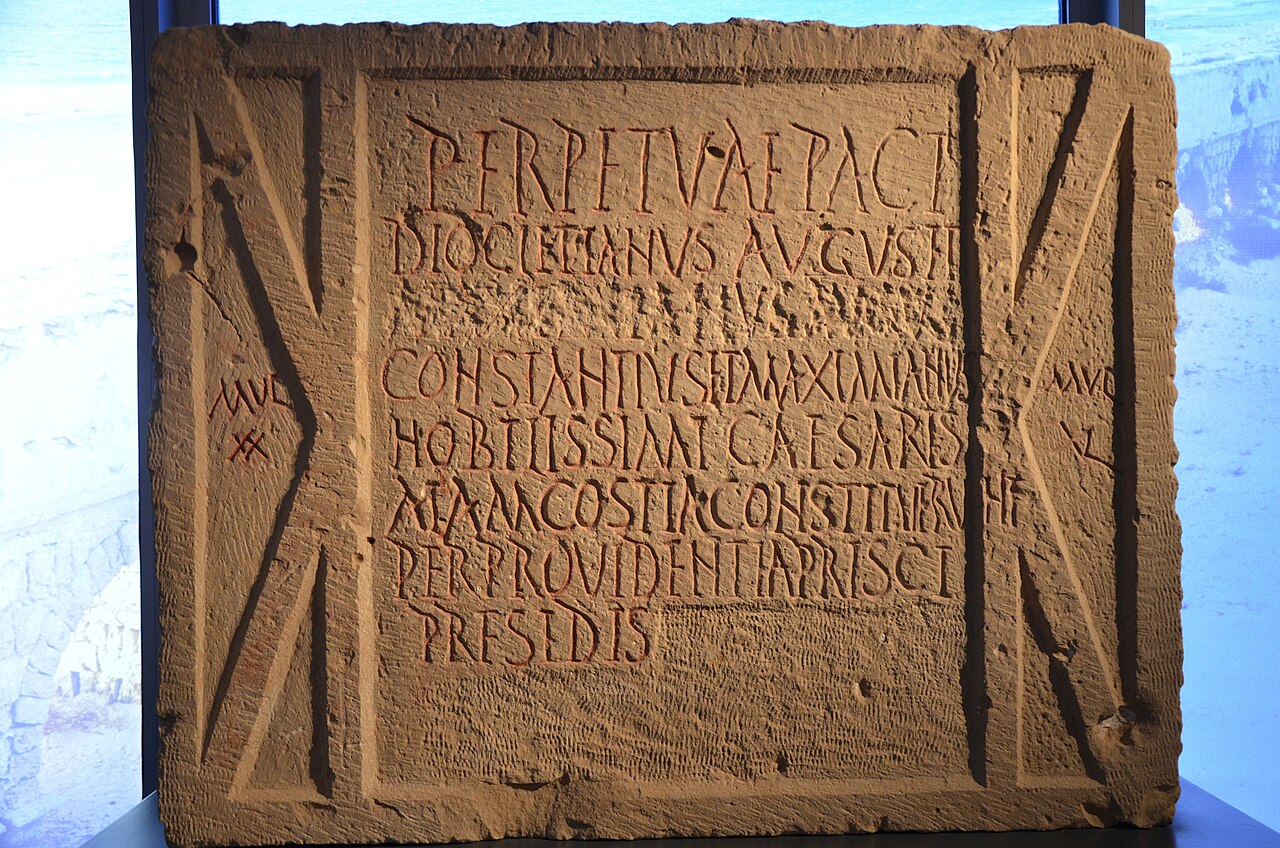
Roman inscription from Jotvata honouring Diocletian and Maximian
Carole Raddato
A sandstone slab from Jotvata, now in the Israel Museum, carved with a Latin inscription naming Diocletian and Maximian. It was made during Diocletian's reign.
Shows an official dedication made in the names of Diocletian and Maximian, displaying imperial rule in a far eastern province.
About this source
What it is
This is a photograph by Carole Raddato of a reddish sandstone slab with a Latin inscription carved in raised letters inside a framed border. The slab is displayed in a museum case at the Israel Museum in Jerusalem and comes from Jotvata. The text honours Diocletian Augustus and Maximian Augustus, and the nobilissimi Caesares, and records that a unit (ala) was set up under the governor Priscus. The Commons record also gives the reference numbers of the published readings of the inscription.
Why it matters
The inscription shows Roman authority reaching the province of Syria Palaestina, where the emperors were honoured through the work of local governors. It is a physical trace of how the Tetrarchy presented itself to people in the eastern provinces.
Look closer
- Which emperors are named, and what do the titles suggest about how power was shared?
- What was the purpose of a military unit being set up in the emperors' names?
- What does the photograph not show, such as the back of the stone or where it was first found?
This photograph is part of the curated material that grounds the AI version of Diocletian on Humy.ai — when students ask about related events, the AI can quote it and cite it.
More Diocletian sources
Browse all 92 →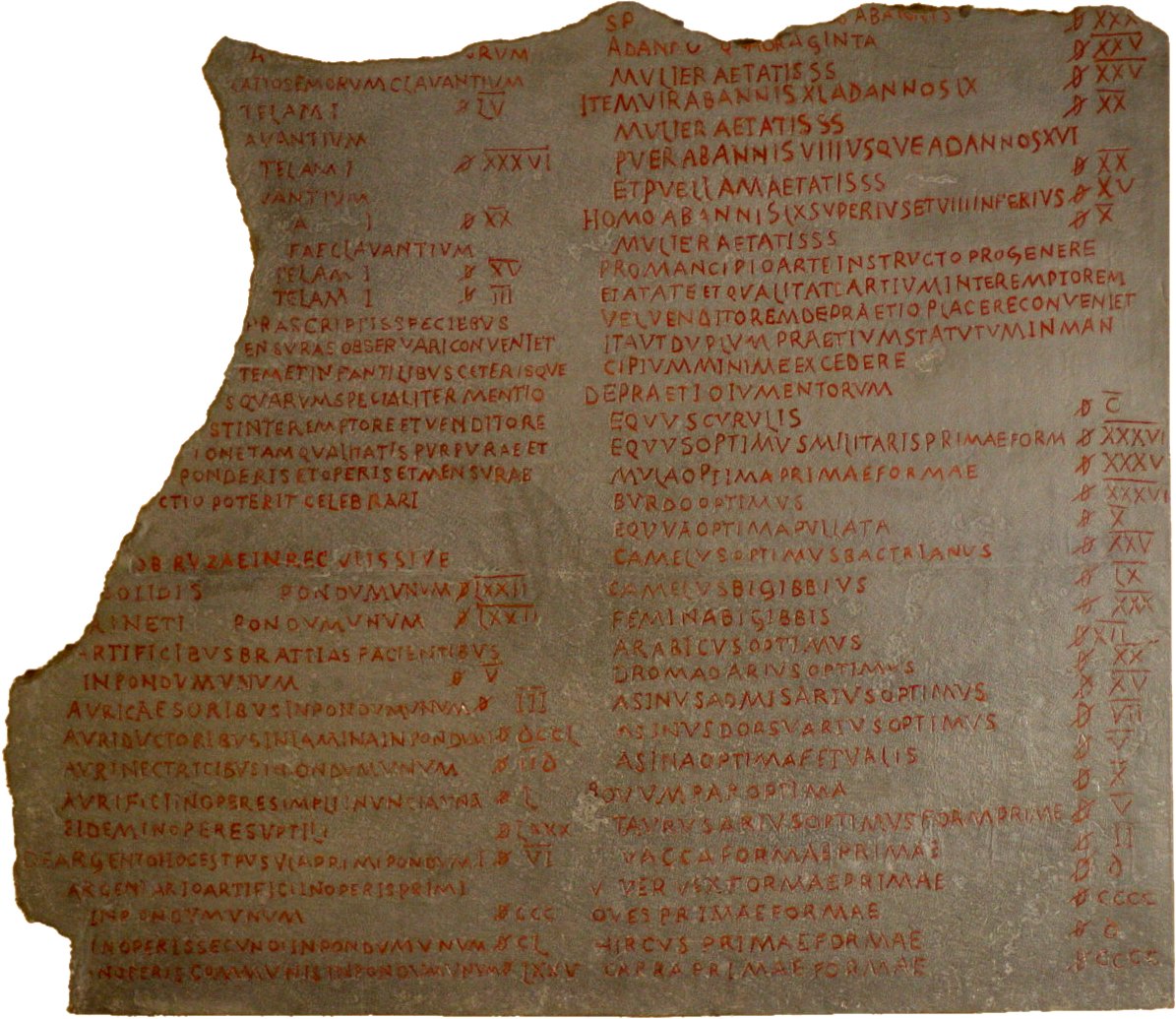 Document
Primary source
Edict on Maximum Prices
Diocletian · 301
 Artifact
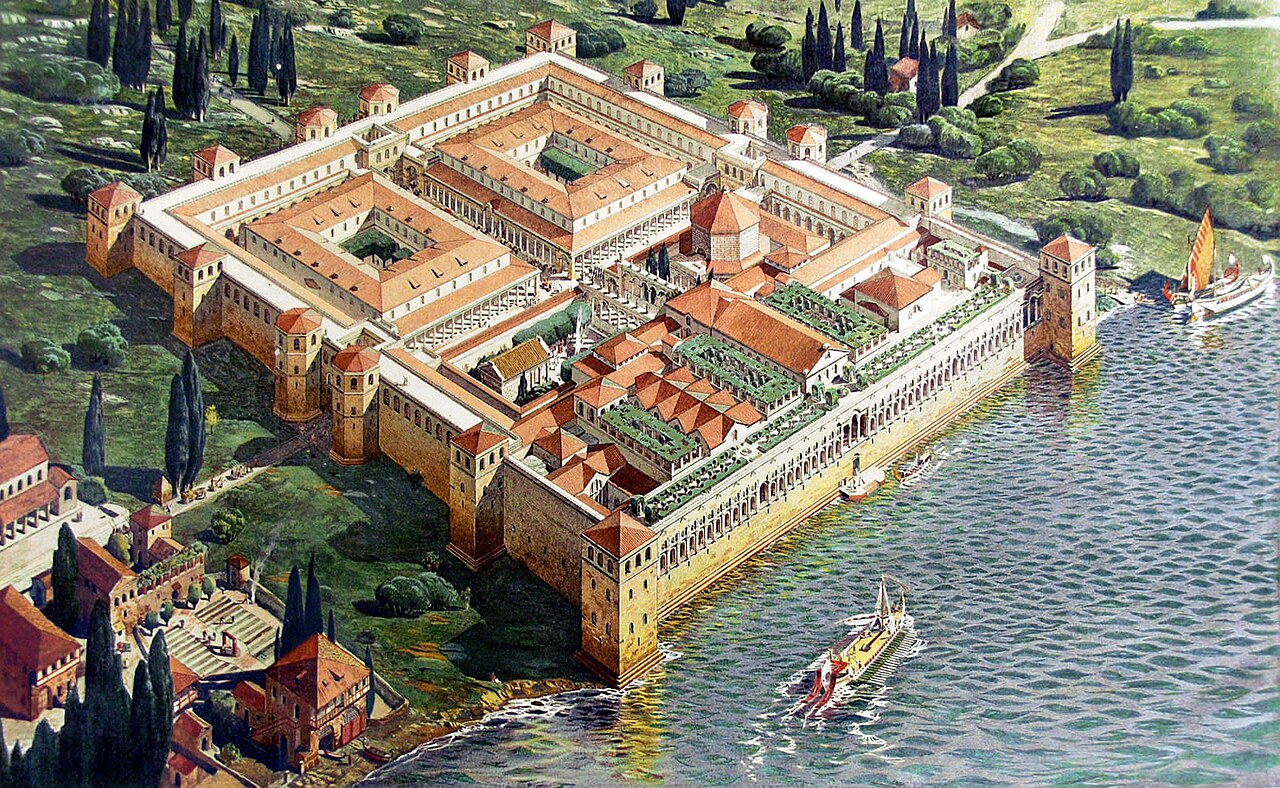
Primary source
Diocletian's Palace
293
 Book
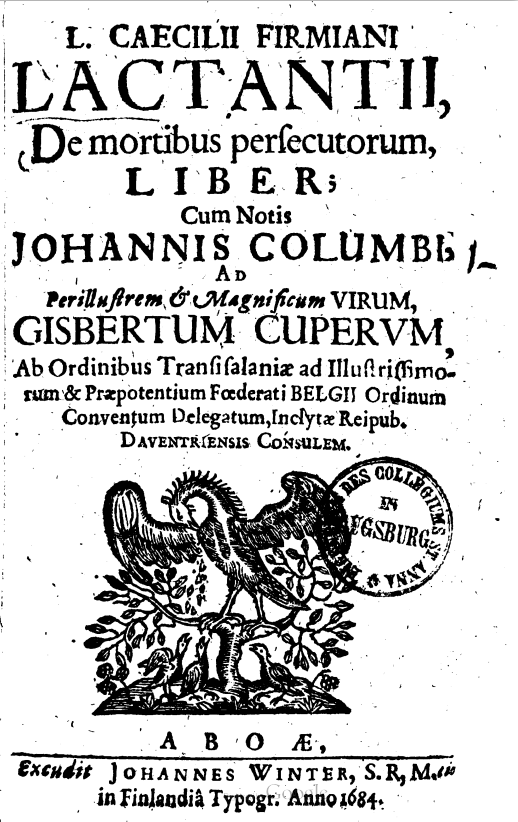
Secondary source
De mortibus persecutorum
Lactantius · after 316
 Sculpture
Primary source
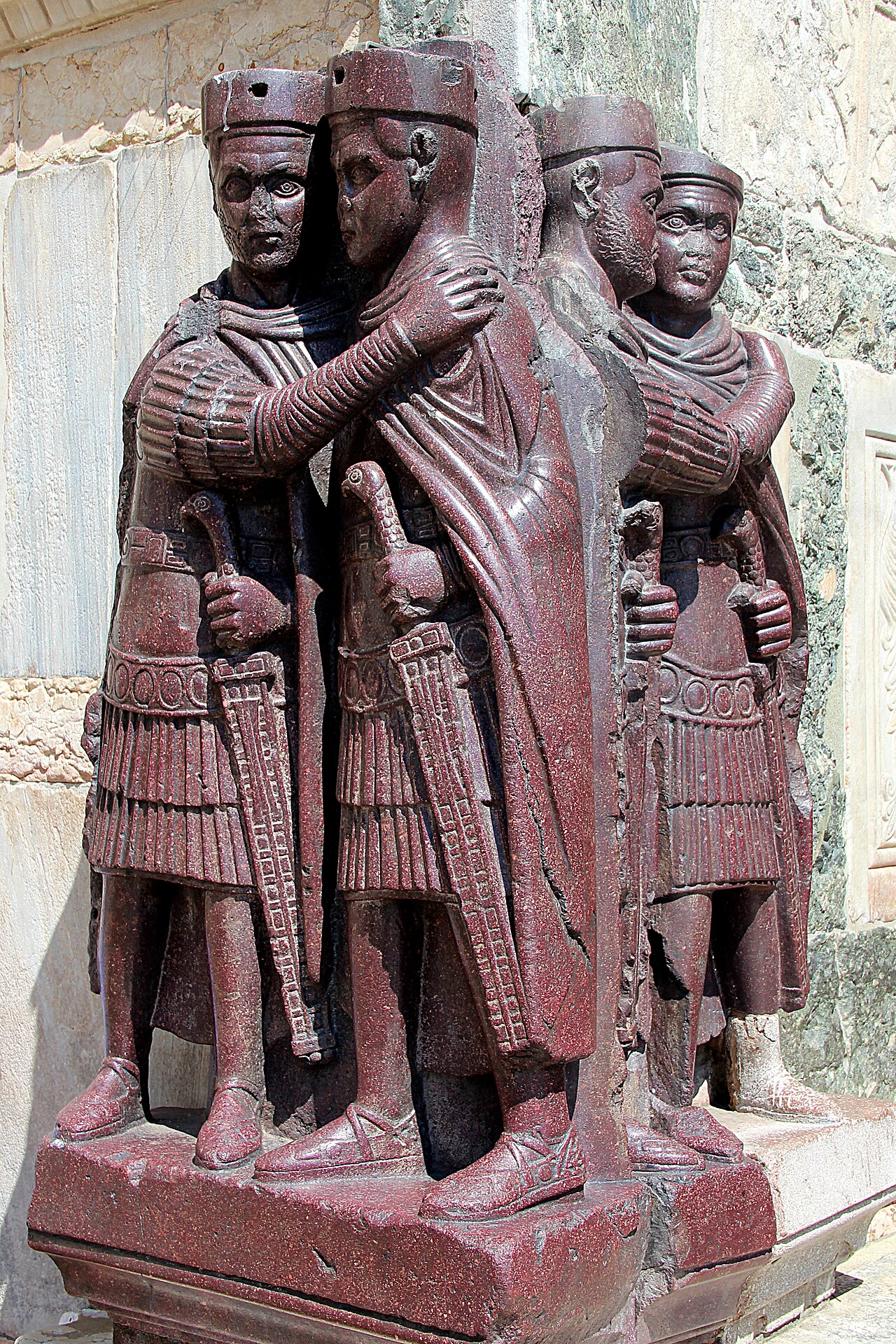
Portrait of the Four Tetrarchs
c. 300 CE
Free account
Read every Diocletian source
Sign up free →
Ready when you are
Start chatting with Diocletian now.
20 messages free · No credit card · Available in 50+ languages.