


Secondary sourcePhotograph2 July 2018
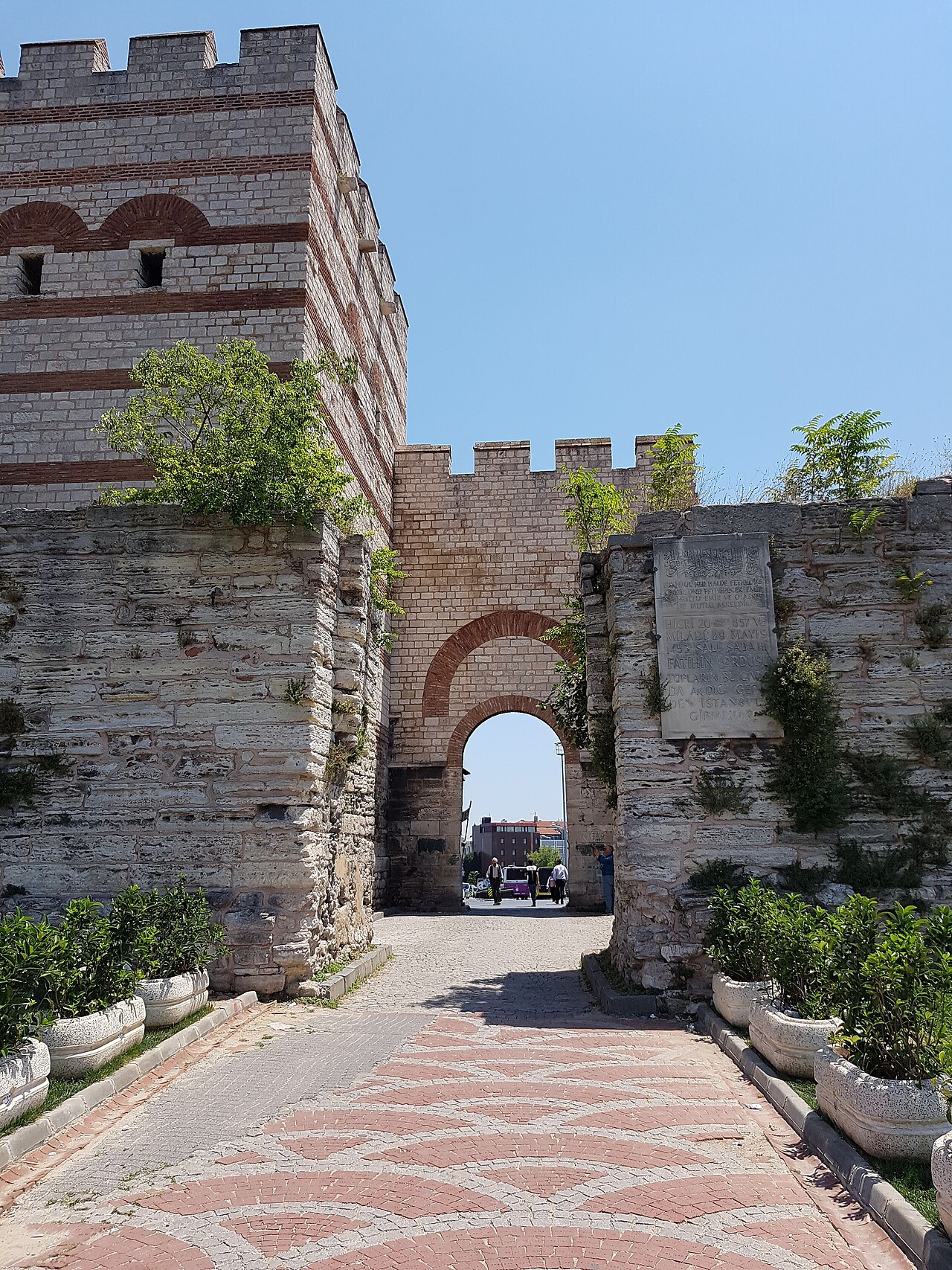
Romanus Gate in the Theodosian Walls, Now Topkapı
Isabeau · 2 July 2018
Modern photograph of the Romanus Gate in Constantinople's Theodosian Walls, the area where the decisive 1453 Ottoman assault focused.
Shows the gate where the 1453 assault that ended Constantine XI's reign and life was concentrated.
About this source
What it is
This photograph, taken in 2018, shows the Gate of St. Romanus in the Theodosian Walls of Constantinople, now known as Topkapı or the "Cannon Gate." The gate features a brick-banded tower and an arched passage, with a marble plaque nearby.
Why it matters
This section of the walls was where the Ottoman forces concentrated their final assault on Constantinople in 1453, the siege that ended Constantine XI's reign and the Byzantine Empire. Seeing the gate's geography helps explain how the city's defenses were eventually broken.
Look closer
- What features of the gate and walls would have made this area hard, or easier, to defend?
- Why might this location have become a focus of the attack?
- What has changed about this site since 1453, and what has stayed the same?
This photograph is part of the curated material that grounds the AI version of Constantine XI Palaiologos on Humy.ai — when students ask about related events, the AI can quote it and cite it.
More Constantine XI Palaiologos sources
Meet the AI Constantine XI Palaiologos →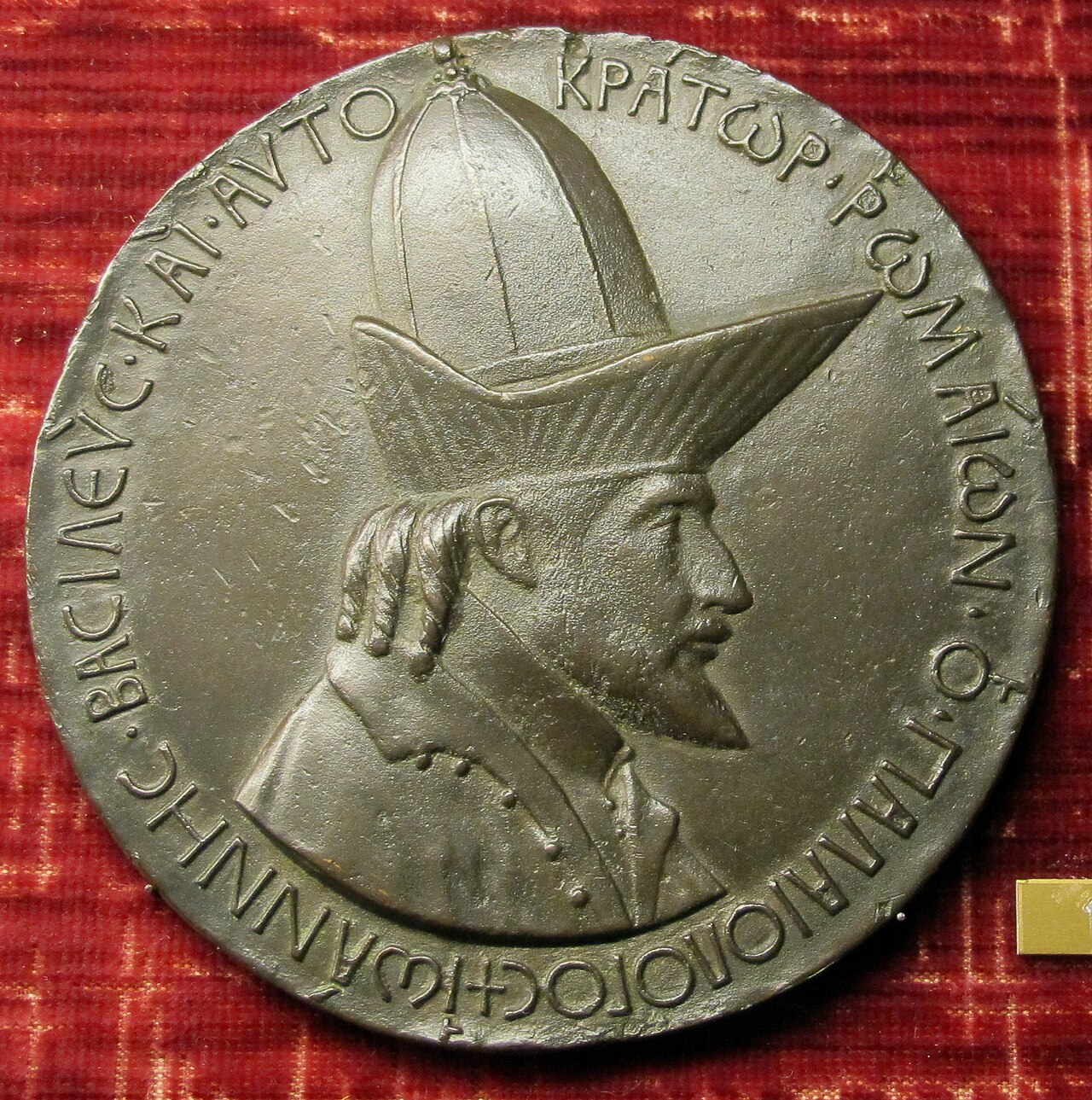 Sculpture
Primary source
Medal of John VIII Palaiologos
Pisanello · 1438-1439
 Painting
Secondary source
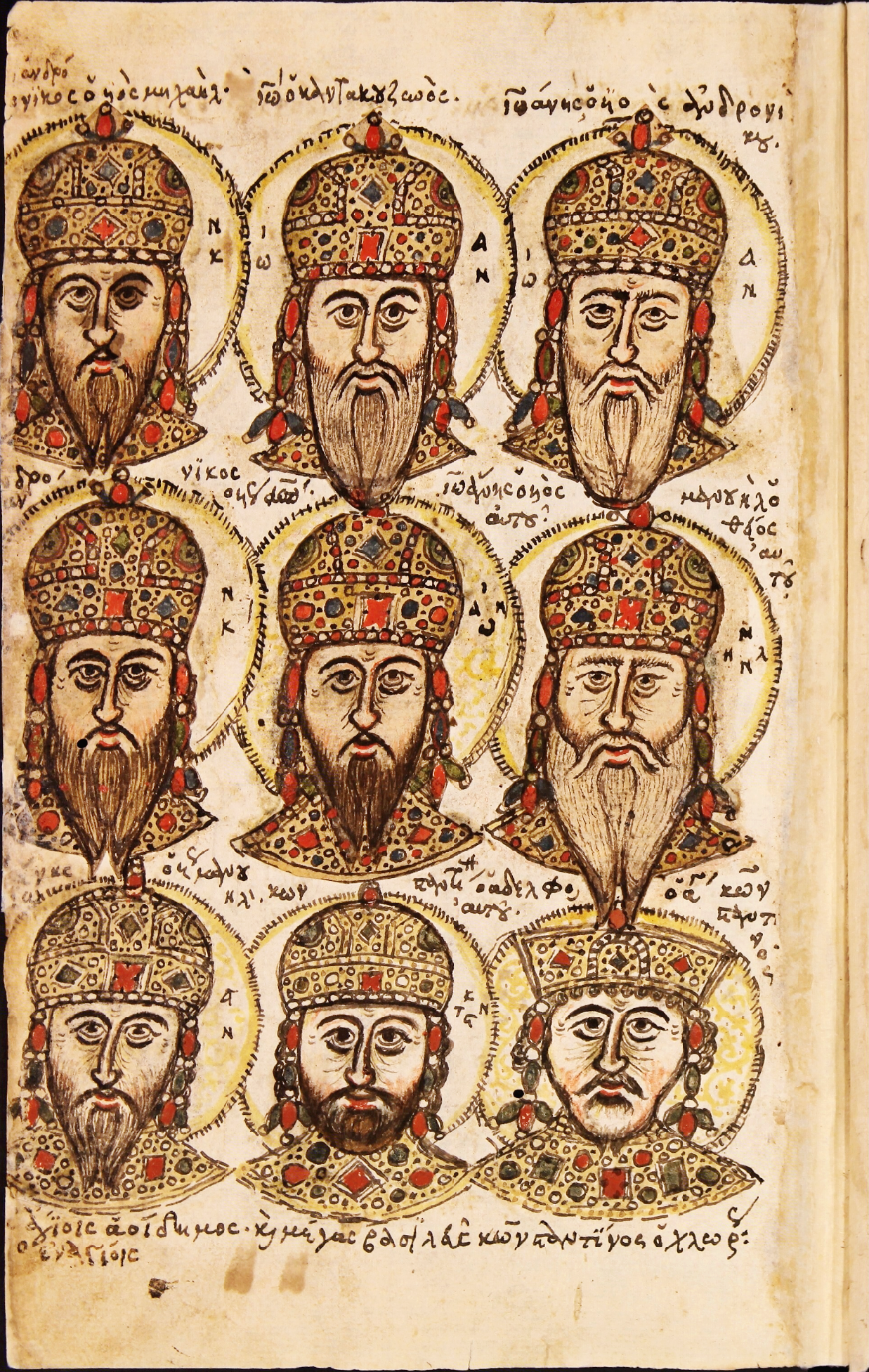
Zonaras Chronicle Portrait Folio
Unknown Byzantine scribes
 Painting
Secondary source
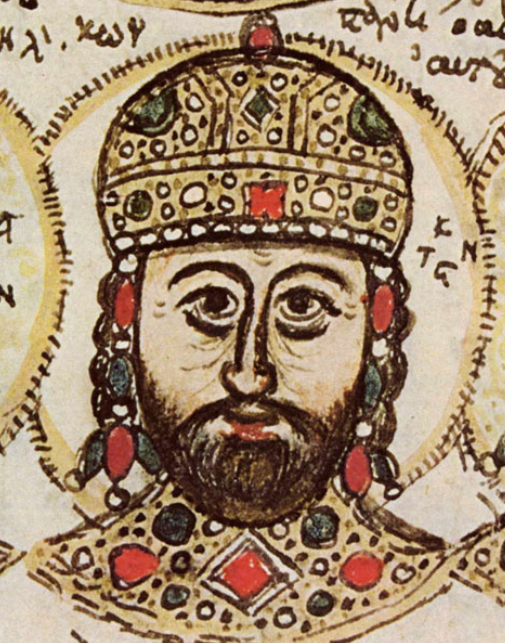
Portrait of Constantine XI Palaiologos in the Mutinensis gr. 122 Codex
Unknown Byzantine artist · 15th century
 Artifact
Primary source
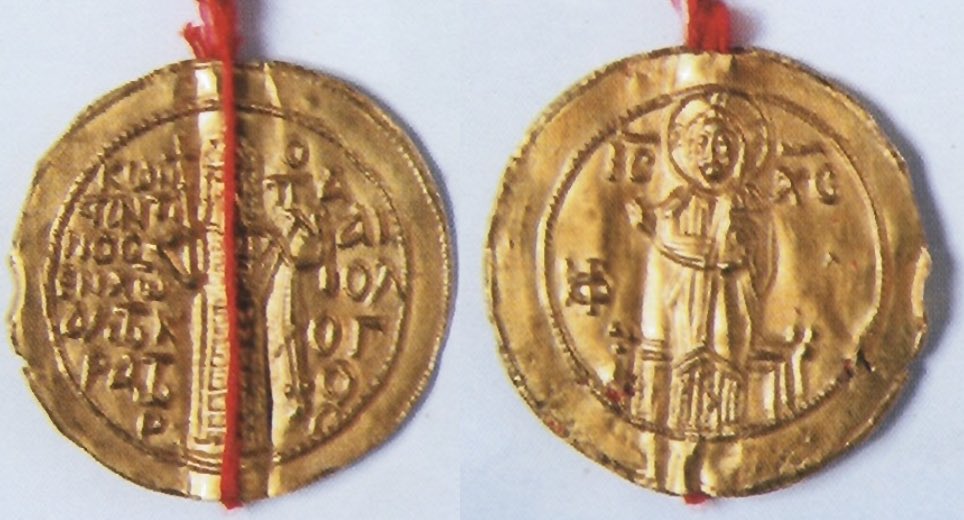
Gold Seal of Constantine XI for Ragusa
1451
 Photograph
Secondary source
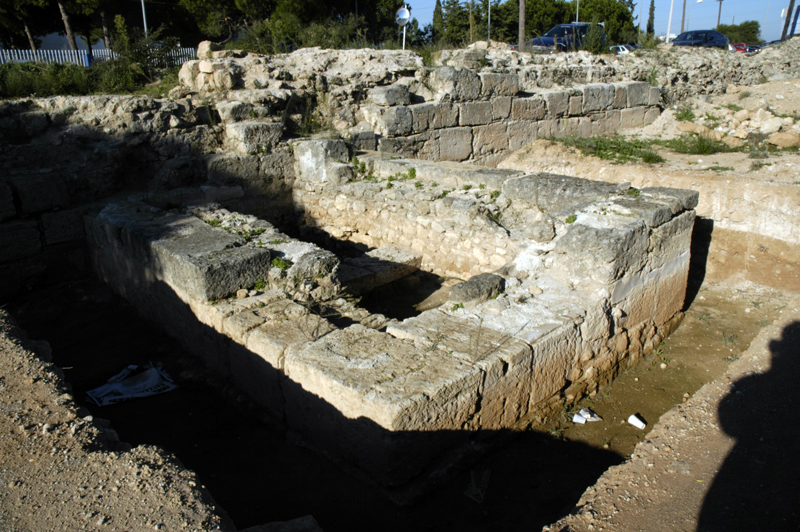
Hexamilion Wall Ruins Across the Corinth Isthmus
Nefasdicere
Ready when you are
Start chatting with Constantine XI Palaiologos now.
20 messages free · No credit card · Available in 50+ languages.