


Secondary sourcePainting1650
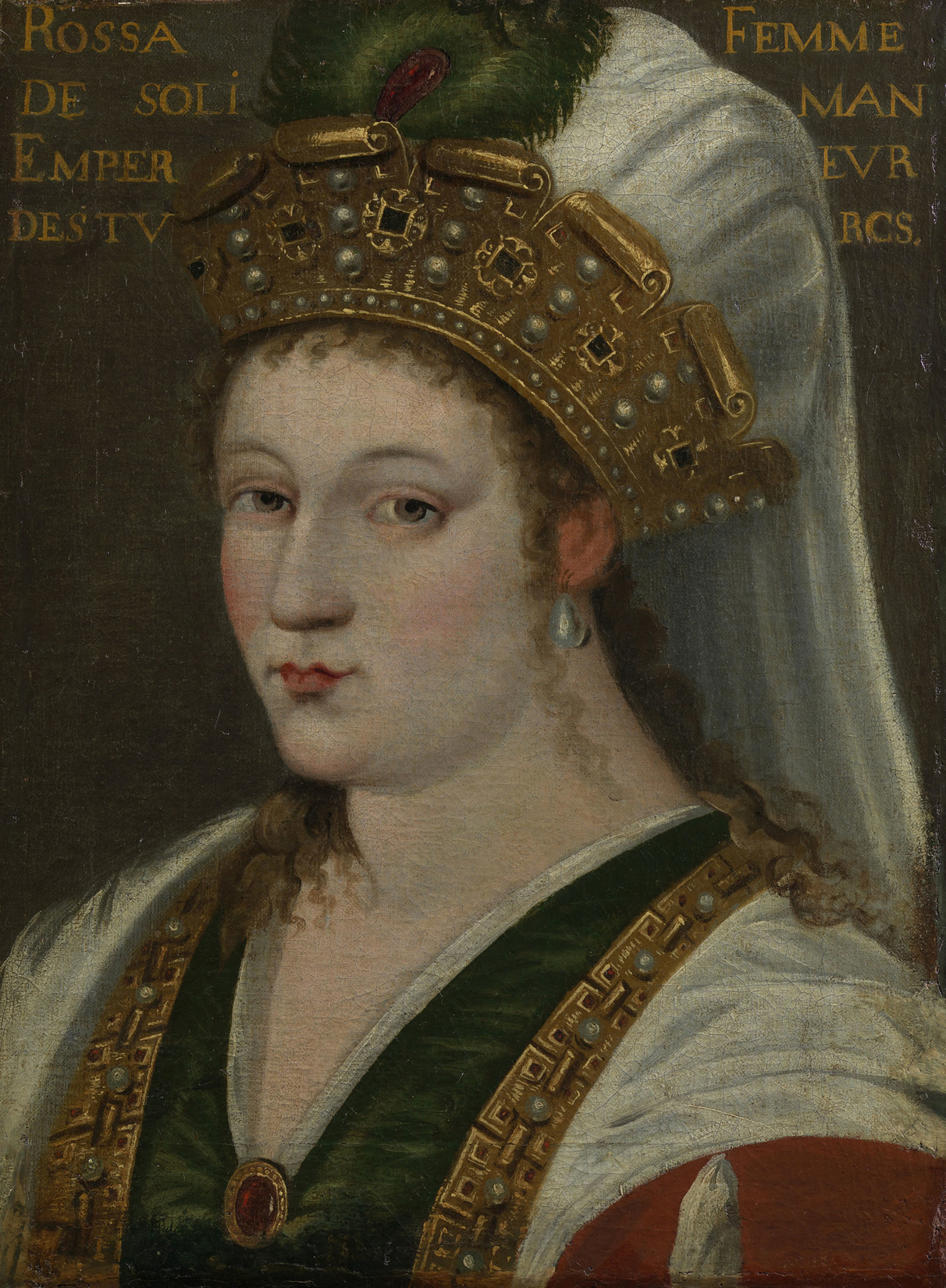
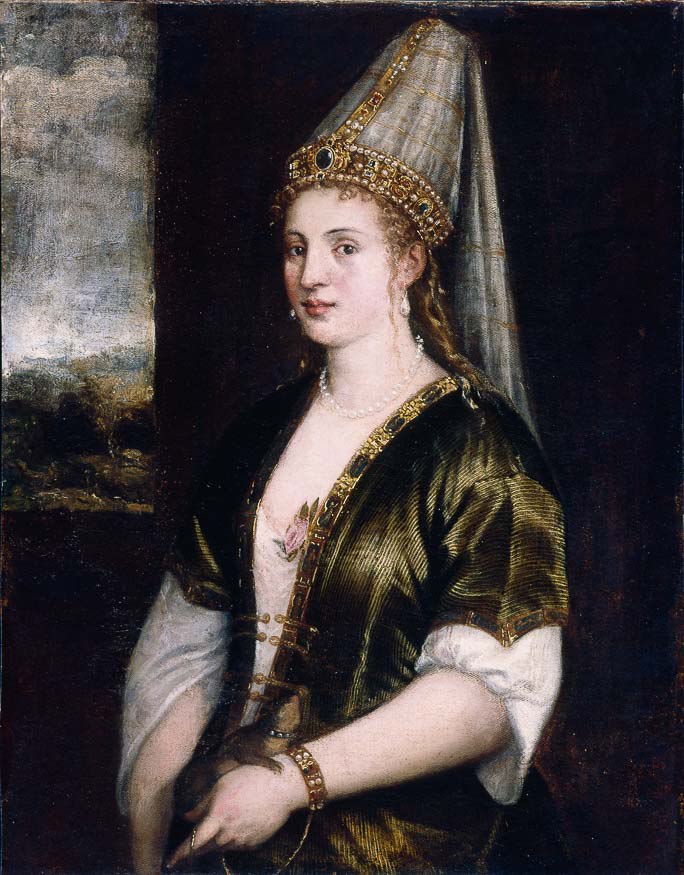
Rosa, Consort of Suleiman, Emperor of the Turks
Attributed to French School, 17th century · 1650
A 17th-century European painting imagining Hürrem Sultan, called 'Rosa', as the sultan's consort, showing her legendary image in later European courts.
An imagined 17th-century European portrait of Hürrem Sultan, showing how her legend spread long after her lifetime.
About this source
What it is
An oil painting attributed to the French School, made in 1650 and now in the Royal Collection. It shows a woman with reddish-brown hair wearing a jeweled crown, a veil, and a richly trimmed green gown, labelled with Latin-style lettering referring to 'Rossa' and the Ottoman emperor's wife.
Why it matters
This is not a true likeness of Hürrem Sultan, who lived a century earlier. It shows how her story — a captive who rose to become the sultan's powerful wife — had become a European legend, repeated and reimagined in portraits long after her death.
Look closer
- What clues show this was painted in Europe, not the Ottoman court?
- Why might European painters have been fascinated by her story?
- What does the lettering tell you about who the artist thought she was?
This painting is part of the curated material that grounds the AI version of Hurrem Sultan on Humy.ai — when students ask about related events, the AI can quote it and cite it.
More Hurrem Sultan sources
Browse all 57 →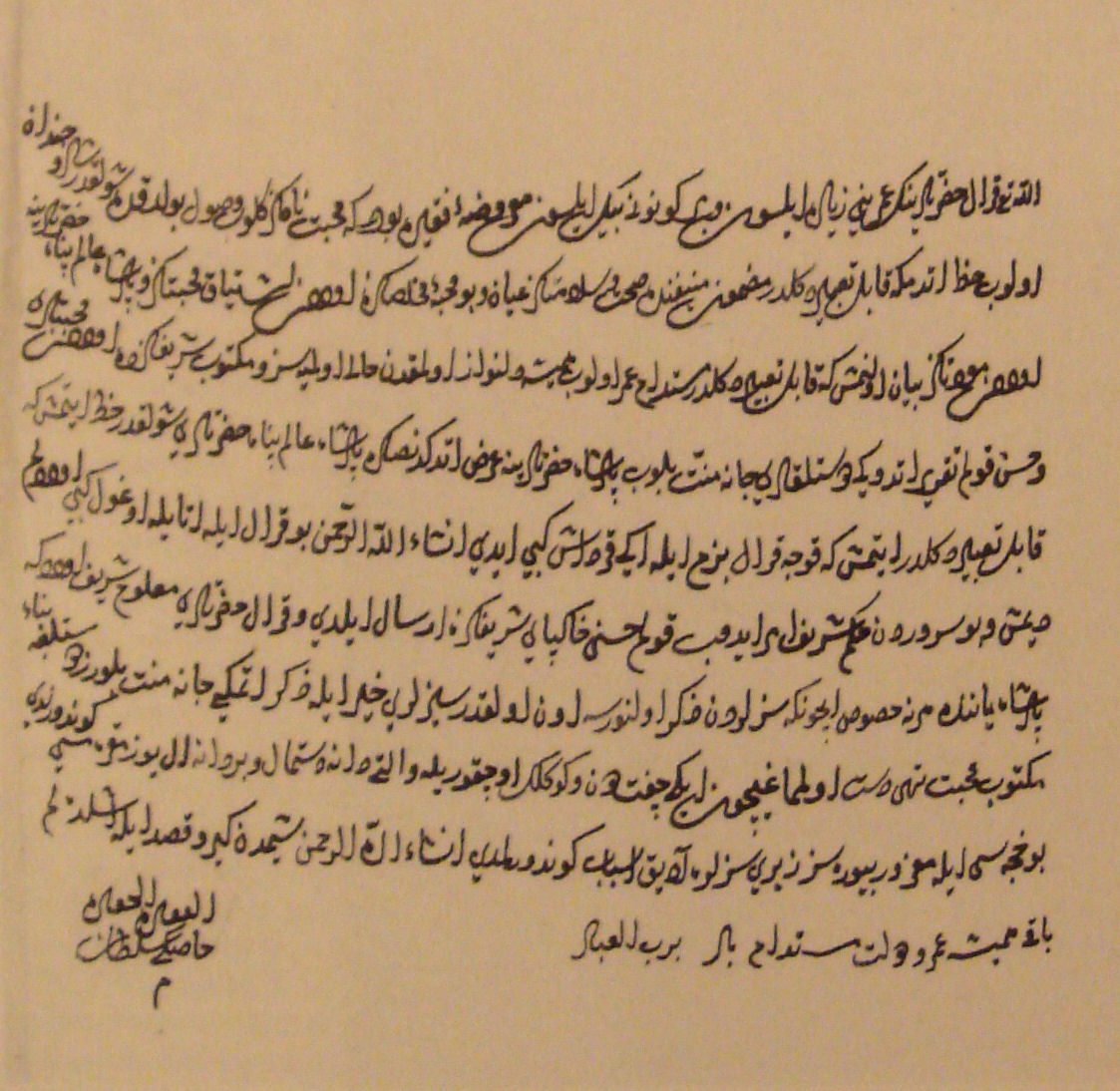 Letter
Primary source
Letter of Roxelane to Sigismund Augustus
Hürrem Sultan · 1549
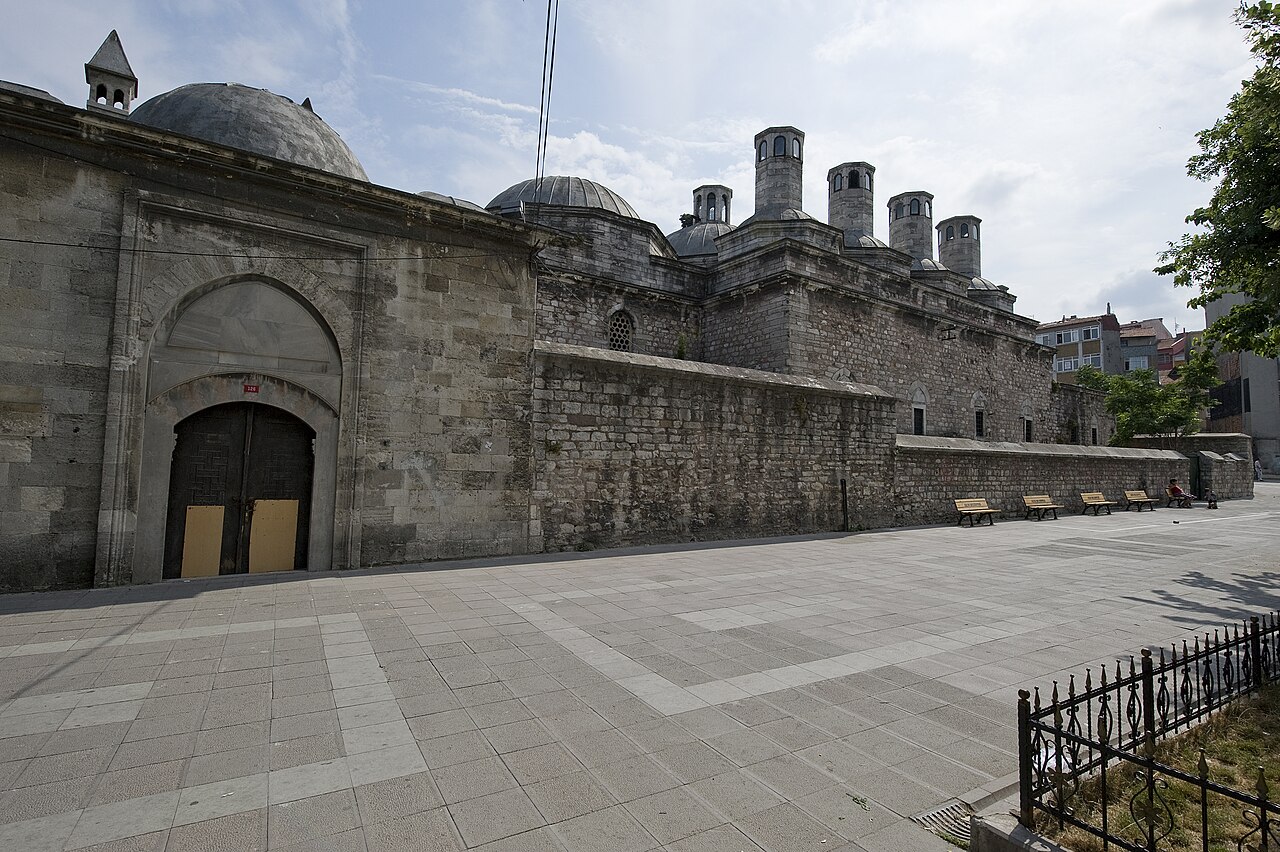 Artifact
Primary source
Haseki Sultan Mosque
Mimar Sinan · 1538
 Artifact
Primary source
Süleymaniye Mosque
Mimar Sinan · 1550-1557
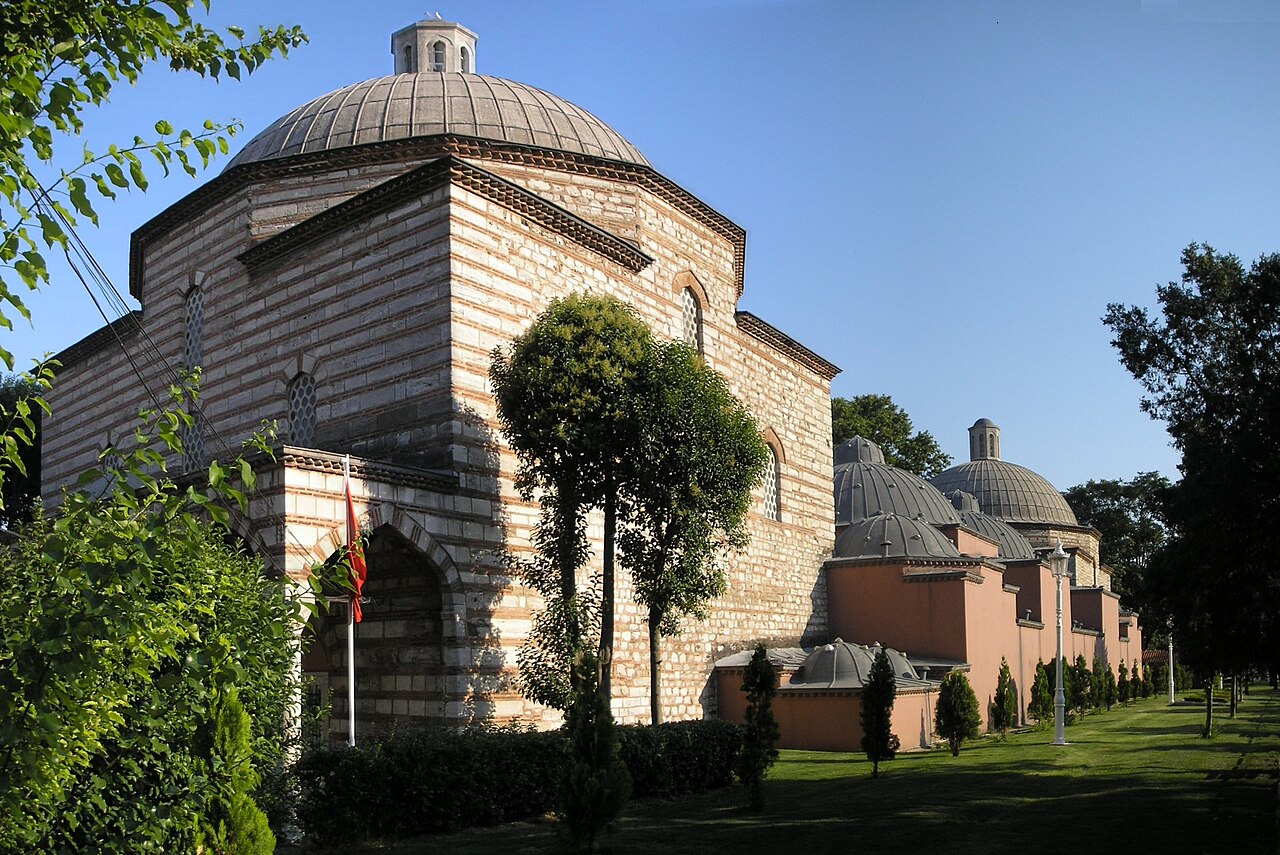 Artifact
Primary source
Haseki Hürrem Sultan Hamamı
Mimar Sinan · 1556
Free account
Read every Hurrem Sultan source
Sign up free →
Ready when you are
Start chatting with Hurrem Sultan now.
20 messages free · No credit card · Available in 50+ languages.