


Primary sourcePaintingrecto: ca. 1658; verso: ca. 1630-40
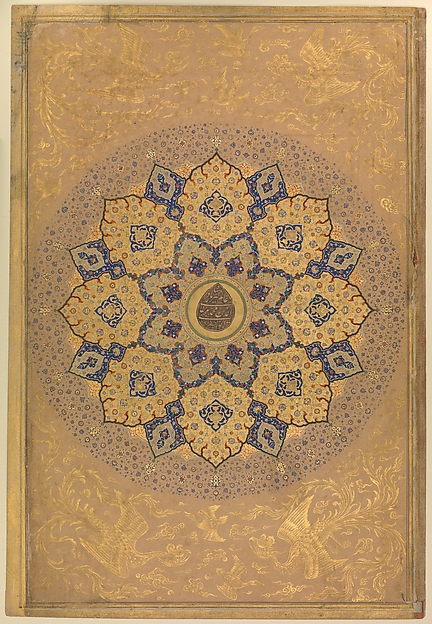
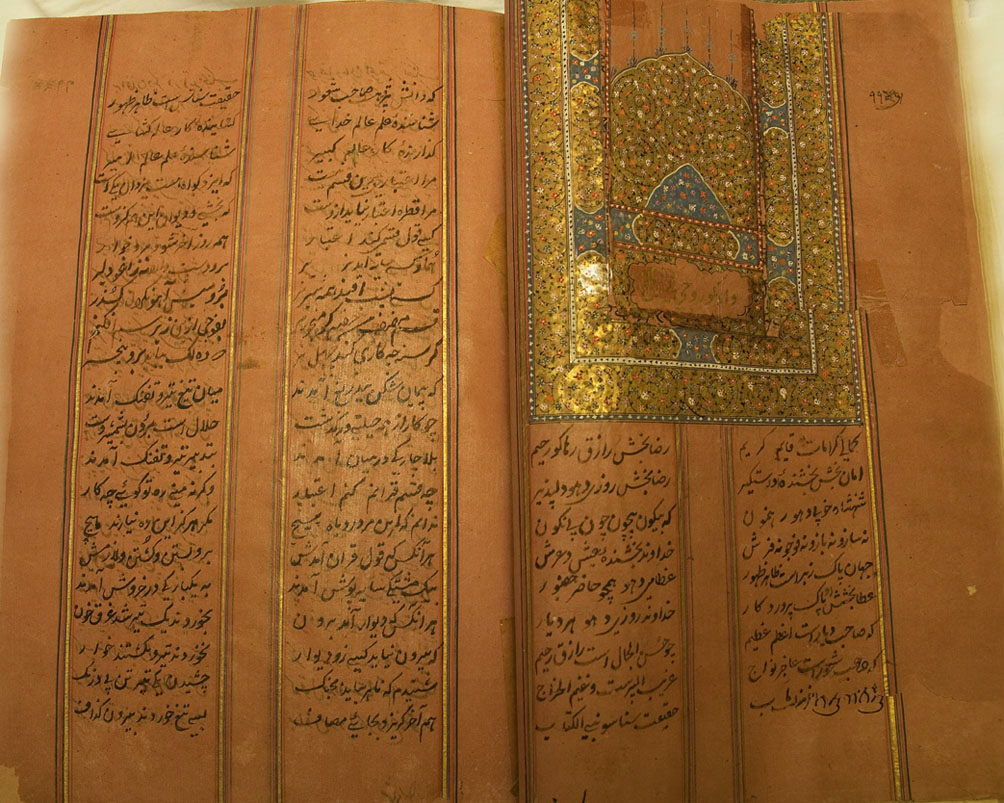
Rosette Bearing the Name and Title of Emperor Aurangzeb
Mir 'Ali Haravi · recto: ca. 1658; verso: ca. 1630-40
A calligraphic album page by Mir 'Ali Haravi, dated around 1658, that names Aurangzeb with his imperial title. It records his accession in the same year.
This calligraphic leaf names Aurangzeb with his imperial title in the year he took the throne, recording his accession in art made for the court.
About this source
What it is
This is a non-illustrated album leaf in ink, opaque watercolour and gold on paper. The Metropolitan Museum of Art holds it, as a 1955 purchase with funds from the Rogers Fund and The Kevorkian Foundation Gift. Its recto, or front, is dated to around 1658 and carries a large central rosette of stylized lotus-like petals in gold, blue and cream. An oval cartouche in the centre holds calligraphy that names Aurangzeb with his imperial title. The calligrapher was Mir 'Ali Haravi. The verso, or back, is dated to around 1630 to 1640.
Why it matters
The page is part of the Shah Jahan Album, a collection of calligraphy and painting assembled for the Mughal court. Its title leaf names Aurangzeb in the year he took the throne, so it shows how the court announced and honoured his accession through skilled art rather than through words alone.
Look closer
- How does the design of the rosette and its gold scrolls draw attention to the name at its centre?
- Why would the court use elaborate calligraphy and gold to mark a new ruler?
- The verso is dated earlier than the recto, so what might this say about how albums were put together, and what does the page leave out about the events of 1658?
This painting is part of the curated material that grounds the AI version of Aurangzeb on Humy.ai — when students ask about related events, the AI can quote it and cite it.
More Aurangzeb sources
Meet the AI Aurangzeb →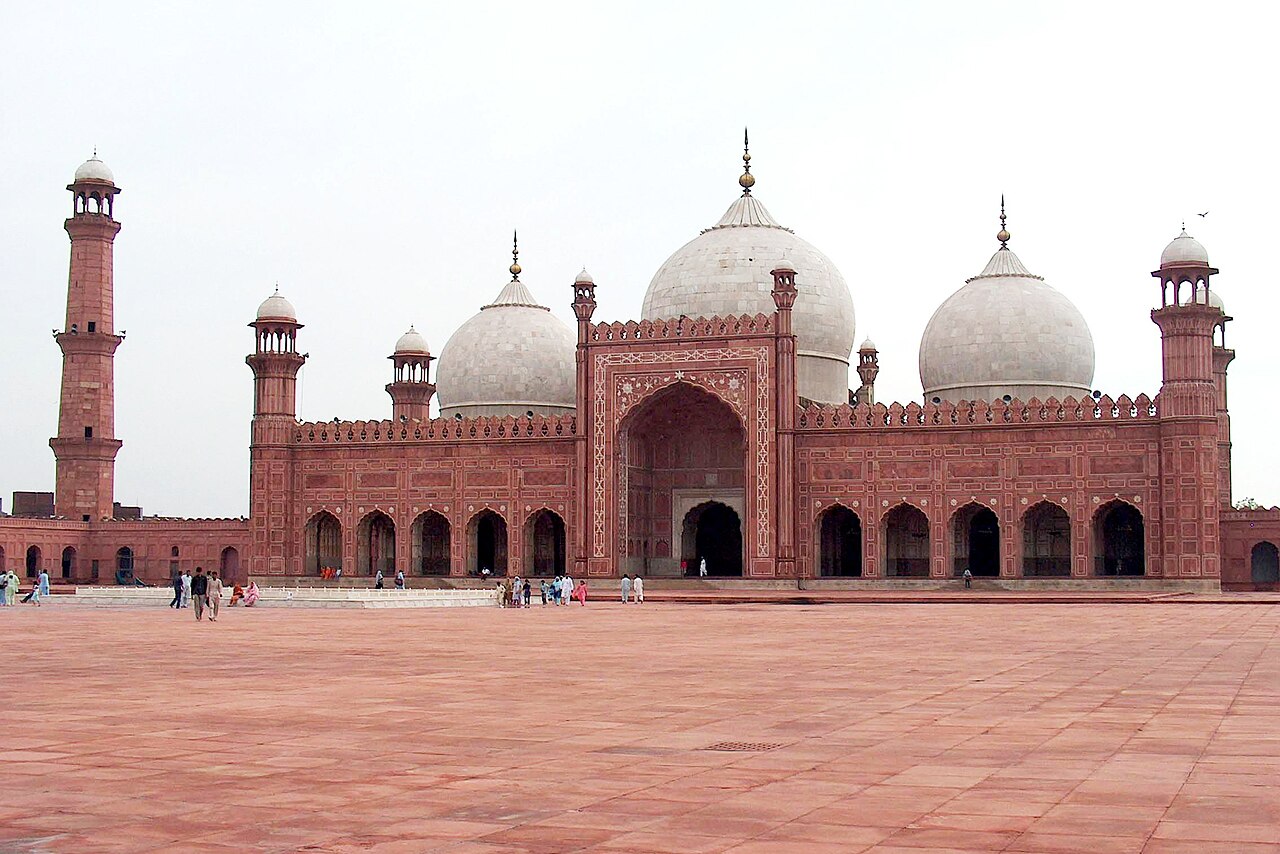 Artifact
Primary source
Badshahi Mosque
1671–1673
 Document
Primary source
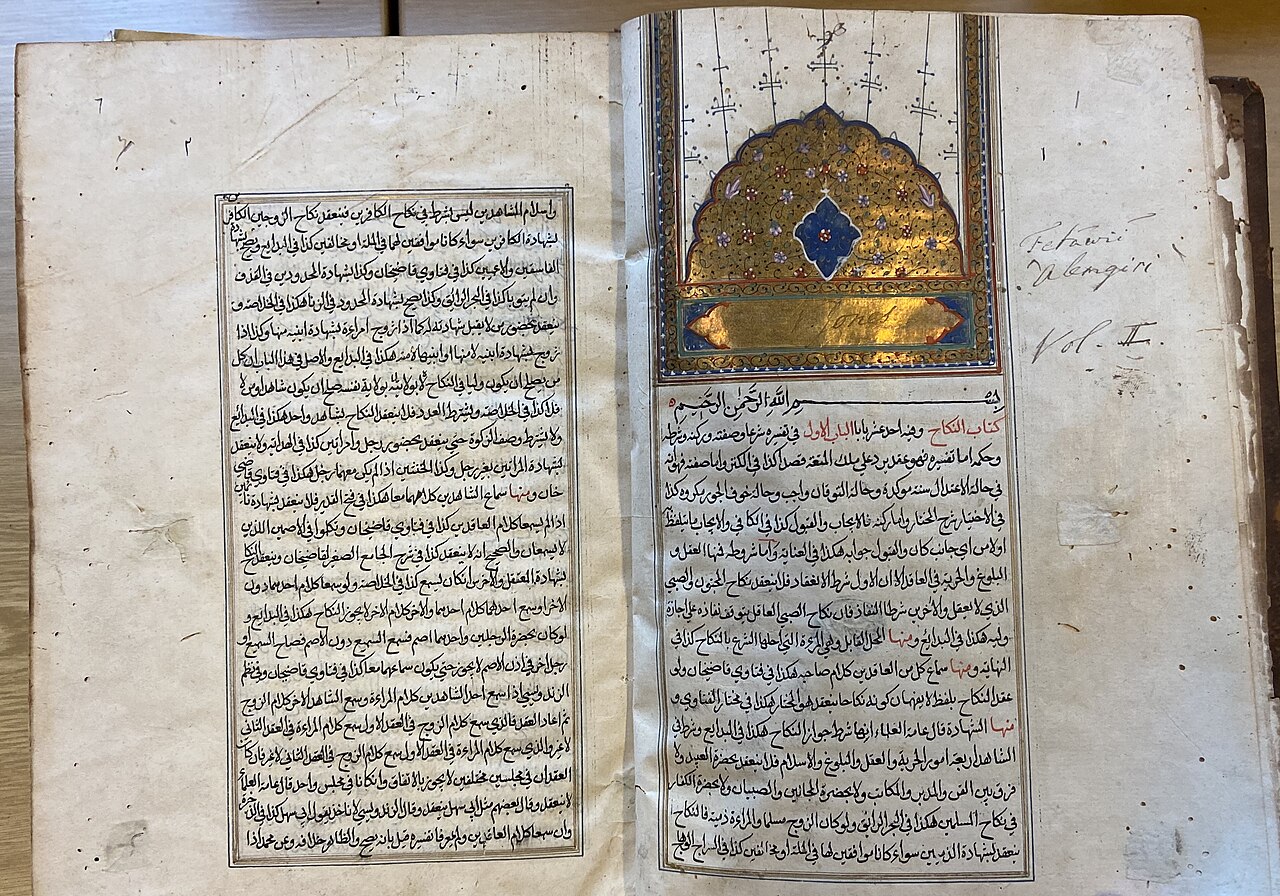
Fatawa-i Alamgiri Manuscript
17th century (this copy later recopied)
 Book
Secondary source
Maasir-i-Alamgiri
Saqi Musta'id Khan · c. 1710 (this copy 1763-1764)
Primary source
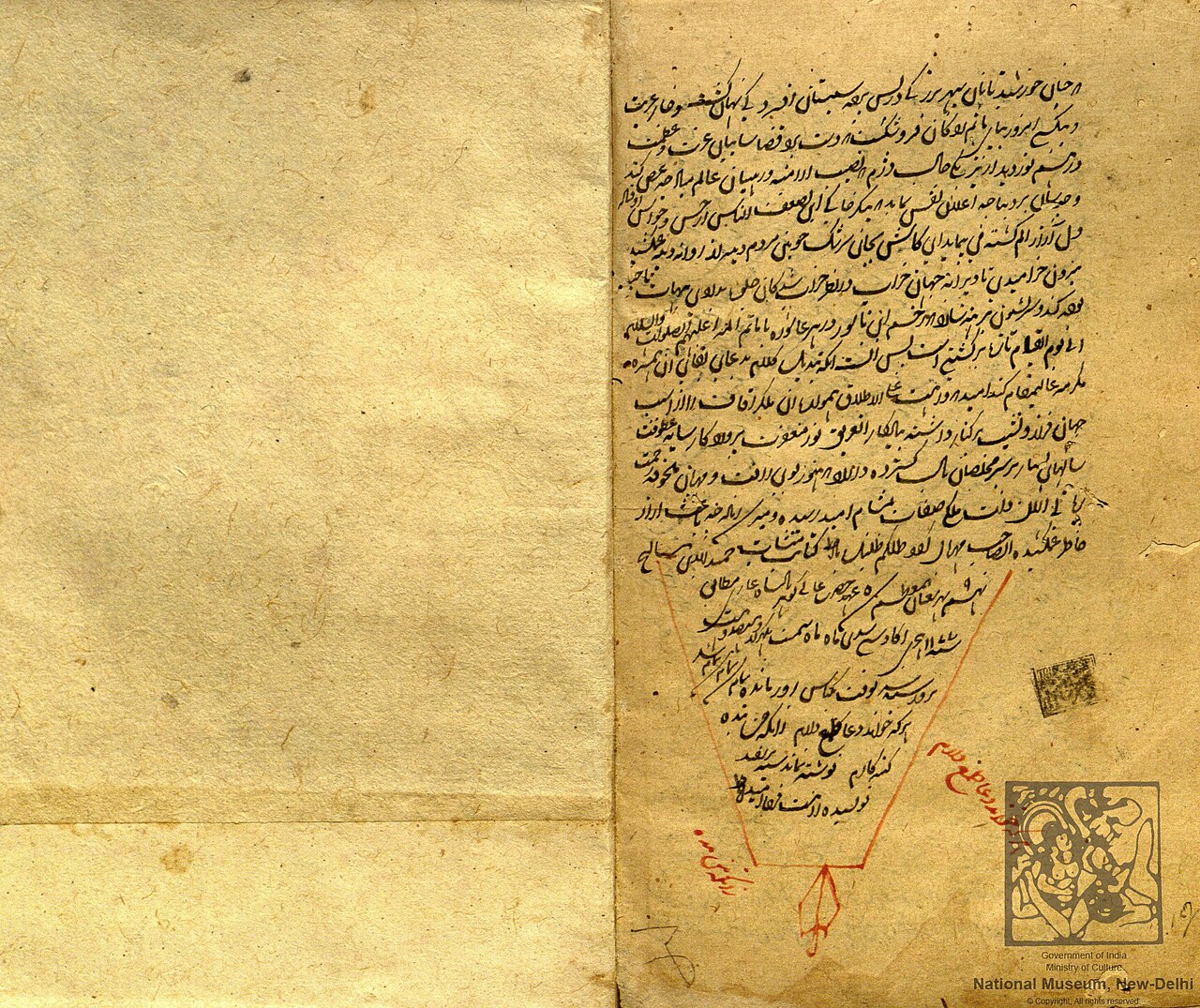
Ruka'at-i-Alamgiri
Aurangzeb · 17th century
 Letter
Primary source
Zafarnamah
Guru Gobind Singh · 1705
Ready when you are
Start chatting with Aurangzeb now.
20 messages free · No credit card · Available in 50+ languages.