


Secondary sourcePaintingc. 1644
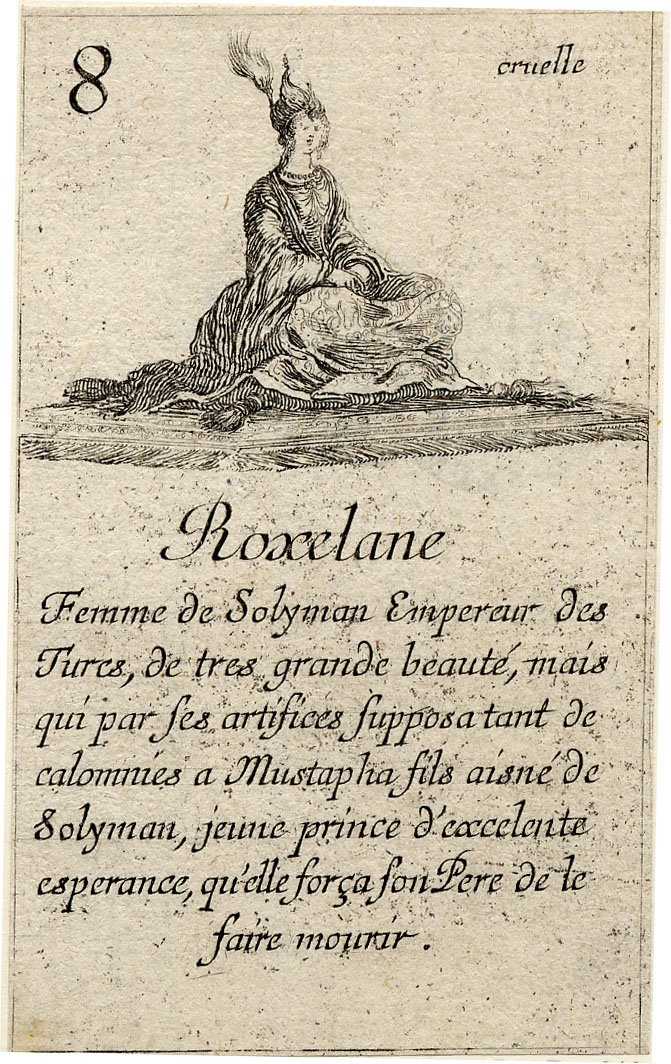
Roxelana, Wife of Suleiman
Stefano della Bella · c. 1644
A 17th-century French print portraying Hürrem Sultan as 'cruel,' showing negative European legends about her.
This French print labels Hürrem Sultan 'cruel,' showing a negative European legend that grew up around her.
About this source
What it is
This etching by Stefano della Bella, made around 1644, is numbered as a playing card and shows a seated woman in a long robe and plumed headdress. Below the image is a French caption beginning 'Wife of Suleiman, emperor of the Turks' and the word 'cruelle' ('cruel') is printed above to the right.
Why it matters
This print shows how, a century after her death, European artists like della Bella used Hürrem Sultan's image to illustrate a game or series about famous or notorious figures, branding her as 'cruel.' It reflects a long European tradition of casting Roxelana as a scheming, dangerous figure, rather than reporting documented facts about her life at the Ottoman court.
Look closer
- Why might a French artist label her 'cruelle' without evidence shown in the image?
- What does using her image on a playing card suggest about her fame in Europe?
- How might this negative label shape the way viewers thought of her?
This painting is part of the curated material that grounds the AI version of Hurrem Sultan on Humy.ai — when students ask about related events, the AI can quote it and cite it.
More Hurrem Sultan sources
Browse all 57 →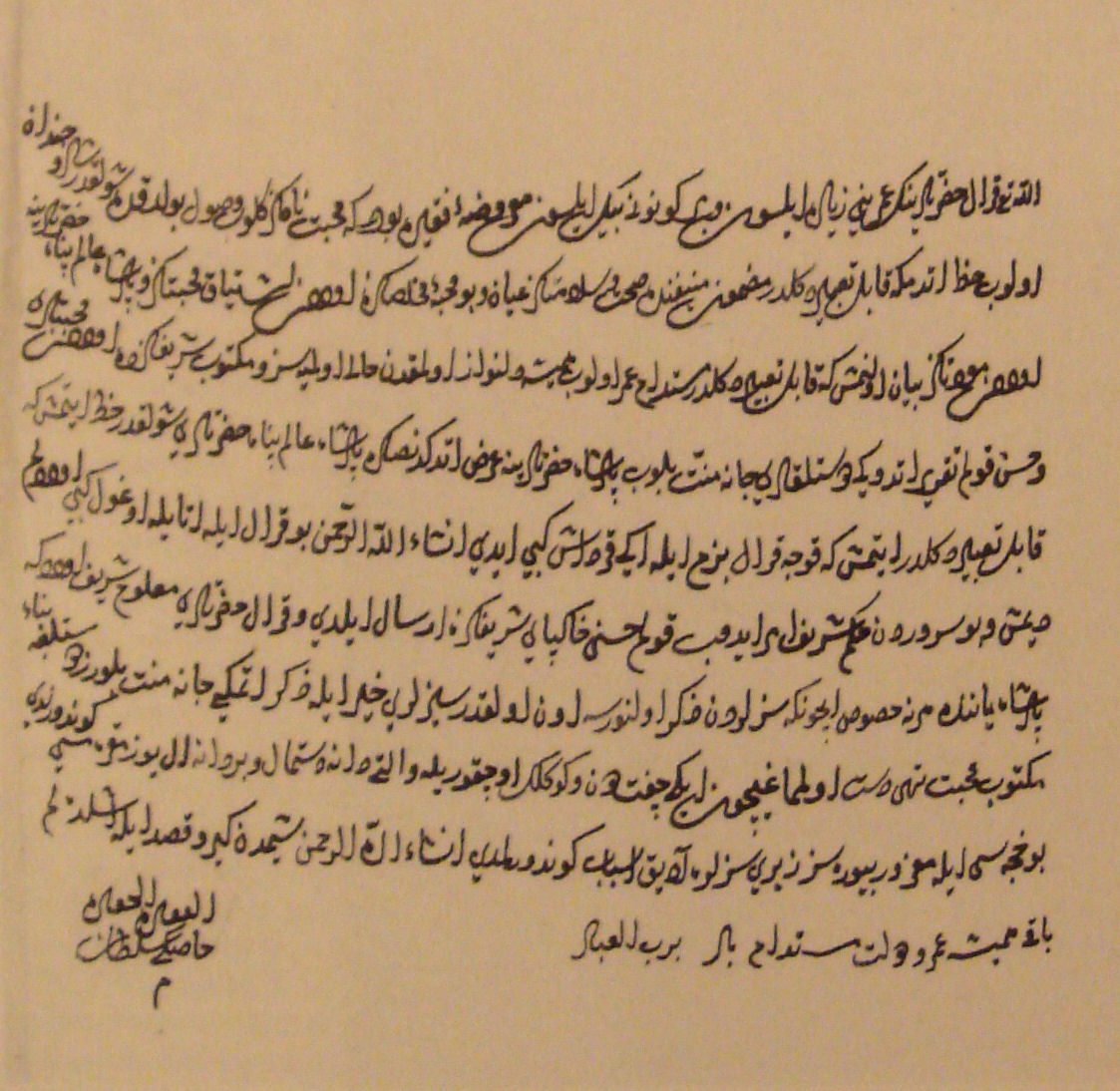 Letter
Primary source
Letter of Roxelane to Sigismund Augustus
Hürrem Sultan · 1549
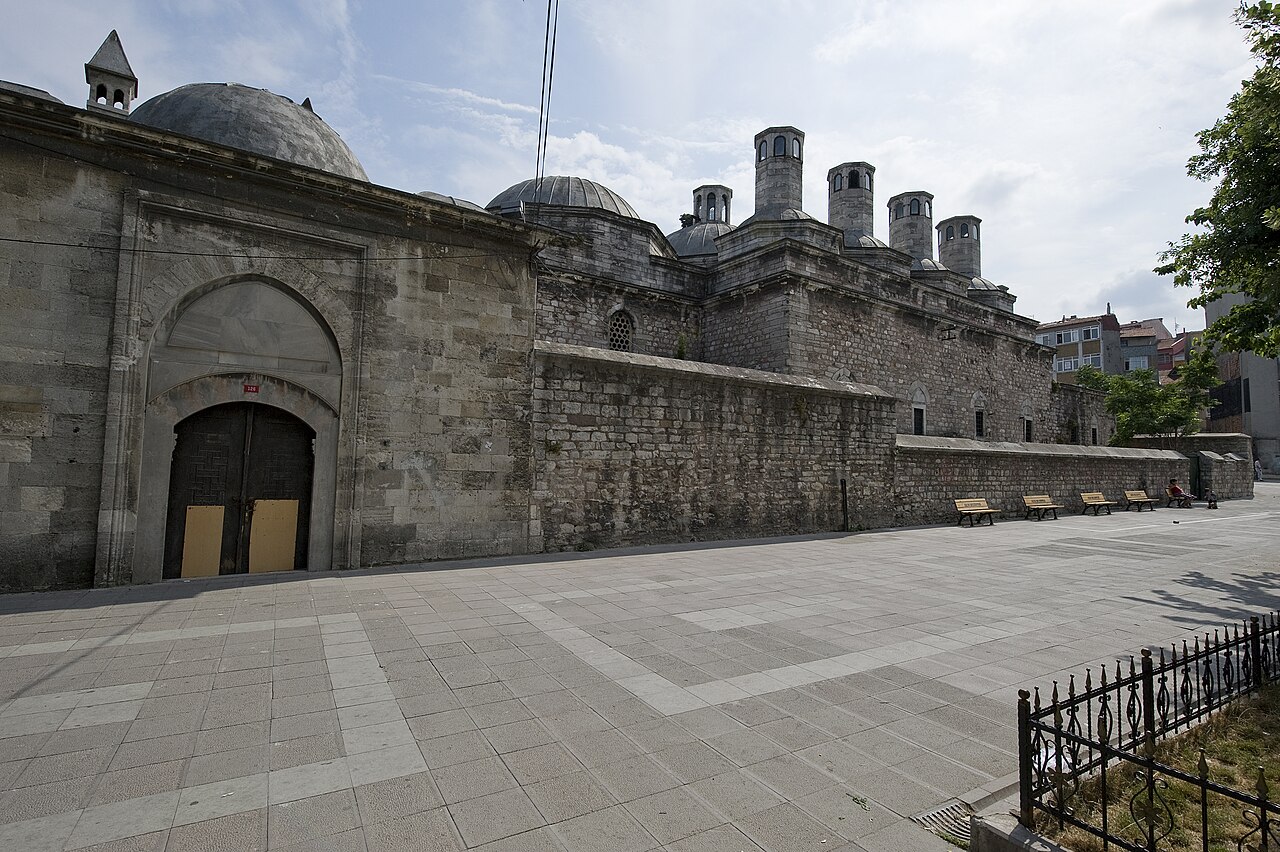 Artifact
Primary source
Haseki Sultan Mosque
Mimar Sinan · 1538
 Artifact
Primary source
Süleymaniye Mosque
Mimar Sinan · 1550-1557
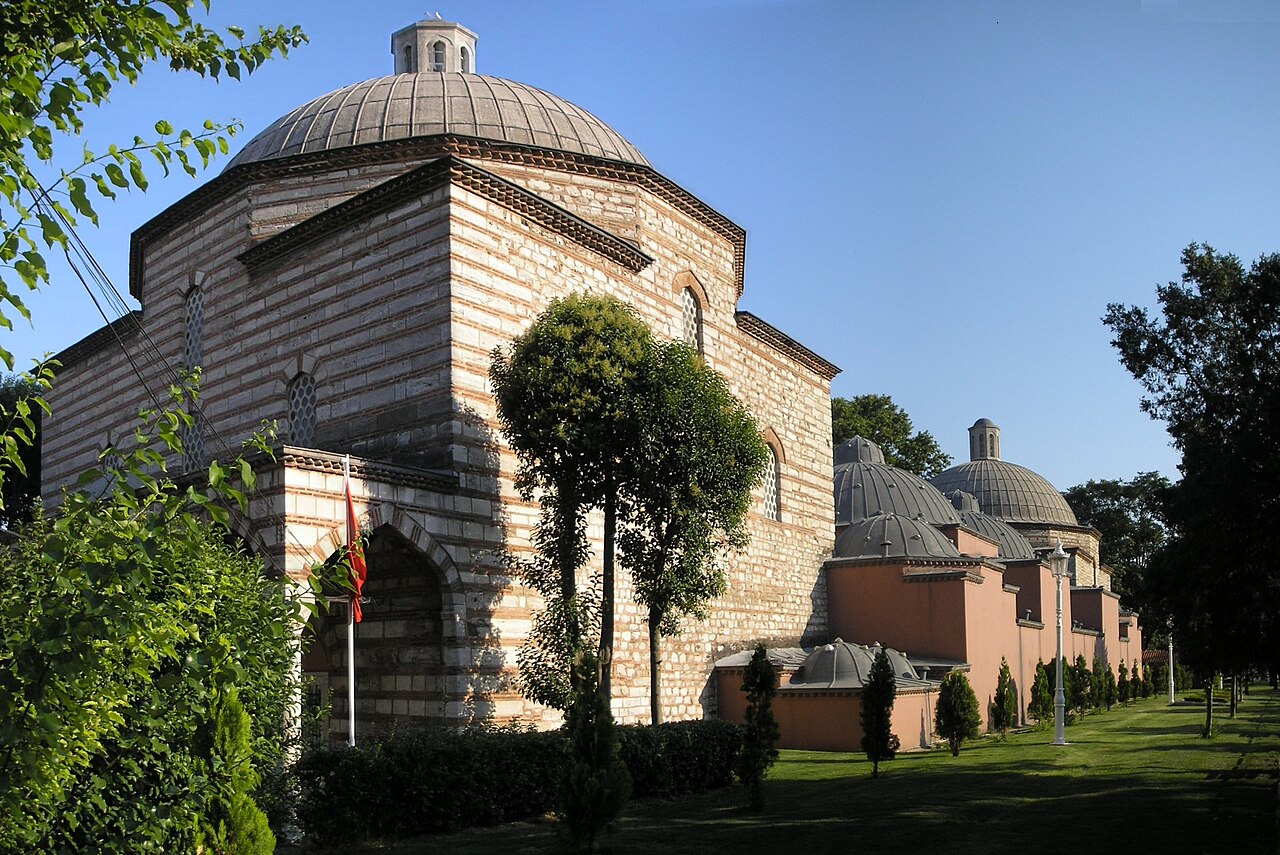 Artifact
Primary source
Haseki Hürrem Sultan Hamamı
Mimar Sinan · 1556
Free account
Read every Hurrem Sultan source
Sign up free →
Ready when you are
Start chatting with Hurrem Sultan now.
20 messages free · No credit card · Available in 50+ languages.