


Secondary sourcePainting1780
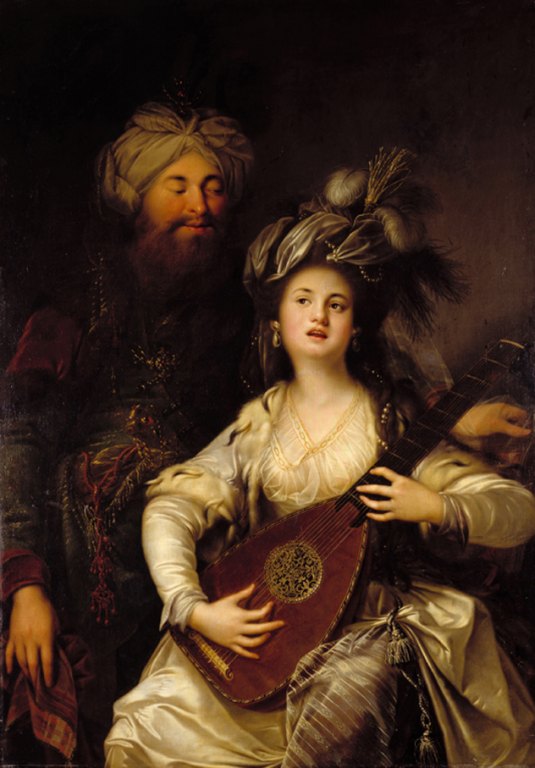
Roxelane and the Sultan
Anton Hickel · 1780
An 18th-century painting imagining Hürrem Sultan singing before Suleiman, reflecting the romantic European myth that grew around her.
A romanticized later European depiction of Hürrem Sultan with Suleiman, showing her legendary status abroad.
About this source
What it is
An oil painting by Anton Hickel, dated 1780, held at the Landesmuseum Mainz. It shows a bearded man in a turban standing behind a young woman in a feathered turban who holds a lute and sings, with a small animal on her lap.
Why it matters
This scene is a product of 18th-century European theatre and Orientalist fantasy, not historical record. 'Roxelane' had become a stock romantic character in European plays and operas, and Hickel's painting shows how far her image had drifted from the real Hürrem Sultan, wife and political partner of Suleiman the Magnificent.
Look closer
- What details in the painting feel invented rather than historical?
- Why do you think Europeans turned her story into music and theatre?
- How might this image differ from how Hürrem Sultan actually lived at court?
This painting is part of the curated material that grounds the AI version of Hurrem Sultan on Humy.ai — when students ask about related events, the AI can quote it and cite it.
More Hurrem Sultan sources
Browse all 57 →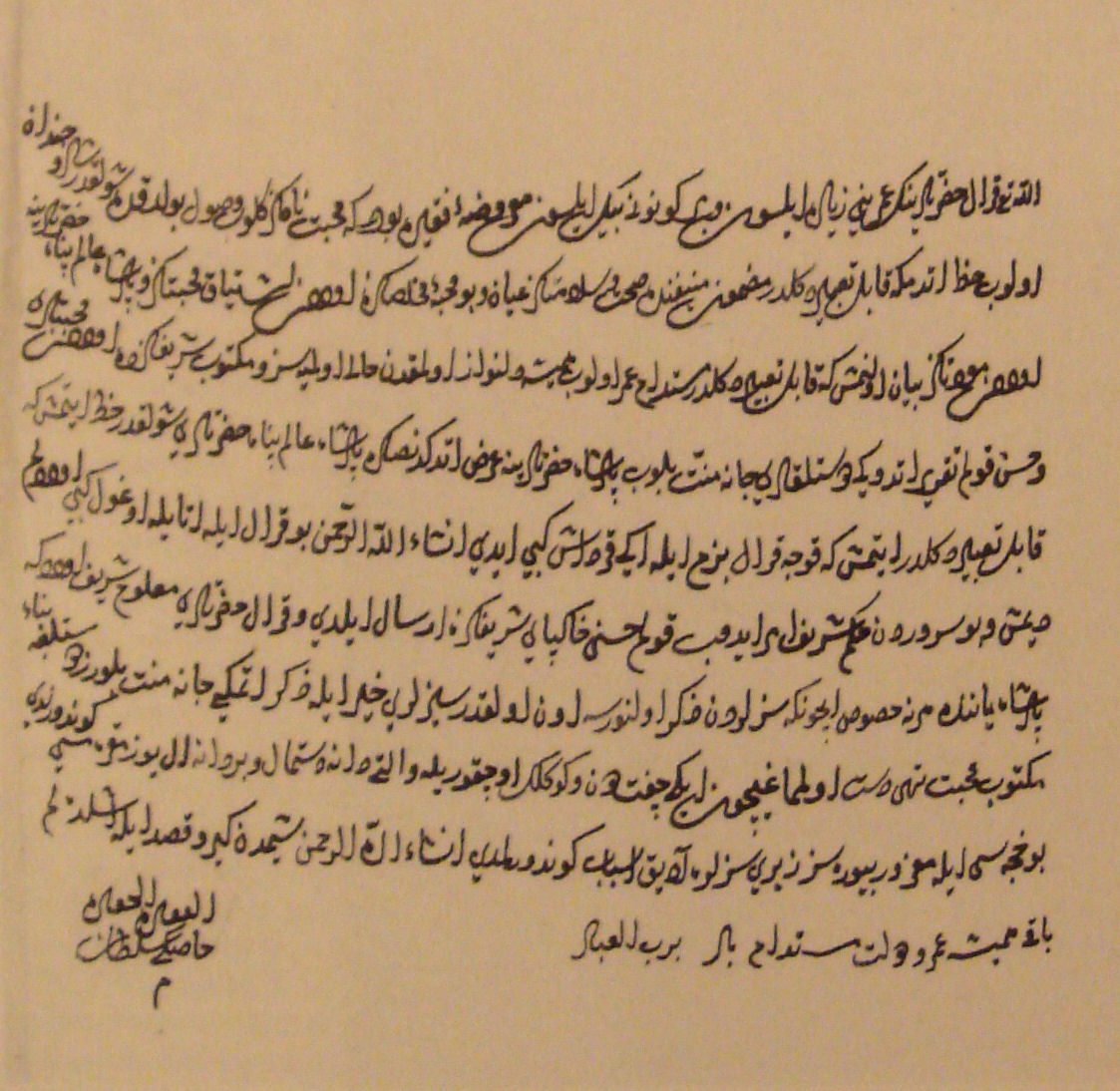 Letter
Primary source
Letter of Roxelane to Sigismund Augustus
Hürrem Sultan · 1549
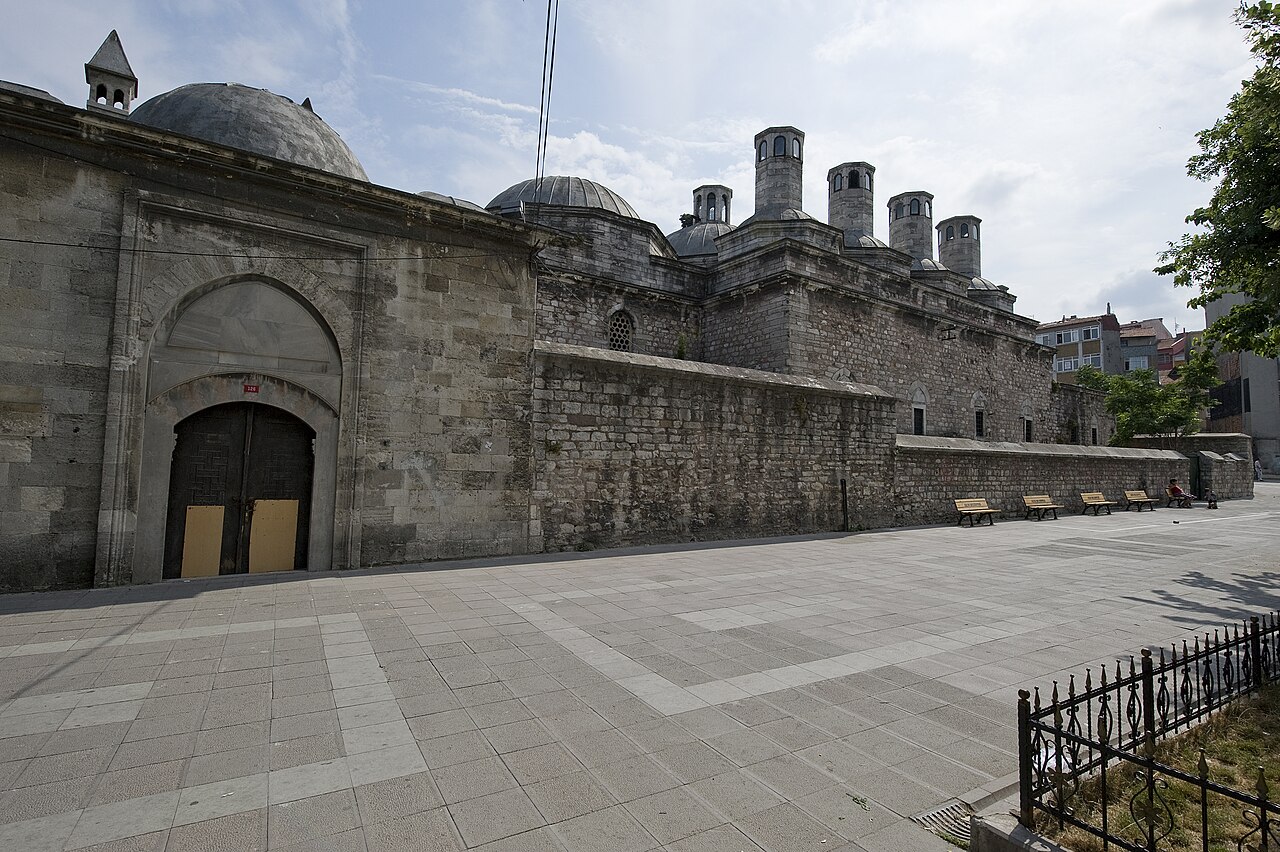 Artifact
Primary source
Haseki Sultan Mosque
Mimar Sinan · 1538
 Artifact
Primary source
Süleymaniye Mosque
Mimar Sinan · 1550-1557
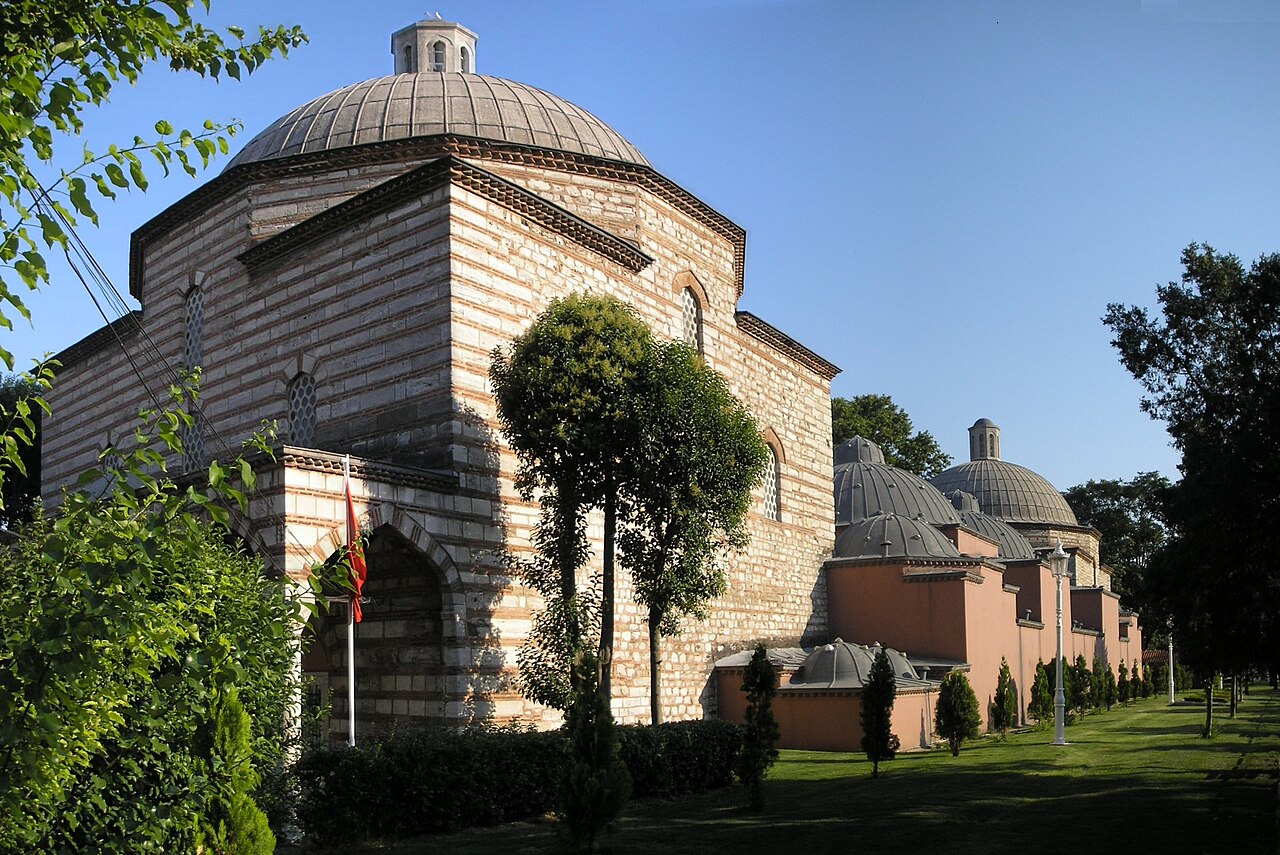 Artifact
Primary source
Haseki Hürrem Sultan Hamamı
Mimar Sinan · 1556
Free account
Read every Hurrem Sultan source
Sign up free →
Ready when you are
Start chatting with Hurrem Sultan now.
20 messages free · No credit card · Available in 50+ languages.