


Primary sourceArtifactc. 1800 BCE
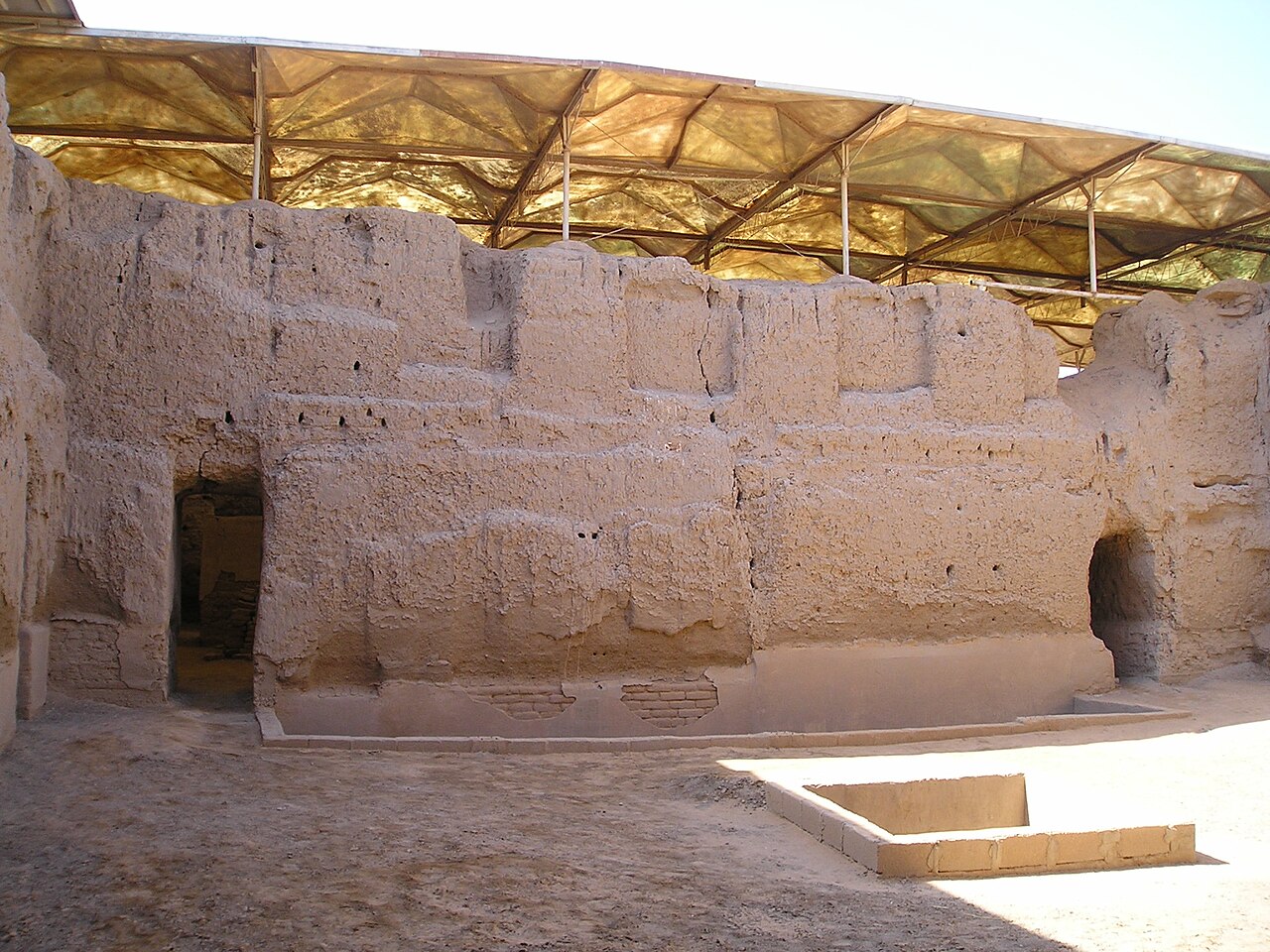
Royal Palace of Mari
c. 1800 BCE
The royal residence of the kings of Mari, destroyed by Hammurabi's armies, whose ruins preserved thousands of clay tablets.
The palace Hammurabi's armies destroyed held the archive of letters that document his diplomacy and campaigns.
About this source
What it is
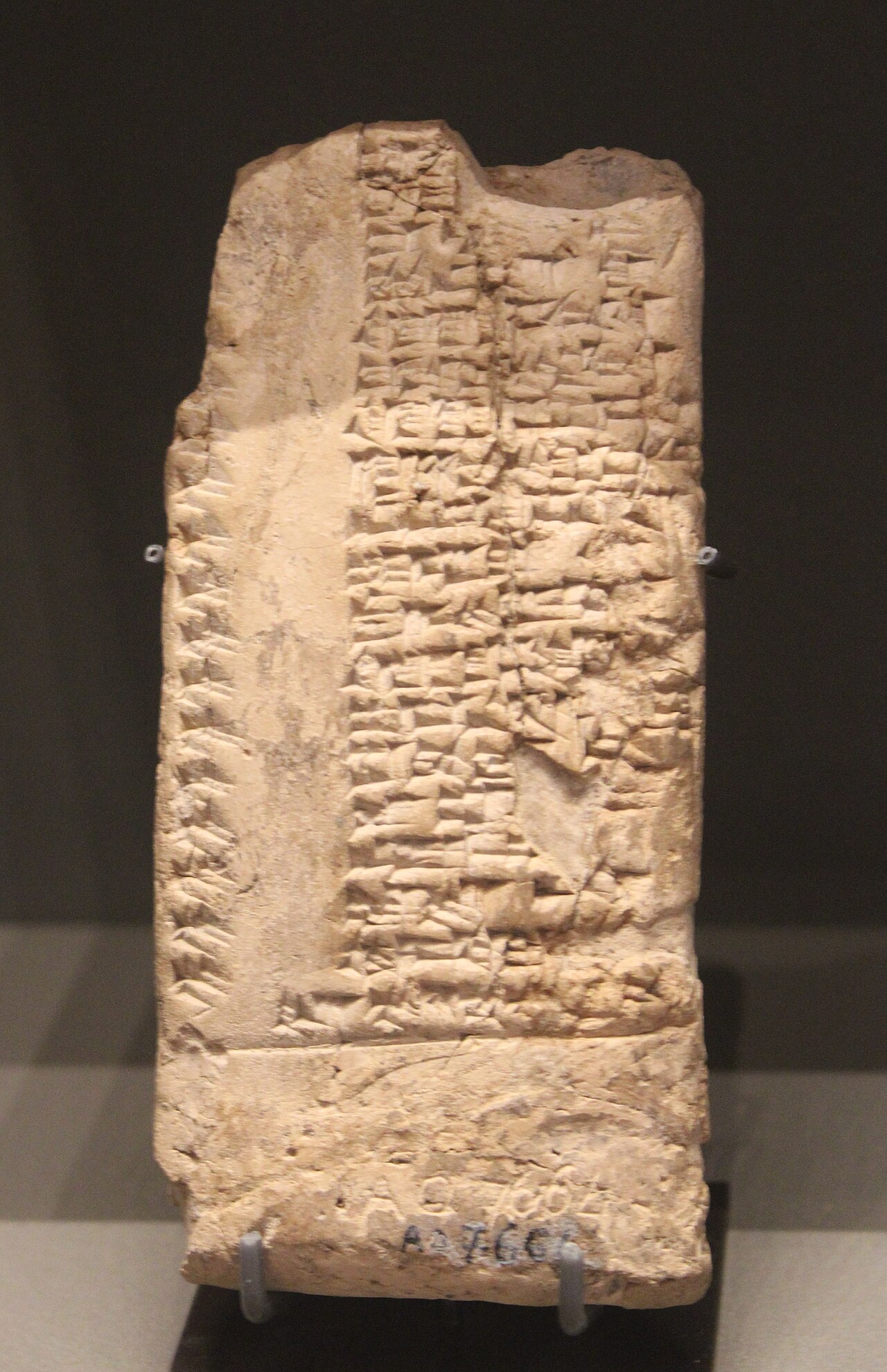
This is the royal palace of the ancient kingdom of Mari in eastern Syria, home to its last king Zimri-Lim. The palace was discovered and excavated in the 1930s by André Parrot, and nearly 25,000 clay tablets were found inside it, studied with help from André Bianquis.
Why it matters
The palace shows how important and wealthy Mari was before it fell. Its archive of letters recorded diplomacy and warfare of the region, including dealings with Hammurabi of Babylon, whose forces eventually destroyed the city. The ruins and tablets together let historians reconstruct daily life and politics of the time.
Look closer
- Why would a king keep thousands of written records in his palace?
- What does the size of the palace tell us about Mari's importance?
- What might be missing from the archaeological record after the palace's destruction?
This artifact is part of the curated material that grounds the AI version of Hammurabi on Humy.ai — when students ask about related events, the AI can quote it and cite it.
More Hammurabi sources
Meet the AI Hammurabi →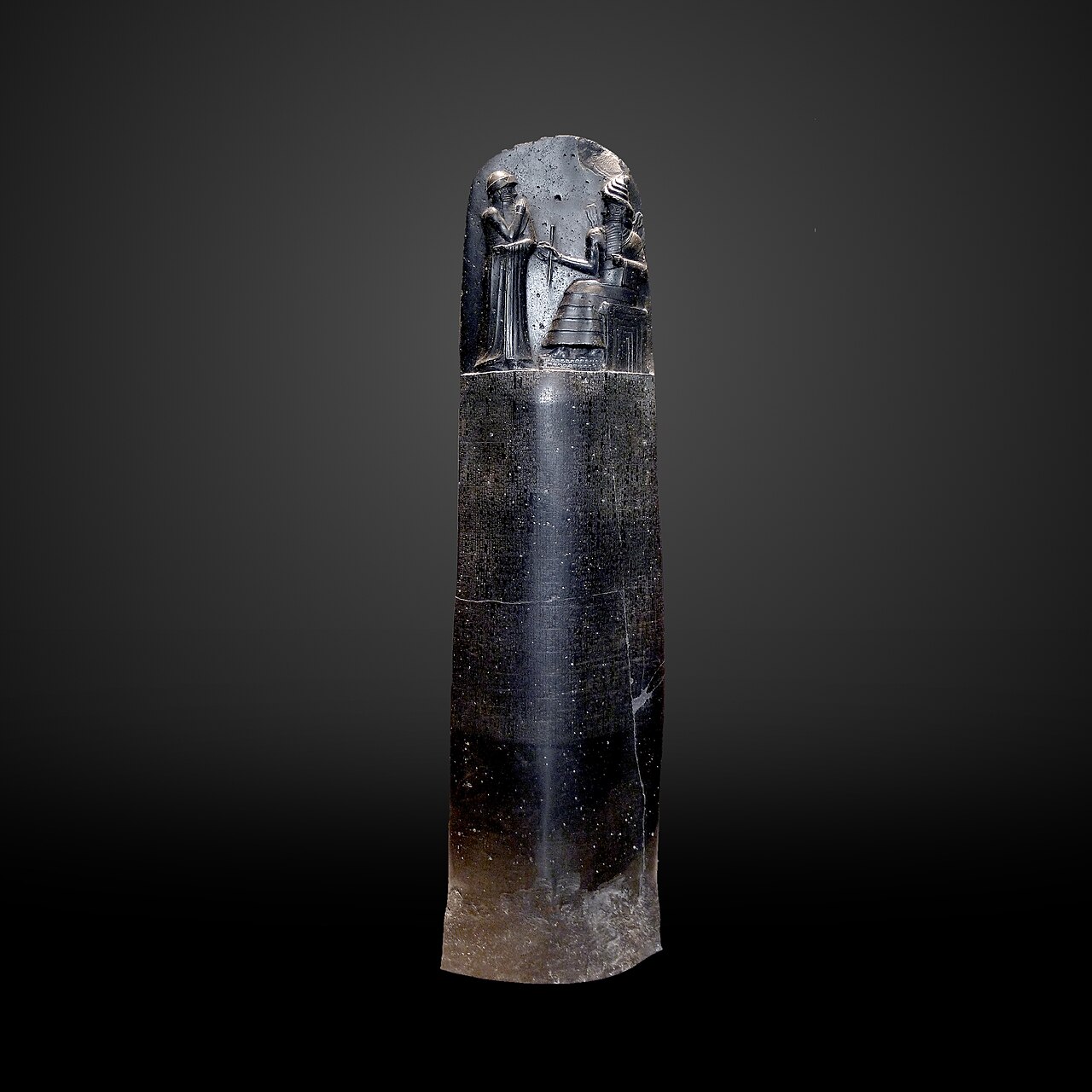 Document
Primary source
Code of Hammurabi
Hammurabi · c. 1753 BCE
 Sculpture
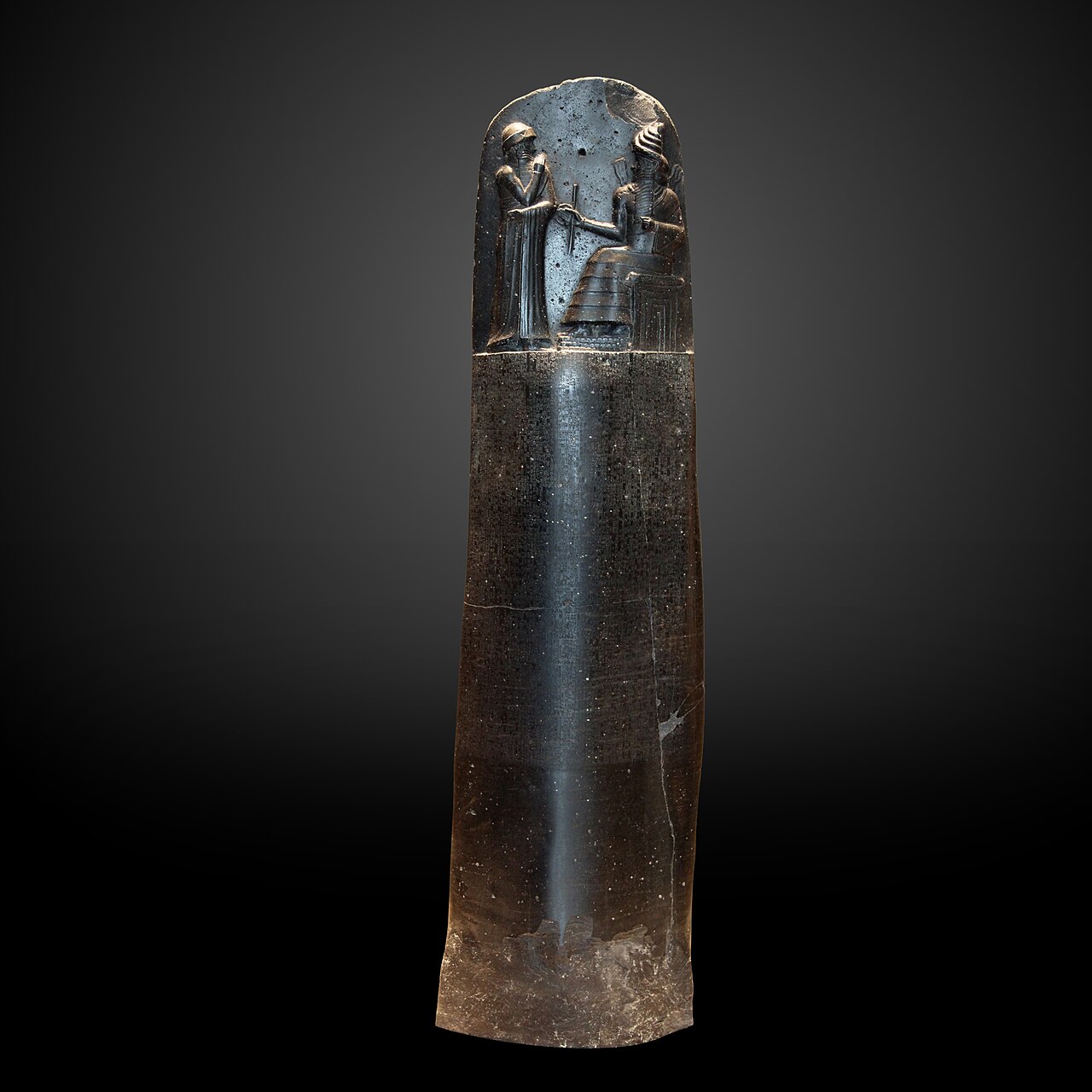
Primary source
Stele with the Code of Hammurabi
Hammurabi · c. 1792 BCE
 Letter
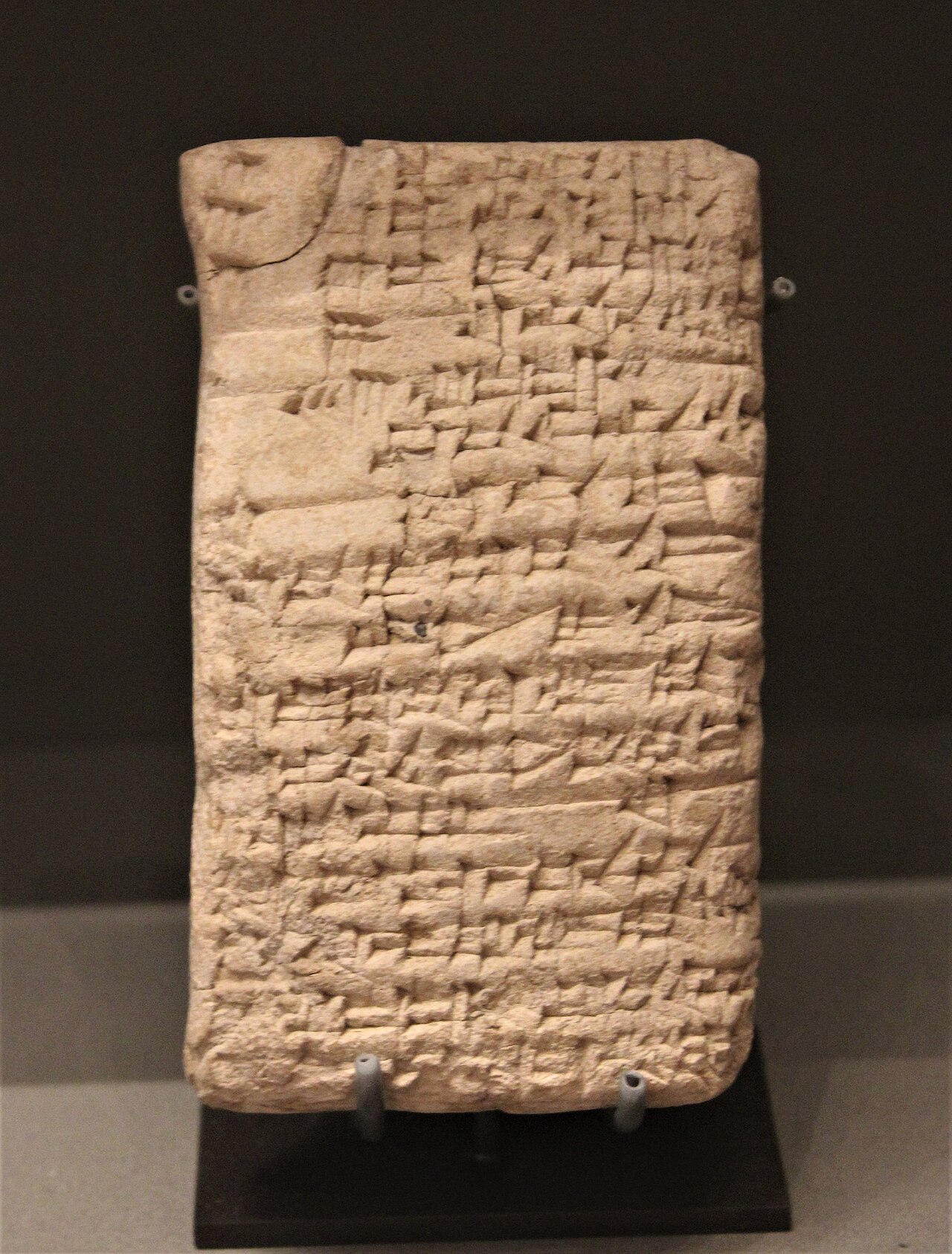
Primary source
Letter from Hammurabi to Sîn-iddinam
Hammurabi · c. 1792-1750 BCE
 Document
Primary source
List of the year-names of Hammurabi's reign
Old Babylonian period, reign of Hammurabi (c. 1792-1750 BCE)
 Document
Secondary source
Chronicle of Early Kings
Babylonian scribes · c. 6th century BCE copy
Ready when you are
Start chatting with Hammurabi now.
20 messages free · No credit card · Available in 50+ languages.