


Primary sourceArtifact9th century
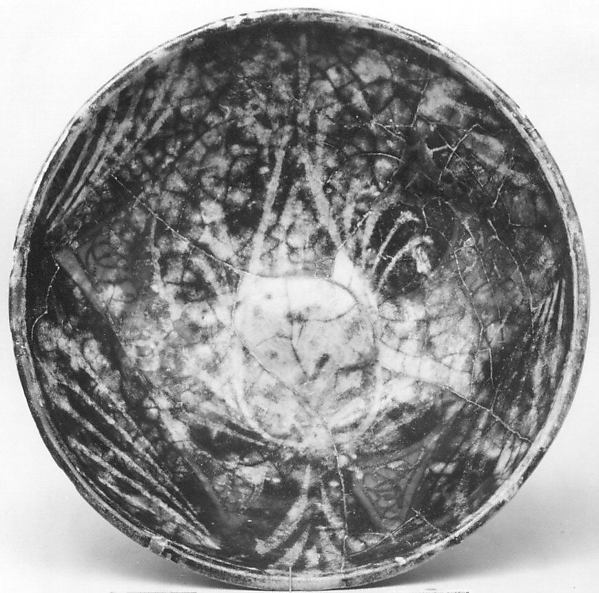
Ruby Luster Bowl with Large Palmette
9th century
A ninth-century glazed earthenware bowl from the early Abbasid world, the same era and region in which Farabi lived.
This bowl provides background on the Abbasid-era material culture surrounding Farabi, though it has no direct link to him.
About this source
What it is
This is a shallow earthenware bowl, glazed and painted with polychrome luster decoration, made in the ninth century. It is held today at The Metropolitan Museum of Art.
Why it matters
The bowl was made in the same century as the early Abbasid world into which Farabi was born. While it has no direct connection to Farabi himself, it offers a look at the fine decorative arts, craftsmanship, and daily material culture of the civilization he lived and worked in.
Look closer
- What does the quality of the glaze and painting suggest about the skill of craftspeople in this period?
- How might an object like this have been used, and by whom?
- What does this bowl NOT tell us about Farabi's life, even though it comes from his era?
This artifact is part of the curated material that grounds the AI version of Al-Farabi on Humy.ai — when students ask about related events, the AI can quote it and cite it.
More Al-Farabi sources
Meet the AI Al-Farabi →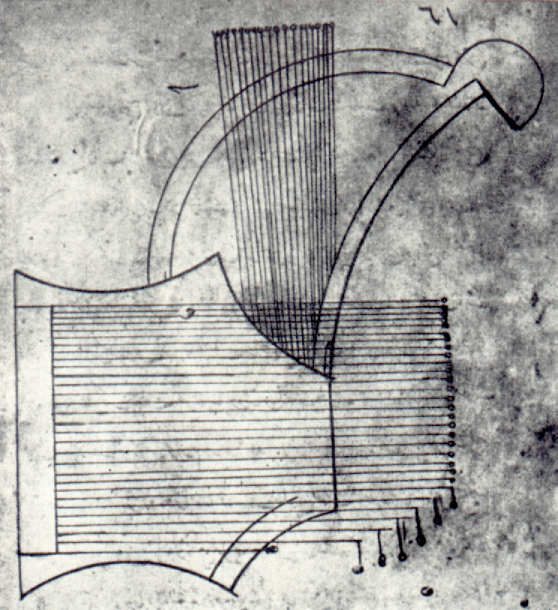 Book
Primary source
Kitab al-Musiqa al-Kabir
Farabi · 10th century
 Artifact
Primary source
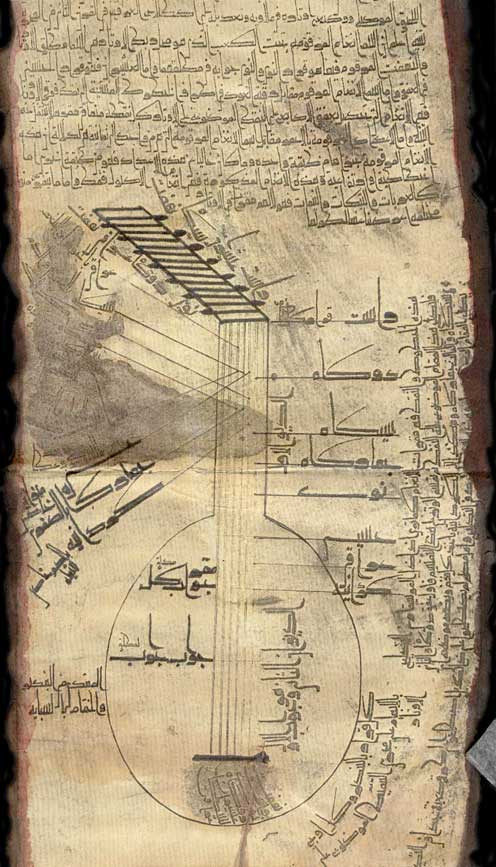
Lute Diagram with Seven Courses
Farabi · 10th century
 Book
Primary source
On the Scope of Aristotle's Metaphysics
Farabi · 10th century
 Book
Primary source
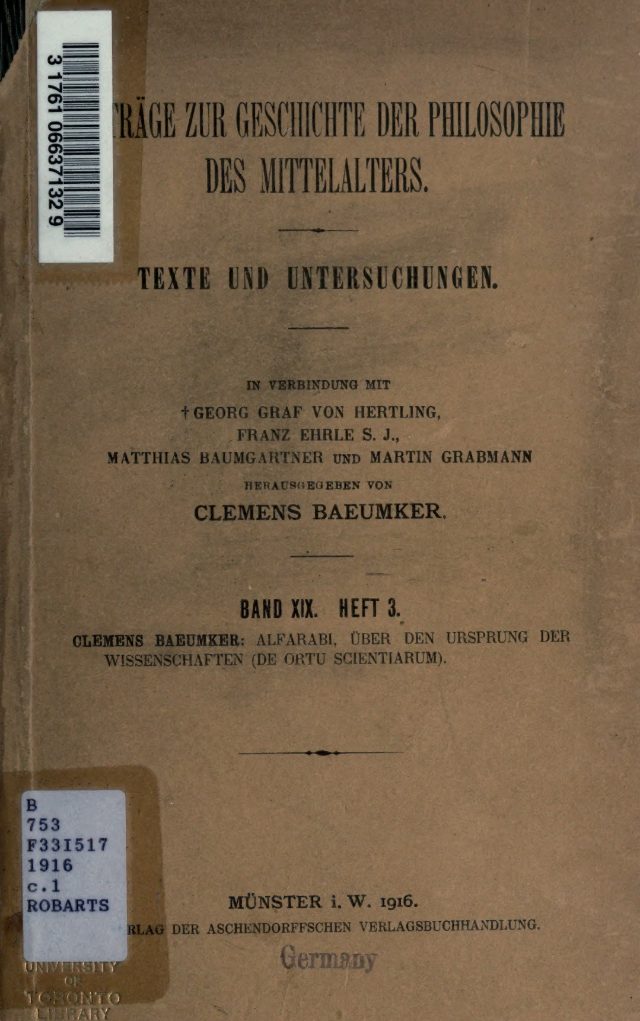
Über den Ursprung der Wissenschaften
Farabi · 1916 (edition of the original treatise)
PaintingPrimary source
Drawing of the Shahrud from the Great Book of Music
Farabi · 10th century
Ready when you are
Start chatting with Al-Farabi now.
20 messages free · No credit card · Available in 50+ languages.