


Secondary sourcePainting1645
Saint Augustine
Philippe de Champaigne · 1645
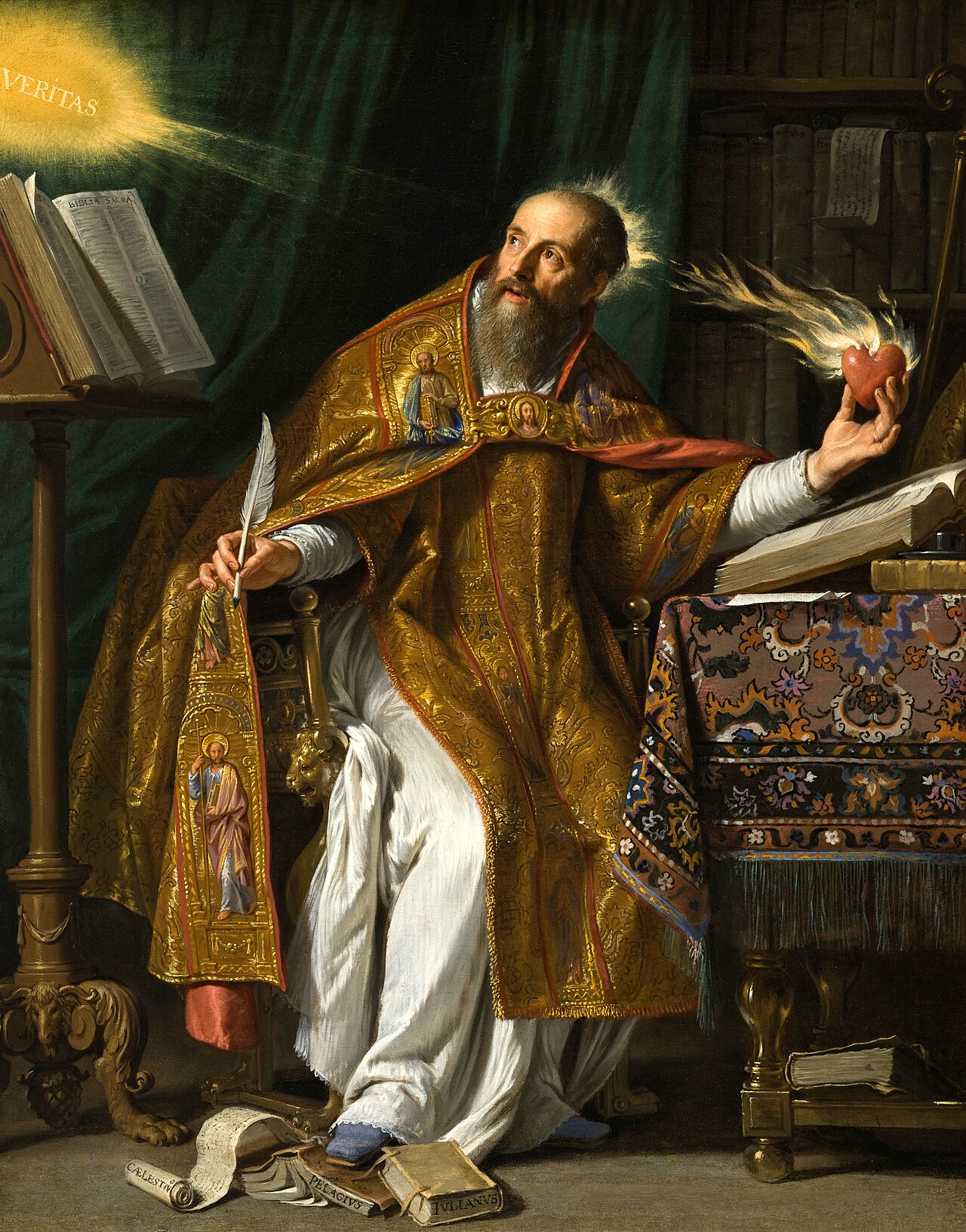
A 1645 painting by Philippe de Champaigne showing Augustine holding a flaming heart amid scrolls naming his theological opponents Pelagius and Julianus.
Uses Augustine's authority on grace and free will to intervene in 17th-century Jansenist theological debates.
About this source
What it is
This painting was made by Philippe de Champaigne in 1645. It shows Augustine seated at a desk with books, gazing upward and holding a flaming heart, surrounded by scrolls labeled with the names of Pelagius and Julianus and a glowing sun marked 'VERITAS' (truth). The painting is held at the Los Angeles County Museum of Art.
Why it matters
Painted during the Jansenist controversy in France, this image uses Augustine's authority in debates over grace and free will. The scrolls referring to Pelagius and Julianus—theologians Augustine argued against—connect the painting directly to disputes that shaped Christian doctrine for centuries after his death.
Look closer
- Why might the artist have included the names of Augustine's theological opponents in the painting?
- What might the flaming heart symbolize about Augustine's beliefs?
- How does this 17th-century painting use Augustine to make a point about debates happening in the artist's own time?
This painting is part of the curated material that grounds the AI version of Saint Augustine on Humy.ai — when students ask about related events, the AI can quote it and cite it.
More Saint Augustine sources
Browse all 86 →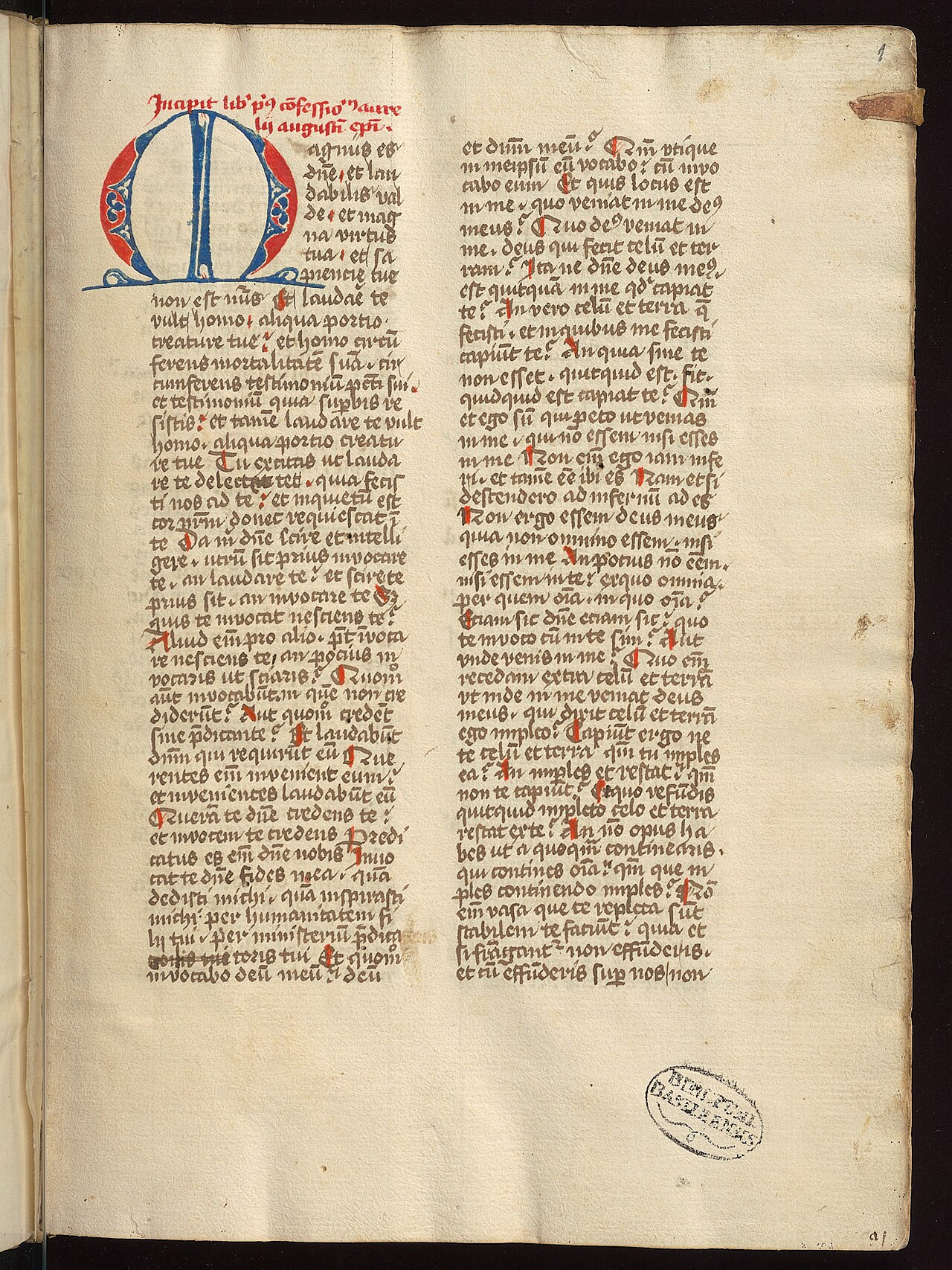 Book
Primary source
Confessions
Augustine of Hippo · AD 397-400
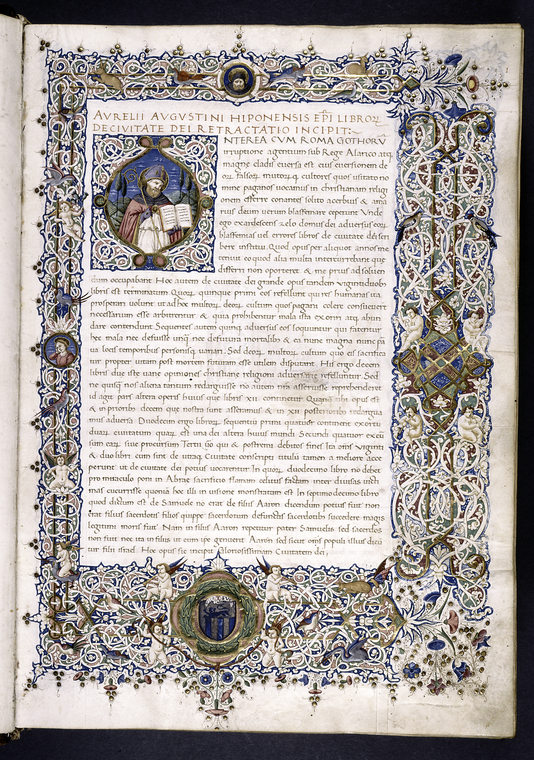 Book
Primary source
The City of God
Augustine of Hippo · early 5th century AD
Primary source
Sermons of Augustine of Hippo
Augustine of Hippo
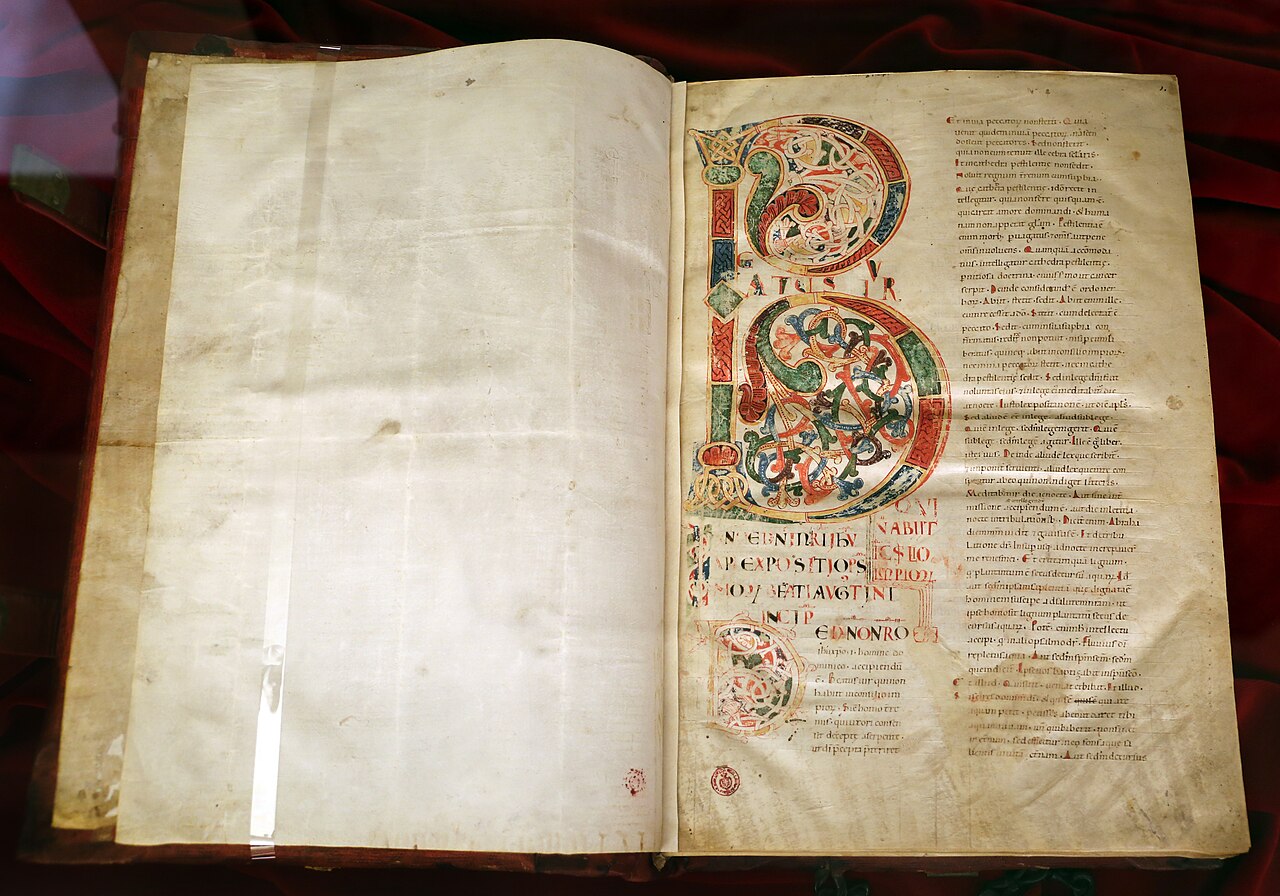
Primary source
De libero arbitrio
Augustine of Hippo · 388-395 AD
Free account
Read every Saint Augustine source
Sign up free →
Ready when you are
Start chatting with Saint Augustine now.
20 messages free · No credit card · Available in 50+ languages.