


Primary sourcePaintingc. 1593
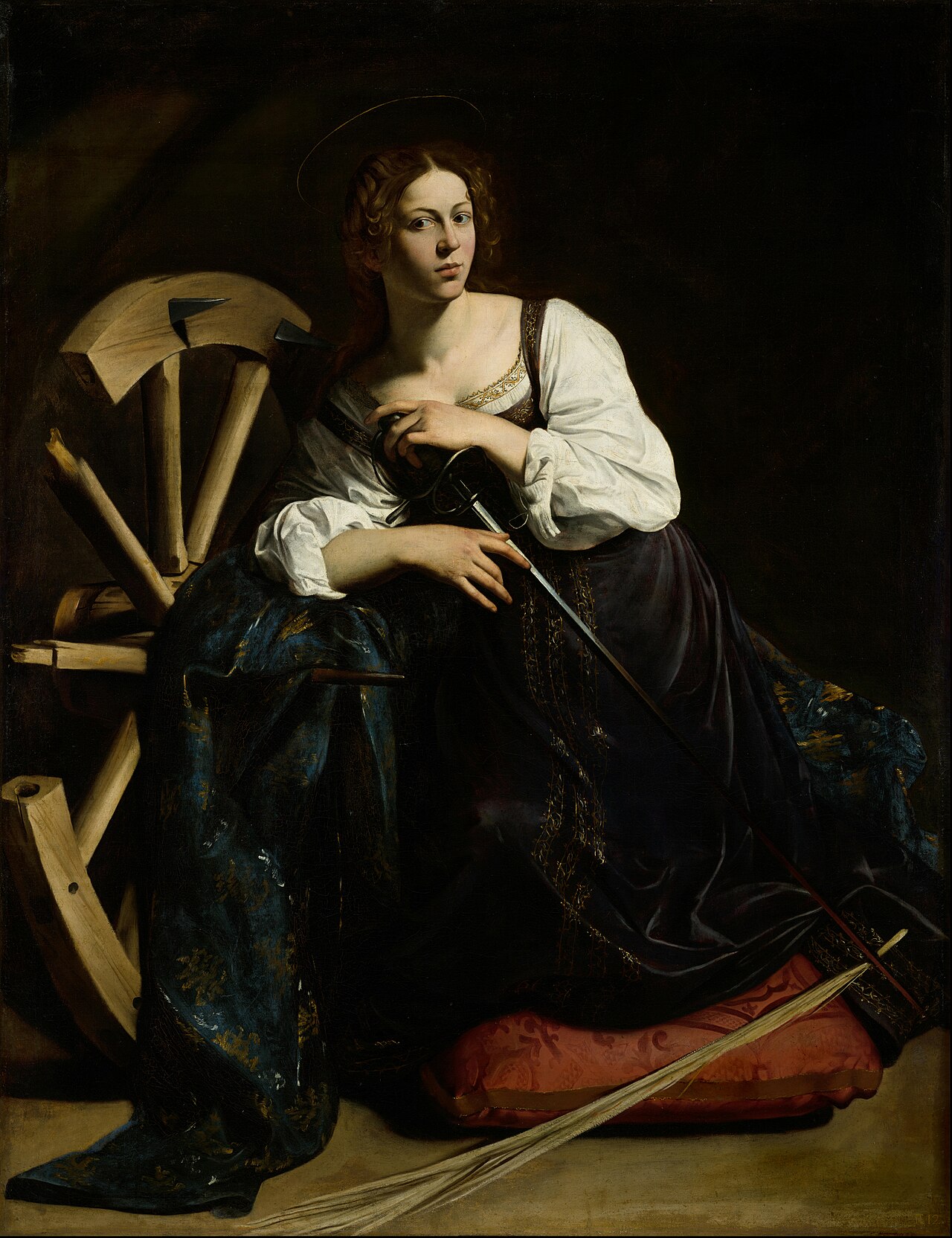
Saint Catherine of Alexandria
Caravaggio · c. 1593
An early religious painting by Caravaggio using a known Roman courtesan as the model for a Christian martyr.
This early religious painting shows Caravaggio's controversial practice of using real Roman models, here a courtesan, for sacred figures.
About this source
What it is
This oil painting was made by Caravaggio around 1593 while he was living with his patron, Cardinal Francesco Maria del Monte, and is now held at the Thyssen-Bornemisza Museum in Madrid.
Why it matters
The painting depicts Saint Catherine of Alexandria, a legendary early Christian martyr associated with wisdom and learning. Caravaggio controversially used Fillide Melandroni, a well-known Roman courtesan, as his model, something that reflected his broader practice of basing sacred figures on real people from Roman street life. This painting shows his early shift from genre scenes toward religious subjects, done under the encouragement of his cardinal patron.
Look closer
- Why might using a known courtesan as a model for a saint have been considered controversial?
- What symbols in the painting identify the figure as Saint Catherine?
- How does Caravaggio's choice of a real model change the way the sacred subject feels to a viewer?
This painting is part of the curated material that grounds the AI version of Caravaggio on Humy.ai — when students ask about related events, the AI can quote it and cite it.
More Caravaggio sources
Browse all 90 →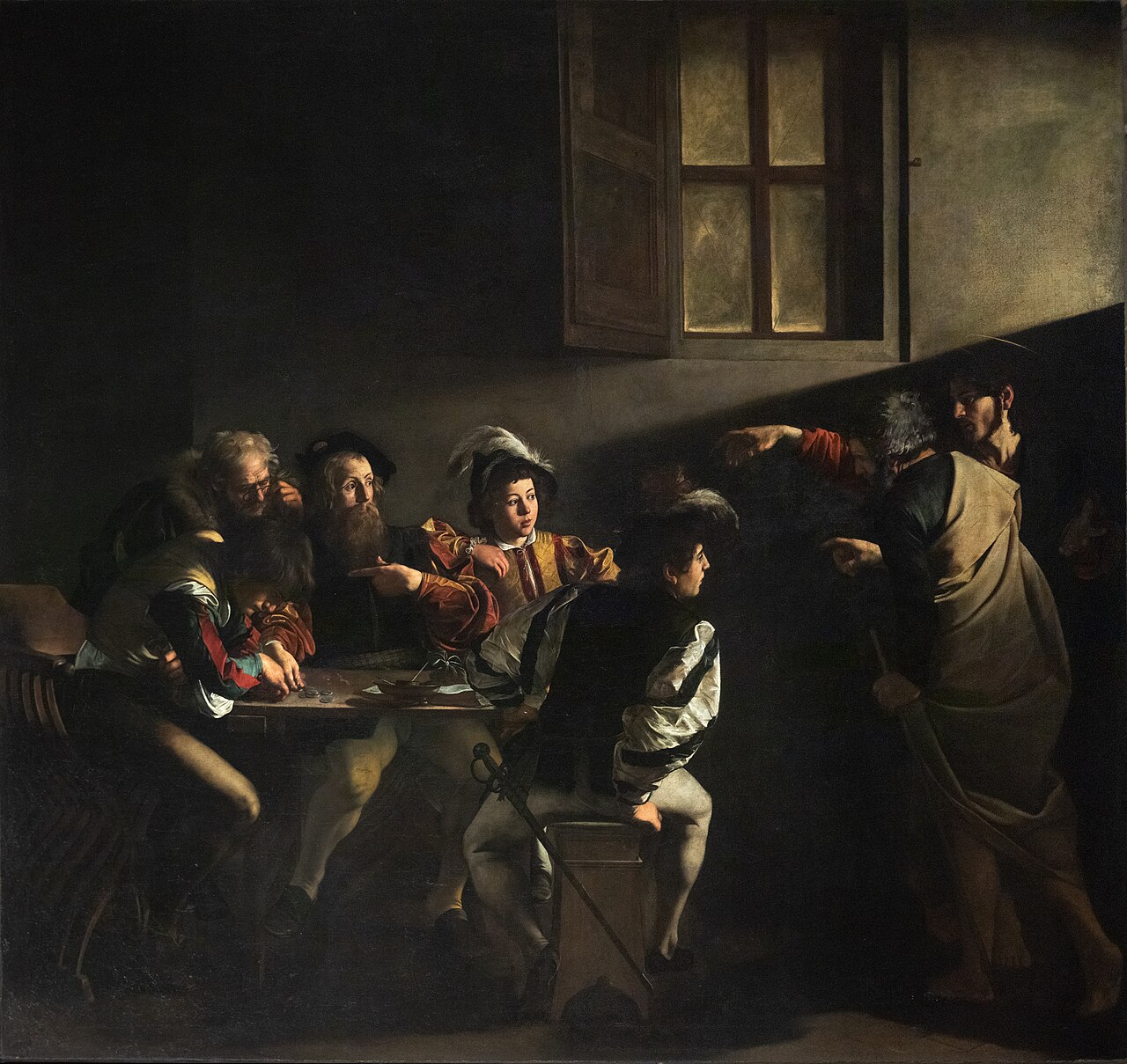 Painting
Secondary source
The Calling of Saint Matthew
Caravaggio · 1599–1600
 Artifact
Primary source
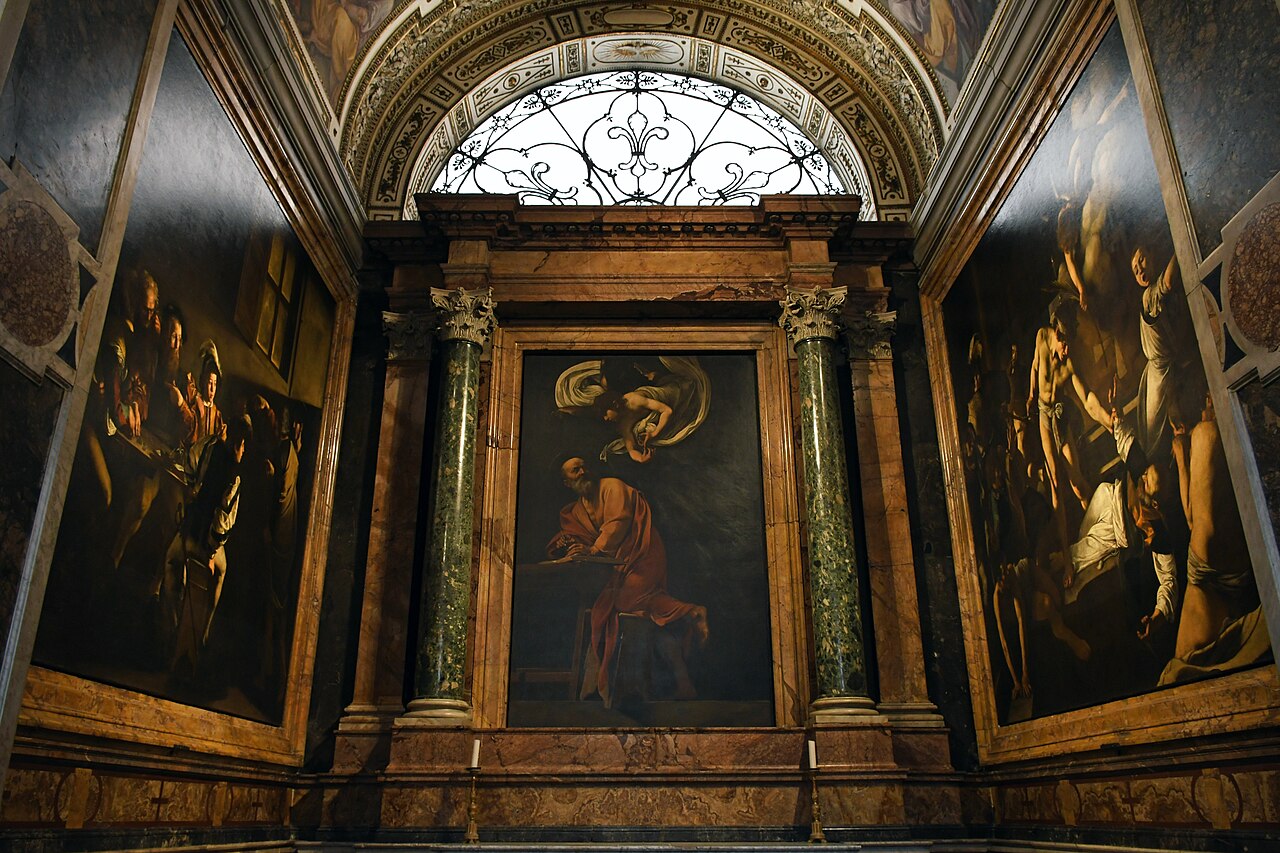
Contarelli Chapel
Caravaggio · 1600
 Painting
Secondary source
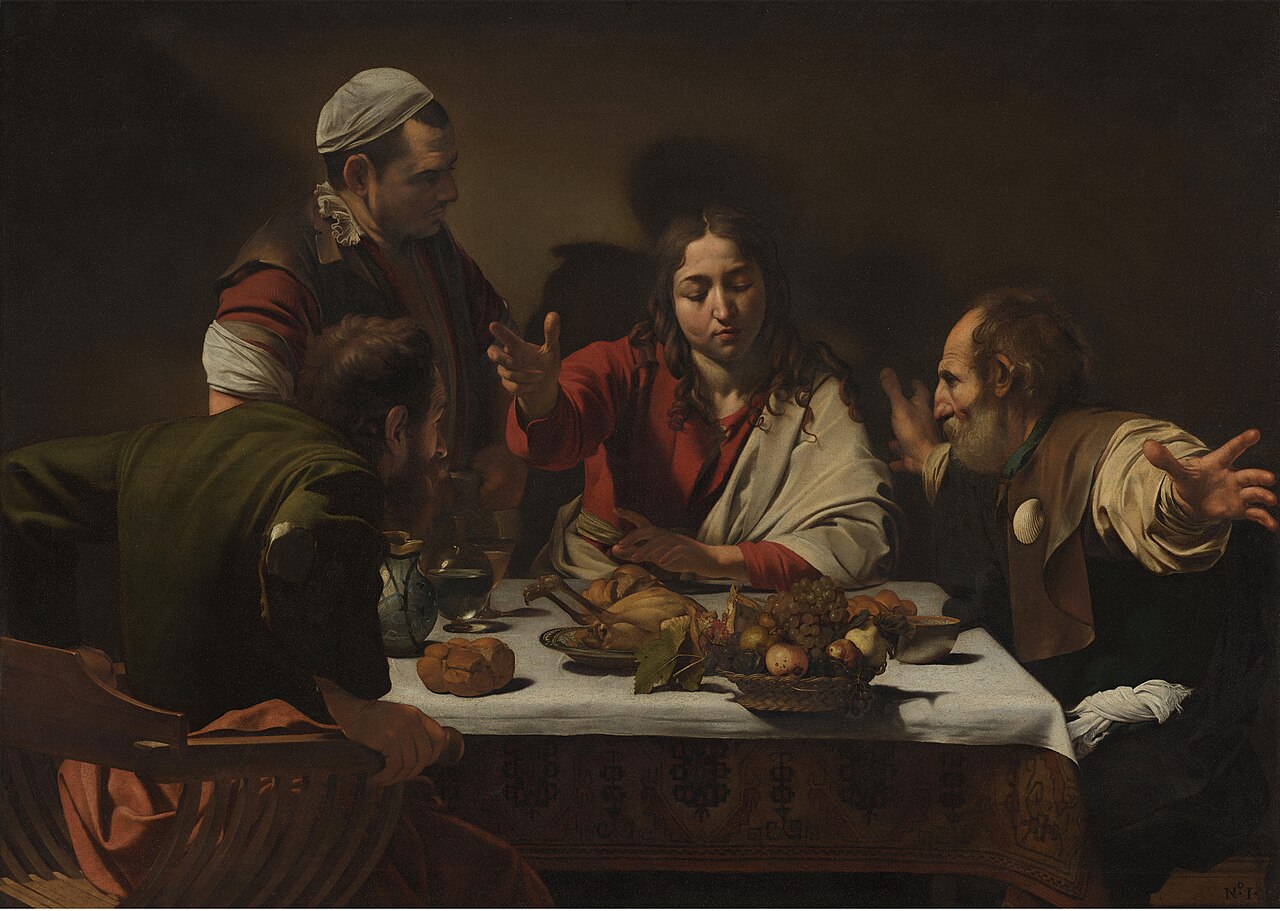
Supper at Emmaus
Caravaggio · 1601
 Painting
Secondary source
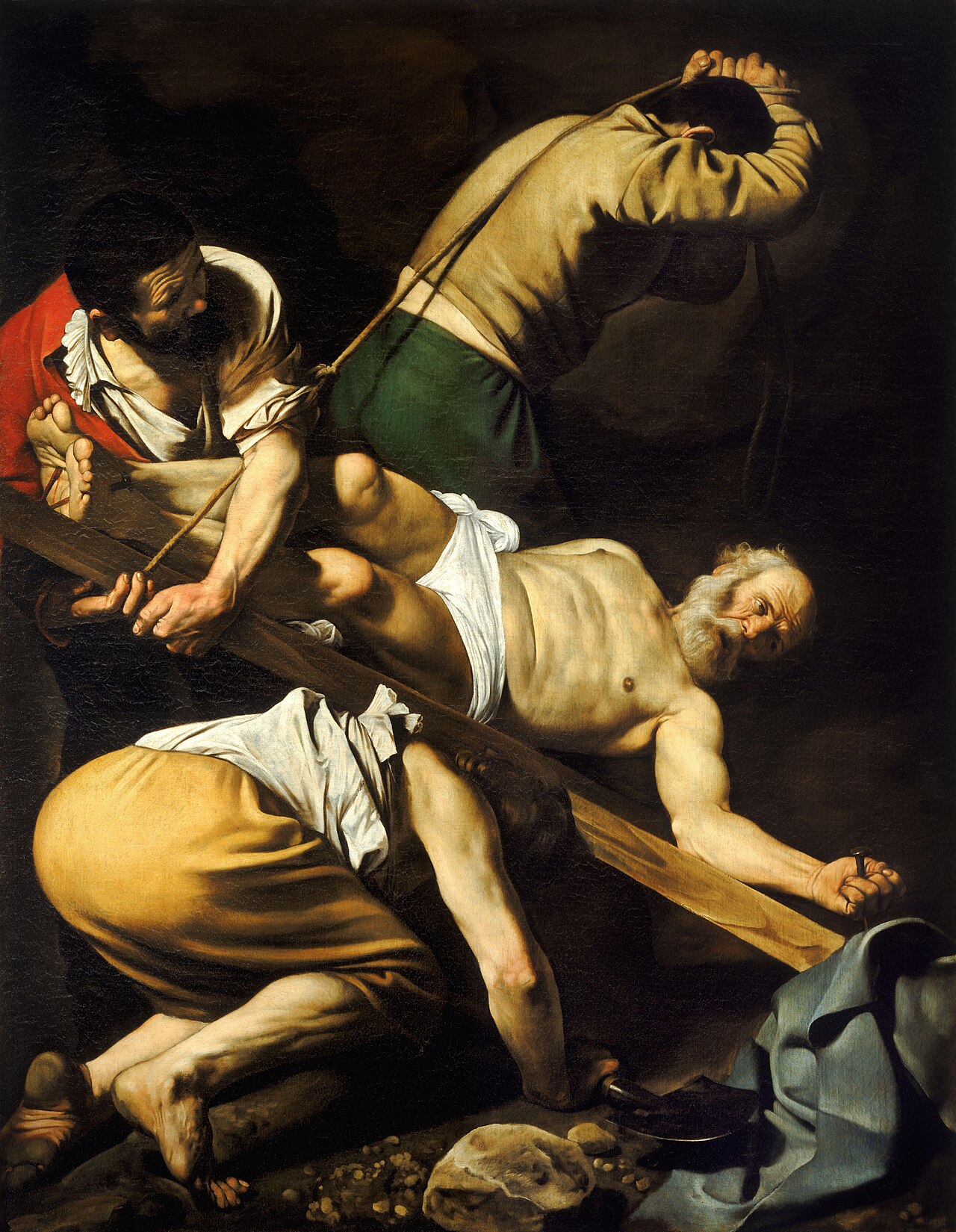
Crucifixion of Saint Peter
Caravaggio · 1600-1601
Free account
Read every Caravaggio source
Sign up free →
Ready when you are
Start chatting with Caravaggio now.
20 messages free · No credit card · Available in 50+ languages.