


Primary sourcePaintingbetween 1573 and 1610
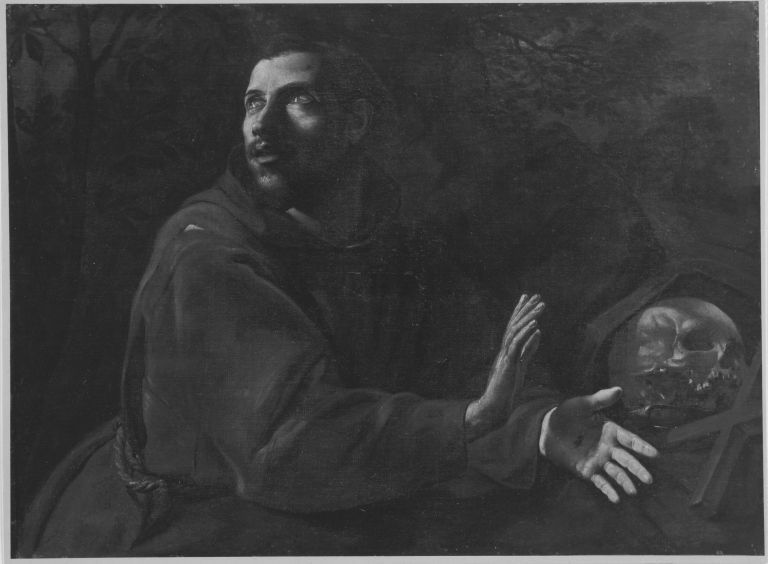
Saint Francis in Ecstasy
Caravaggio · between 1573 and 1610
A painting attributed to Caravaggio showing a friar in religious ecstasy, gazing upward beside a skull and cross.
This painting is attributed to Caravaggio, reflecting his frequent depiction of intense religious experience.
About this source
What it is
This painting is attributed to Caravaggio and dated broadly to sometime within his lifetime, between 1573 and 1610. It survives as a black-and-white photograph showing a bearded friar in a brown hooded habit, looking upward with one hand raised, near a skull and wooden cross against a dark wooded setting.
Why it matters
The subject, a friar in a state of spiritual ecstasy with symbols of mortality like the skull, reflects the intense religious themes common in art of Caravaggio's time. If genuinely by Caravaggio, it would connect to his broader interest in dramatic, emotionally charged religious scenes.
Look closer
- What does the friar's pose and expression suggest about his inner experience?
- Why might a skull and cross be included in this scene?
- What can and can't we learn about the painting's original colours and details from only a black-and-white photograph?
This painting is part of the curated material that grounds the AI version of Caravaggio on Humy.ai — when students ask about related events, the AI can quote it and cite it.
More Caravaggio sources
Browse all 90 →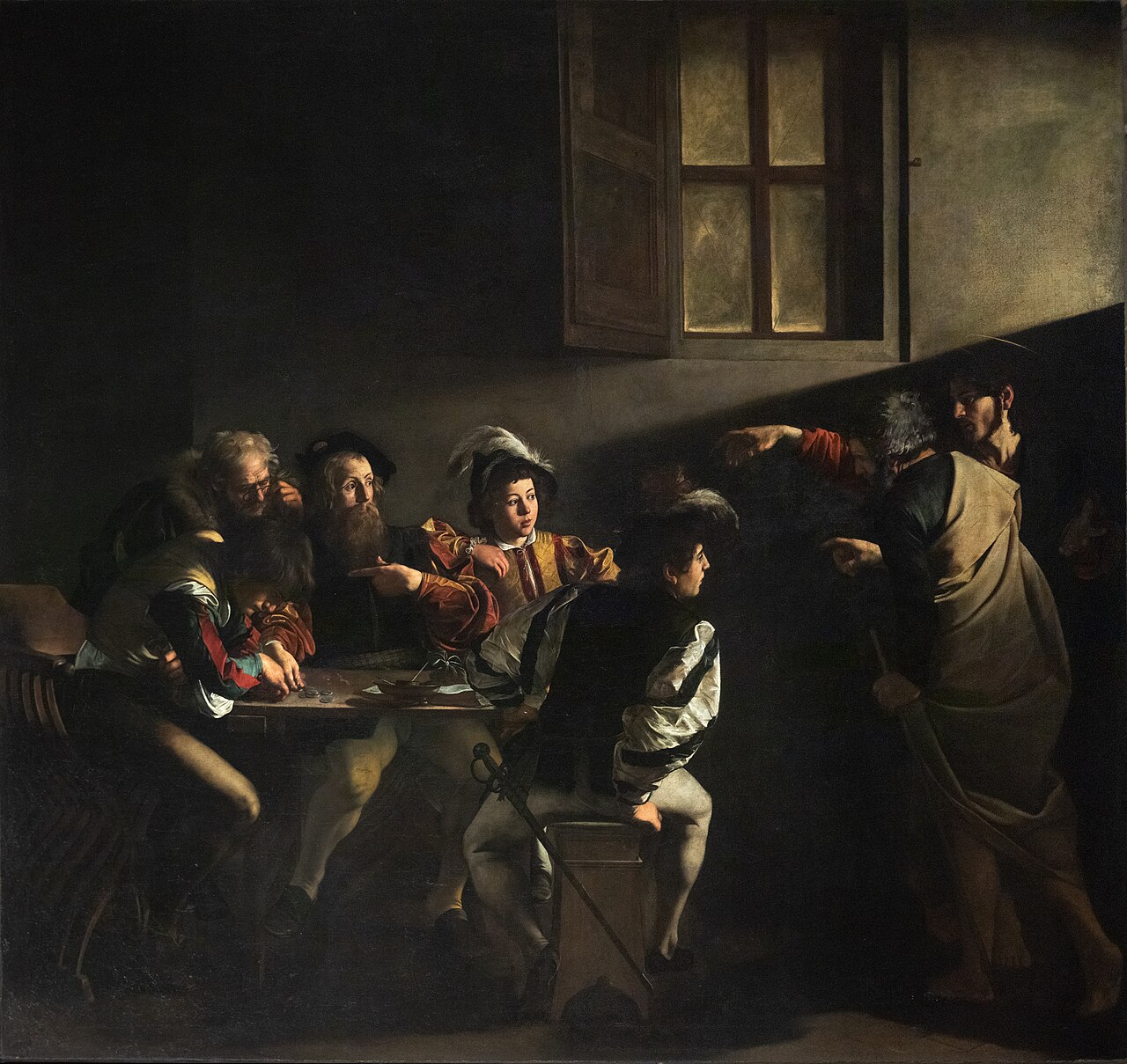 Painting
Secondary source
The Calling of Saint Matthew
Caravaggio · 1599–1600
 Artifact
Primary source
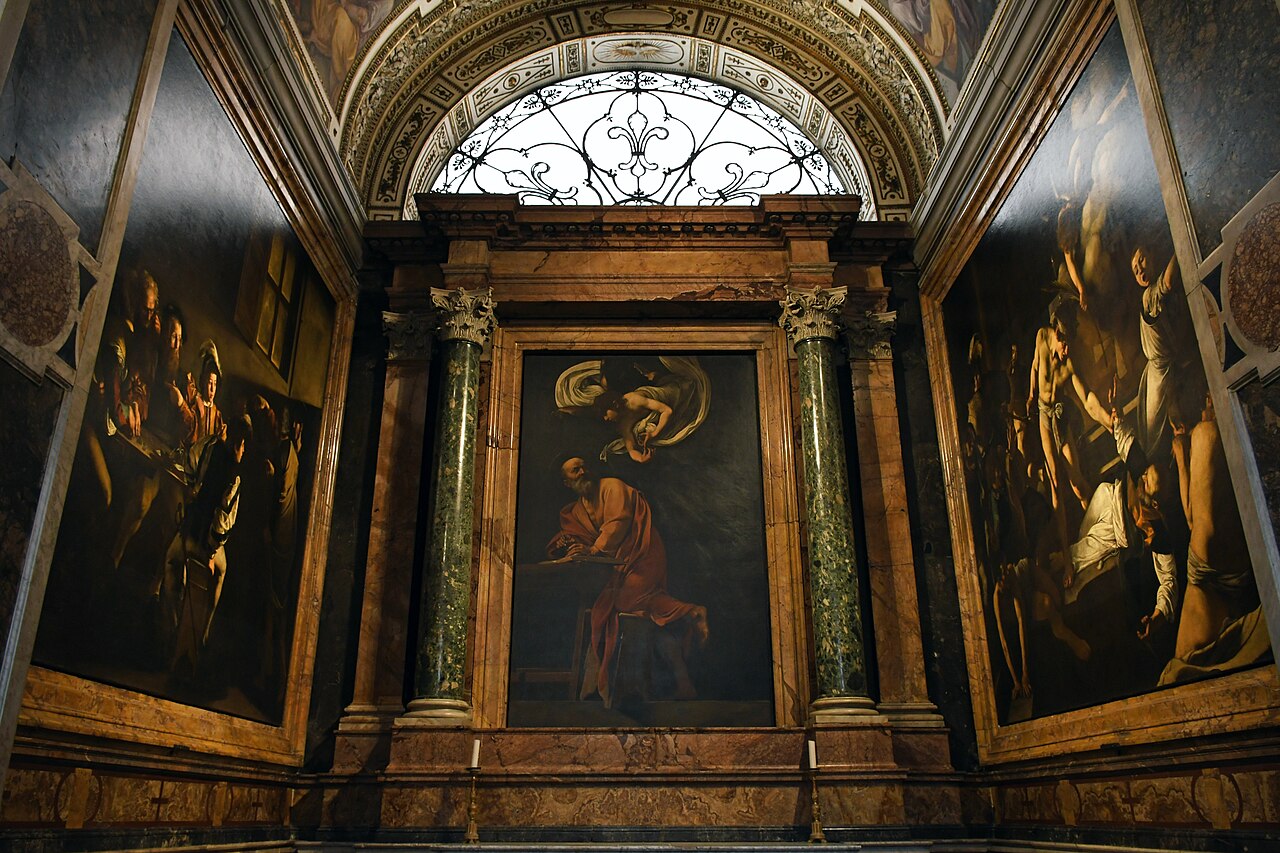
Contarelli Chapel
Caravaggio · 1600
 Painting
Secondary source
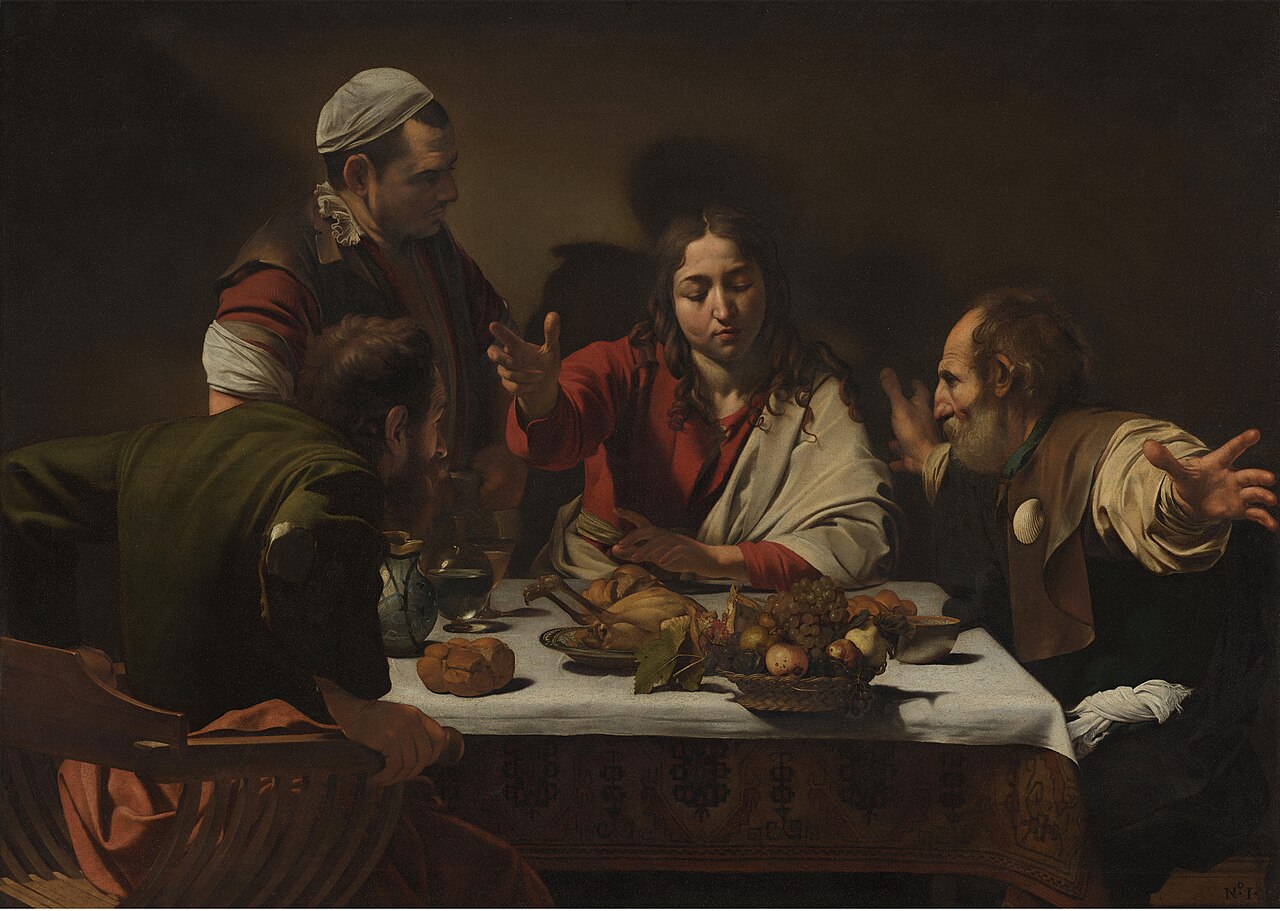
Supper at Emmaus
Caravaggio · 1601
 Painting
Secondary source
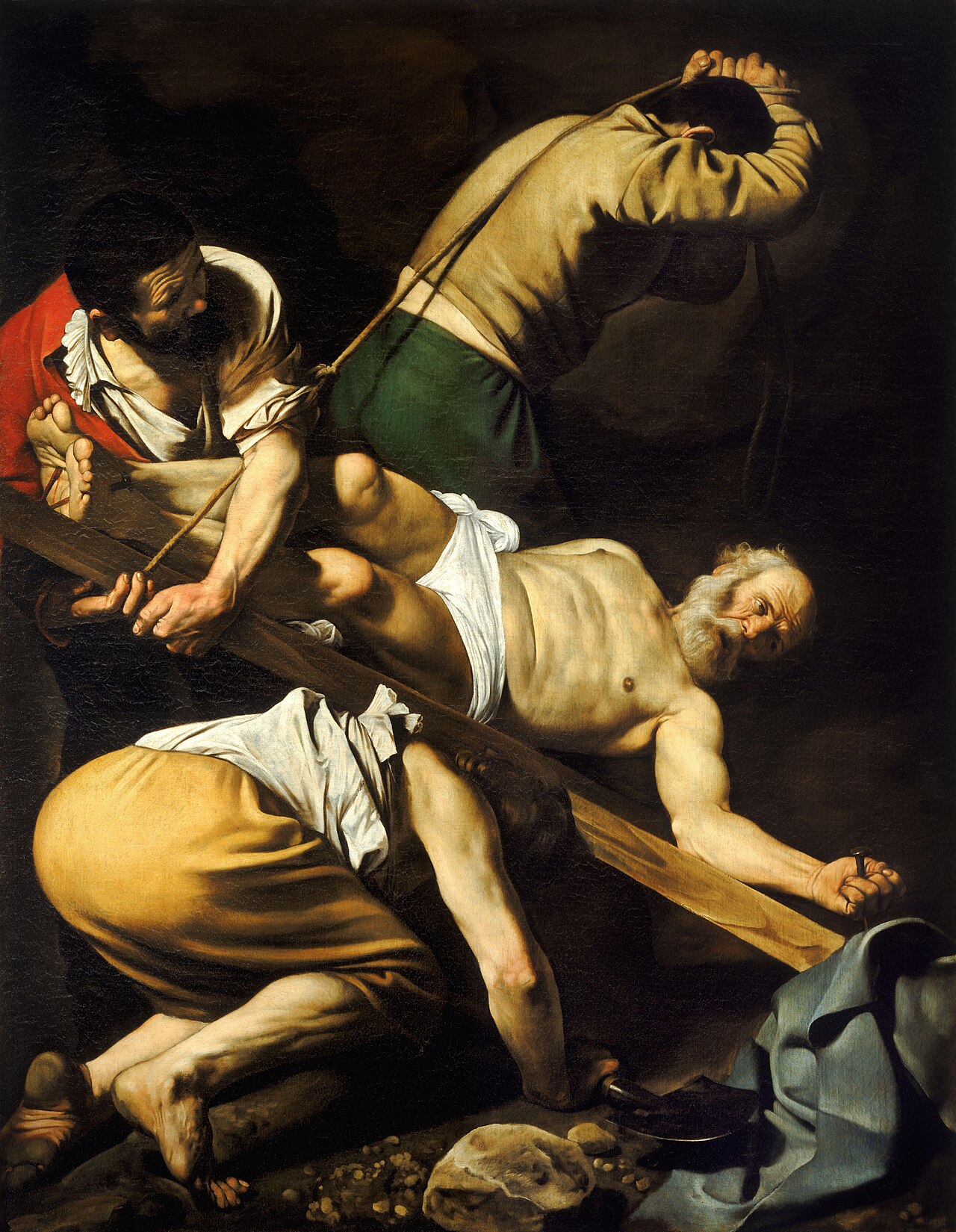
Crucifixion of Saint Peter
Caravaggio · 1600-1601
Free account
Read every Caravaggio source
Sign up free →
Ready when you are
Start chatting with Caravaggio now.
20 messages free · No credit card · Available in 50+ languages.