


Secondary sourcePaintingbetween 1552 and 1568
Saladino
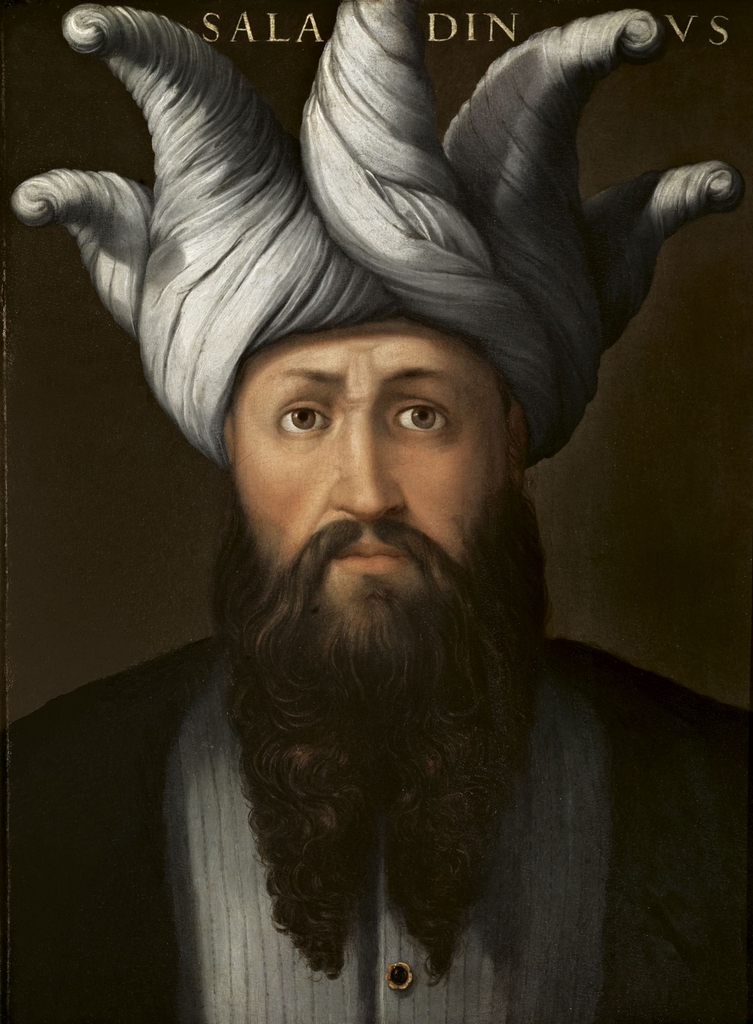
Cristofano dell'Altissimo · between 1552 and 1568
A 16th-century oil portrait of Saladin, part of a copied series of historical portraits made centuries after his death.
This imagined 16th-century portrait represents Saladin in a European series of historical figures, made long after his death.
About this source
What it is
This oil painting by Cristofano dell'Altissimo, made between 1552 and 1568, shows a bearded man wearing a large white turban, identified by the Latin inscription SALADINVS. It belongs to a series of portraits copied from an earlier collection assembled by Paolo Giovio.
Why it matters
Because it was painted about four centuries after Saladin died, this portrait is not based on any real likeness of him. Instead, it shows how Renaissance Europeans imagined a famous historical Muslim ruler, blending costume and imagination to represent someone considered a notable figure from the past.
Look closer
- Since no contemporary portrait of Saladin exists, what do you think the artist used to imagine his appearance?
- Why might Europeans centuries later want a portrait of Saladin in a series of historical figures?
- What does the clothing and turban in the painting suggest about how the artist pictured people from Saladin's region and era?
This painting is part of the curated material that grounds the AI version of Saladin on Humy.ai — when students ask about related events, the AI can quote it and cite it.
More Saladin sources
Meet the AI Saladin →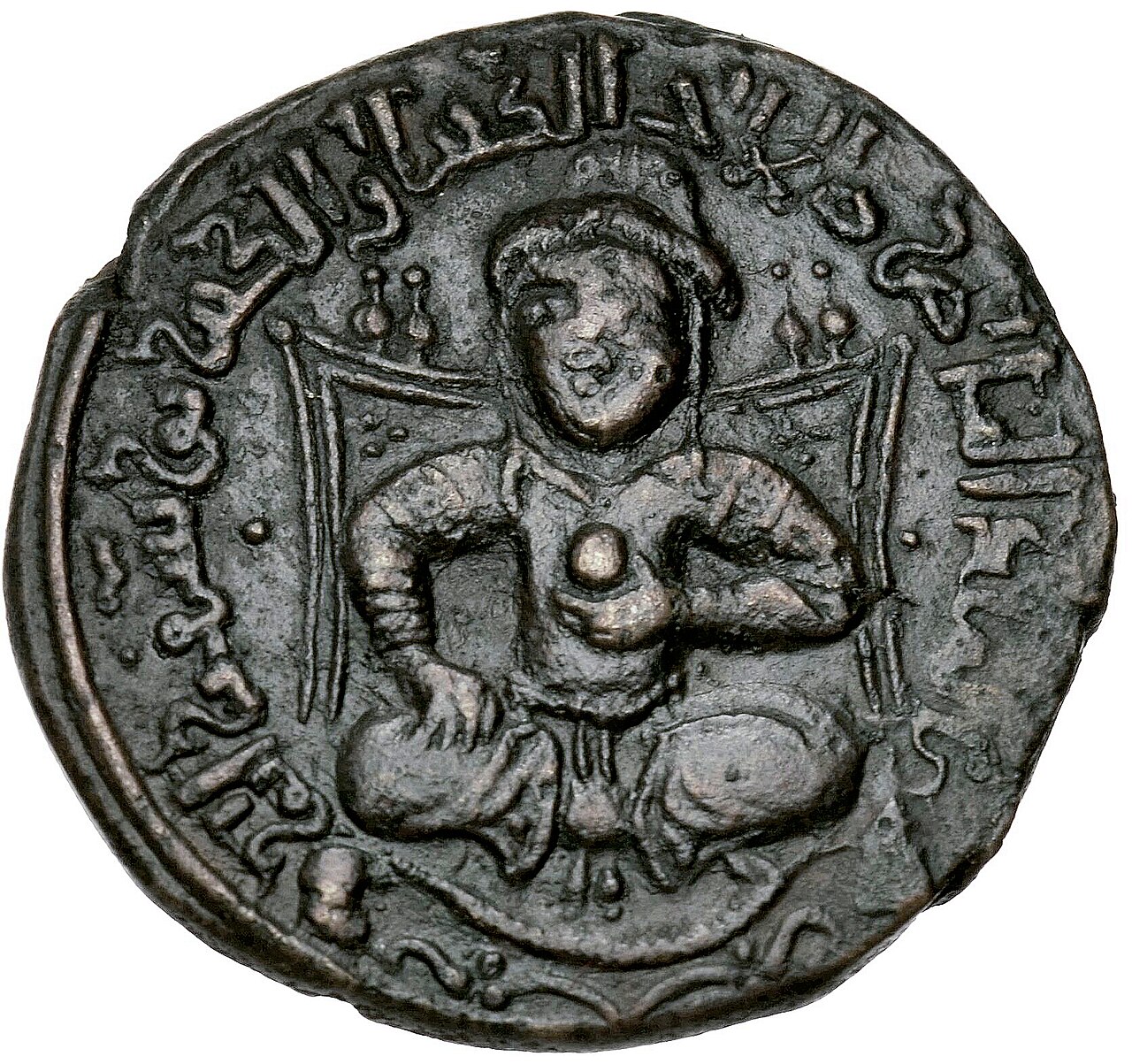 Artifact
Primary source
Dirham of Saladin
AH 586 (AD 1190-91)
 Painting
Secondary source
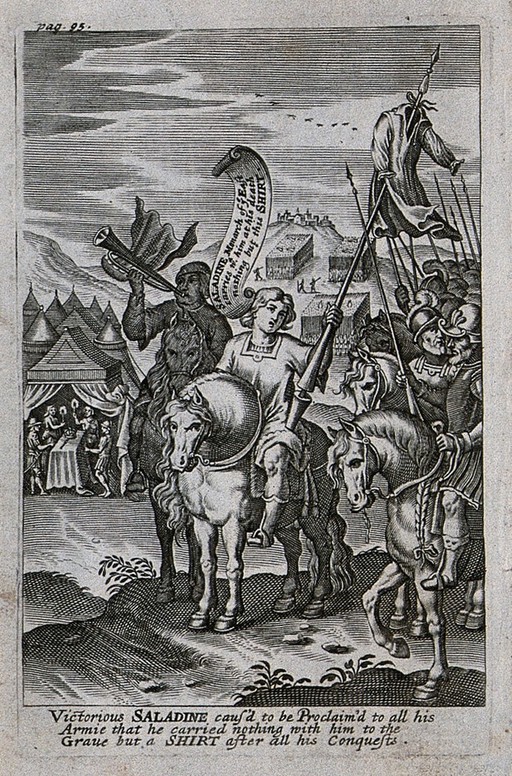
Saladin Proclaims He Will Take Only a Shirt to His Grave
John Payne · 1639
 Artifact
Primary source
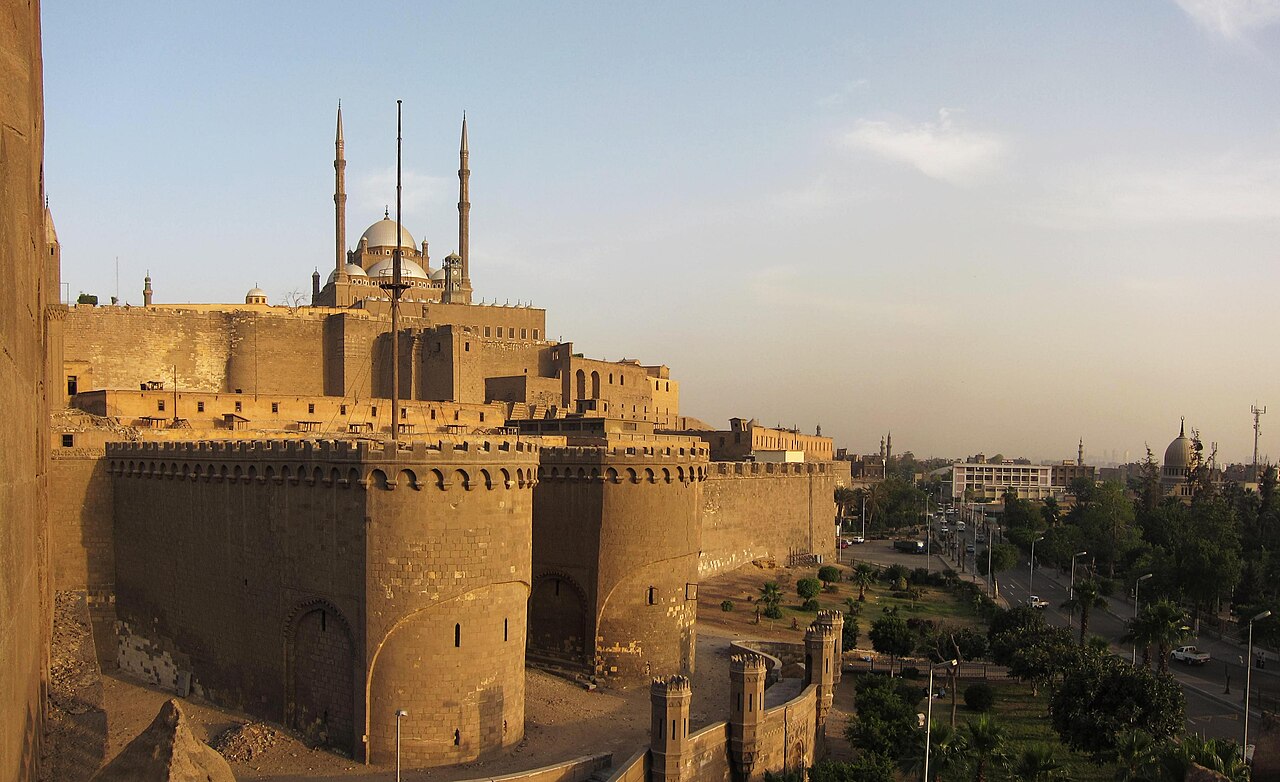
Cairo Citadel
Saladin · begun 1176
 Photograph
Secondary source
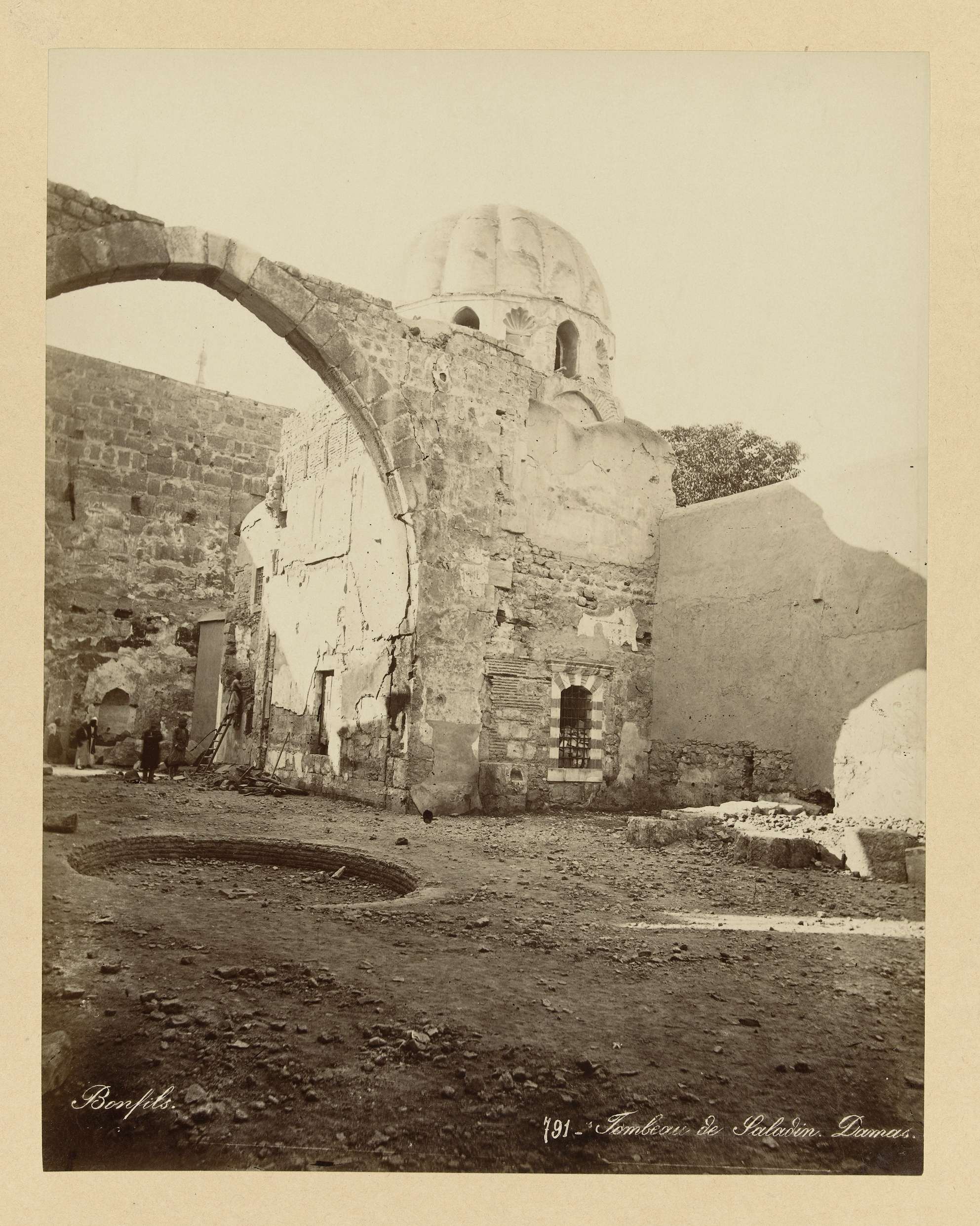
Tomb of Saladin, Damascus
 Painting
Secondary source
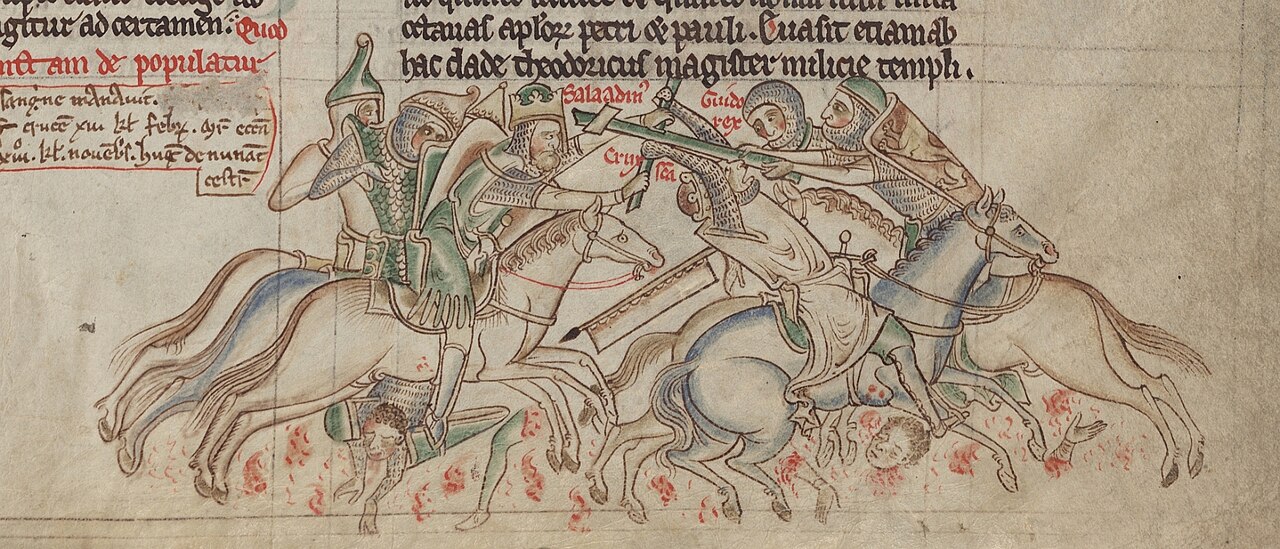
Saladin Seizing the True Cross from Guy of Lusignan
Matthew Paris
Ready when you are
Start chatting with Saladin now.
20 messages free · No credit card · Available in 50+ languages.