


Primary sourceArtifactc. 912 AD
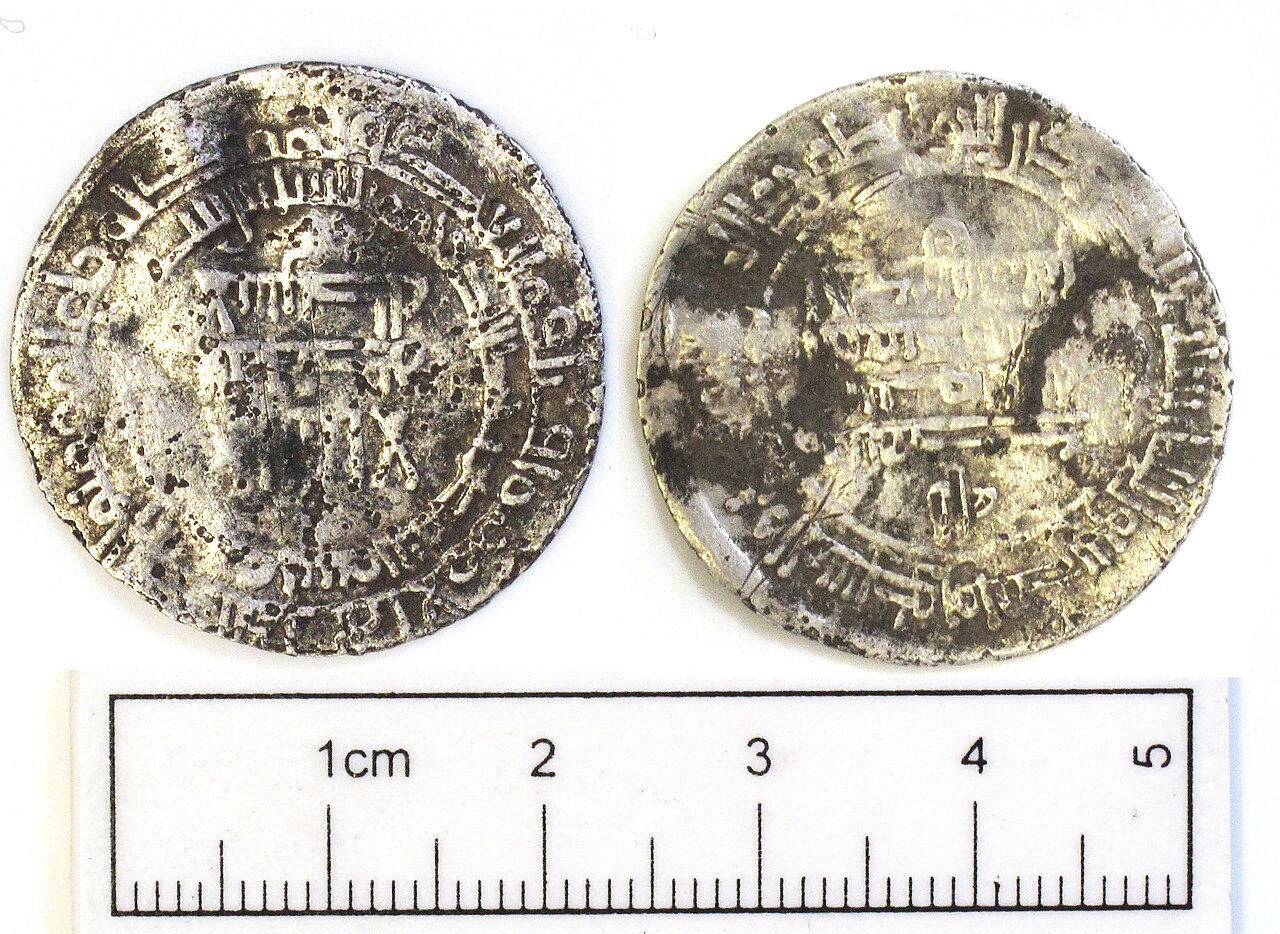
Samanid Dirham of al-Shash, c. 912 CE
c. 912 AD
A Samanid dirham minted during the reign of Ahmad ibn Isma'il, within Farabi's lifetime, likely carried to England by Viking traders.
Minted during Farabi's lifetime under the Samanid dynasty, this coin reflects the trade and politics of his era.
About this source
What it is
This Samanid dirham was minted at al-Shash and dated possibly to 300 AH (912 AD), during the reign of amir Ahmad b. Isma'il. It was tentatively identified by Luke Treadwell of the Ashmolean and recorded through the Portable Antiquities Scheme.
Why it matters
Minted during Farabi's own lifetime under the Samanid dynasty, this coin was probably brought to England by Viking traders, illustrating the long-distance trade networks connecting Central Asia to Northern Europe in this period.
Look closer
- What does the coin's journey from Central Asia to England suggest about trade in the 10th century?
- Why do you think coins like this survive while other everyday objects from the period do not?
- How do experts like numismatists identify and date worn coins such as this one?
This artifact is part of the curated material that grounds the AI version of Al-Farabi on Humy.ai — when students ask about related events, the AI can quote it and cite it.
More Al-Farabi sources
Meet the AI Al-Farabi →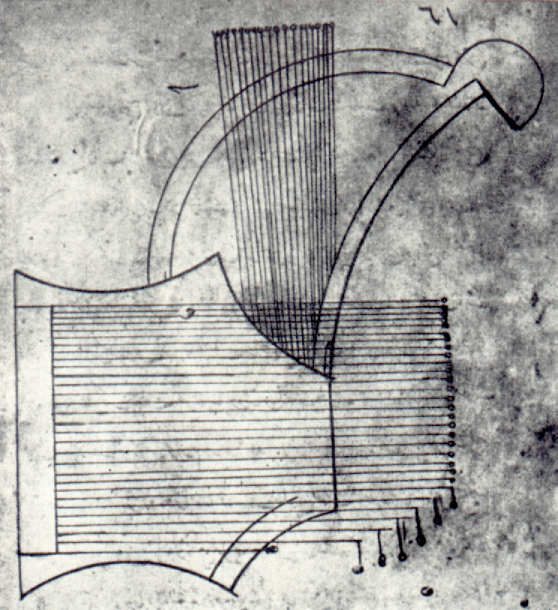 Book
Primary source
Kitab al-Musiqa al-Kabir
Farabi · 10th century
 Artifact
Primary source
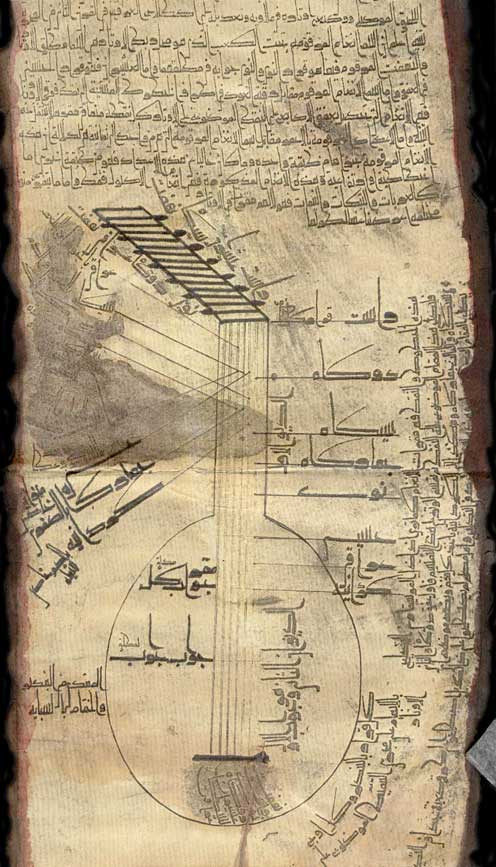
Lute Diagram with Seven Courses
Farabi · 10th century
 Book
Primary source
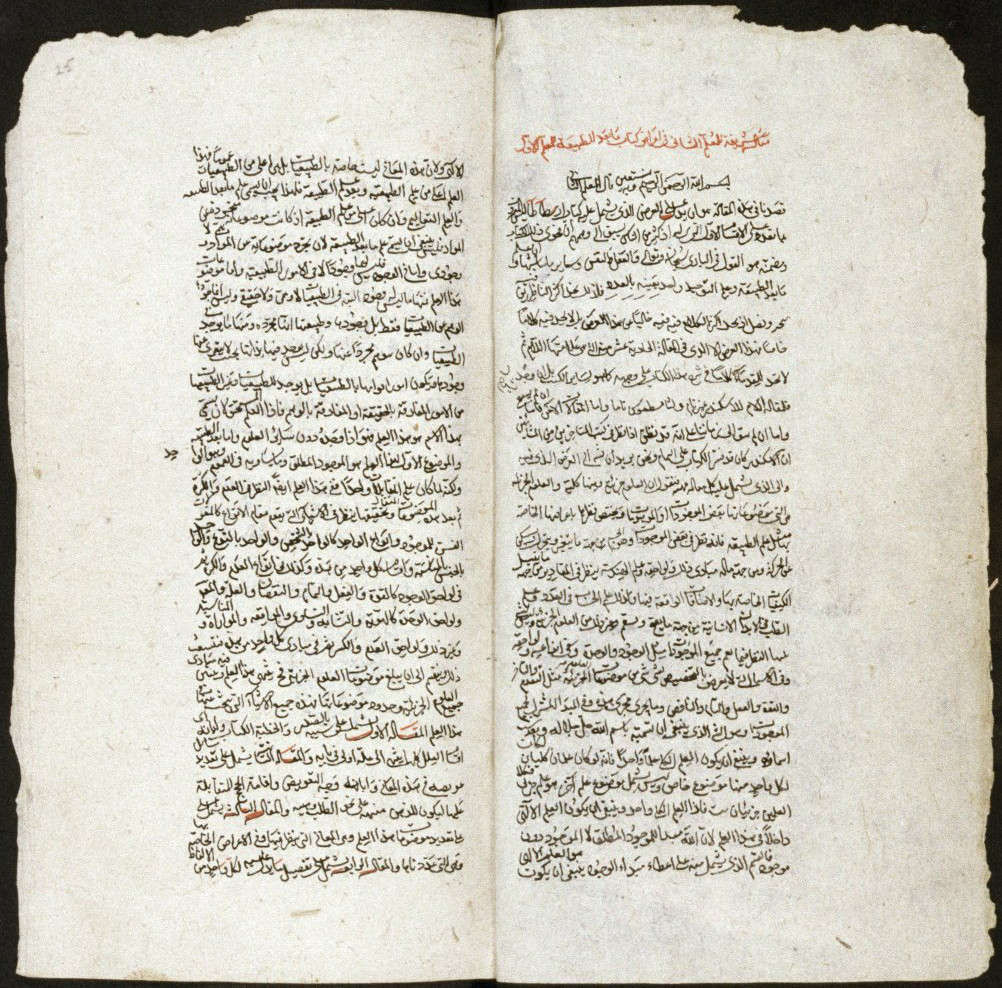
On the Scope of Aristotle's Metaphysics
Farabi · 10th century
 Book
Primary source
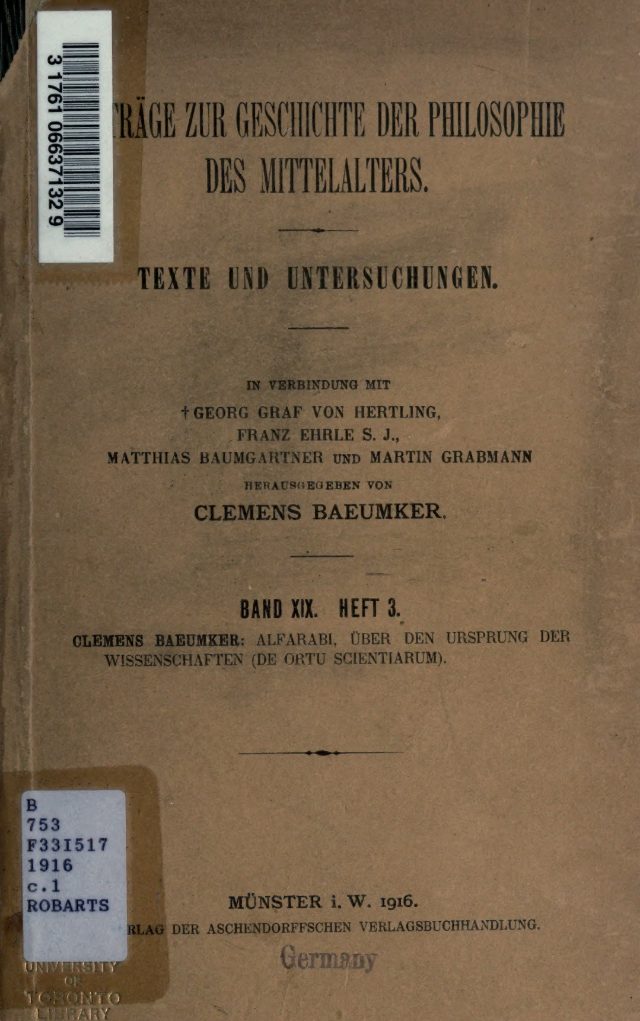
Über den Ursprung der Wissenschaften
Farabi · 1916 (edition of the original treatise)
PaintingPrimary source
Drawing of the Shahrud from the Great Book of Music
Farabi · 10th century
Ready when you are
Start chatting with Al-Farabi now.
20 messages free · No credit card · Available in 50+ languages.