


Secondary sourceArtifactc. 892
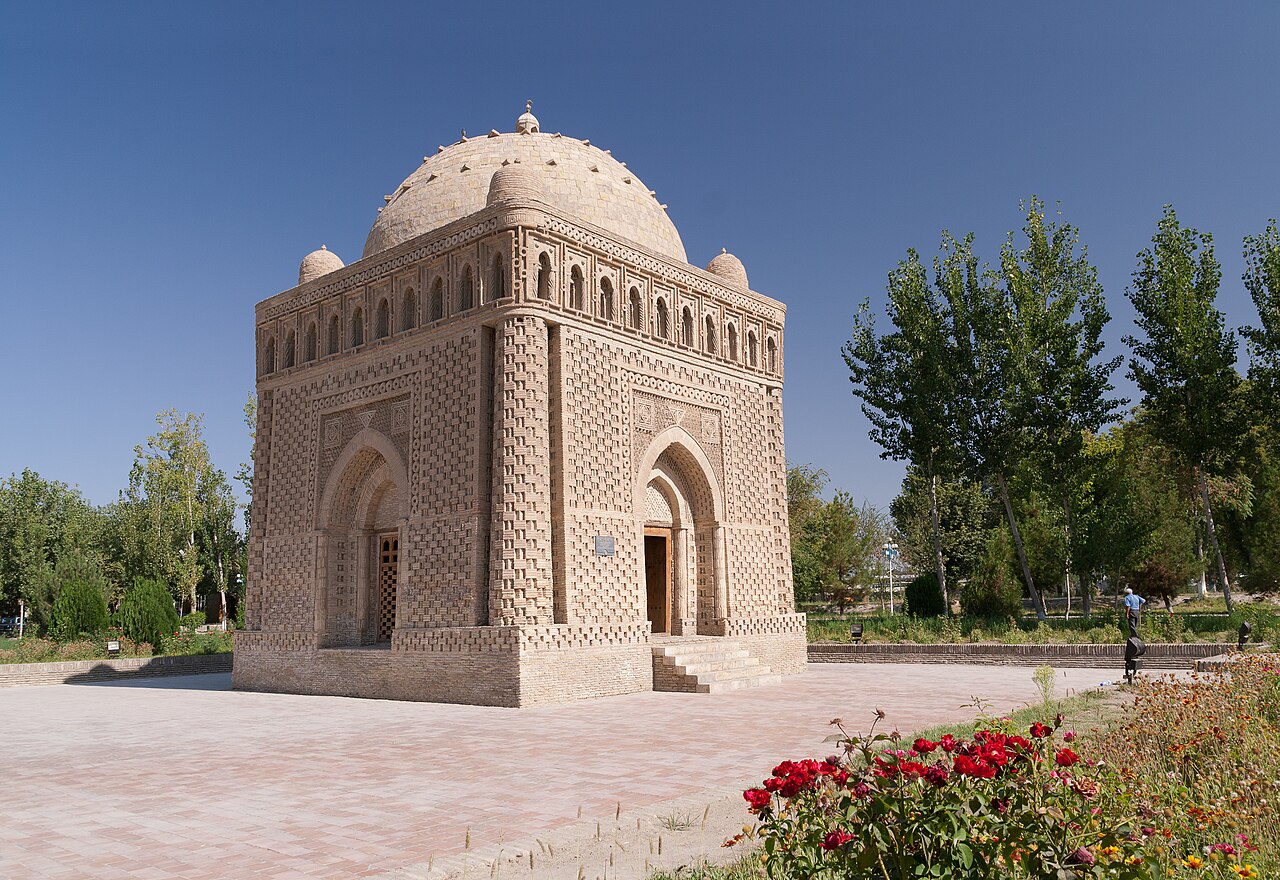
Samanid Mausoleum
c. 892
The burial monument of the Samanid dynasty in Bukhara, the city where the young Al-Biruni sought patronage.
A surviving monument of Bukhara, the Samanid capital where young Al-Biruni sought patronage and education.
About this source
What it is
The Samanid Mausoleum is a brick tomb built in the 10th century in Bukhara, in what is now Uzbekistan, as the resting place of rulers of the Samanid dynasty. It is the only surviving monument from the Samanid era and a landmark of early Islamic architecture.
Why it matters
Bukhara, the Samanid capital, was a center of learning and culture that attracted scholars from across the region. Al-Biruni traveled there as a young man seeking patronage, making this building a surviving trace of the world he moved through early in his career.
Look closer
- What does the mausoleum's architecture and decoration suggest about the wealth and ambitions of the Samanid rulers?
- Why might a city like Bukhara have attracted scholars and scientists?
- How did the building survive for so long when so few other monuments from that era remain?
This artifact is part of the curated material that grounds the AI version of Al-Biruni on Humy.ai — when students ask about related events, the AI can quote it and cite it.
More Al-Biruni sources
Meet the AI Al-Biruni →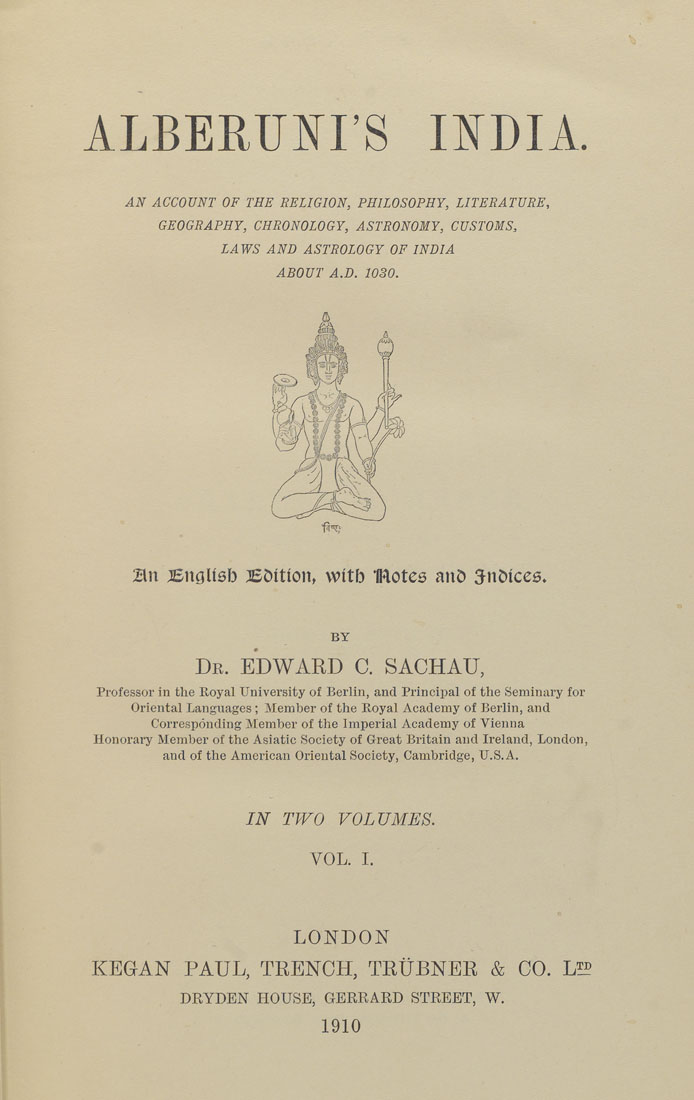 Book
Primary source
Al-Biruni's India
Al-Biruni · c. 1030
 Book
Primary source
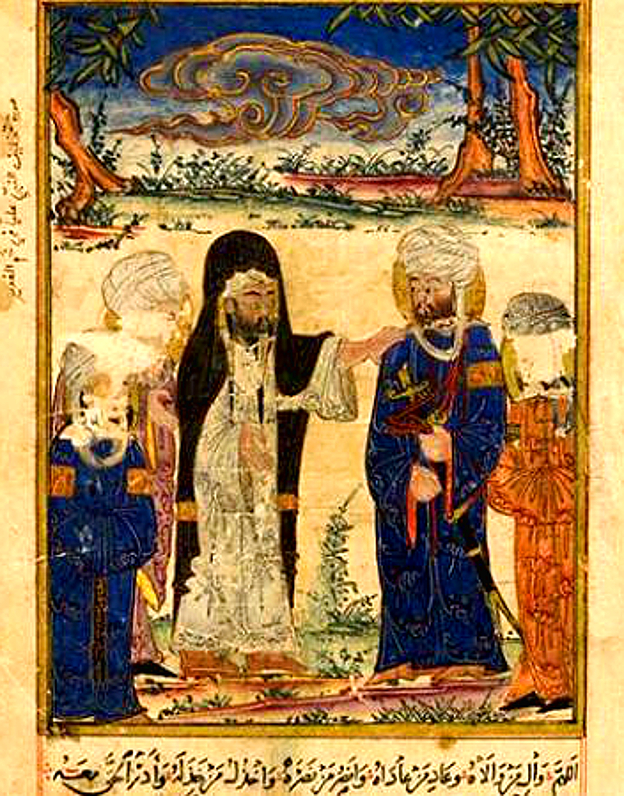
The Remaining Signs of Past Centuries
Al-Biruni · c. 1000, illustrated copy 1307-1308
 Artifact
Primary source
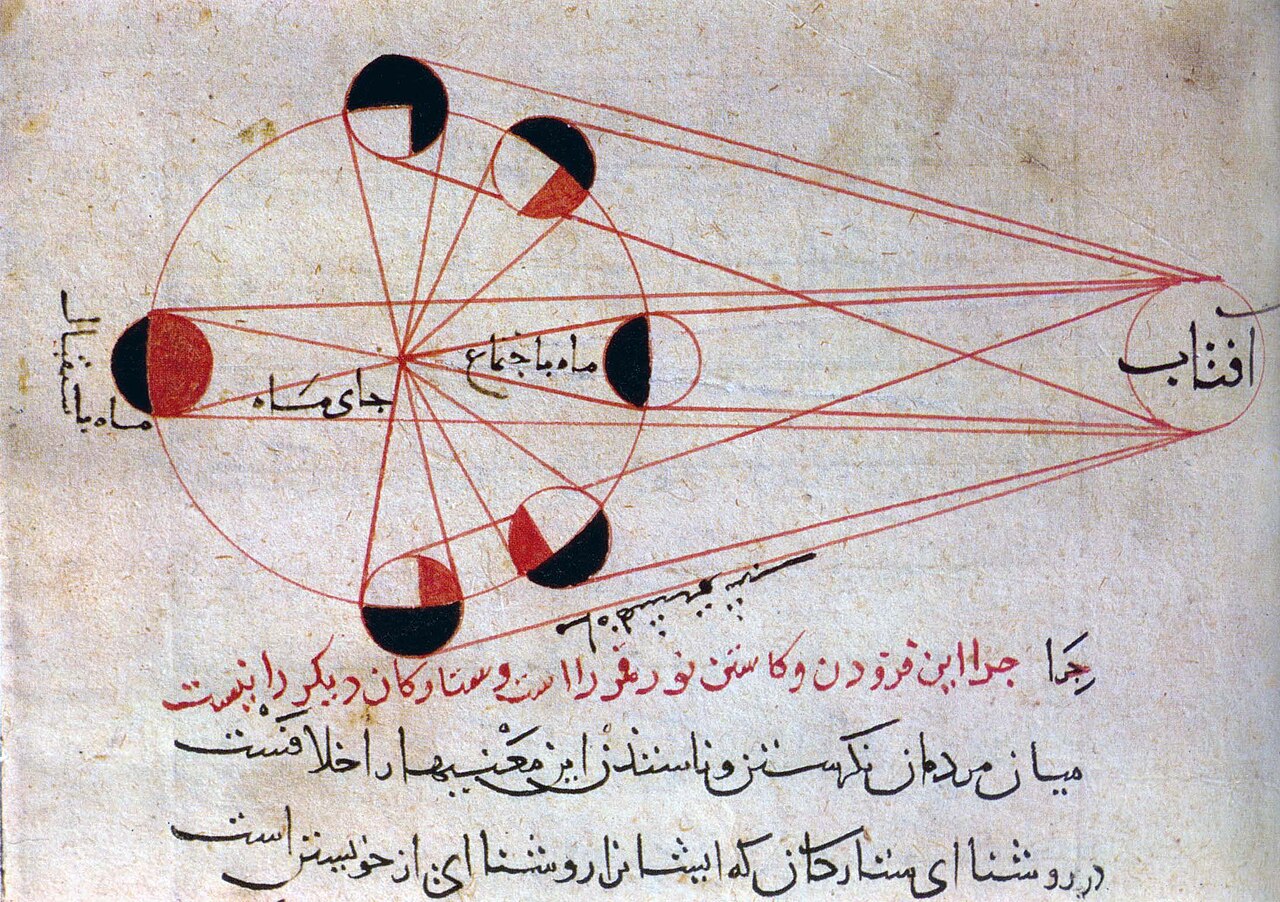
Diagram of the Phases of the Moon
Al-Biruni
 Artifact
Primary source
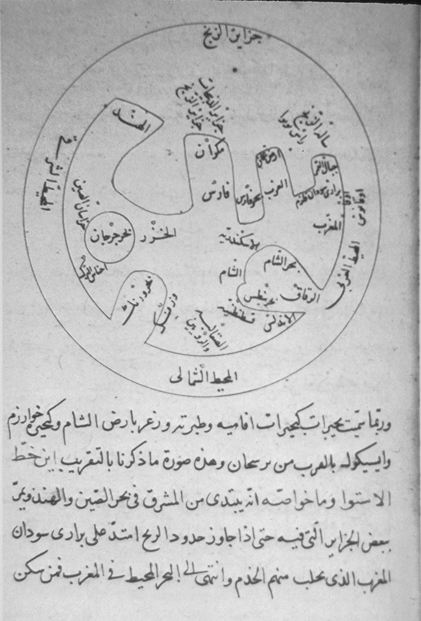
Al-Biruni's World Map of the Distribution of Land and Sea
Al-Biruni · 1029
 Book
Primary source
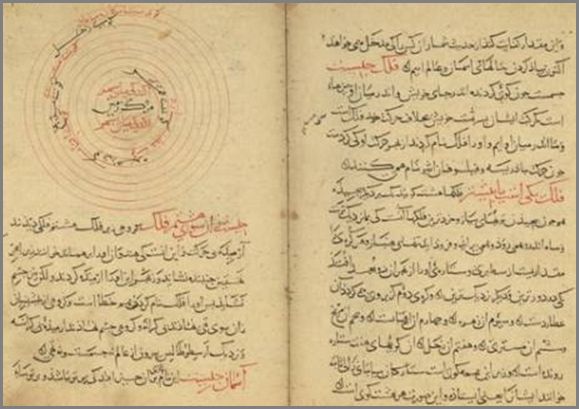
Page from the Oldest Manuscript of the Tafhim
Al-Biruni
Ready when you are
Start chatting with Al-Biruni now.
20 messages free · No credit card · Available in 50+ languages.