


Primary sourceArtifactsecond half of 10th century
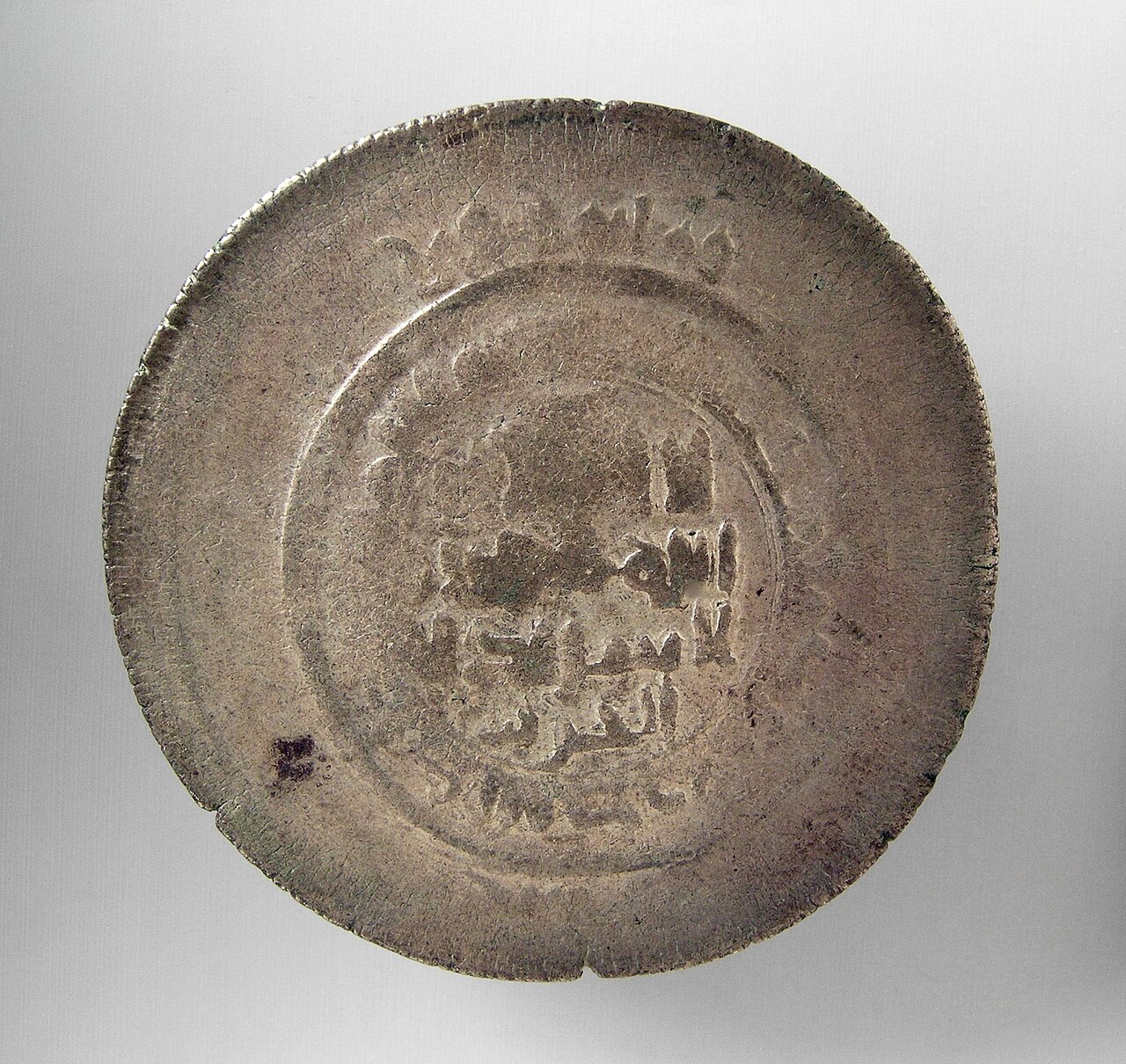
Samanid Silver Dirham
second half of 10th century
A silver dirham coin minted under the Samanid dynasty, the rulers who patronized Farabi's homeland of Bukhara.
This coin represents the Samanid rulers who governed Bukhara, the region of Farabi's origin, showing his historical context.
About this source
What it is
This is a silver dirham coin from Samanid Iran, dating to the second half of the 10th century. It is held in the Madina Collection of Islamic Art, a gift of Camilla Chandler Frost. The coin bears Arabic inscriptions in its central field.
Why it matters
The Samanids ruled the region including Bukhara, where Farabi was born and spent his early life. Coins like this one circulated as everyday currency under the dynasty that supported the scholars and courts of Farabi's world, showing the political and economic backdrop to his life and career.
Look closer
- What does the inscription on the coin likely say, and why would rulers put writing rather than pictures on their money?
- What does the worn surface of the coin tell you about how it was used?
- Why might a coin help historians understand the world a philosopher like Farabi lived in?
This artifact is part of the curated material that grounds the AI version of Al-Farabi on Humy.ai — when students ask about related events, the AI can quote it and cite it.
More Al-Farabi sources
Meet the AI Al-Farabi →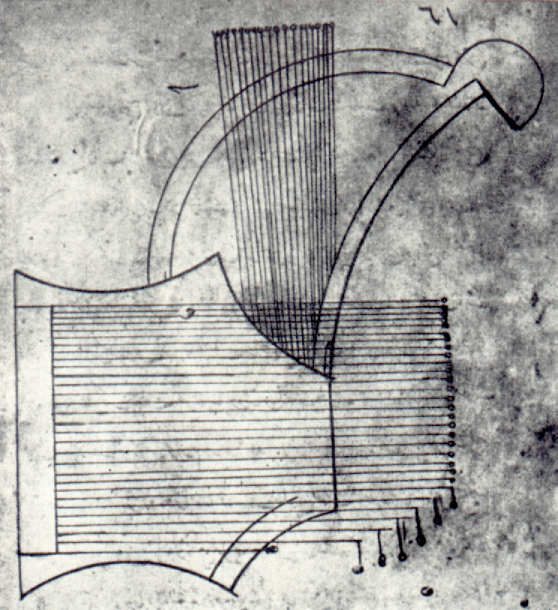 Book
Primary source
Kitab al-Musiqa al-Kabir
Farabi · 10th century
 Artifact
Primary source
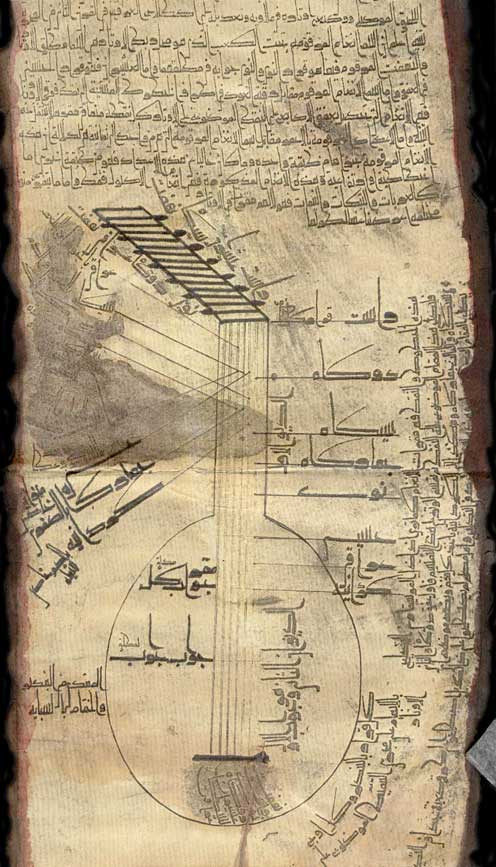
Lute Diagram with Seven Courses
Farabi · 10th century
 Book
Primary source
On the Scope of Aristotle's Metaphysics
Farabi · 10th century
 Book
Primary source
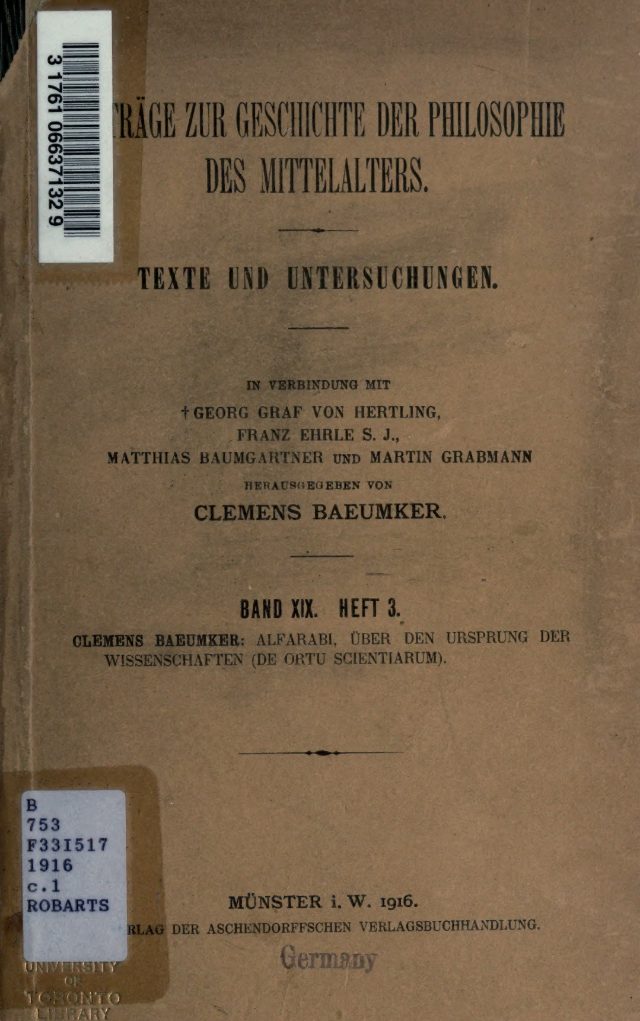
Über den Ursprung der Wissenschaften
Farabi · 1916 (edition of the original treatise)
PaintingPrimary source
Drawing of the Shahrud from the Great Book of Music
Farabi · 10th century
Ready when you are
Start chatting with Al-Farabi now.
20 messages free · No credit card · Available in 50+ languages.