


Primary sourcePaintingc. 1290-1295
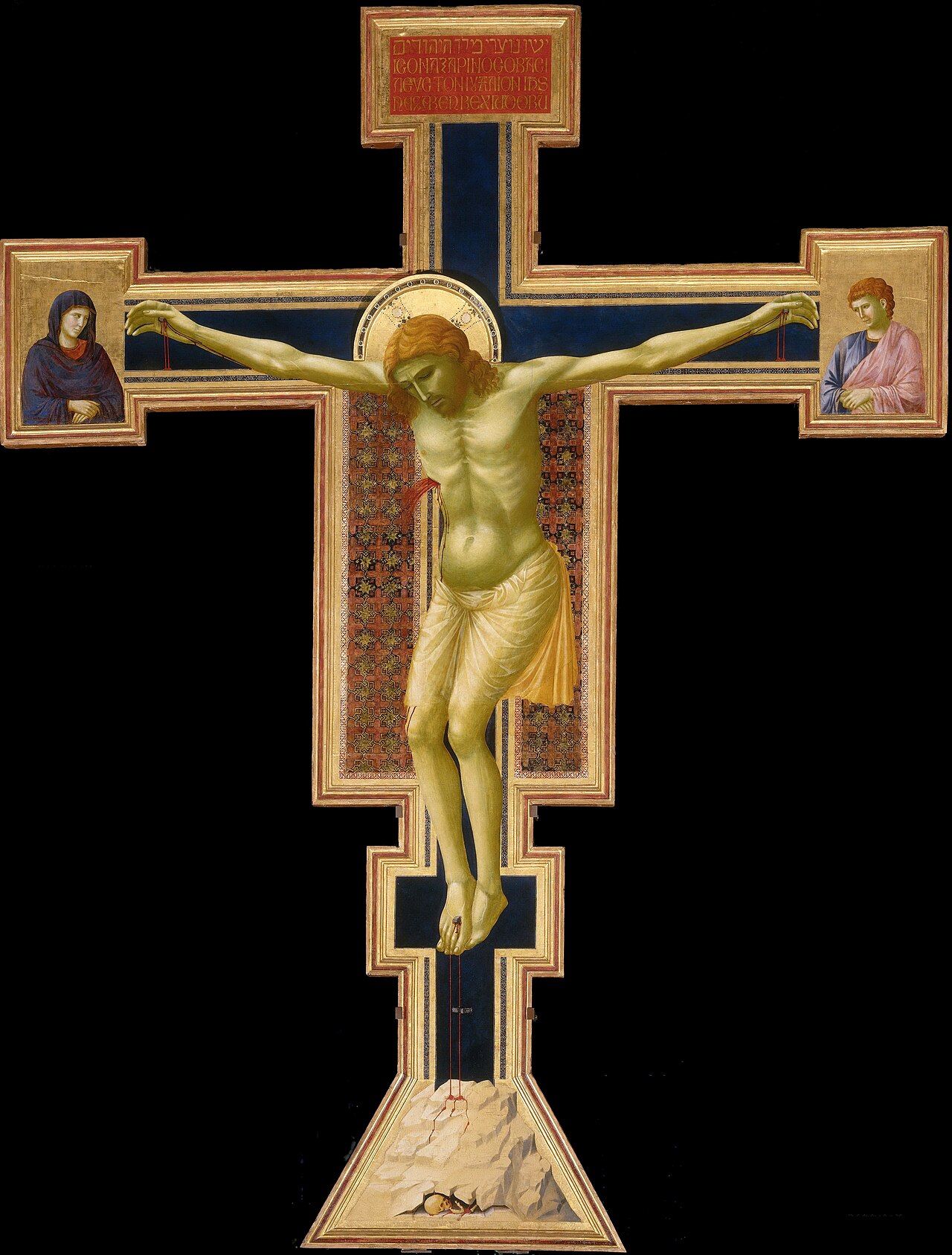
Santa Maria Novella Crucifix
Giotto · c. 1290-1295
An early painted crucifix by Giotto showing the dead Christ with a naturalistic, sagging body, marking a break from earlier Byzantine styles.
One of Giotto's earliest surviving works, showing his break from older stylised crucifixion imagery.
About this source
What it is
This large wooden crucifix, painted in tempera and gold by Giotto around 1290-1295, hangs in the nave of the Basilica of Santa Maria Novella in Florence. It shows Christ on the cross with the Virgin Mary and Saint John the Evangelist in panels at the ends of the crossbar, and a skull at the base representing Mount Golgotha.
Why it matters
One of Giotto's earliest known works, it shows the body of Christ sagging naturally under its own weight rather than arched in the older, more stylised Byzantine manner. This shift toward realism and human emotion became a defining feature of Giotto's later, more famous work. Historians debated for centuries how much of it was painted by Giotto himself, with modern restoration confirming his authorship.
Look closer
- How does the position of Christ's body here differ from older, more stylised crucifixion images?
- What might the skull at the base be meant to remind viewers of?
- Why do you think historians argued about whether this was really painted by Giotto?
This painting is part of the curated material that grounds the AI version of Giotto on Humy.ai — when students ask about related events, the AI can quote it and cite it.
More Giotto sources
Meet the AI Giotto →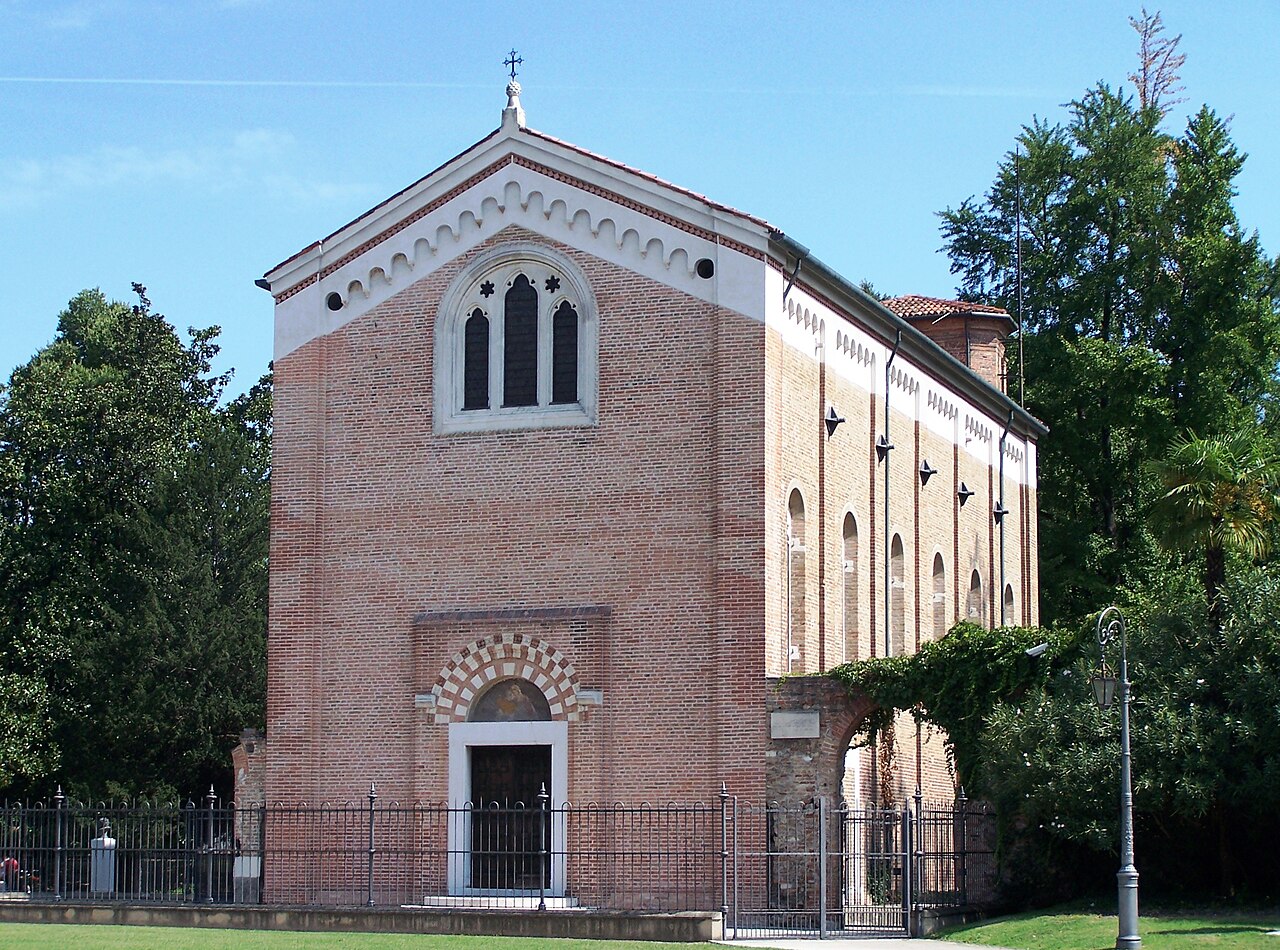 Artifact
Primary source
Scrovegni Chapel
Giotto di Bondone · c. 1305
 Painting
Primary source
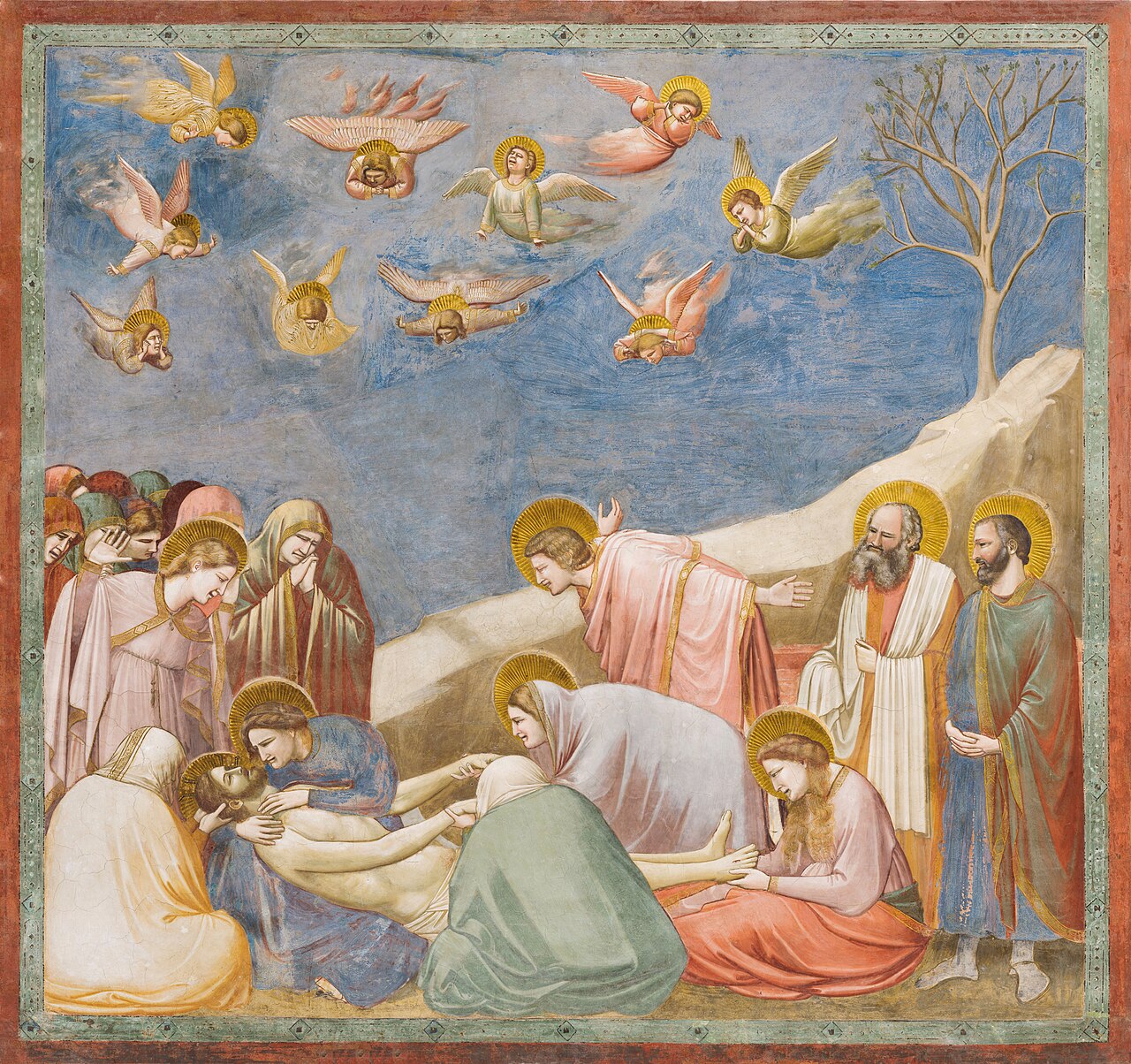
Lamentation
Giotto di Bondone · c. 1305
 Painting
Primary source
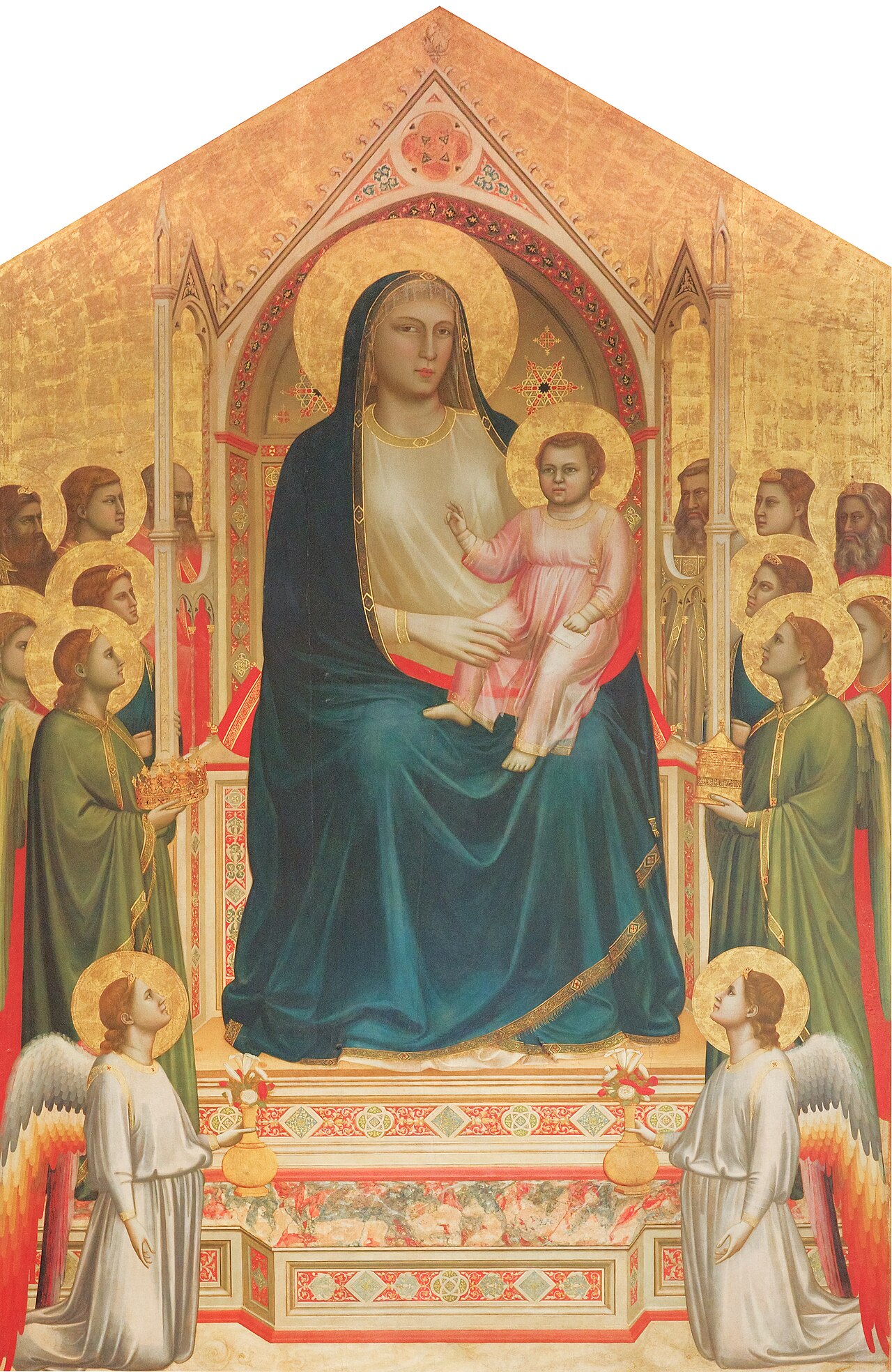
Madonna Enthroned
Giotto di Bondone · c. 1300-1310
 Artifact
Primary source
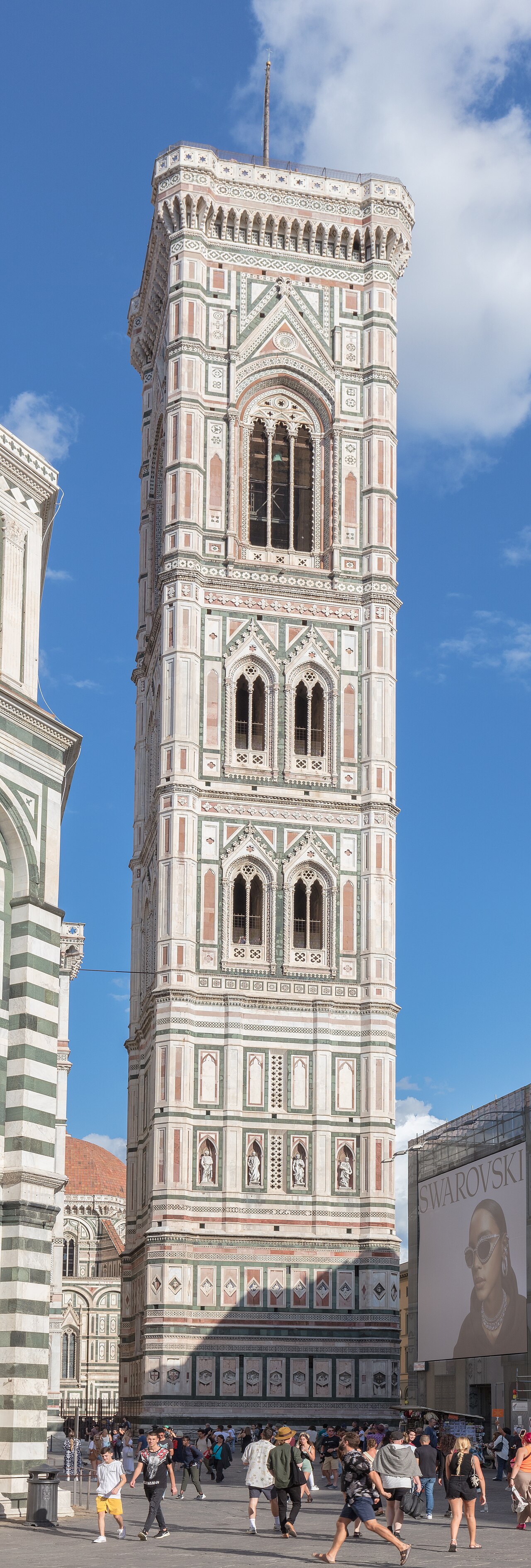
Giotto's Campanile
Giotto di Bondone · designed 1334
 Painting
Primary source
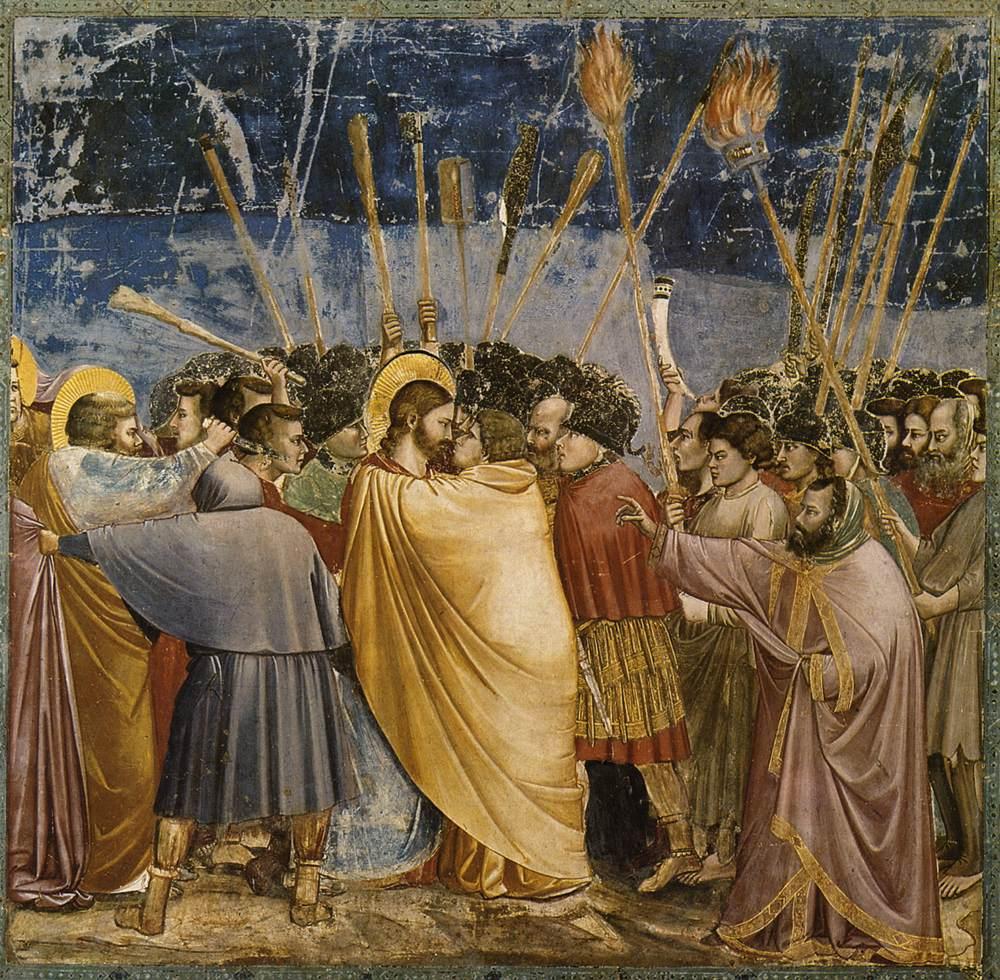
Kiss of Judas
Giotto di Bondone · c. 1305
Ready when you are
Start chatting with Giotto now.
20 messages free · No credit card · Available in 50+ languages.