


Primary sourceArtifactca. 1290–1224 BCE
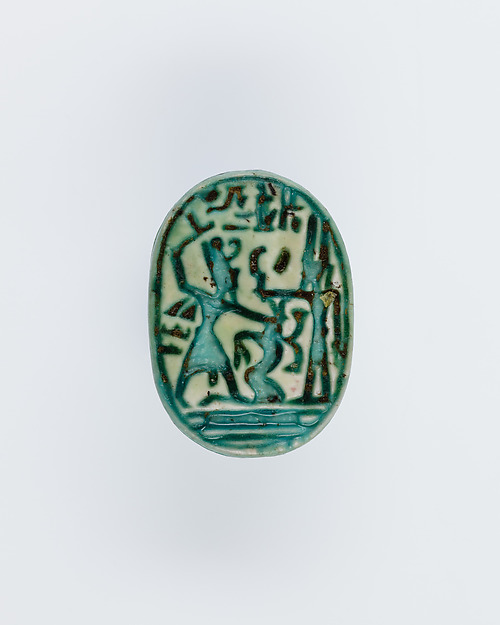
Scarab Depicting Ramesses II Smiting a Prisoner Before Amun
ca. 1290–1224 BCE
A small royal scarab seal showing Ramesses II in a victory pose before the god Amun, a piece of royal propaganda.
This scarab shows Ramesses II in a victory pose, part of the propaganda imagery that promoted his reign.
About this source
What it is
This is a small glazed steatite scarab seal from the New Kingdom, Ramesside period, during the reign of Ramesses II. Its flat base is carved with hieroglyphs and an image of a striding figure with a raised arm, showing the king smiting a prisoner before the god Amun. It is held at The Metropolitan Museum of Art.
Why it matters
Scarabs like this were used as seals and amulets, and royal scenes on them spread images of the pharaoh's power. This 'smiting' scene was a common way to show a king's strength and his connection to the gods, helping to shape how people saw Ramesses II's rule.
Look closer
- What pose is the king shown in, and what might that pose be meant to communicate?
- Why would a small object like a scarab be a useful way to spread an image of royal power?
- What does the scene tell you about how Egyptians linked kingship and religion?
This artifact is part of the curated material that grounds the AI version of Ramses II (Ramses the Great) on Humy.ai — when students ask about related events, the AI can quote it and cite it.
More Ramses II (Ramses the Great) sources
Meet the AI Ramses II (Ramses the Great) →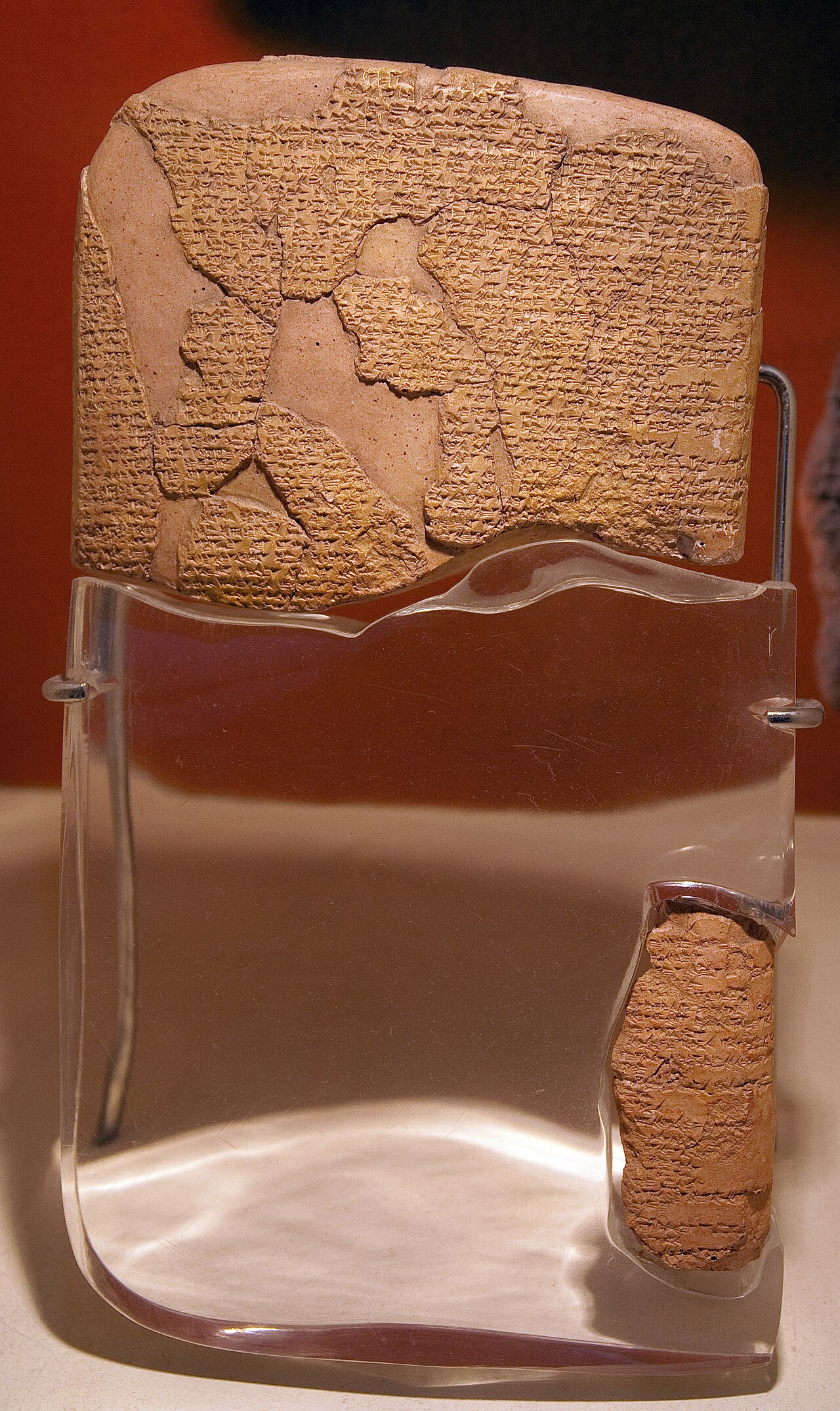 Document
Primary source
Egyptian–Hittite Peace Treaty
c. 1258 BCE
 Photograph
Secondary source
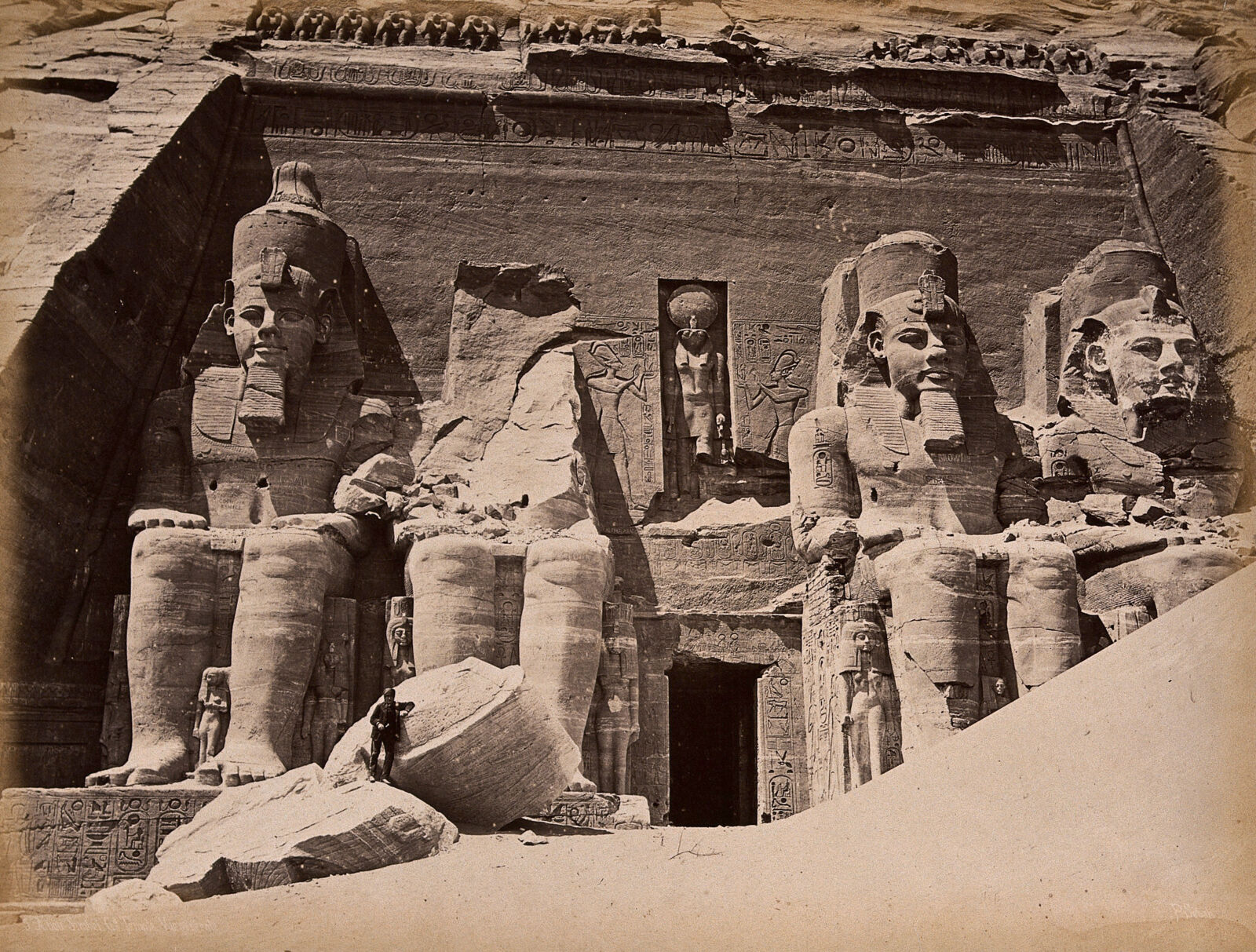
Abu Simbel Temple Colossi
Pascal Sébah · 1875
 Artifact
Primary source
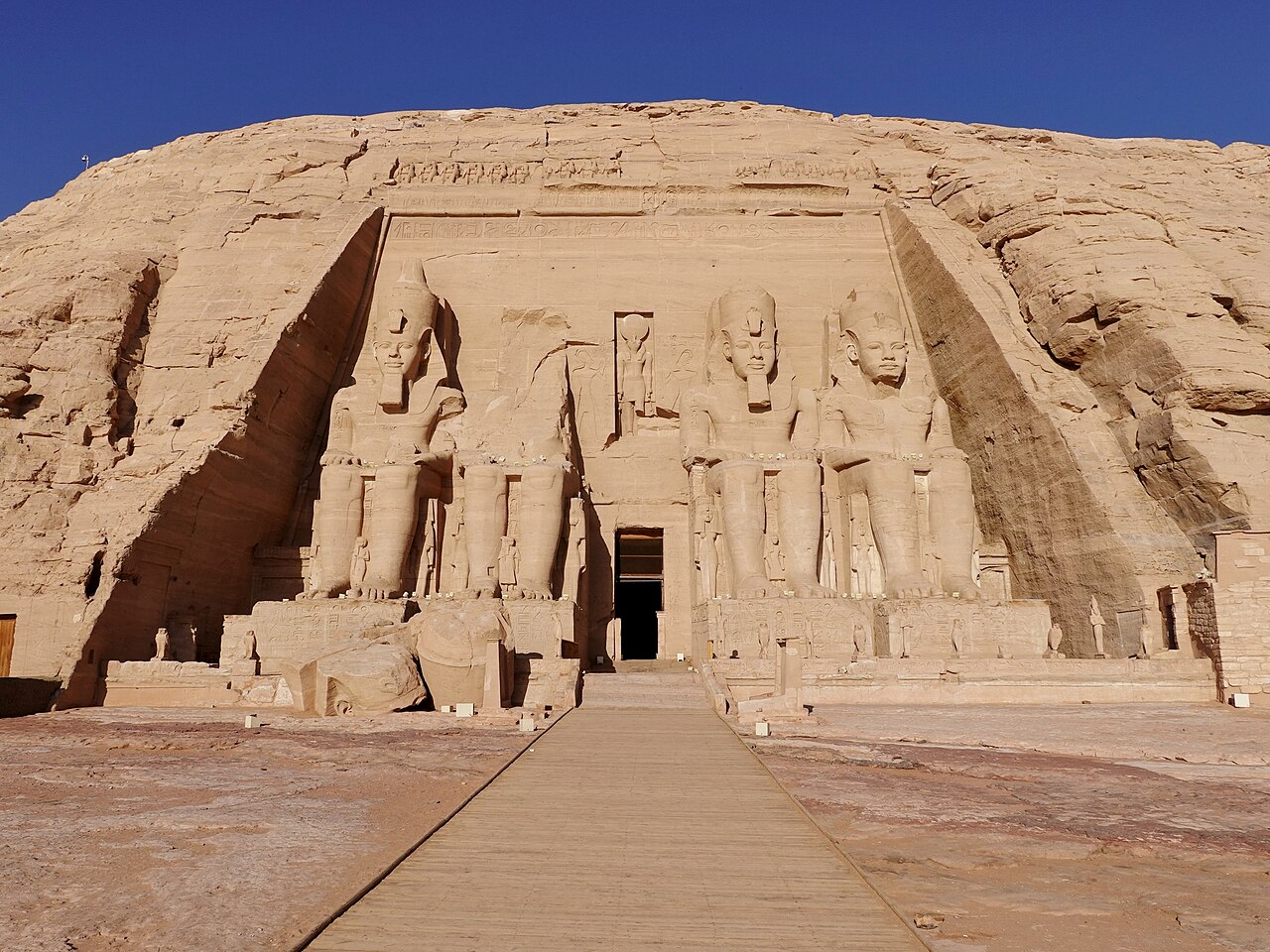
Abu Simbel
Ramesses II · c. 1273 BCE
 Photograph
Secondary source
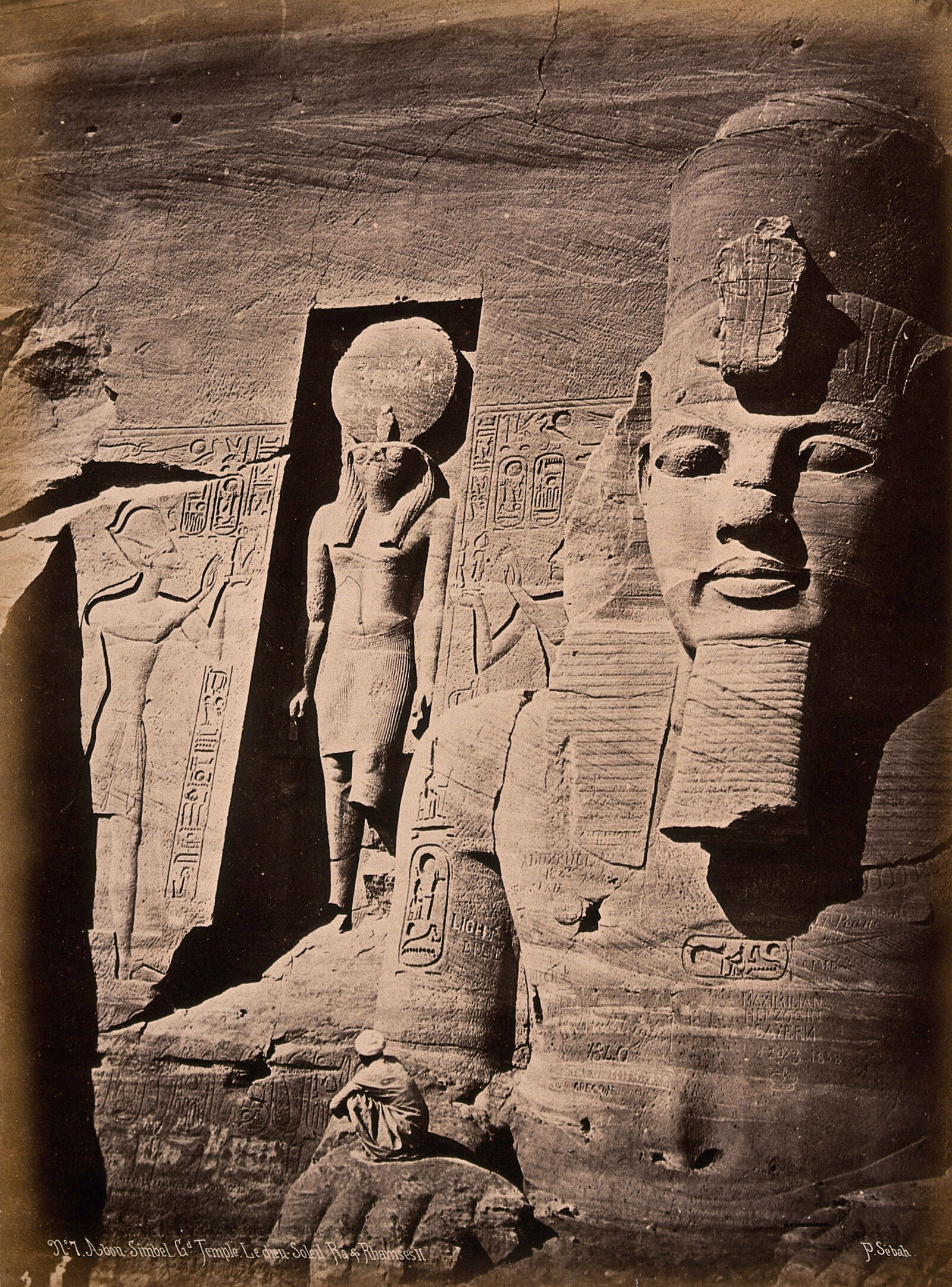
Facade Detail of Abu Simbel Showing Ramesses II and Ra
Pascal Sébah · 1875
 Photograph
Secondary source
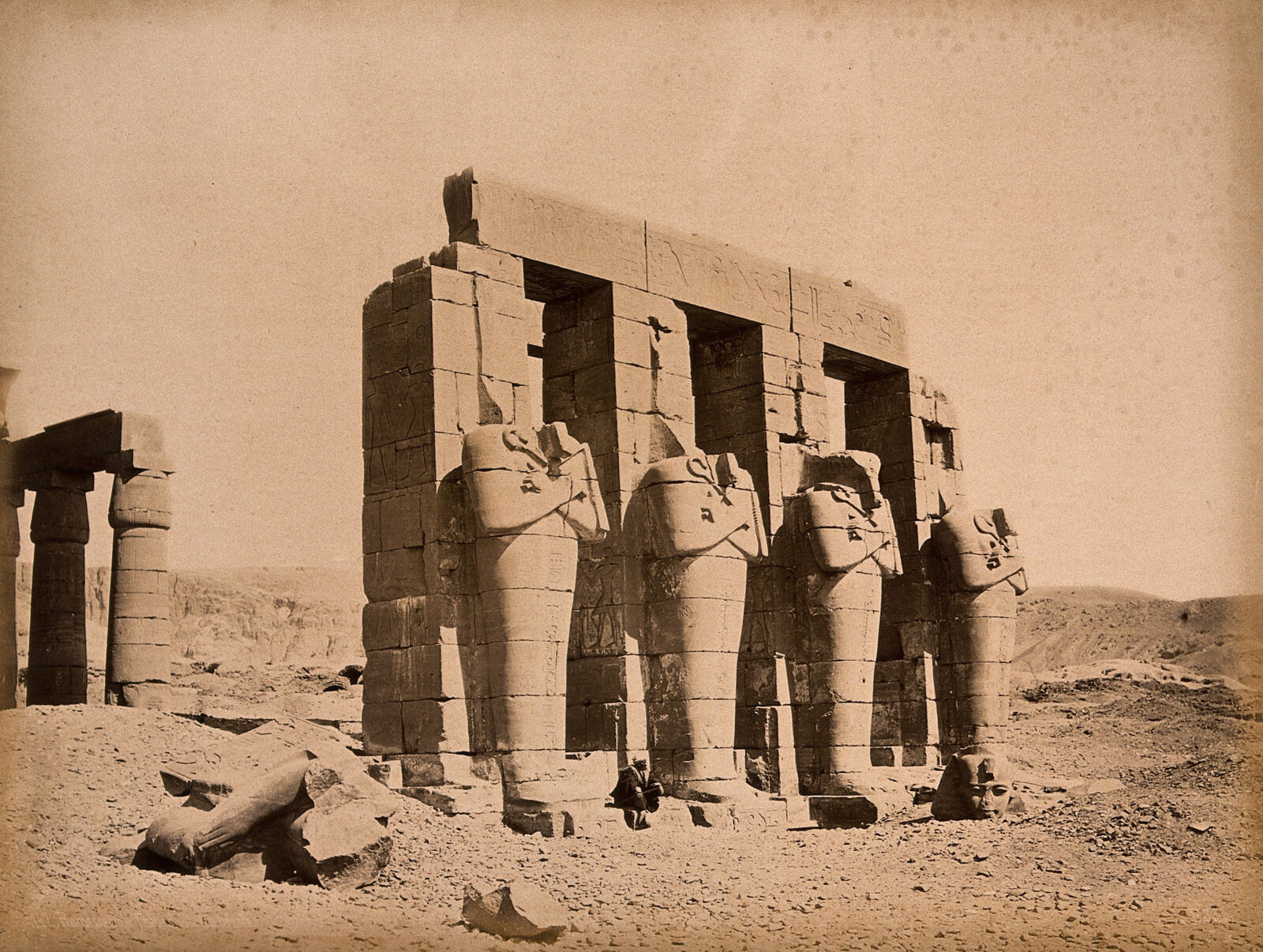
Ramesseum Colossi in Ruins
Pascal Sébah · c. 1875
Ready when you are
Start chatting with Ramses II (Ramses the Great) now.
20 messages free · No credit card · Available in 50+ languages.