


Secondary sourceArtifact1859
Scheutz Difference Engine
1859
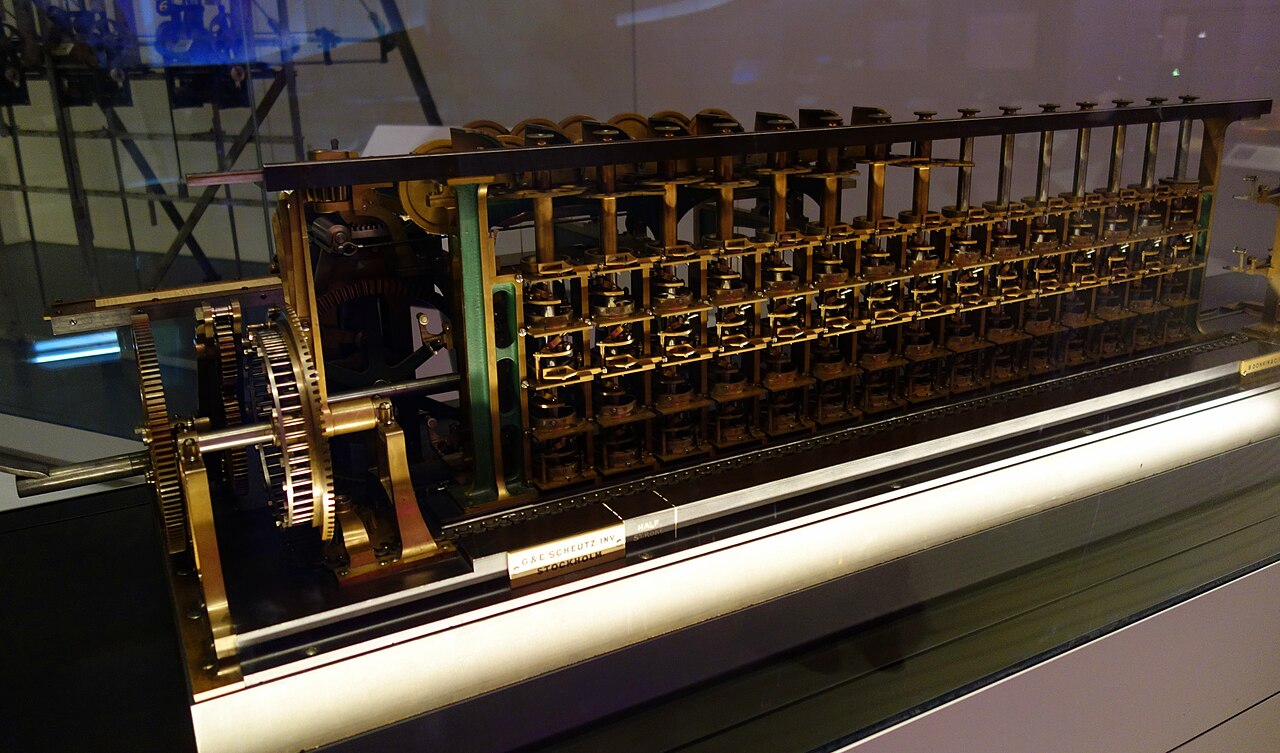
An 1859 mechanical calculating machine built on Charles Babbage's designs, now in the Science Museum, London.
Shows a mechanical calculating machine built on Babbage's designs, the world of computing Ada Lovelace helped theorize.
About this source
What it is
This photograph shows the Scheutz difference engine, built in 1859 and now displayed in the Science Museum, London. It is a brass and iron mechanical calculator made from designs originally developed by Charles Babbage.
Why it matters
Ada Lovelace worked closely with Babbage, translating and expanding on descriptions of his Analytical Engine with her own notes on how such machines could be programmed. This later machine, built on similar principles, helps show the kind of mechanical computing world Lovelace and Babbage imagined and worked within.
Look closer
- What do the gears, columns and crank suggest about how this machine performed calculations without electricity?
- Why might museums display machines like this to explain the history of computing?
- What does this object leave out about Ada Lovelace's own specific contribution?
This artifact is part of the curated material that grounds the AI version of Ada Lovelace on Humy.ai — when students ask about related events, the AI can quote it and cite it.
More Ada Lovelace sources
Meet the AI Ada Lovelace →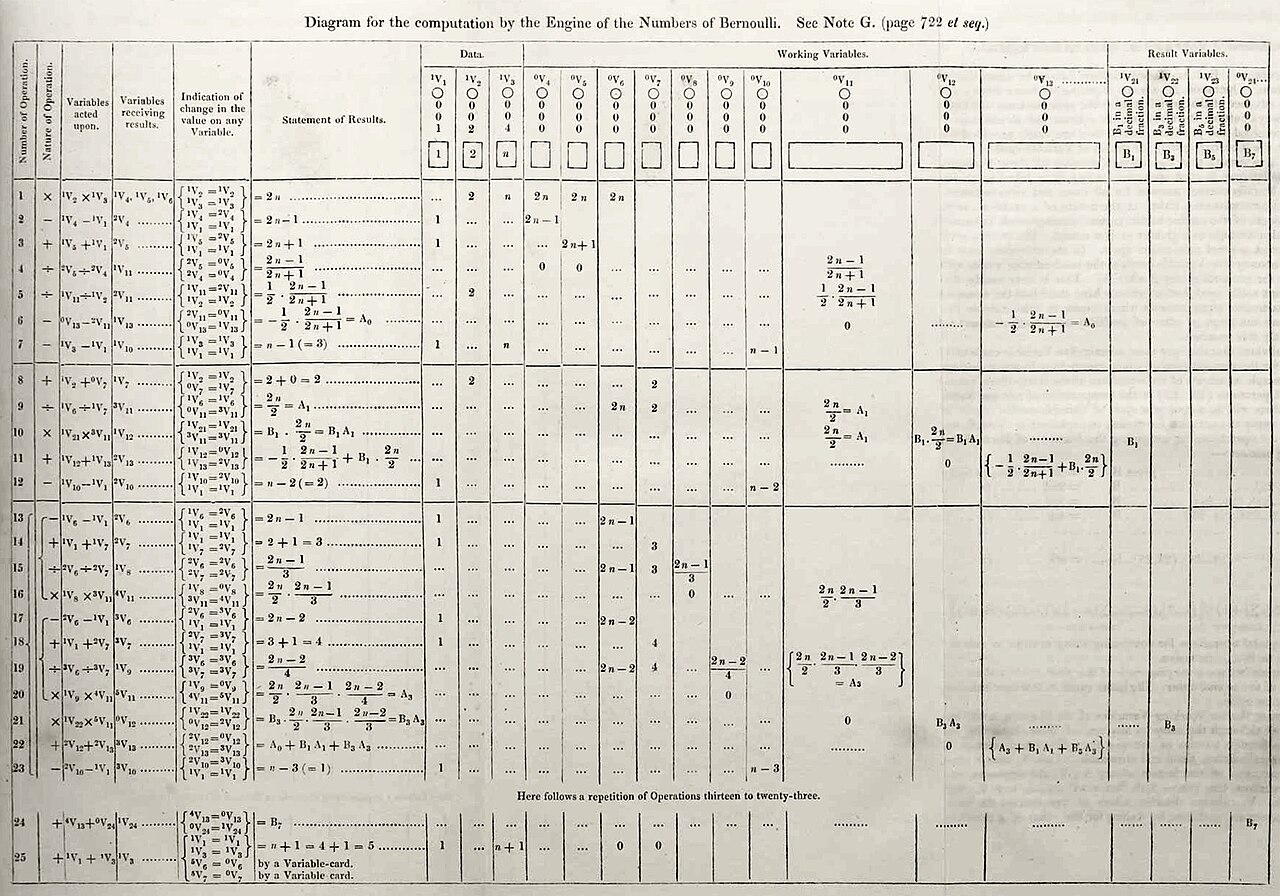 Document
Primary source
Note G
Ada Lovelace · 1843
 Book
Primary source
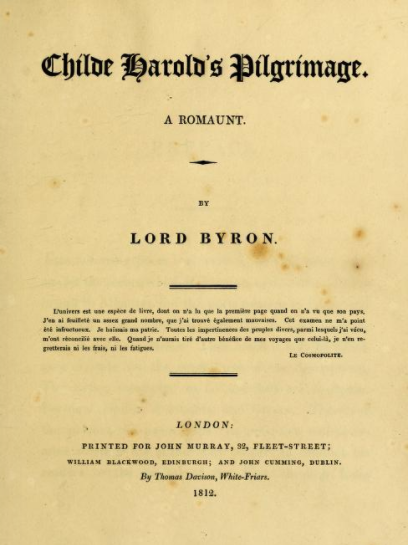
Childe Harold's Pilgrimage
Lord Byron · 1812
 Painting
Primary source
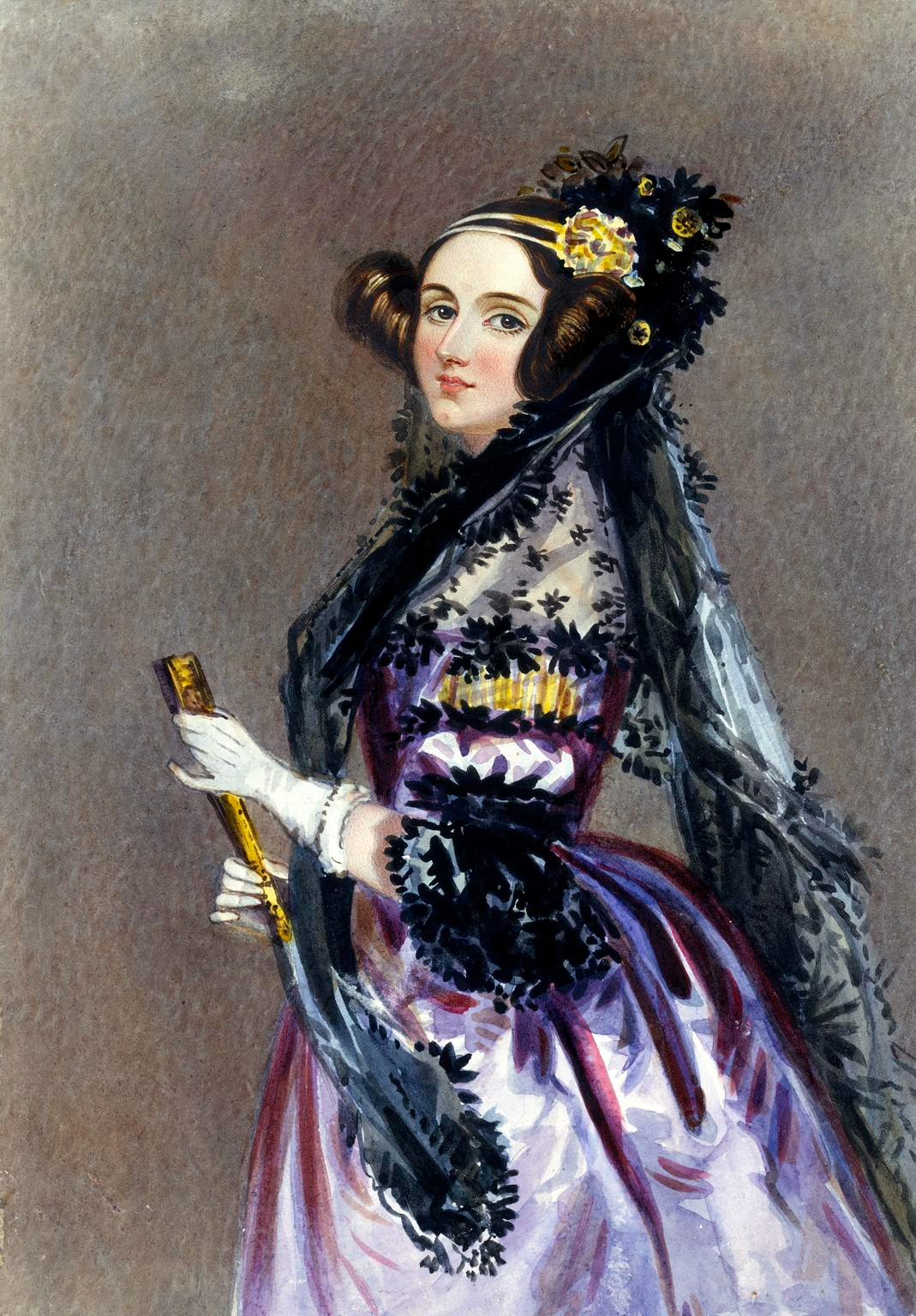
Watercolour Portrait of Ada Lovelace
Alfred Edward Chalon · c. 1840
 Painting
Primary source
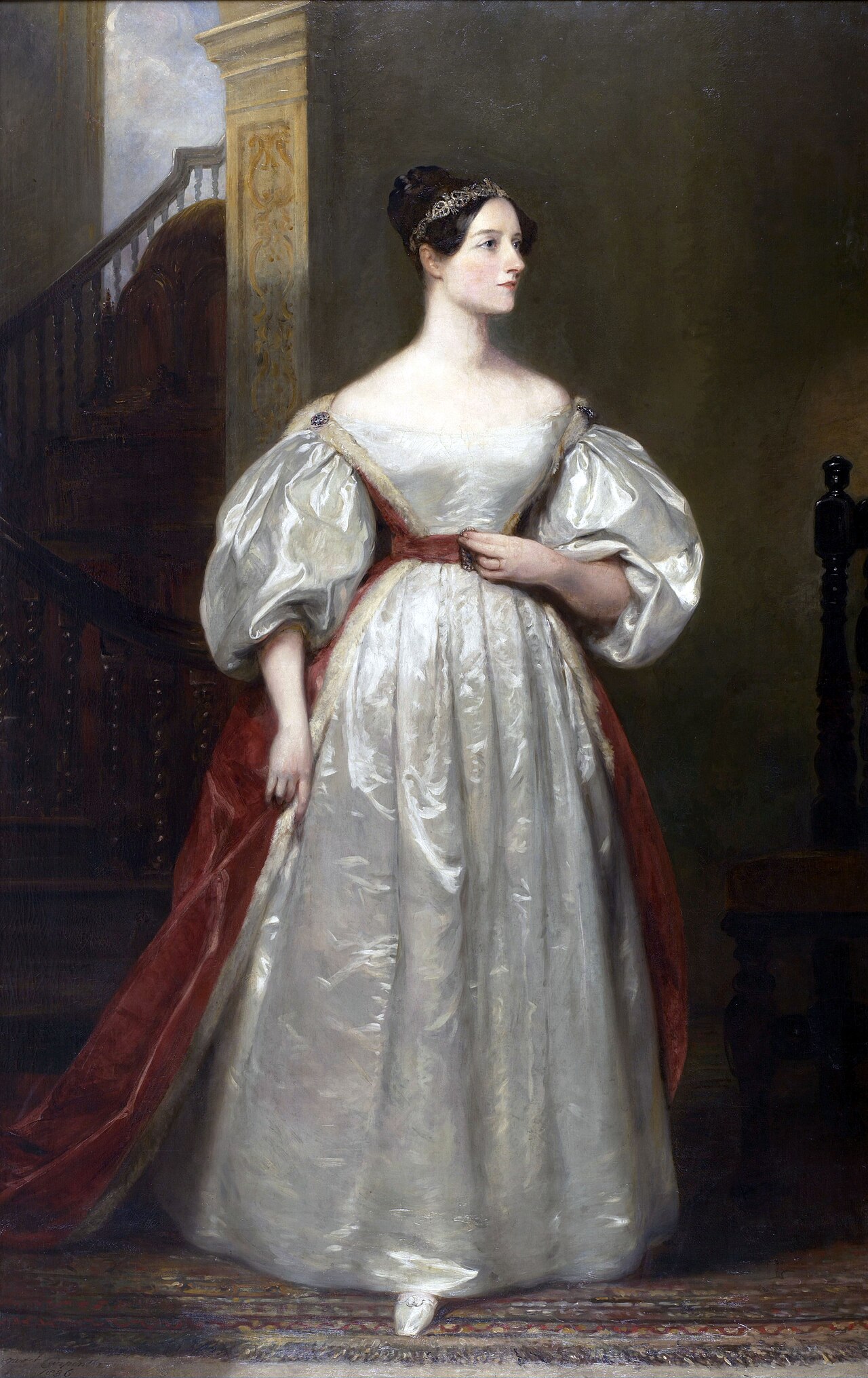
Portrait of Ada Lovelace by Margaret Carpenter
Margaret Sarah Carpenter · 1836
Primary source
Notions sur la machine analytique de M. Charles Babbage
Luigi Federico Menabrea · 1842
Ready when you are
Start chatting with Ada Lovelace now.
20 messages free · No credit card · Available in 50+ languages.