


Primary sourceDocument
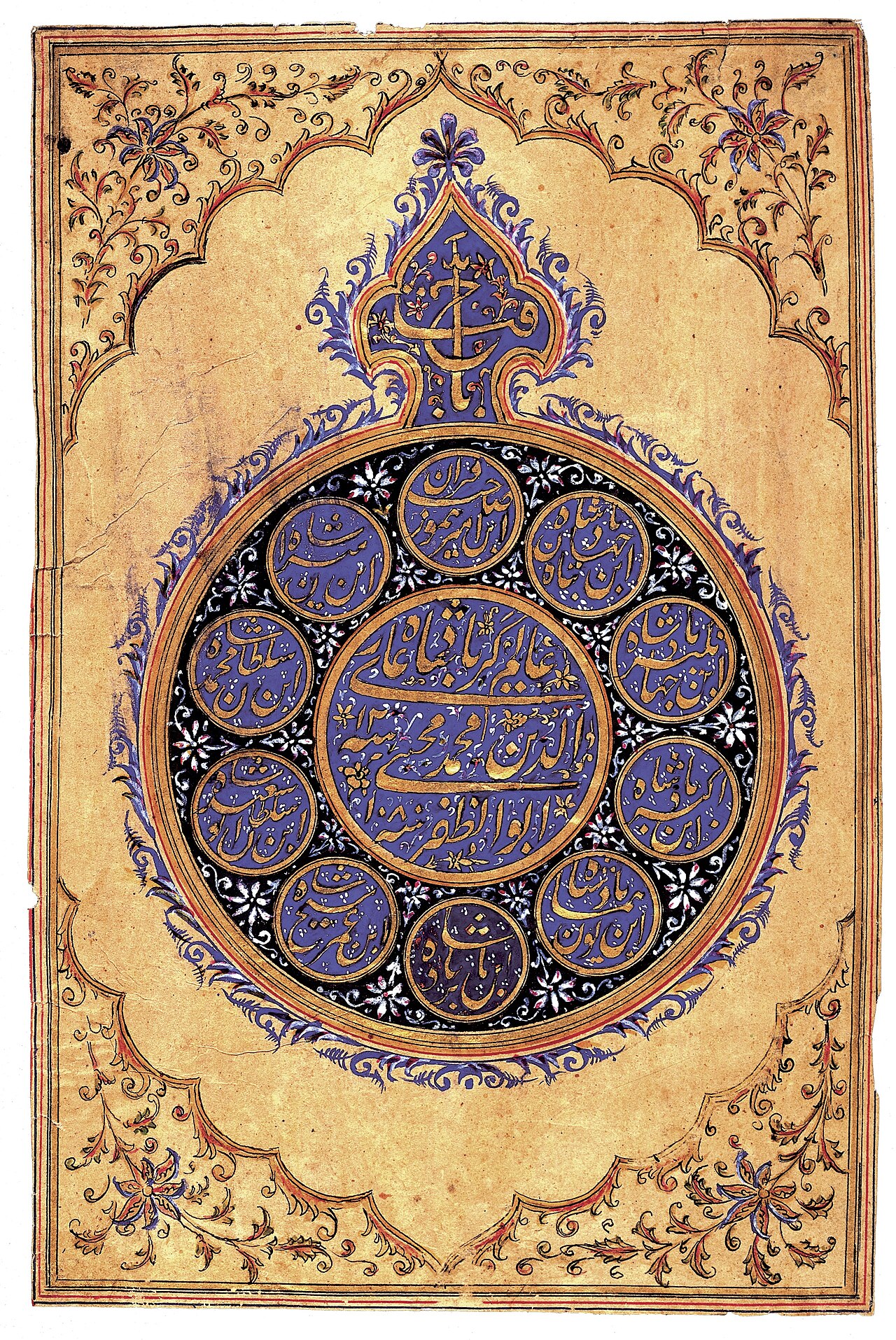
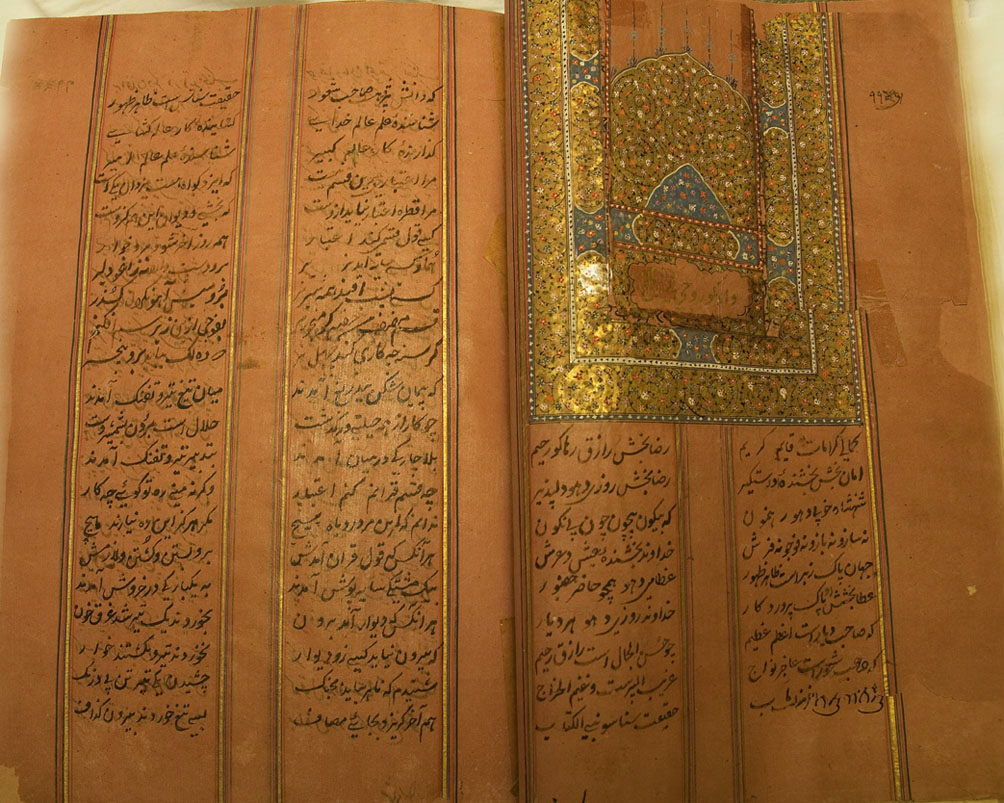
Seal of Aurangzeb
A painted record of the imperial seal used by Aurangzeb, showing his full titles and his Timurid ancestry.
Records Aurangzeb's own imperial seal, used to authorise his documents and assert his dynastic authority.
About this source
What it is
This is a painted illuminated record of the seal used by Emperor Aurangzeb to authorise documents. It shows his full name and titles, along with the names of his Mughal predecessors arranged around the central medallion.
Why it matters
Imperial seals were used to make official documents legitimate, and the inclusion of ancestors' names linked Aurangzeb to the Timurid line of Mughal emperors before him, asserting his right to rule. This object shows how Mughal rulers used calligraphy and design to display both religious and dynastic authority.
Look closer
- Why might an emperor want the names of his predecessors included on his own seal?
- What does the elaborate decoration suggest about the importance of official documents?
- What can a seal tell us, and what can it not tell us, about how a ruler actually governed?
This document is part of the curated material that grounds the AI version of Aurangzeb on Humy.ai — when students ask about related events, the AI can quote it and cite it.
More Aurangzeb sources
Meet the AI Aurangzeb →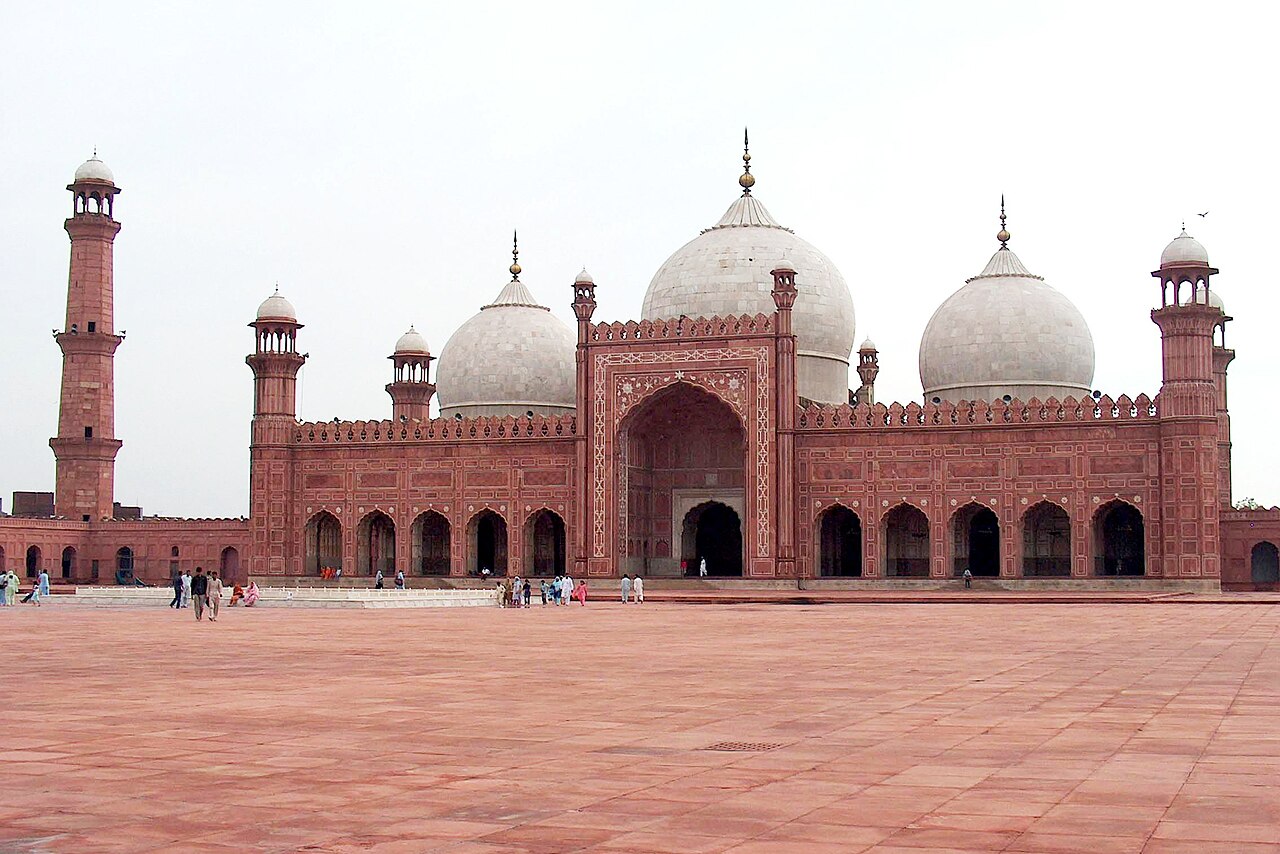 Artifact
Primary source
Badshahi Mosque
1671–1673
 Document
Primary source
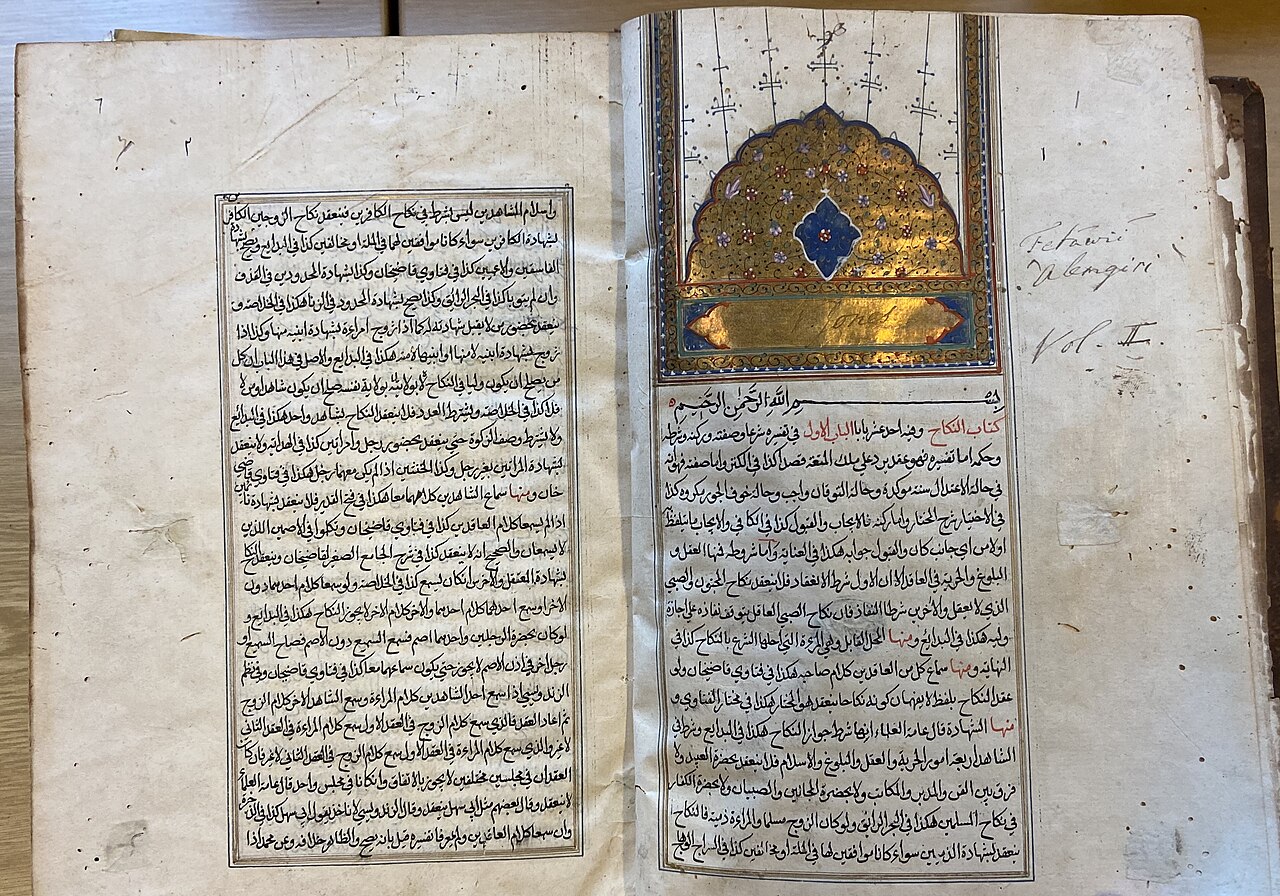
Fatawa-i Alamgiri Manuscript
17th century (this copy later recopied)
 Book
Secondary source
Maasir-i-Alamgiri
Saqi Musta'id Khan · c. 1710 (this copy 1763-1764)
Primary source
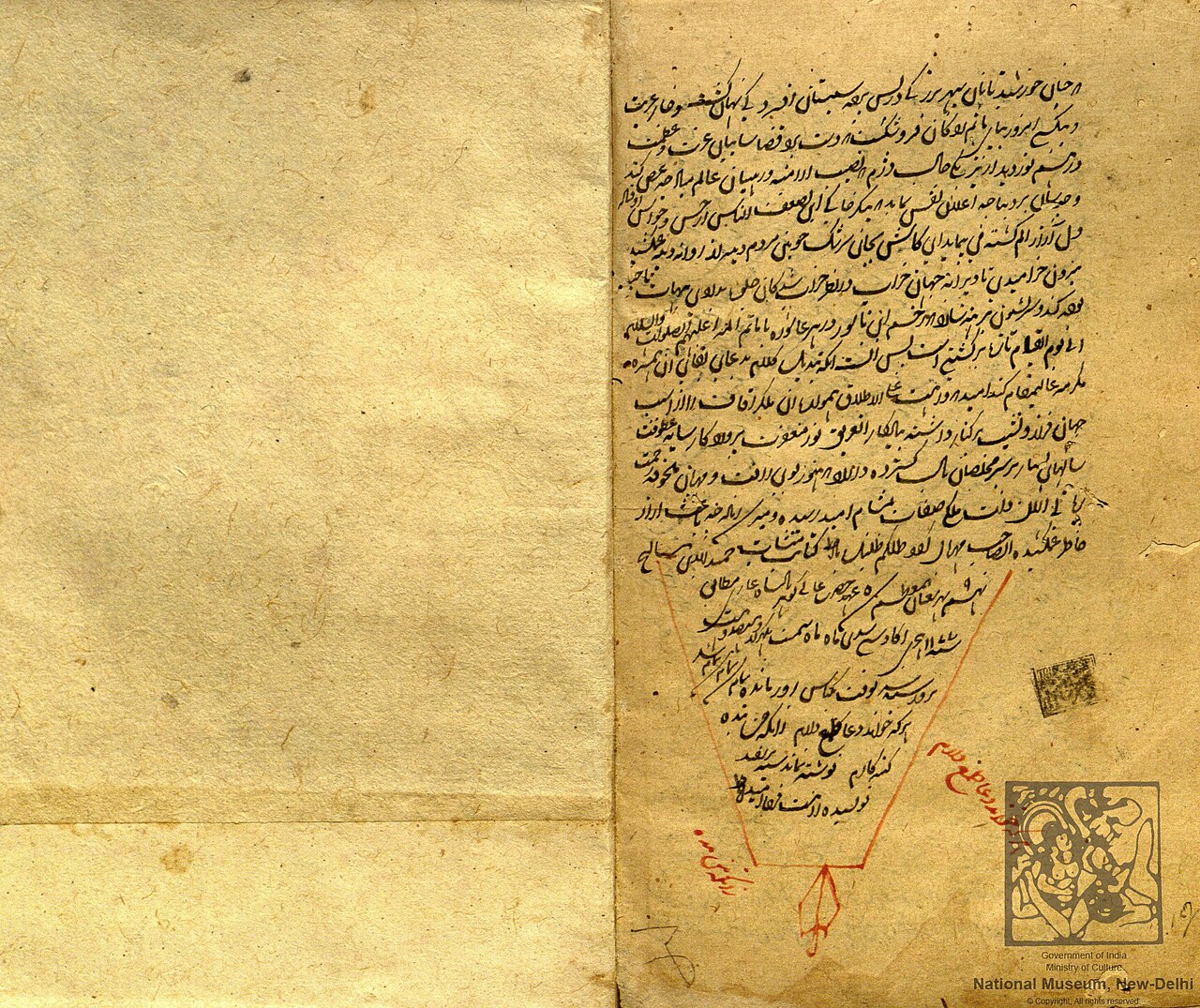
Ruka'at-i-Alamgiri
Aurangzeb · 17th century
 Letter
Primary source
Zafarnamah
Guru Gobind Singh · 1705
Ready when you are
Start chatting with Aurangzeb now.
20 messages free · No credit card · Available in 50+ languages.