


Secondary sourceSculptureMing dynasty (1366-1644)
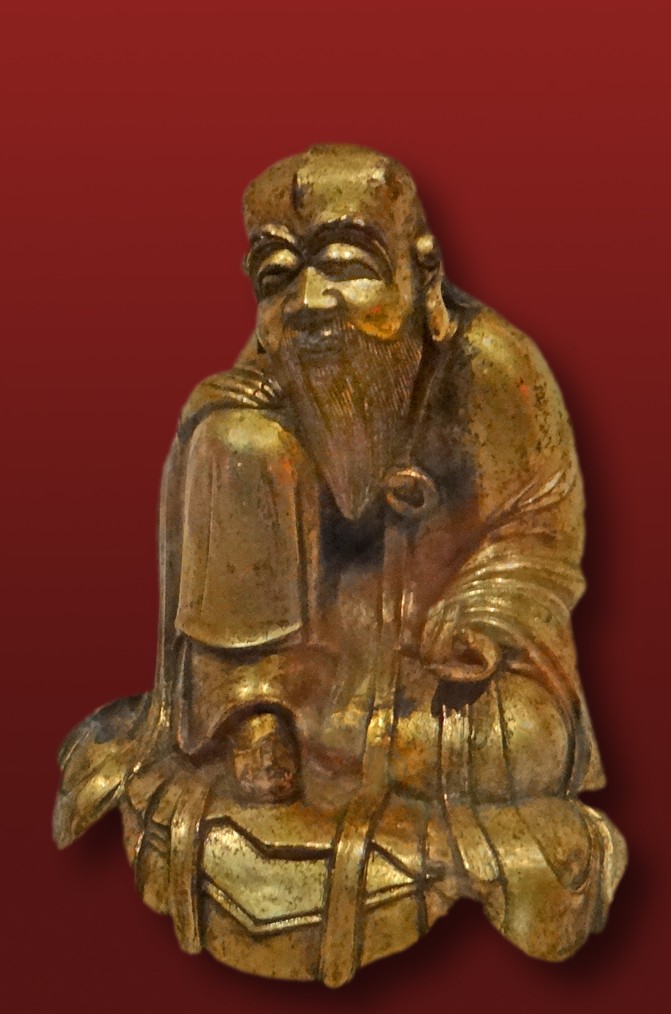
Seated Gilt Bronze Laozi
Ming dynasty (1366-1644)
A small Ming dynasty gilt bronze figure of Laozi, seated with one arm resting on a raised knee. It is held by the Musée Guimet in Paris.
It is a later statue showing how Laozi was imagined in the Ming dynasty, so it tells us about his image in later China more than about his life.
About this source
What it is
This is a small seated figure in gilt bronze, made in the Ming dynasty (1366-1644) and held by the Musée Guimet. It shows an elderly, bald, bearded man in robes, resting one arm on a raised knee. The photograph used for this record shows the figure against a dark red background. The facts available do not name the maker.
Why it matters
Laozi is a semi-legendary philosopher, traditionally credited with the Tao Te Ching. Statues like this one show how later Chinese makers pictured him, as an old sage. Because the figure was made centuries after the period Laozi is said to have lived, it reveals the ideas and tastes of the Ming period more than the appearance of the historical man.
Look closer
- What features make this figure look old and wise, and what else signals who it shows?
- Why might a maker choose gilt bronze for a figure of a philosopher?
- What can we not know about this statue from the photograph alone, such as its size, original setting, or maker?
This sculpture is part of the curated material that grounds the AI version of Laozi on Humy.ai — when students ask about related events, the AI can quote it and cite it.
More Laozi sources
Meet the AI Laozi →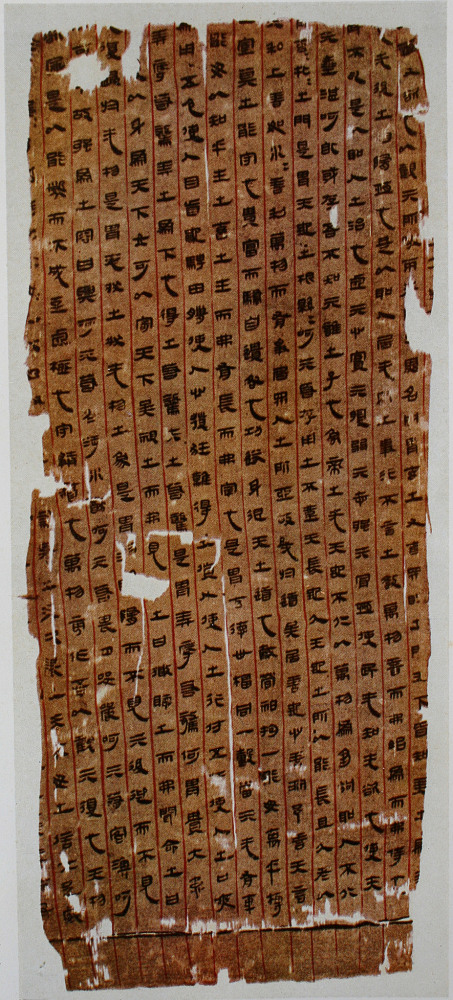 Book
Secondary source
Tao Te Ching
Laozi · c. 4th-3rd century BCE
 Artifact
Primary source
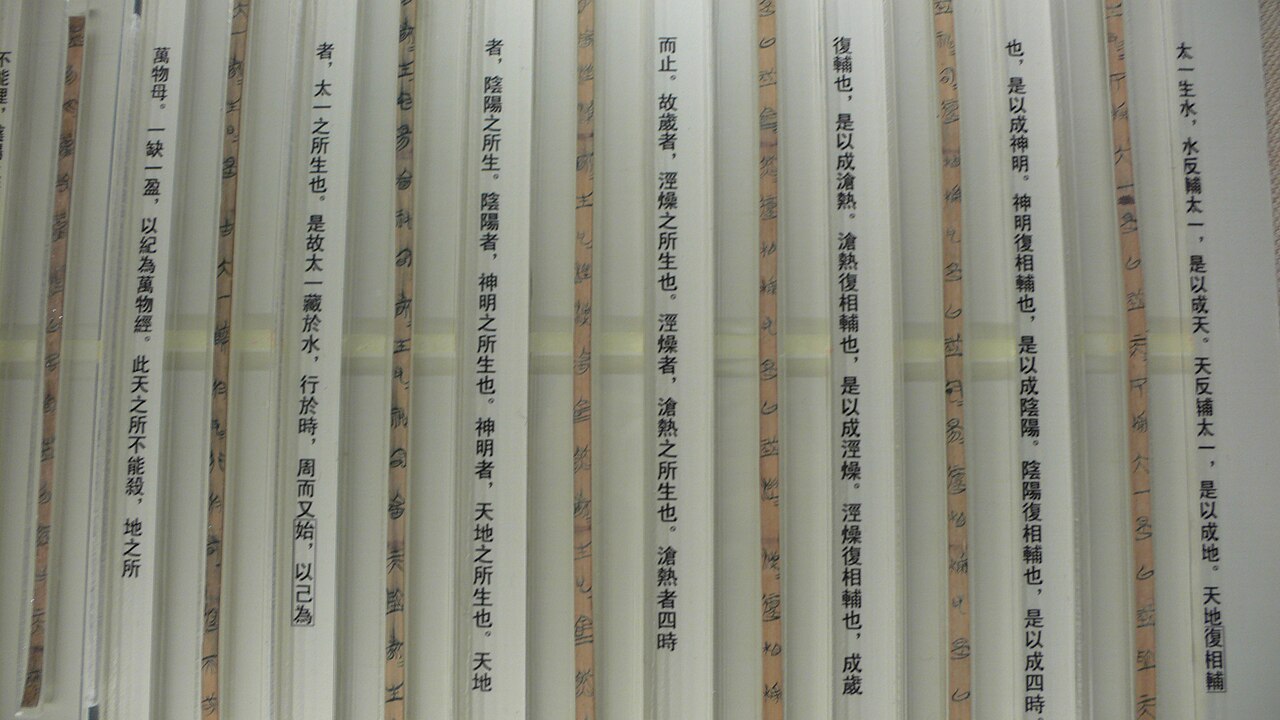
Bamboo Texts of Guodian
c. 300 BCE
 Book
Primary source
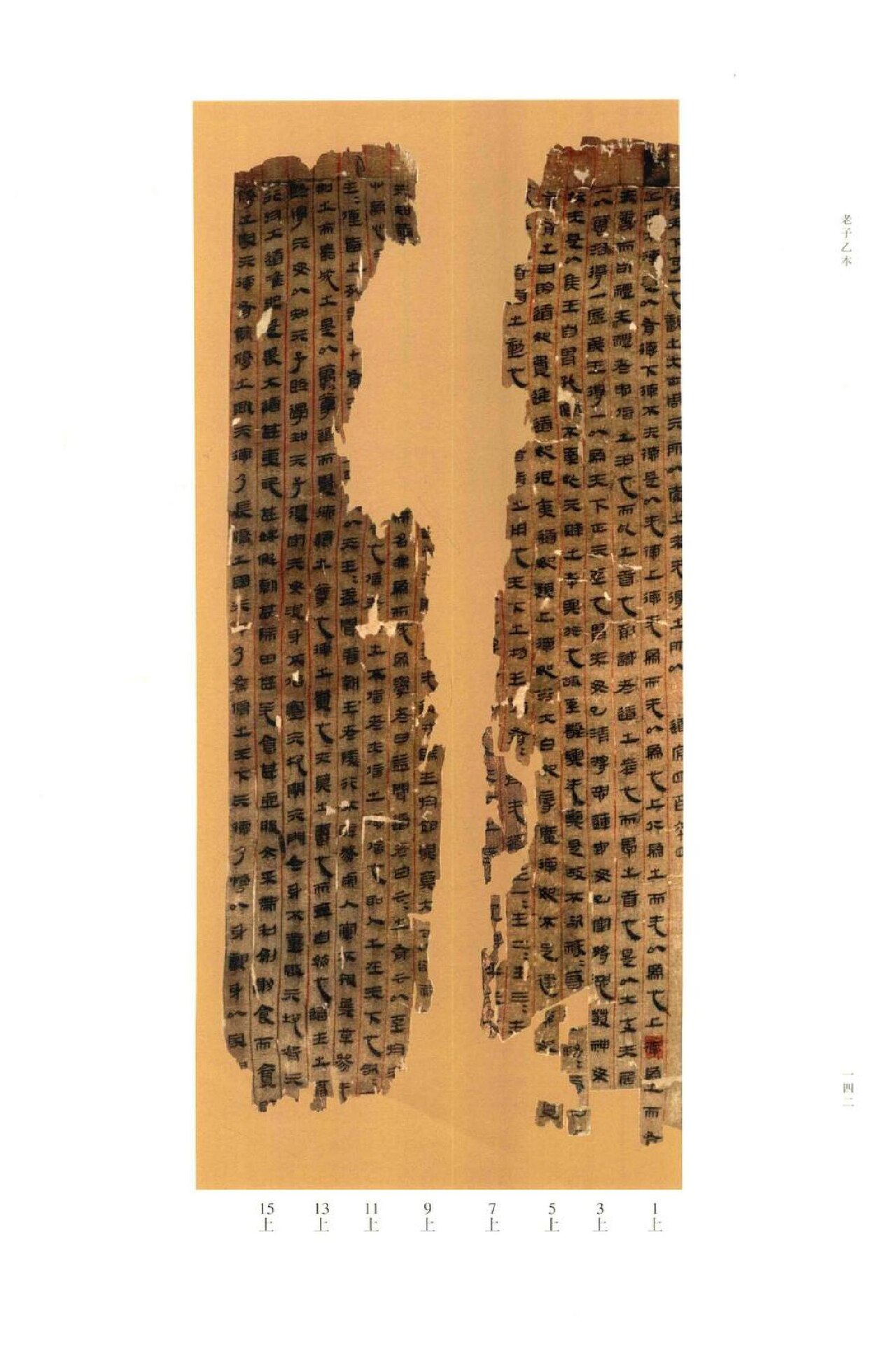
Mawangdui Silk Texts of the Laozi
Anonymous Han scribes · c. 200-168 BCE
 Book
Secondary source
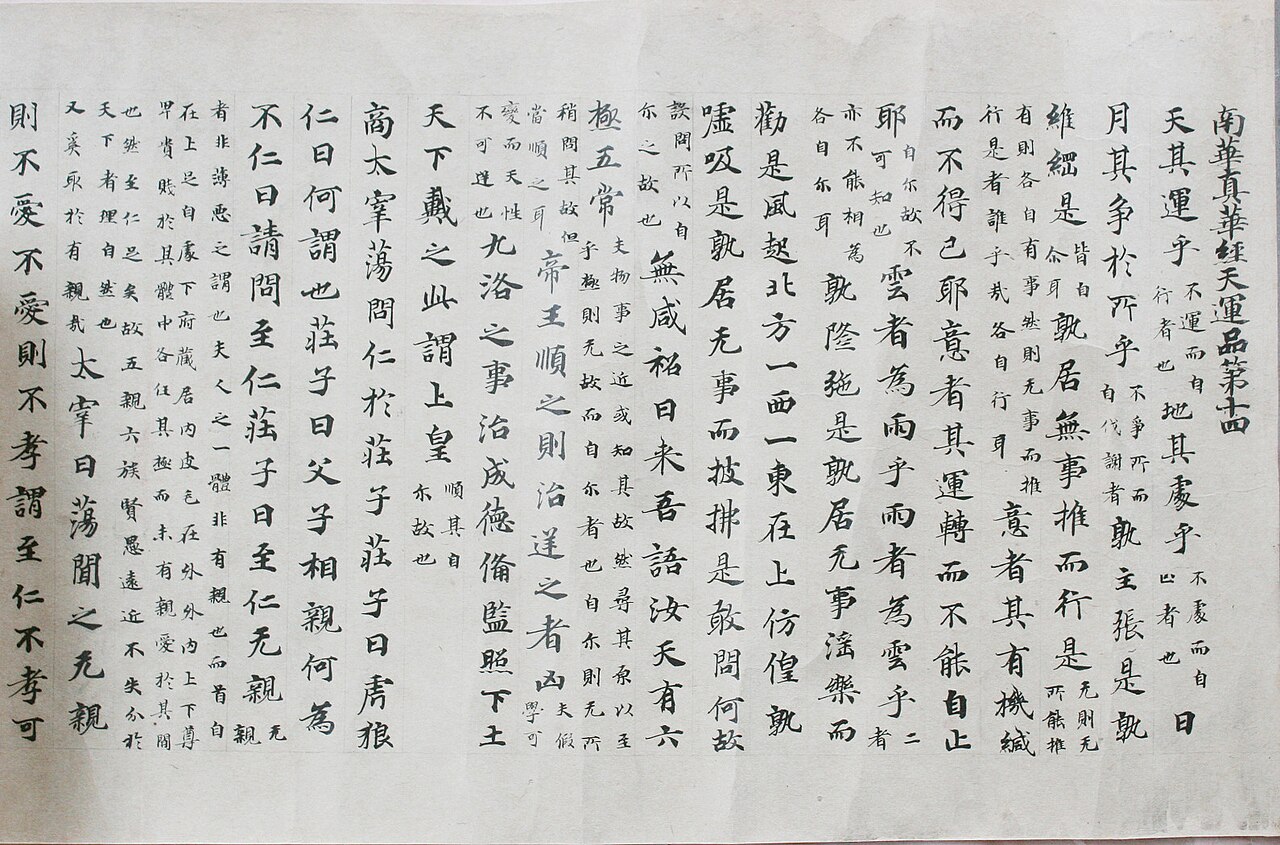
Zhuangzi
Zhuang Zhou · c. 300 BCE
 Painting
Secondary source
Confucius and Laozi fresco, Dongping tomb
Anonymous Chinese painter of the Western Han period · Western Han period, c. 2000 years old
Ready when you are
Start chatting with Laozi now.
20 messages free · No credit card · Available in 50+ languages.