


Primary sourceSculpturec. 1279 BCE
Seated Statue of Ramesses II
c. 1279 BCE
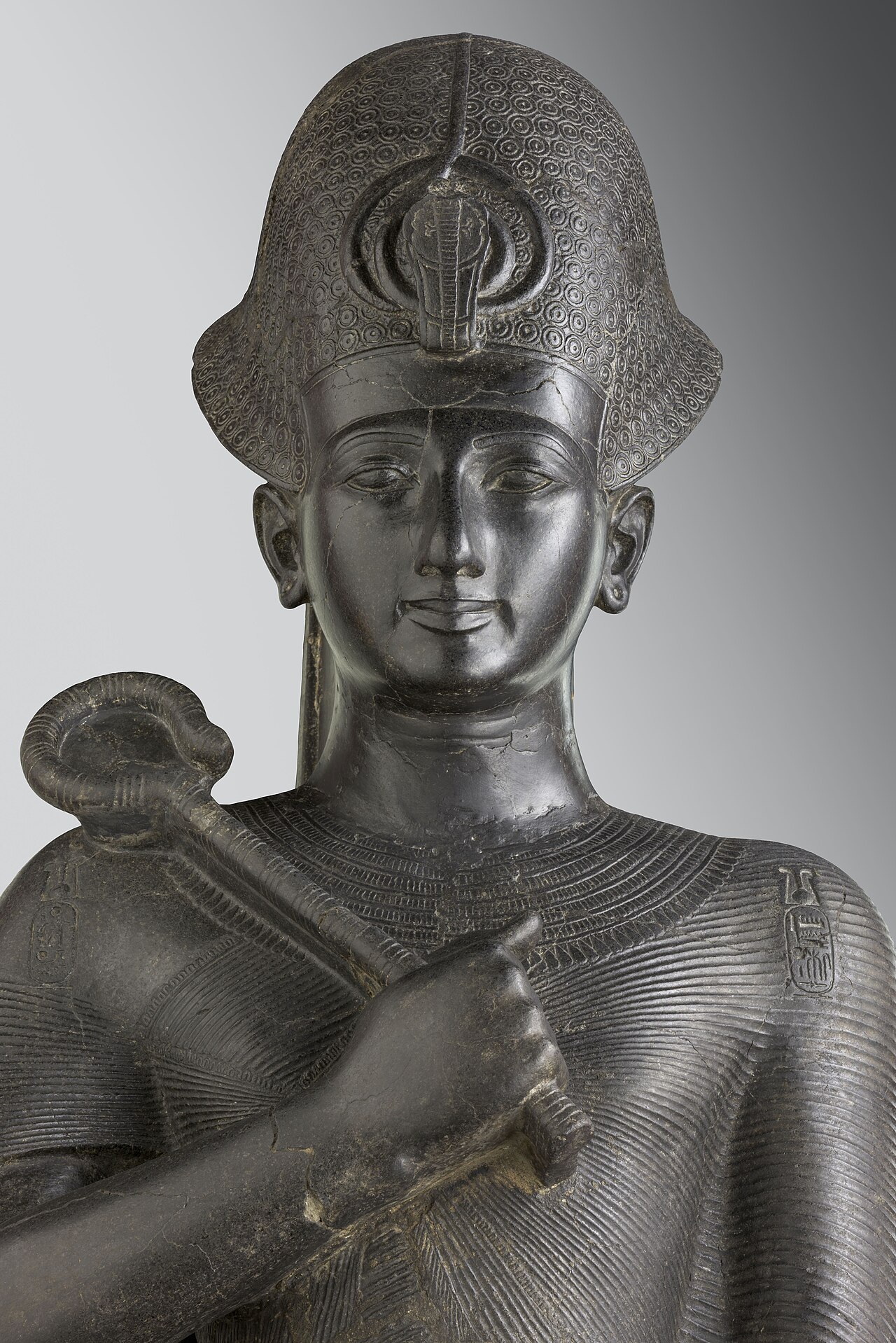
A granodiorite statue showing the young Ramesses II seated, wearing the blue crown and holding a crook.
This statue is a lifetime portrait of Ramesses II as a young king, made during his own reign.
About this source
What it is
This is a granodiorite statue carved during the Nineteenth Dynasty of Egypt, dated to the start of the reign of Ramesses II. It shows the king seated, wearing the blue crown with a raised uraeus cobra, his arms crossed over his chest holding a scepter. It is kept today in the Museo Egizio in Turin.
Why it matters
Curators describe this as one of the finest lifetime portraits of the young king. It shows how Egyptian sculptors shaped royal images to present an idealised, youthful, divine ruler, and gives historians a sense of how Ramesses II wanted to be seen early in his long reign.
Look closer
- What does the calm, smiling expression suggest about how the king wanted to be remembered?
- Why might the crown and crook have been important symbols to include?
- What parts of the real person might this idealised image leave out?
This sculpture is part of the curated material that grounds the AI version of Ramses II (Ramses the Great) on Humy.ai — when students ask about related events, the AI can quote it and cite it.
More Ramses II (Ramses the Great) sources
Meet the AI Ramses II (Ramses the Great) →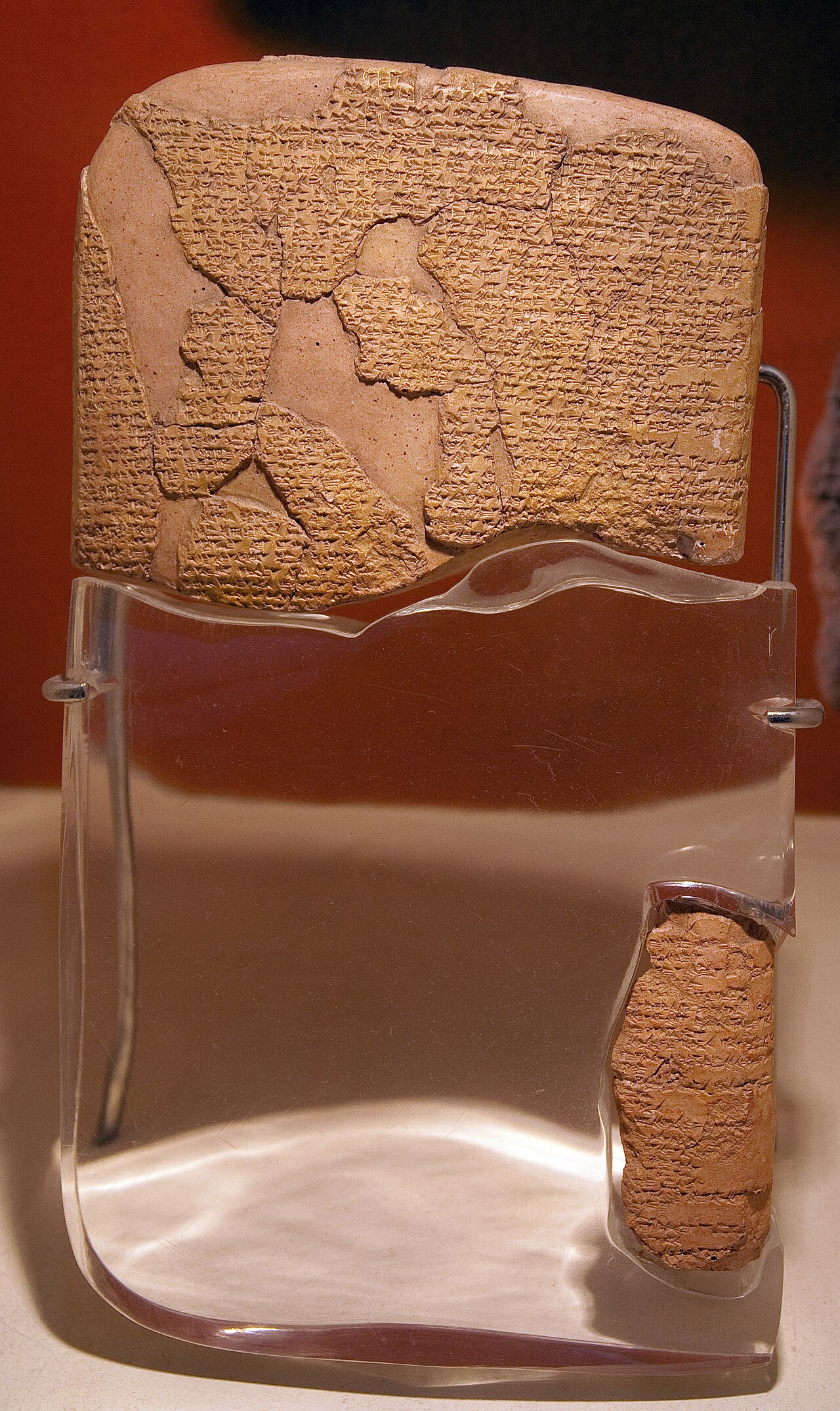 Document
Primary source
Egyptian–Hittite Peace Treaty
c. 1258 BCE
 Photograph
Secondary source
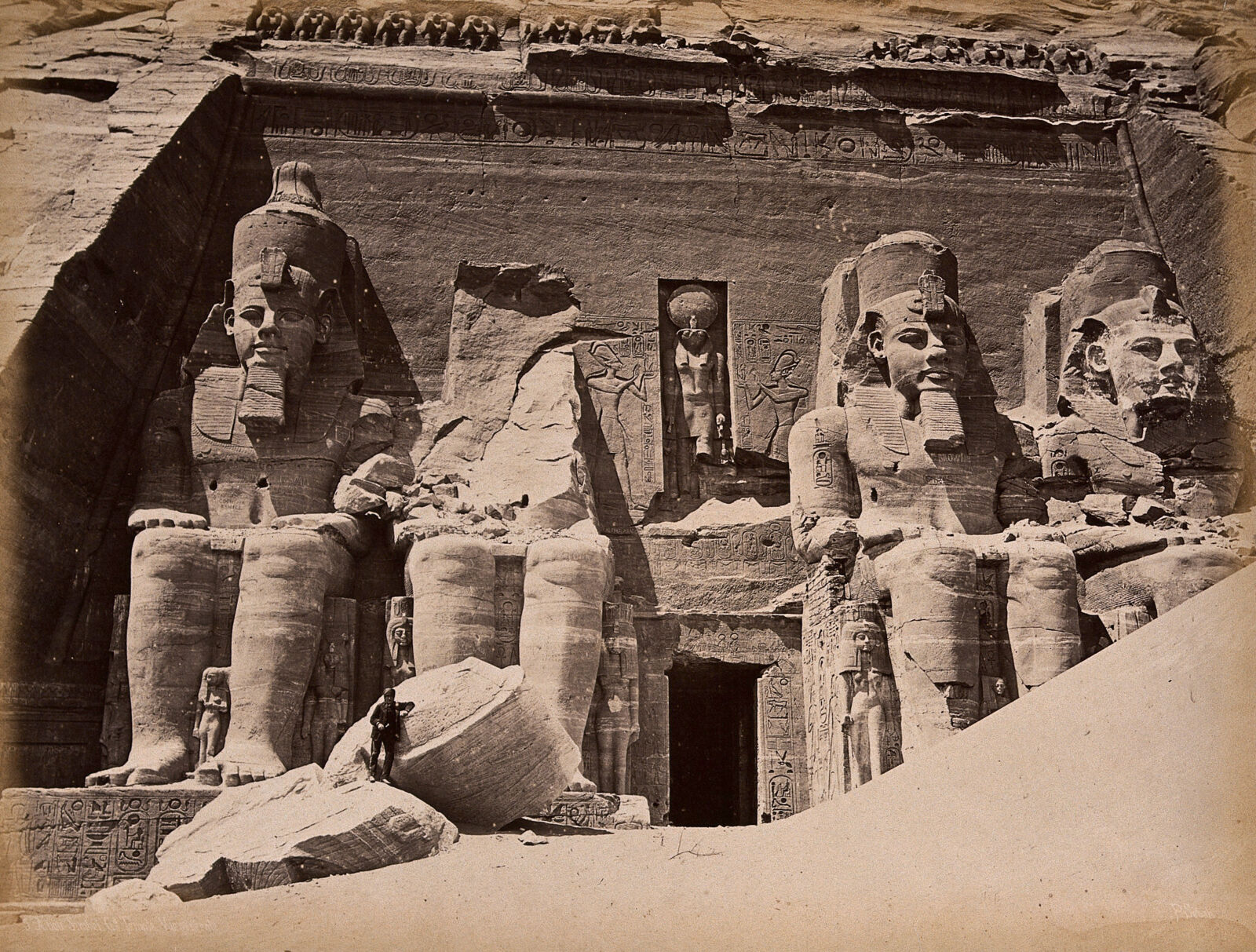
Abu Simbel Temple Colossi
Pascal Sébah · 1875
 Artifact
Primary source
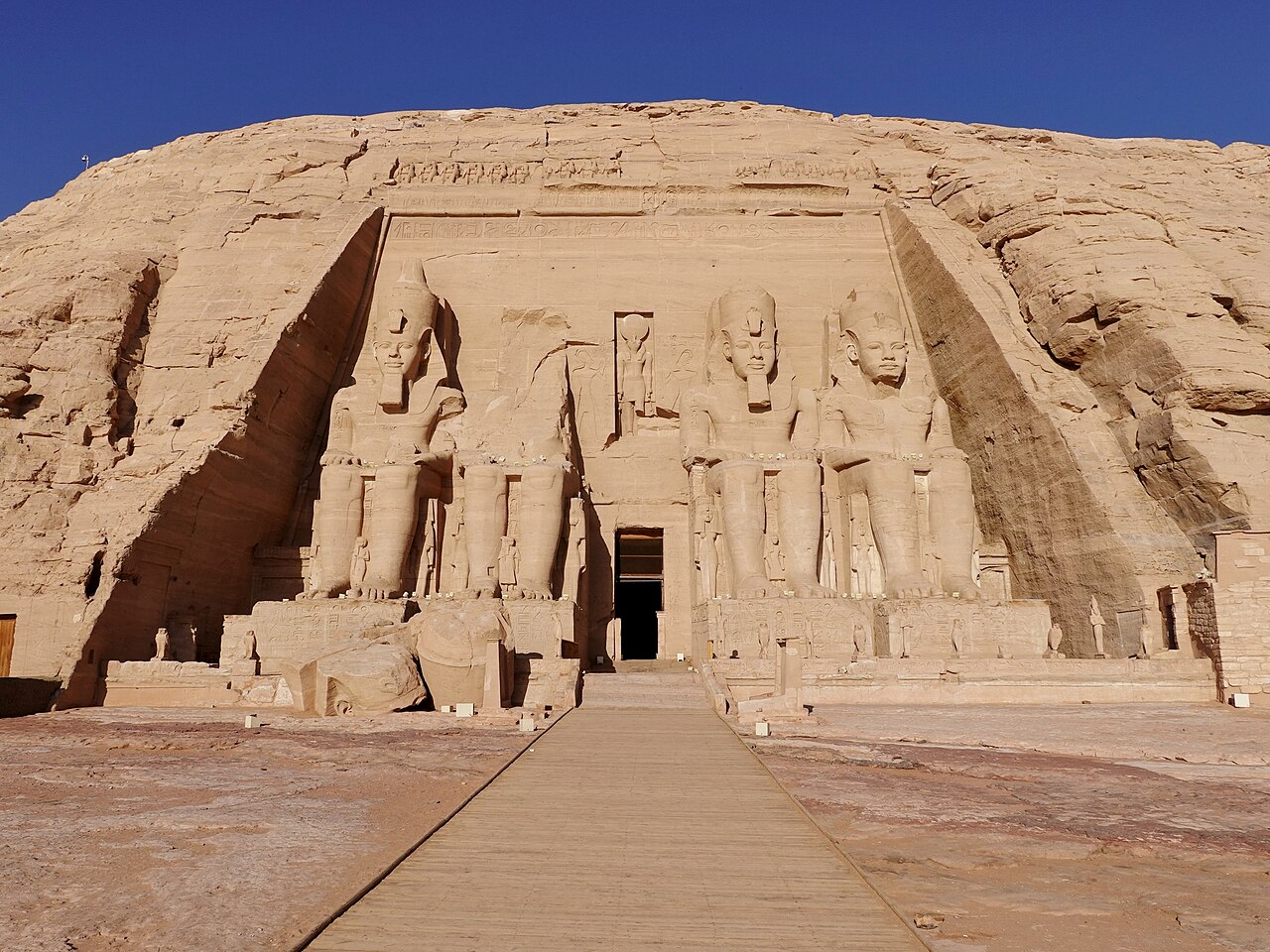
Abu Simbel
Ramesses II · c. 1273 BCE
 Photograph
Secondary source
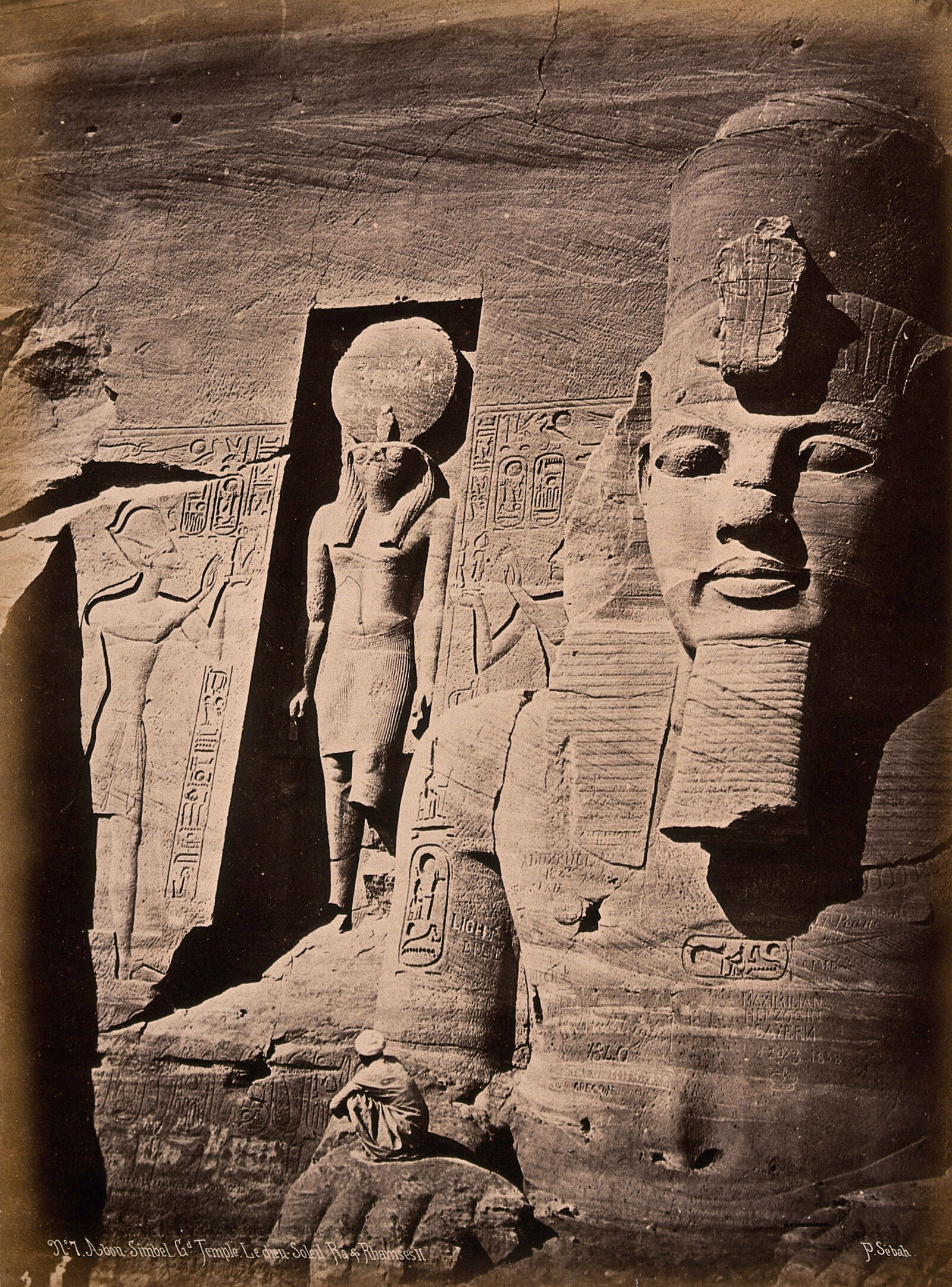
Facade Detail of Abu Simbel Showing Ramesses II and Ra
Pascal Sébah · 1875
 Photograph
Secondary source
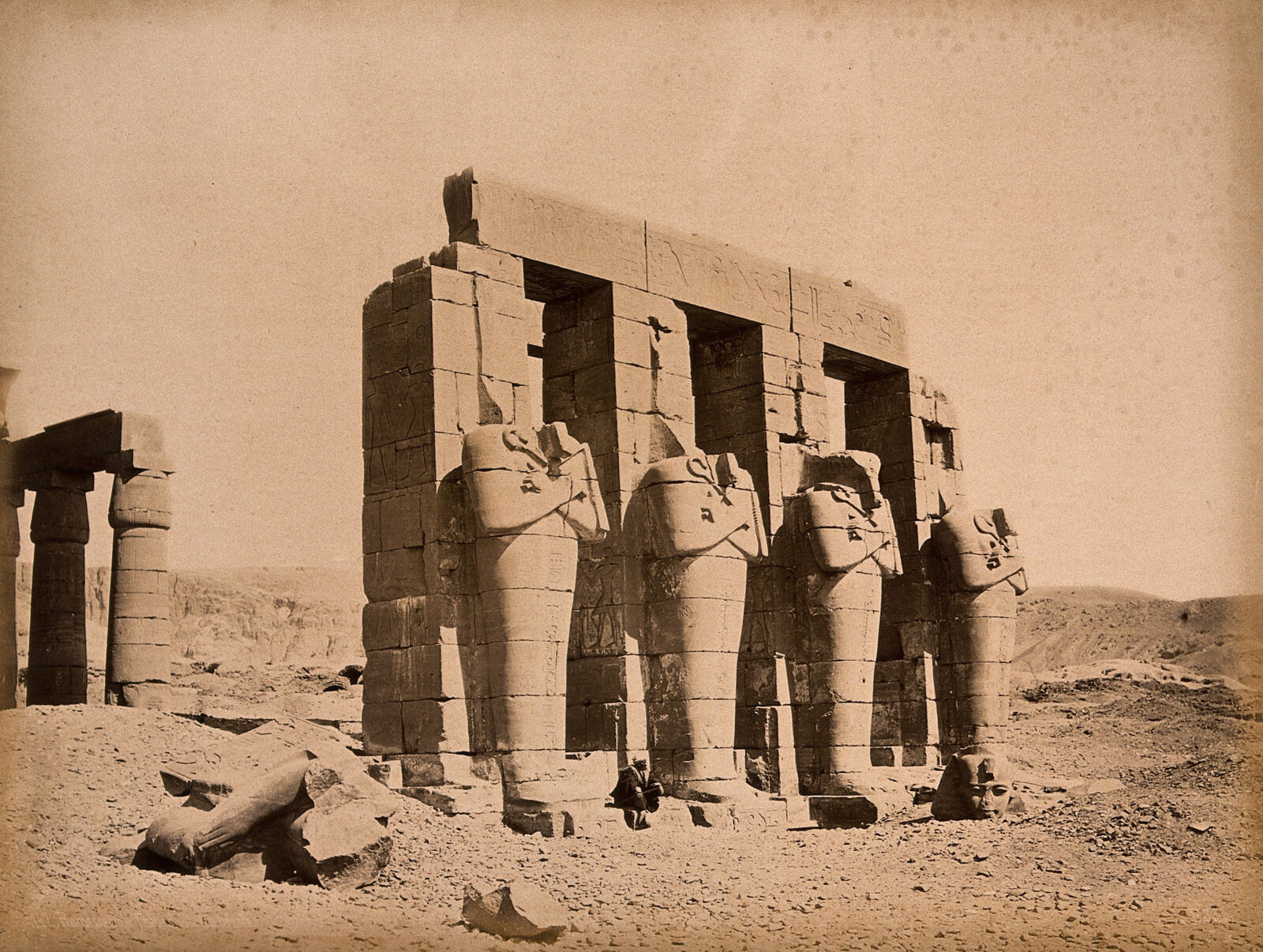
Ramesseum Colossi in Ruins
Pascal Sébah · c. 1875
Ready when you are
Start chatting with Ramses II (Ramses the Great) now.
20 messages free · No credit card · Available in 50+ languages.