


Secondary sourceBook1787
Select Fables of Aesop with a literal English translation
H. Clarke · 1787
A Boston schoolbook from 1787 that gives Latin fables of Aesop with a literal English translation, made for beginners learning Latin.
This schoolbook of Aesop's fables, with a literal English translation, shows how the figure's stories were used to teach Latin to beginners in the late 1700s.
Free Humy account · No credit card · 120,912 sources to read

About this source
What it is
This is a small schoolbook printed by Samuel Hall in Boston in 1787. Its full title is Fabulae Aesopi selectae, or Select Fables of Aesop, with an English translation designed to be more literal than any then in print. It was written by H. Clarke, who is described as a teacher of the Latin language. Its preface explains that the book was made to help boys with the difficulties of Latin idioms and word choices. The copy available is a scanned PDF of the book from the Internet Archive.
Why it matters
Aesop's fables were a standard early text for students learning Latin, and this book shows how they were used in a classroom. A literal translation placed beside the Latin lets a learner check each word, so the book reveals as much about how schooling worked as about the fables. It also shows that Aesop's stories were valued as teaching material for children.
Look closer
- Why might a translation that is 'more literal' help a beginner, and what could it cost in a reader's understanding?
- What does the preface say makes Latin hard for boys who are just starting to learn it?
- How does using a fable as a language exercise change what a student pays attention to in the story?
This book is part of the curated material that grounds the AI version of Aesop on Humy.ai — when students ask about related events, the AI can quote it and cite it.
More Aesop sources
Browse all 85 →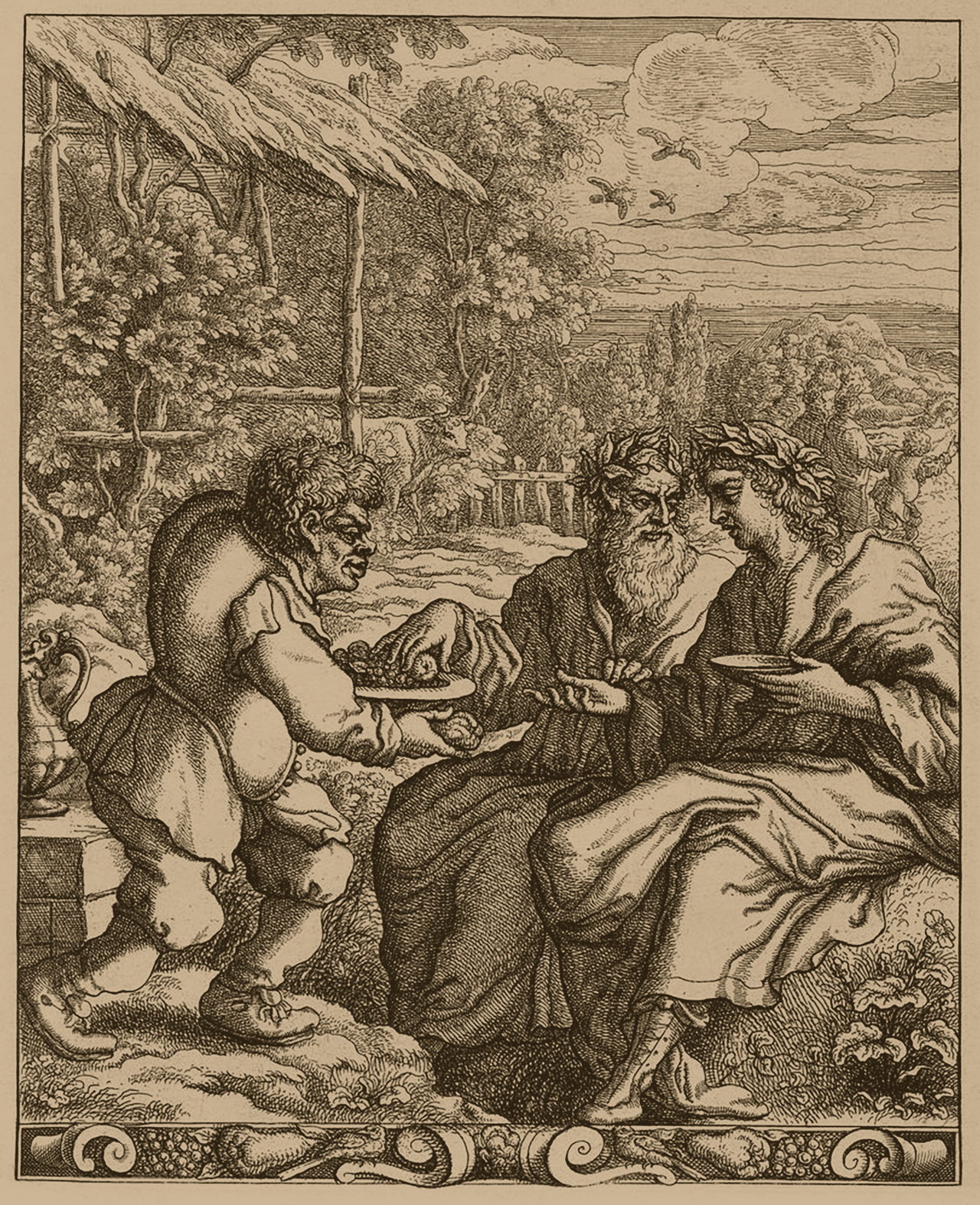 Book
Secondary source
Aesop's Fables
Aesop (attributed) · compiled from the 3rd century BCE onward
 Artifact
Secondary source
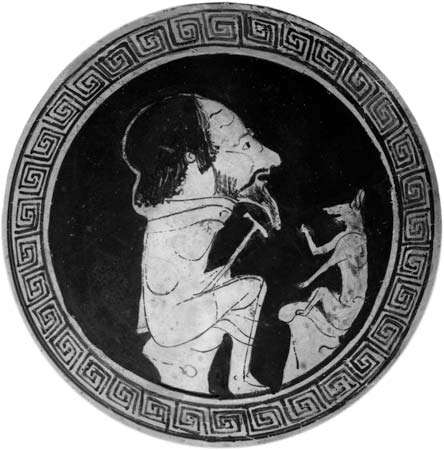
Aesop and the Fox (Red-Figure Kylix)
Unknown Greek artist · c. 450 BCE
 Book
Secondary source
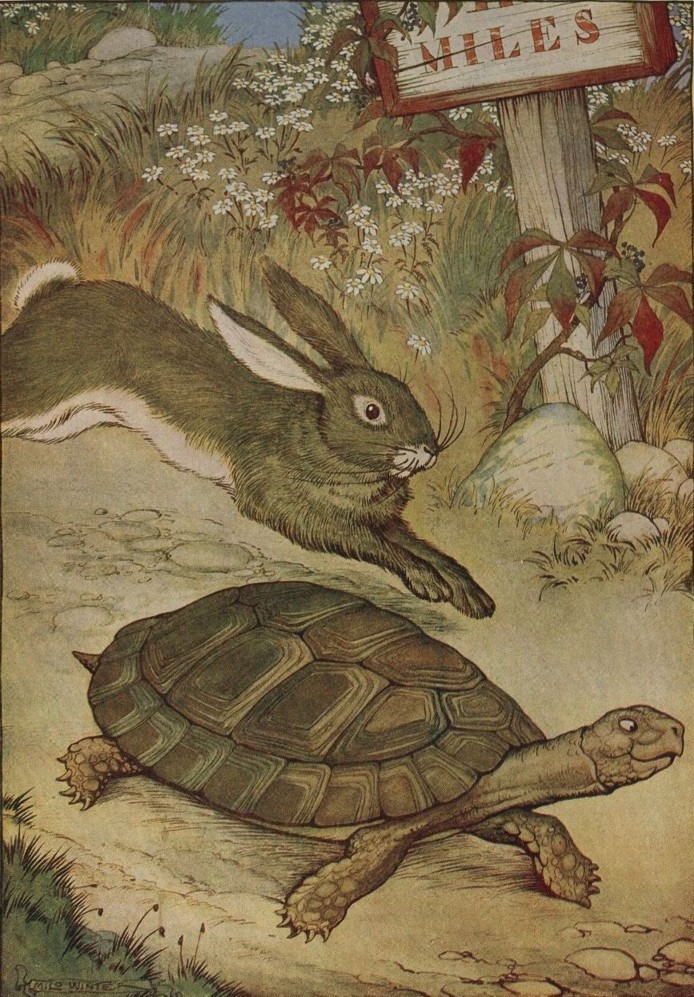
The Tortoise and the Hare
Aesop (attributed) · ancient Greek origin, no early Latin version; printed from 16th century
 Book
Secondary source
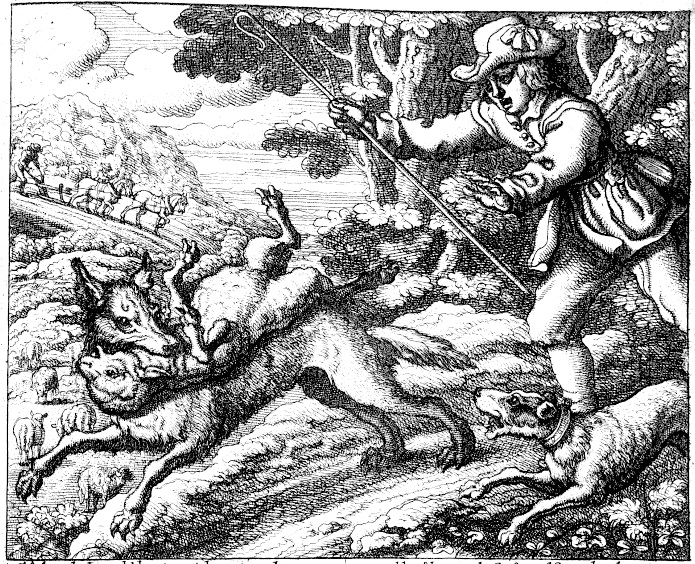
The Boy Who Cried Wolf
Aesop (attributed) · ancient Greek origin; translated into Latin in the 15th century
Free account
Read every Aesop source
Sign up free →
Ready when you are
Start chatting with Aesop now.
20 messages free · No credit card · Available in 50+ languages.