


Secondary sourceBook1764
Select Fables of Esop and other fabulists
Robert Dodsley · 1764
A 1764 Birmingham printing of a selected collection of Aesop's fables and other fables, prepared for young readers. It shows how eighteenth-century editors presented Aesop.
This 1764 selection presents fables attributed to Aesop as lessons for young people, showing how his tales were studied in the eighteenth century.
Free Humy account · No credit card · 120,912 sources to read

About this source
What it is
This is a book titled Select Fables of Esop and other Fabulists, in three books, published by R. and J. Dodsley in Pall-mall in 1764 and printed in Birmingham by John Baskerville. The title page includes a quotation from Milton's Paradise Lost. The preface says that fables of Aesop have long been regarded as good lessons for youth, and that many writers in verse and prose had tried to dress them in English. The scanned copy is available as a PDF from the Internet Archive.
Why it matters
Eighteenth-century English editions like this one show that Aesop's fables were used as school and family reading. Adding other fabulists to the collection shows that editors treated Aesop as one name among many fable-tellers, and that the stories were valued for their moral lessons.
Look closer
- Why does the preface say the fables are the best lessons for youth?
- What might the choice of a Milton quotation tell readers about the book's purpose?
- Which fables or morals might an 1764 editor have chosen to keep, and what might they have changed?
This book is part of the curated material that grounds the AI version of Aesop on Humy.ai — when students ask about related events, the AI can quote it and cite it.
More Aesop sources
Browse all 85 →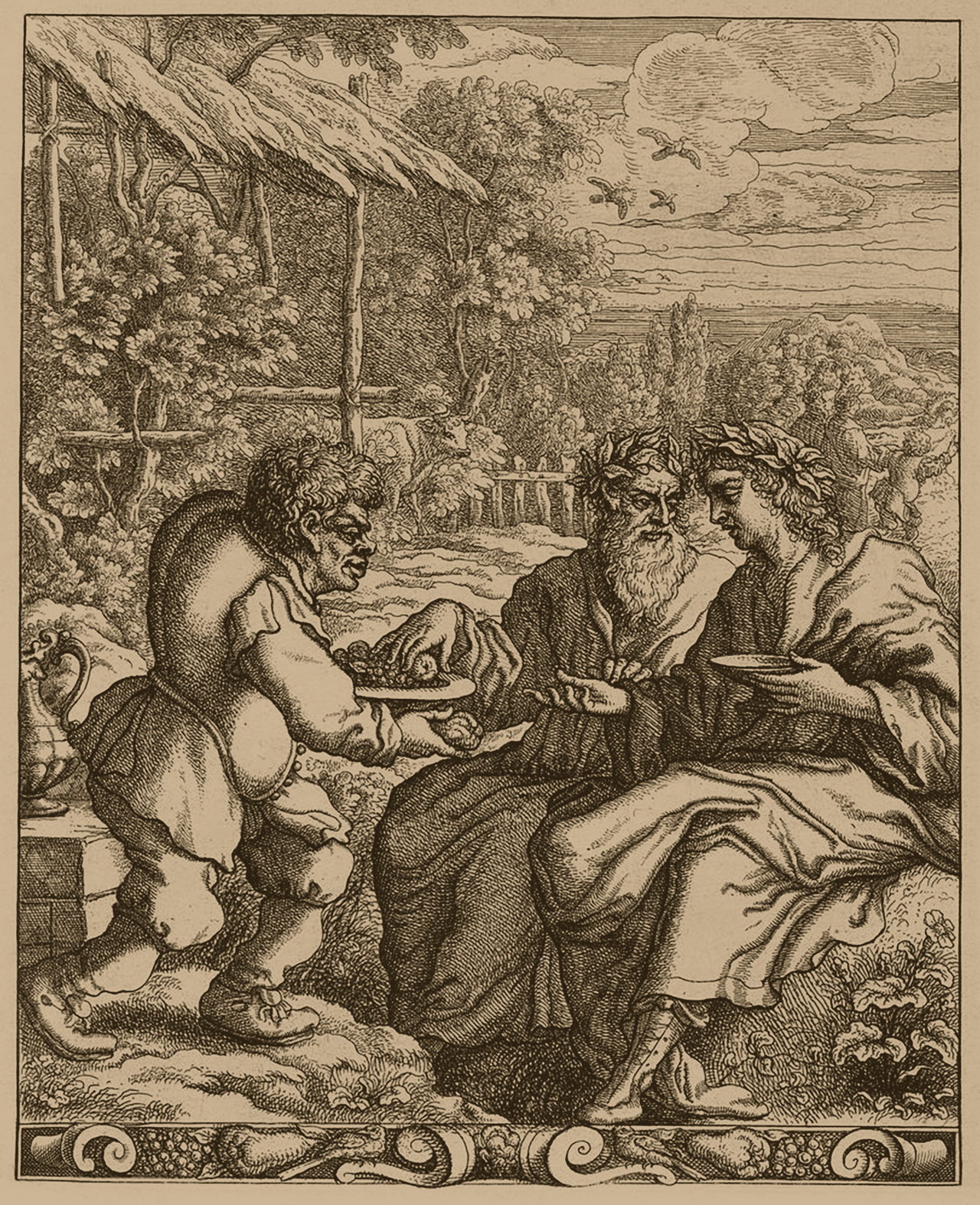 Book
Secondary source
Aesop's Fables
Aesop (attributed) · compiled from the 3rd century BCE onward
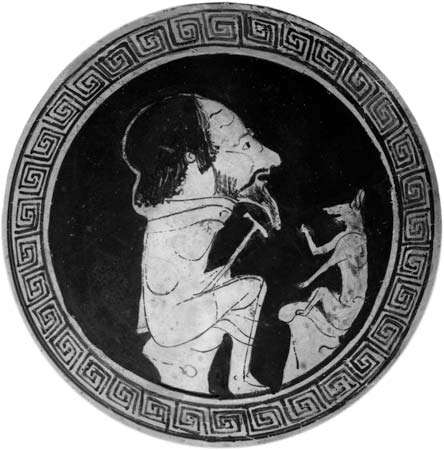 Artifact
Secondary source
Aesop and the Fox (Red-Figure Kylix)
Unknown Greek artist · c. 450 BCE
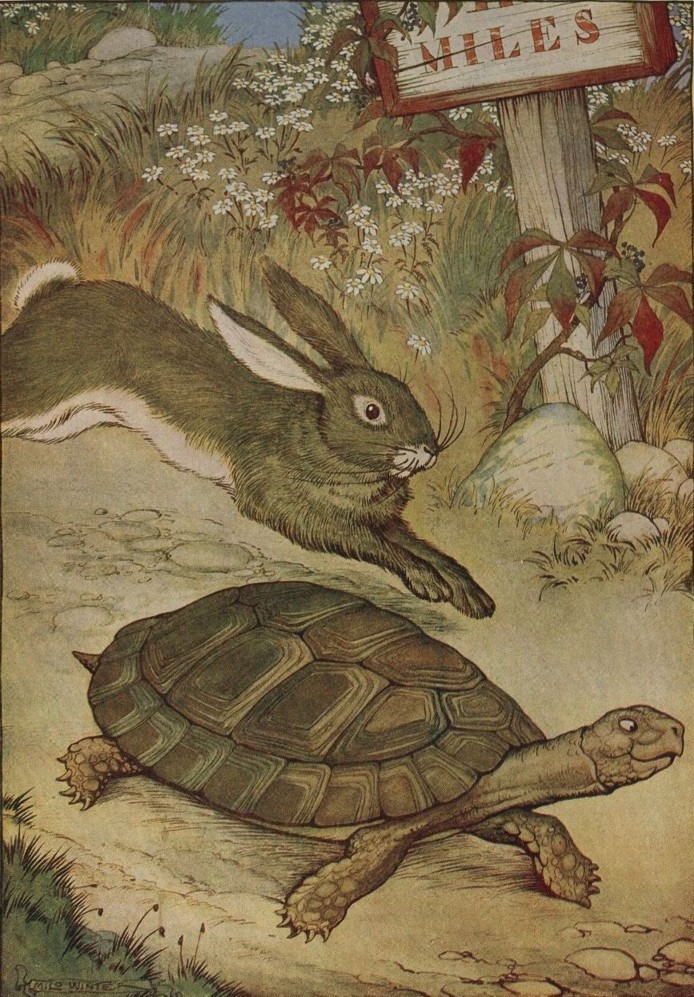 Book
Secondary source
The Tortoise and the Hare
Aesop (attributed) · ancient Greek origin, no early Latin version; printed from 16th century
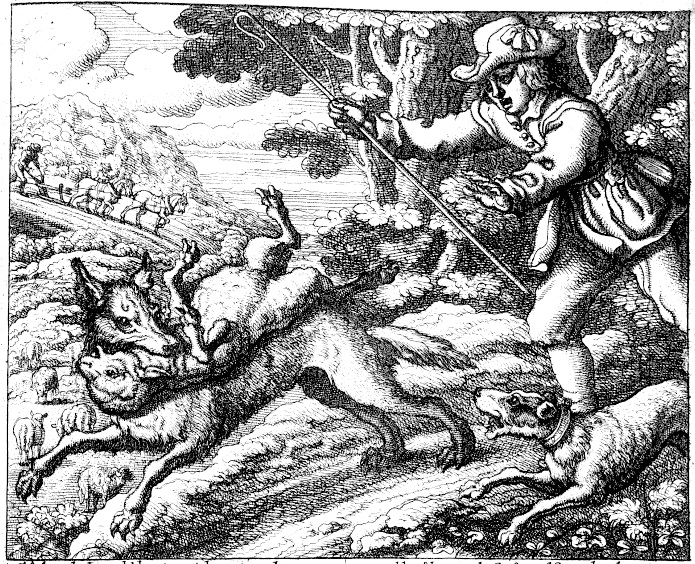 Book
Secondary source
The Boy Who Cried Wolf
Aesop (attributed) · ancient Greek origin; translated into Latin in the 15th century
Free account
Read every Aesop source
Sign up free →
Ready when you are
Start chatting with Aesop now.
20 messages free · No credit card · Available in 50+ languages.