


Primary sourcePainting1896
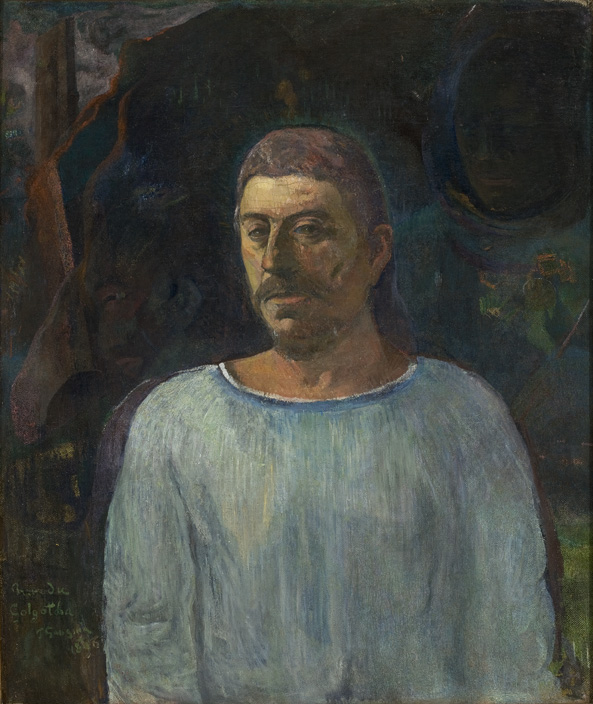
Self-portrait (Near Golgotha)
Paul Gauguin · 1896
A self-portrait Gauguin painted in Tahiti in 1896, showing himself while ill and in poverty.
A self-portrait made by Gauguin himself, showing how he wished to present his suffering and identity to others.
About this source
What it is
This is a self-portrait painted by Paul Gauguin in 1896 while he was living in Tahiti, during a period of illness and financial hardship. It is held by the São Paulo Museum of Art.
Why it matters
In this painting Gauguin presents himself again as a suffering, Christ-like figure, a theme he returned to more than once. It shows how he used self-portraiture not just to record his appearance but to express his personal struggles and how he wanted to be seen by others, as a misunderstood and suffering artist.
Look closer
- What details in the portrait suggest suffering or hardship?
- Why might an artist compare himself to a religious figure?
- What does a self-portrait like this tell us that a letter or photograph might not?
This painting is part of the curated material that grounds the AI version of Paul Gauguin on Humy.ai — when students ask about related events, the AI can quote it and cite it.
More Paul Gauguin sources
Browse all 97 →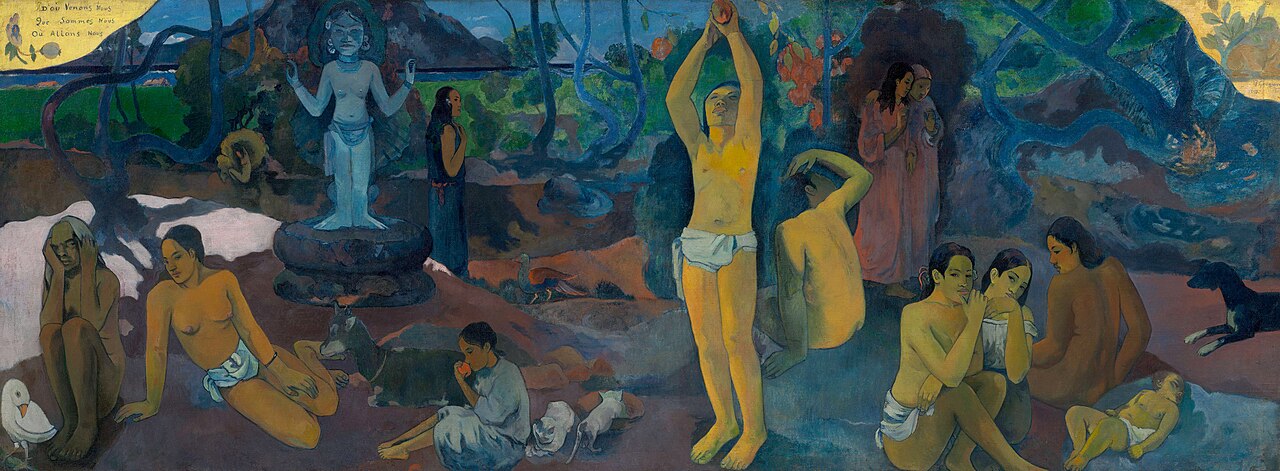 Painting
Primary source
Where Do We Come From? What Are We? Where Are We Going?
Paul Gauguin · 1897-98
 Painting
Primary source
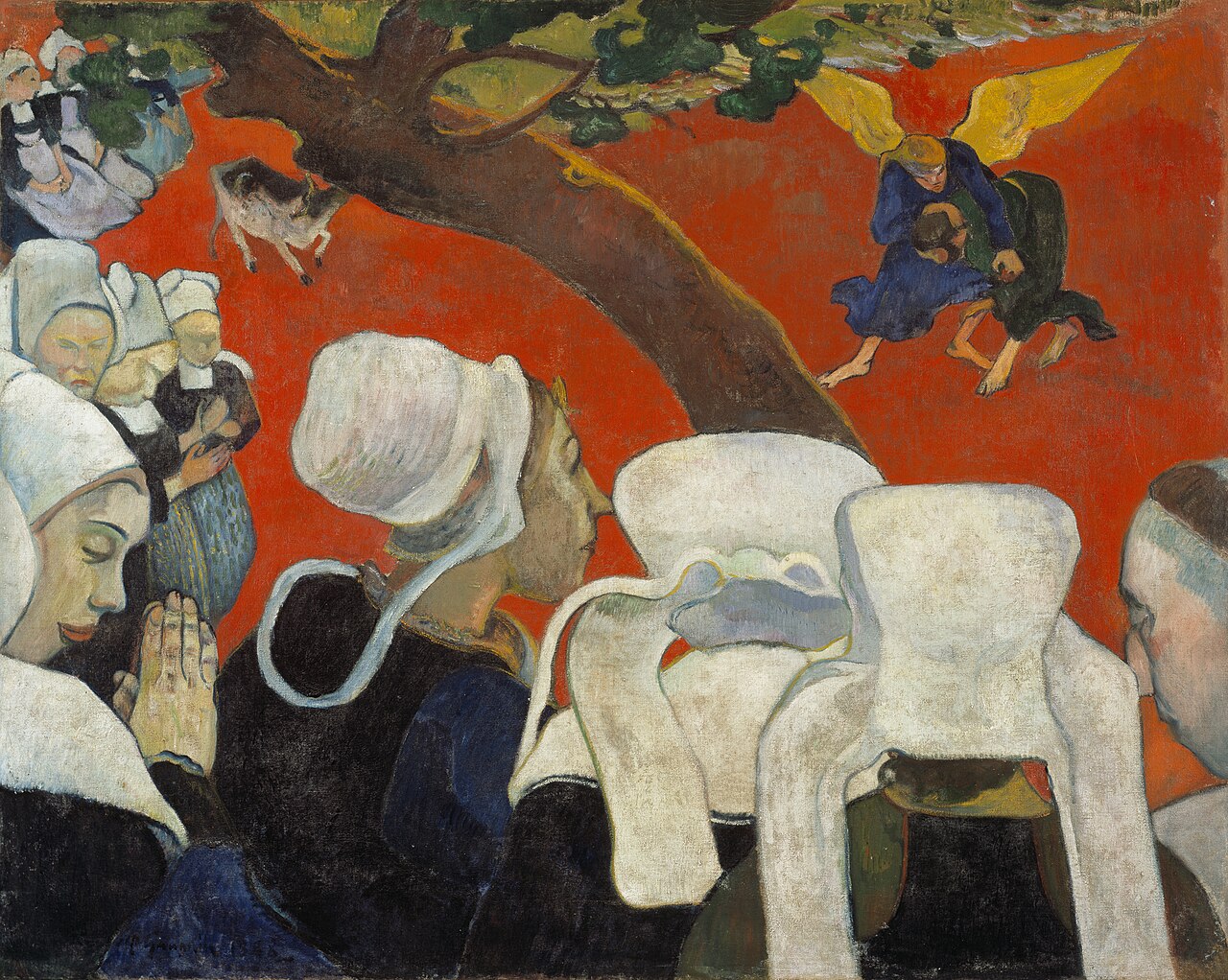
Vision After the Sermon
Paul Gauguin · 1888
 Painting
Primary source
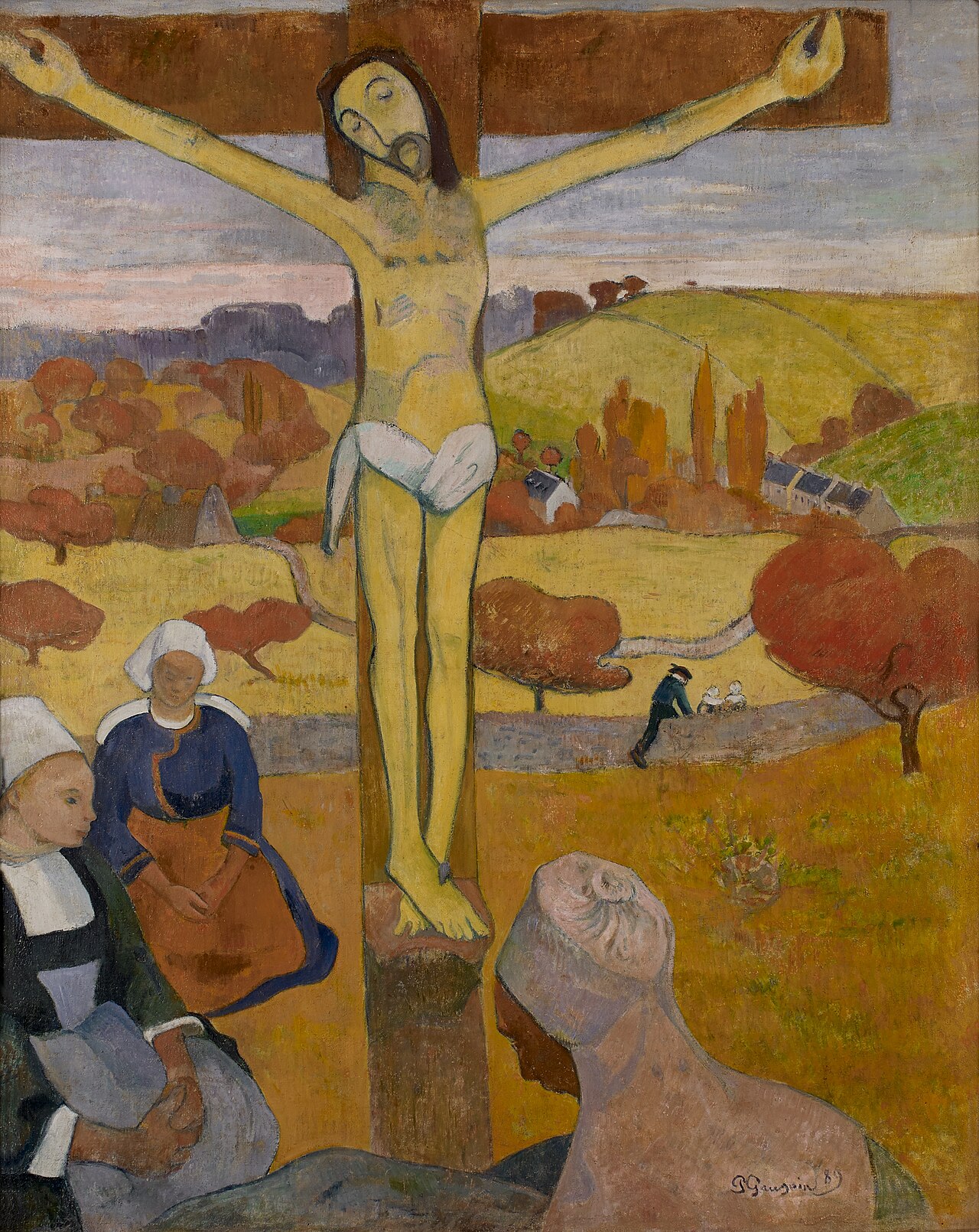
The Yellow Christ
Paul Gauguin · 1889
 Painting
Primary source
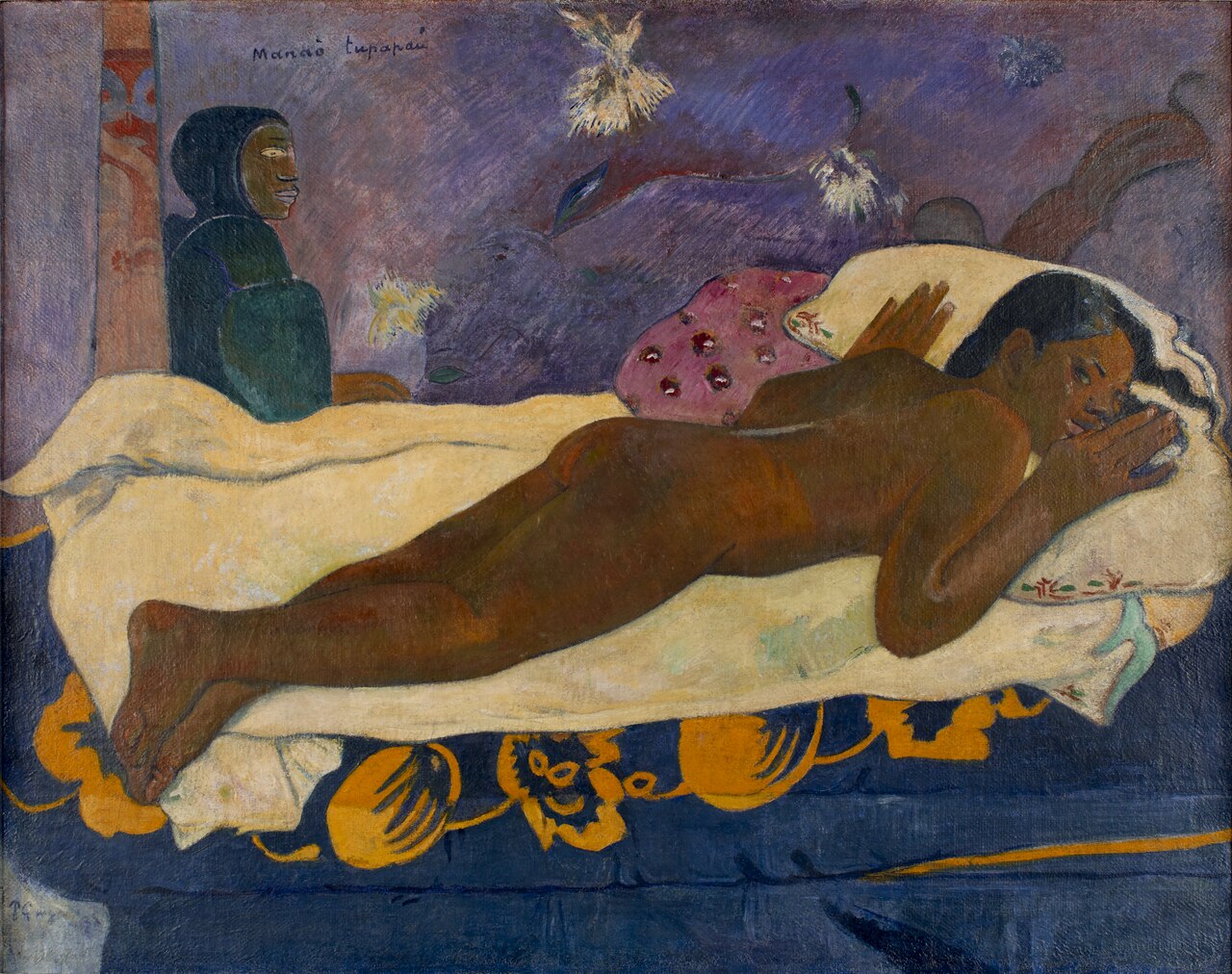
Manaò tupapaú
Paul Gauguin · 1892
Free account
Read every Paul Gauguin source
Sign up free →
Ready when you are
Start chatting with Paul Gauguin now.
20 messages free · No credit card · Available in 50+ languages.