


Secondary sourcePaintingpublished 1815
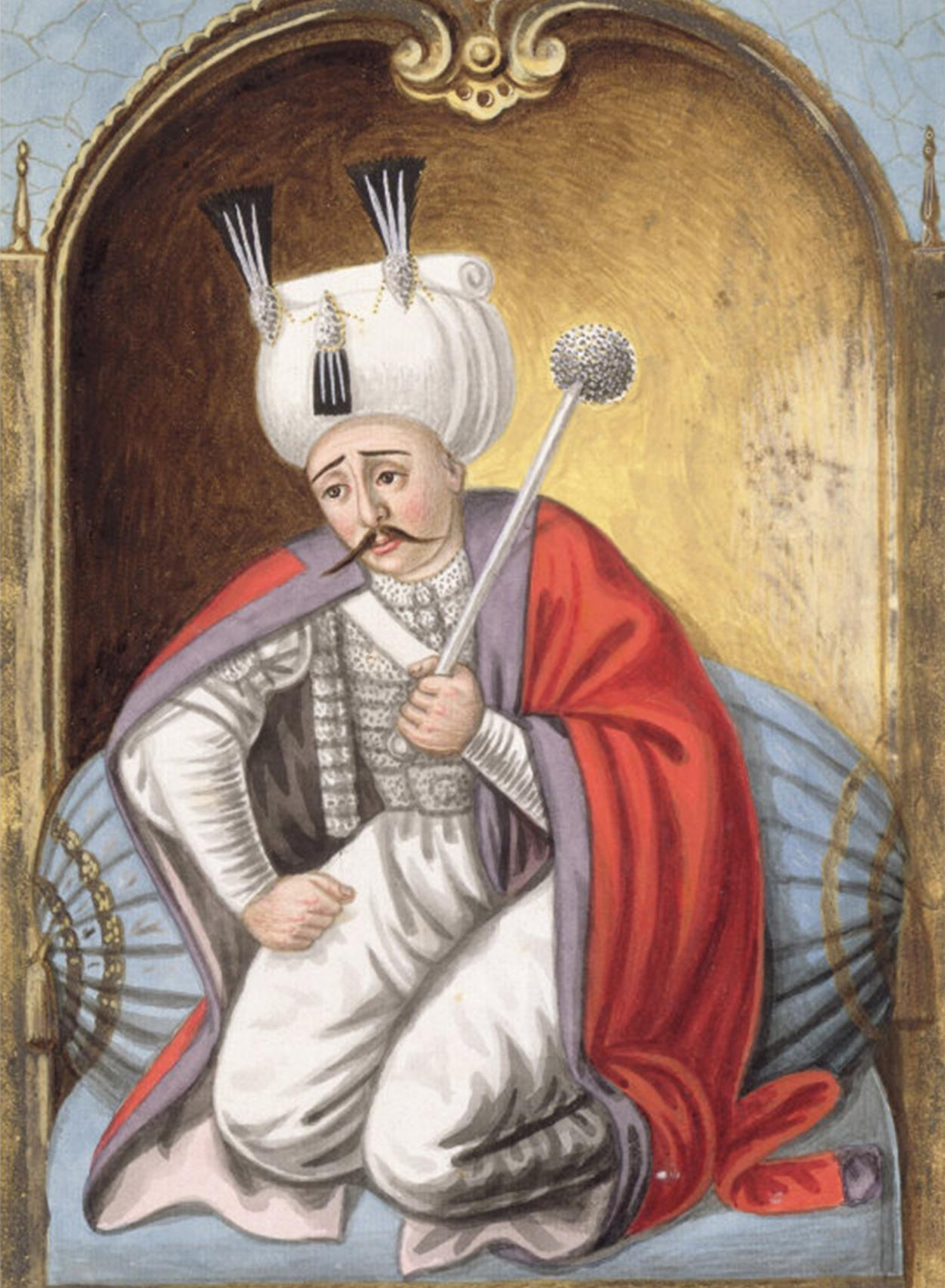
Selim I, Sultan of the Ottoman Empire, print after John Young
John Young · published 1815
A print of an imagined portrait of Selim I, published in 1815 after a painting by John Young. It shows how an early nineteenth-century European image presented the sultan.
It presents Selim with the symbols of sultanic power as an early nineteenth-century artist imagined them, not as a contemporary record.
About this source
What it is
This is a print of a portrait of Selim I, published in 1815 and credited to John Young. The print was made later from a painting, and the archive copy is a reproduction printed with the Giclee process. It shows a seated, bearded man in a white turban with two plumes, a red and purple cloak and a silver mace, set in a gilded arched niche.
Why it matters
The portrait was made long after Selim's reign of 1512 to 1520, so it is an imagined likeness rather than a record of his appearance. It shows how people in the early 1800s pictured an Ottoman ruler, using symbols of power such as the turban, the mace and the richly decorated setting.
Look closer
- Which objects in the picture signal authority, and what do they tell us about the artist's ideas of a sultan?
- Why might a print from 1815 be made from a painting, and how does that change who sees the image?
This painting is part of the curated material that grounds the AI version of Selim I on Humy.ai — when students ask about related events, the AI can quote it and cite it.
More Selim I sources
Browse all 96 →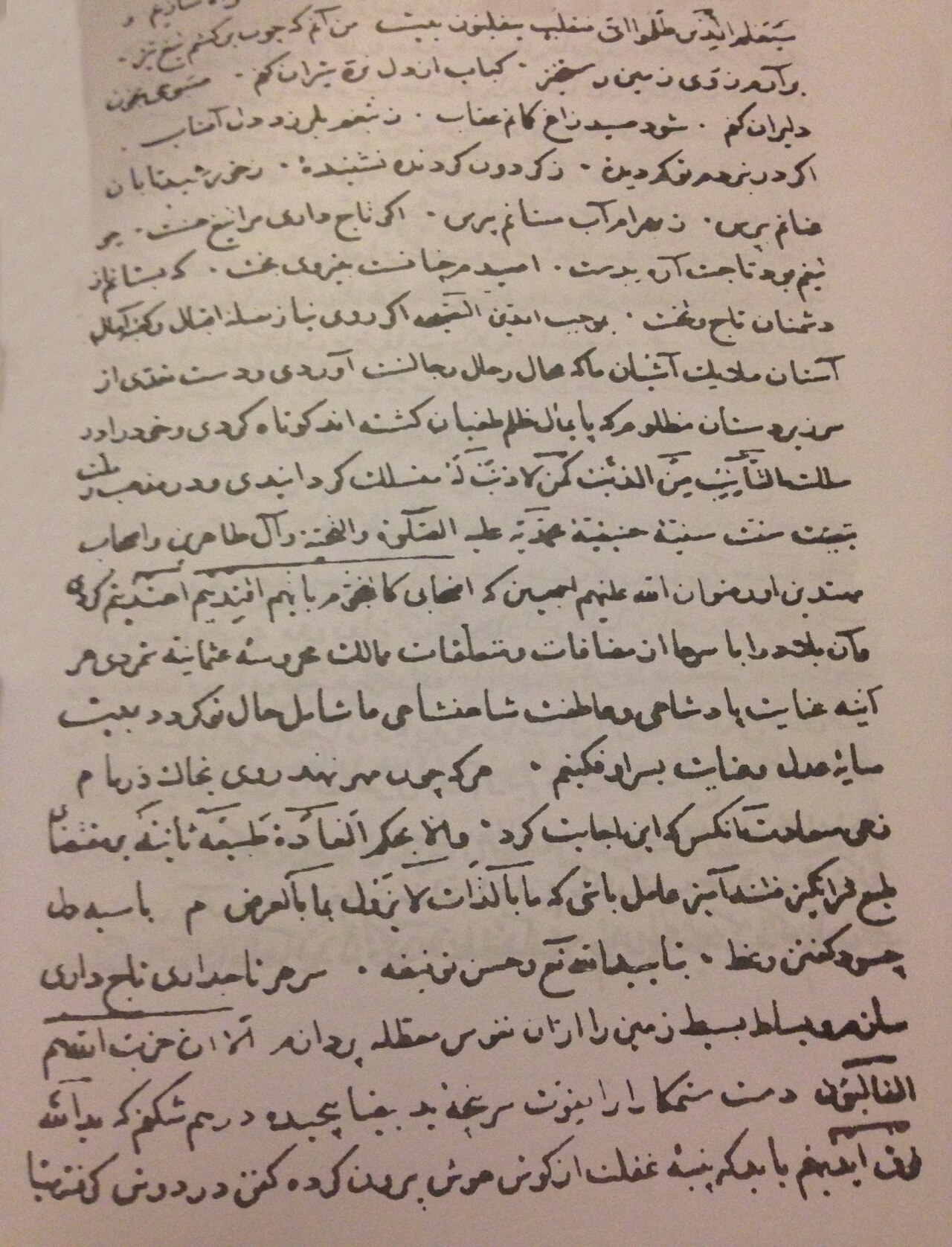 Letter
Secondary source
Letter of Sultan Selim to Shah Ismail
Selim I (copied by Feridun Ahmed Bey) · 1514 (copied later)
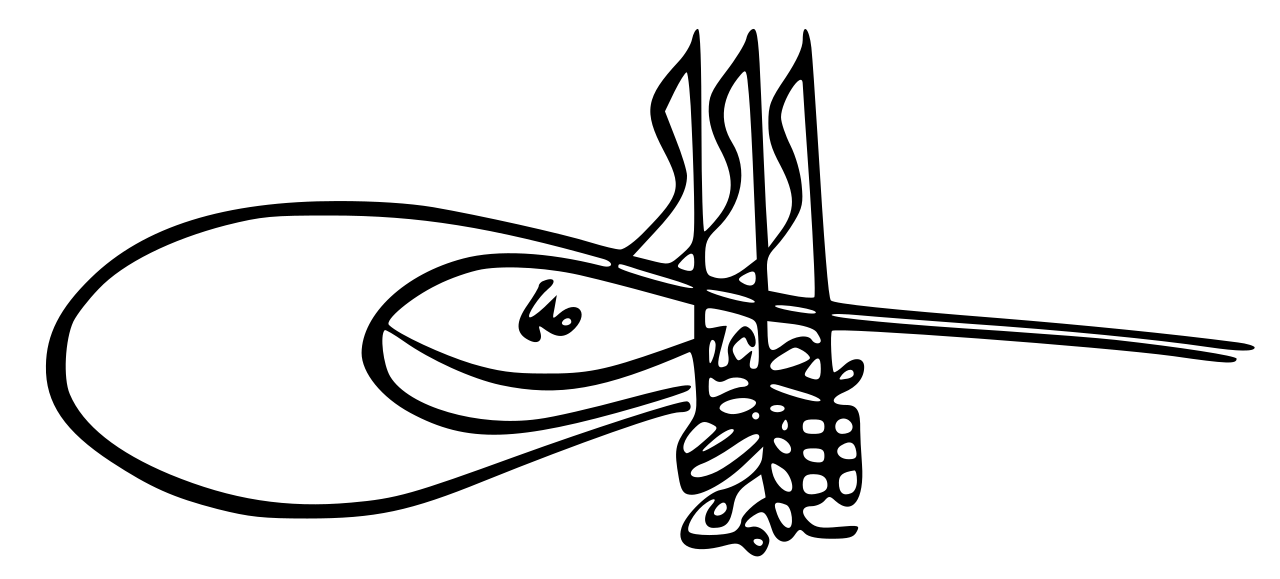 Document
Primary source
Tughra of Selim I
1512-1520
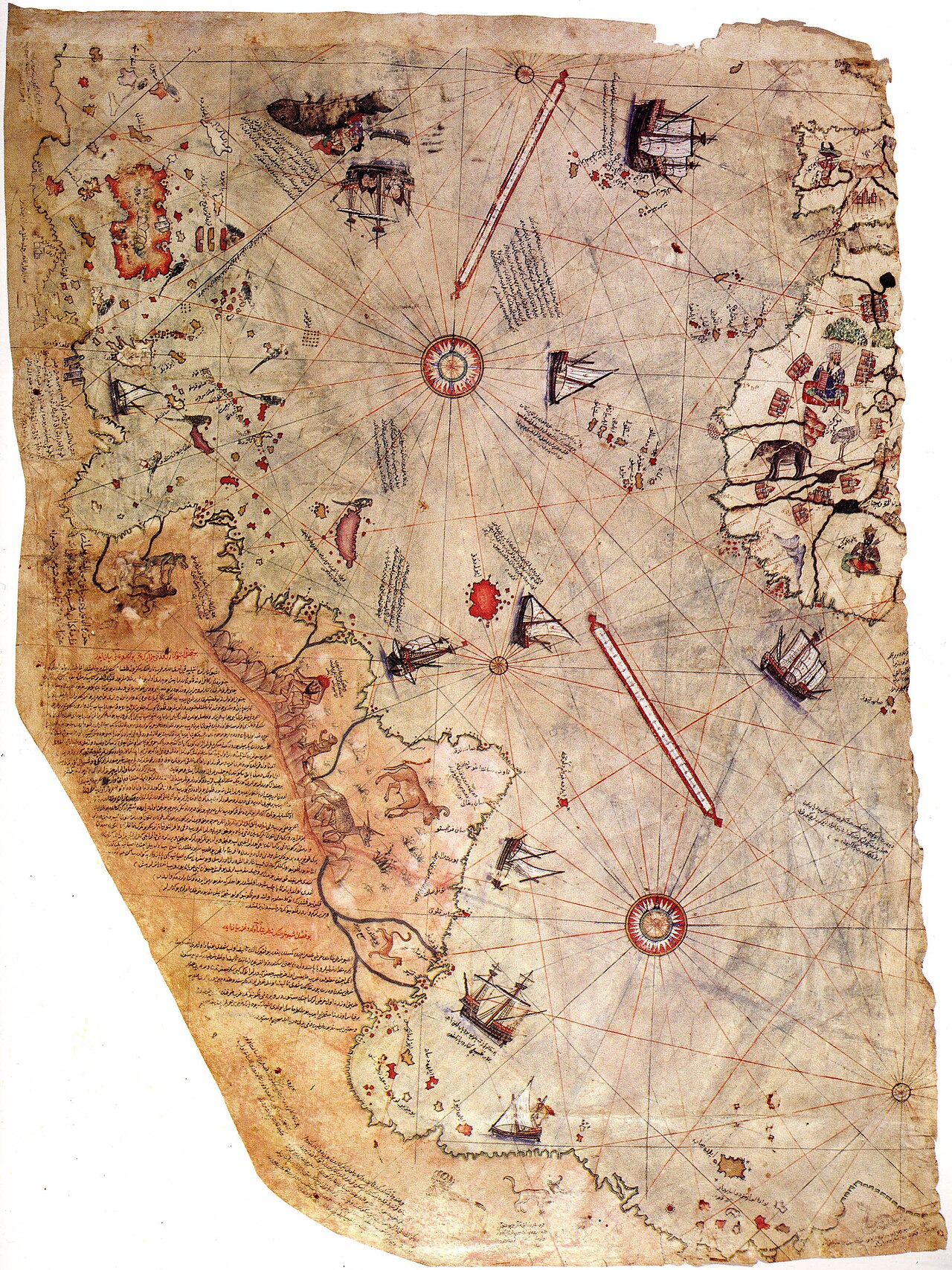 Document
Primary source
Piri Reis Map
Piri Reis · 1513
 Painting
Secondary source
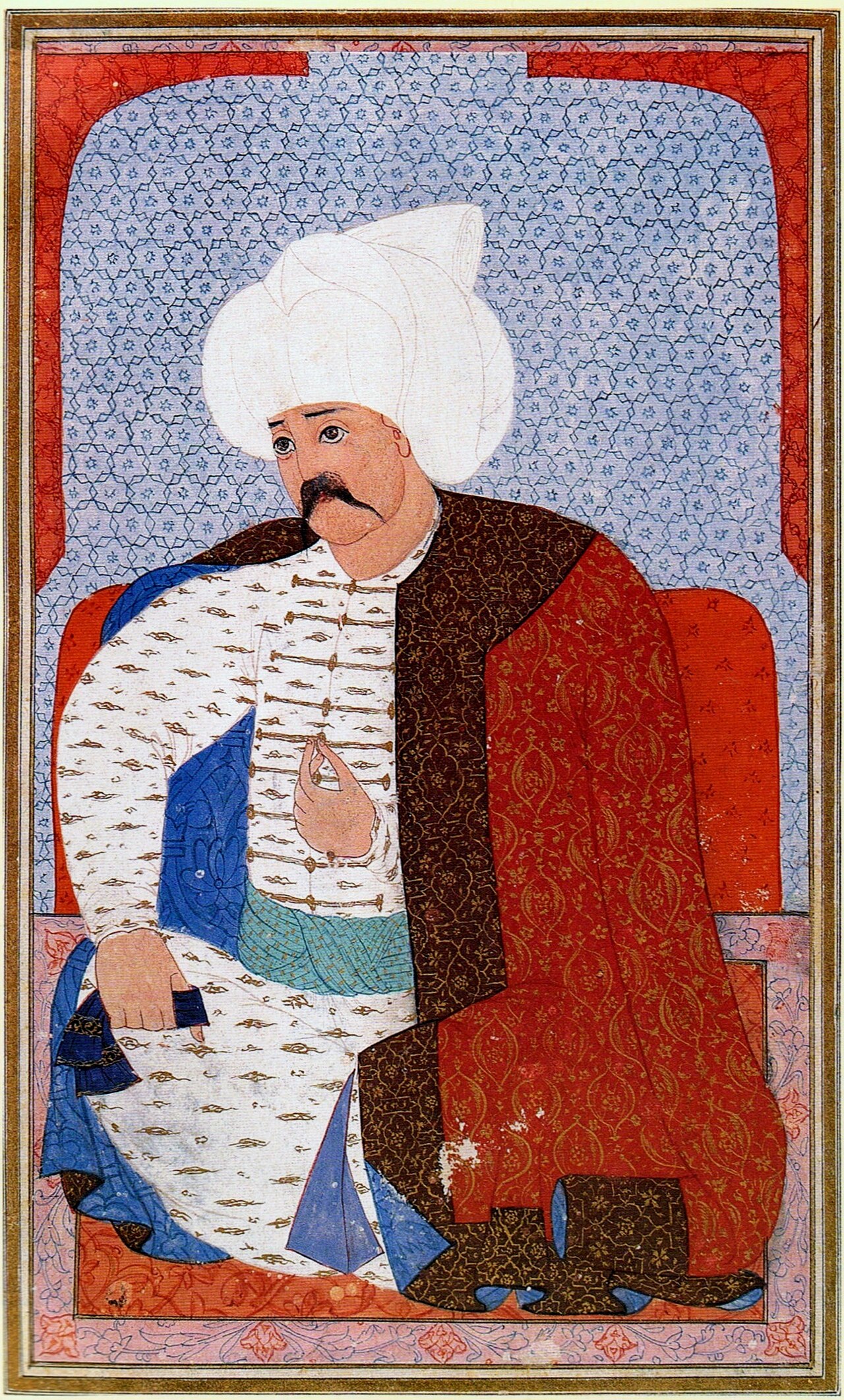
Nakkaş Selim
Nakkaş Osman · c. 1580 (about 60 years after Selim's death)
Free account
Read every Selim I source
Sign up free →
Ready when you are
Start chatting with Selim I now.
20 messages free · No credit card · Available in 50+ languages.