


Secondary sourceBookearly 4th century CE
Shenxian Zhuan
Ge Hong · early 4th century CE
A 4th-century hagiography by Ge Hong presenting Laozi as an immortal deity who reappears throughout history, reflecting his later religious status.
This hagiography recasts Laozi as an immortal deity, showing his transformation from philosopher to religious figure.
About this source
What it is
The Shenxian Zhuan ('Biographies of Divine Immortals') is a collection of hagiographies compiled by the Jin-dynasty scholar Ge Hong in the early 4th century. It gathers stories of immortals and deities, many drawn from earlier sources.
Why it matters
The text treats Laozi not as a historical philosopher but as an immortal being who returns throughout history. This marks an important shift: centuries after his supposed life, Laozi had become a religious figure worshipped within Taoism, rather than simply a thinker whose sayings were recorded.
Look closer
- What does it mean for a philosopher to later be treated as a god?
- Why might Ge Hong, writing centuries later, have wanted to describe Laozi as an immortal?
- How reliable can a story be about someone who supposedly lived hundreds of years earlier?
This book is part of the curated material that grounds the AI version of Laozi on Humy.ai — when students ask about related events, the AI can quote it and cite it.
More Laozi sources
Meet the AI Laozi →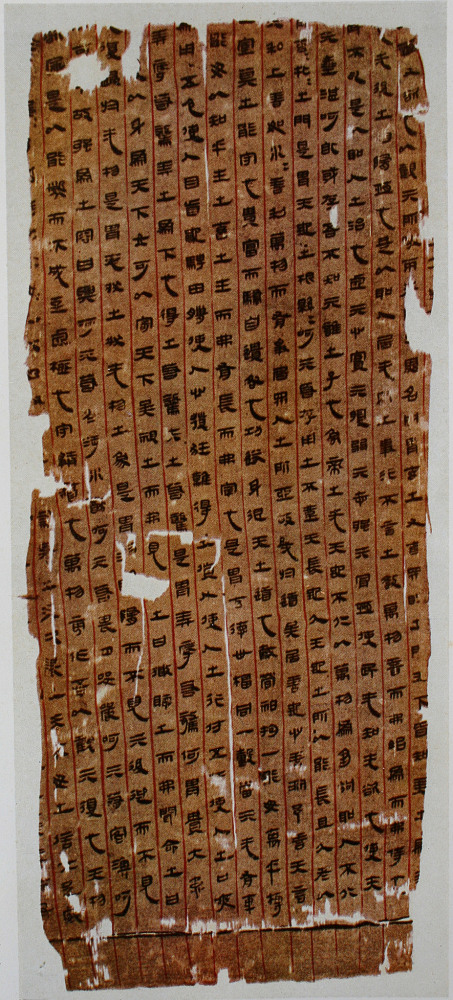 Book
Secondary source
Tao Te Ching
Laozi · c. 4th-3rd century BCE
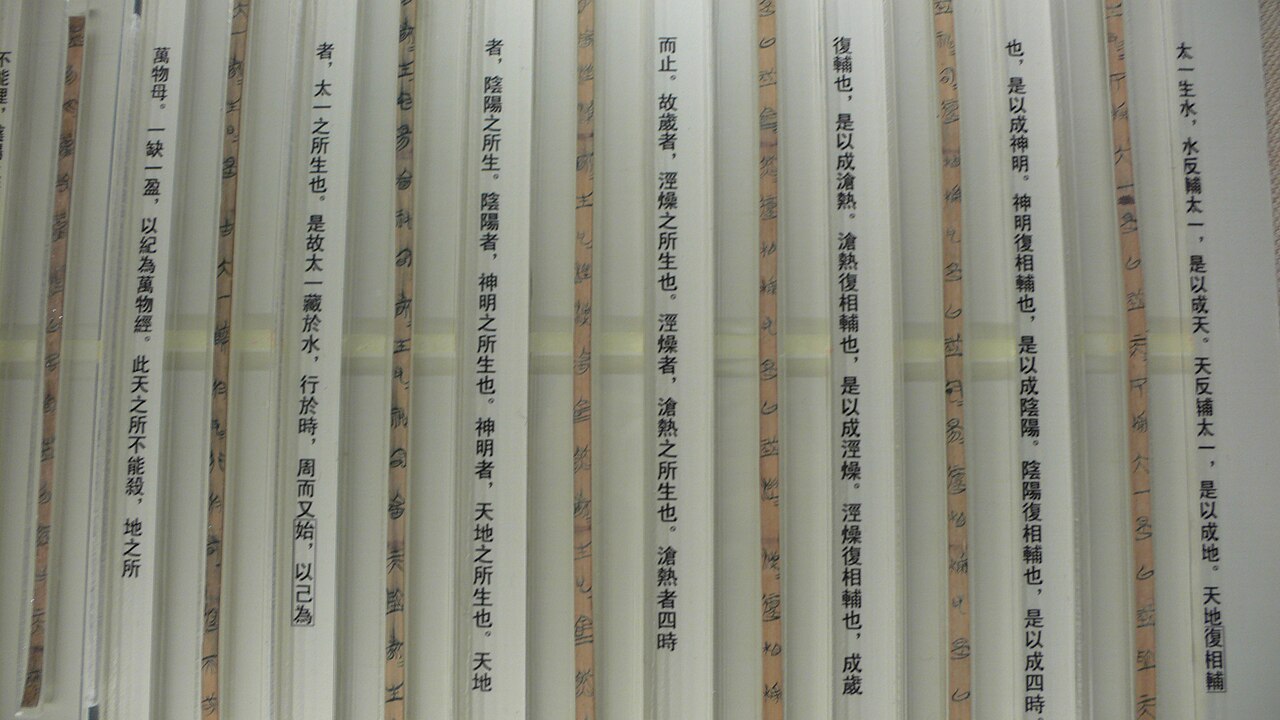 Artifact
Primary source
Bamboo Texts of Guodian
c. 300 BCE
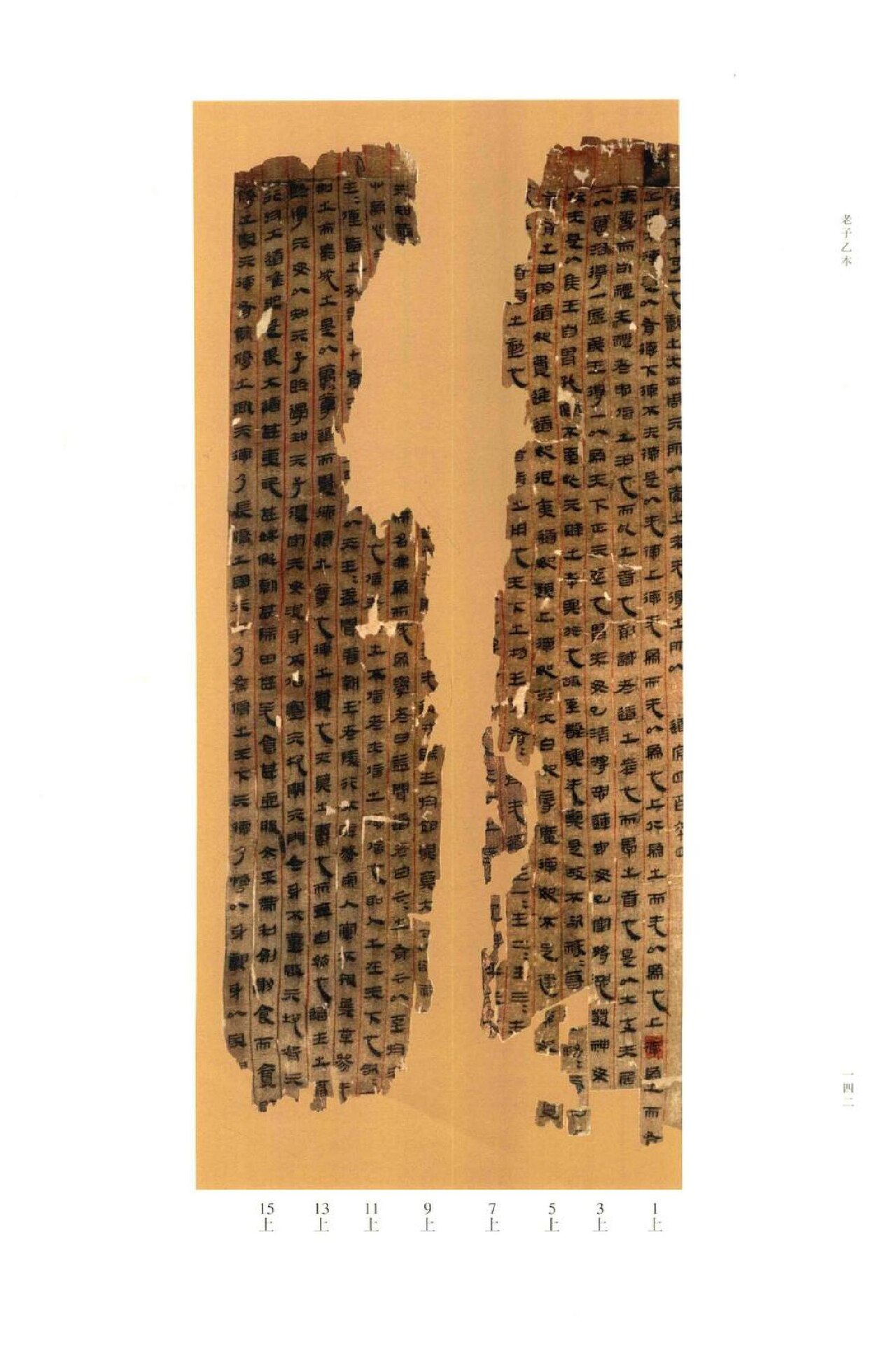 Book
Primary source
Mawangdui Silk Texts of the Laozi
Anonymous Han scribes · c. 200-168 BCE
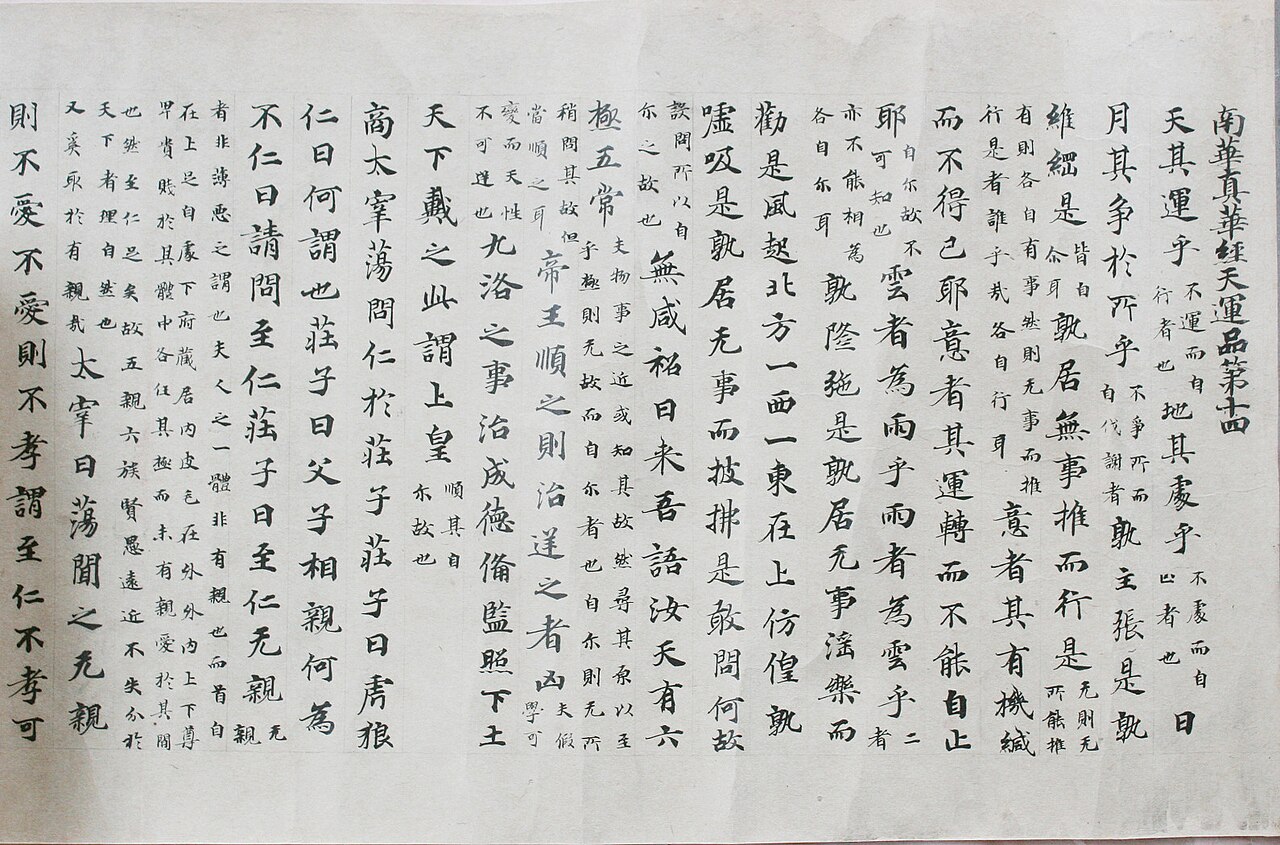 Book
Secondary source
Zhuangzi
Zhuang Zhou · c. 300 BCE
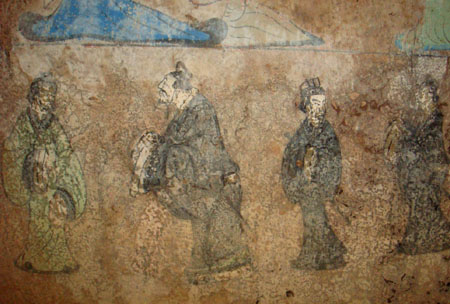 Painting
Secondary source
Confucius and Laozi fresco, Dongping tomb
Anonymous Chinese painter of the Western Han period · Western Han period, c. 2000 years old
Ready when you are
Start chatting with Laozi now.
20 messages free · No credit card · Available in 50+ languages.