


Secondary sourcePhotograph2015
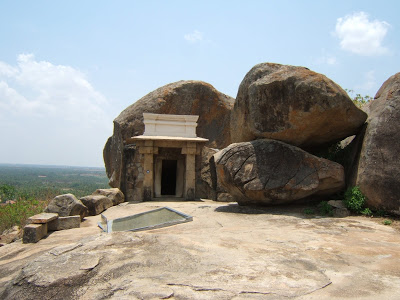
Shravanabelagola Cave, Traditional Death Place of Chandragupta Maurya
Usarode2057 · 2015
A photograph of a cave in Shravanabelagola traditionally linked to Chandragupta Maurya's legendary death by fasting.
Local tradition identifies this cave as the place where Chandragupta Maurya died by ritual fasting.
About this source
What it is
This photograph shows a small stone shrine and cave on a rocky hilltop at Shravanabelagola. Tradition holds that this is where Chandragupta Maurya died by performing Sallekhana, a ritual fast practiced in Jain tradition.
Why it matters
This site reflects a later tradition, not a documented historical fact, about Chandragupta's final years. It shows how legends about historical figures grow and are preserved at sacred sites long after their lifetime.
Look closer
- What makes this a 'traditional' site rather than a proven historical one?
- Why might later generations want to mark the place where a famous ruler is said to have died?
- How does a photograph like this differ from a written historical record?
This photograph is part of the curated material that grounds the AI version of Chandragupta Maurya on Humy.ai — when students ask about related events, the AI can quote it and cite it.
More Chandragupta Maurya sources
Meet the AI Chandragupta Maurya →Secondary source
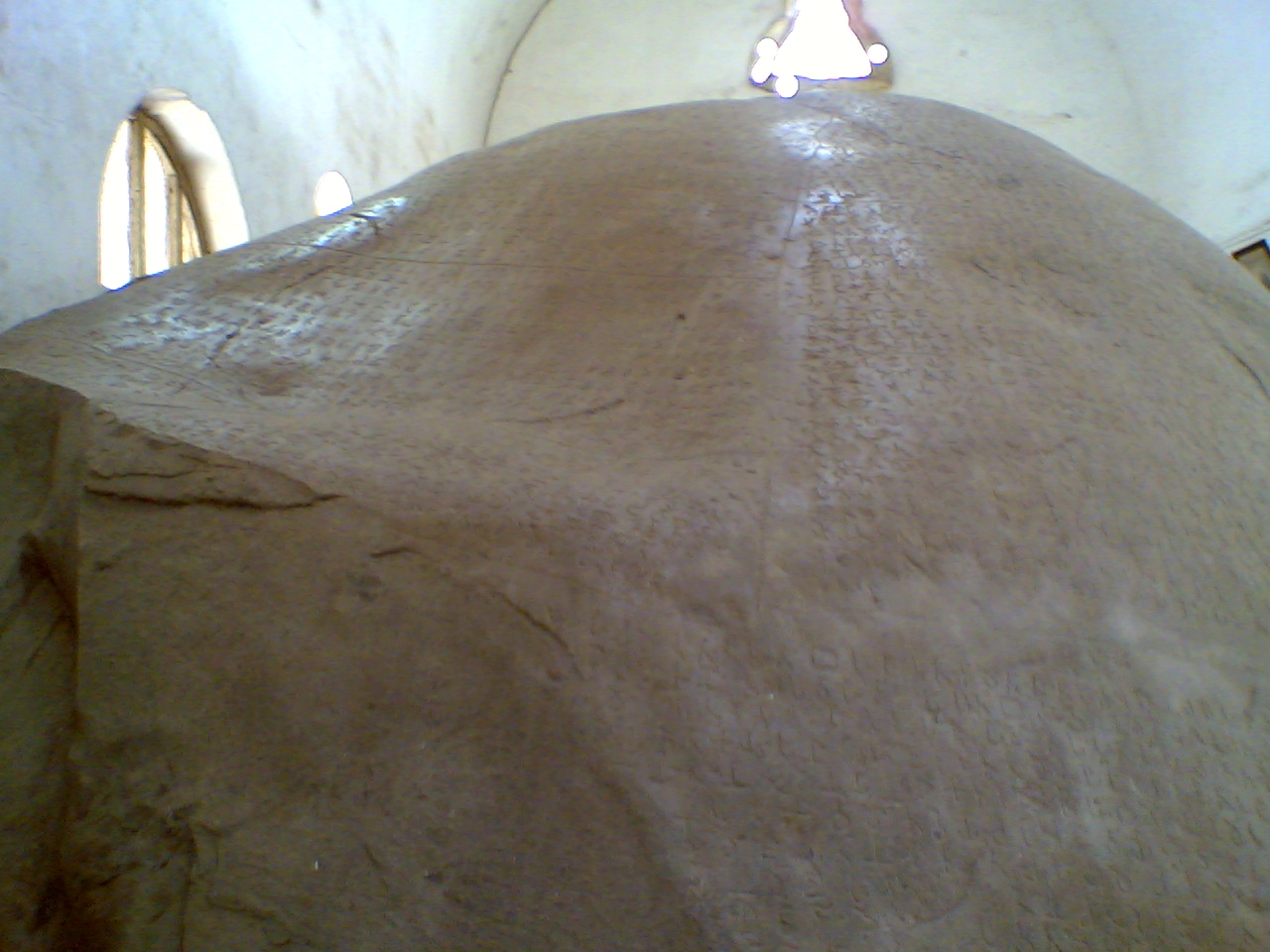
Arthashastra
Chanakya (traditional attribution) · c. 1st–3rd century CE (traditionally attributed to Chanakya, c. 300 BCE)
 Document
Secondary source
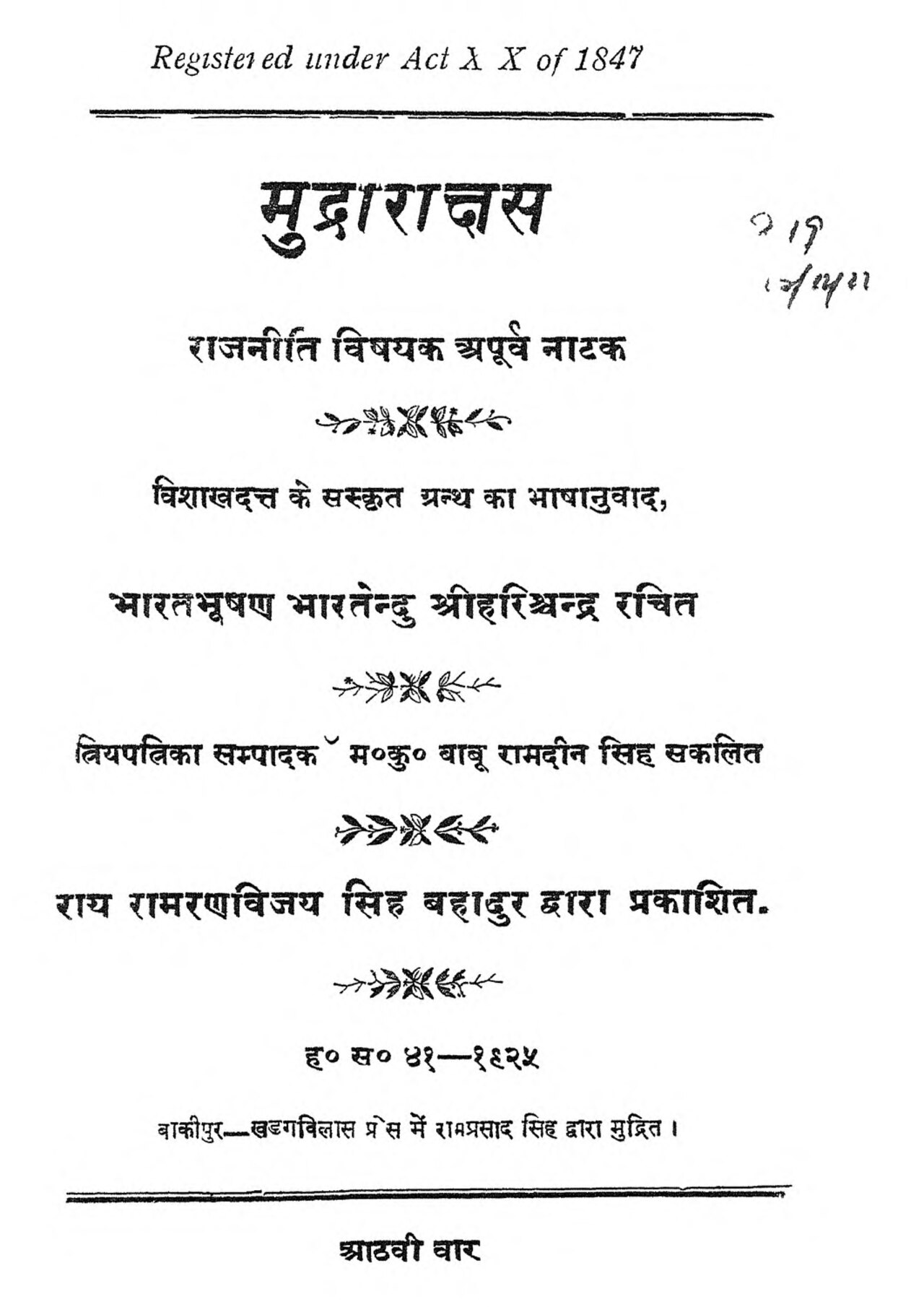
Junagadh Rock Inscription of Rudradaman
Rudradaman I (commissioner) · shortly after 150 CE
 Book
Secondary source
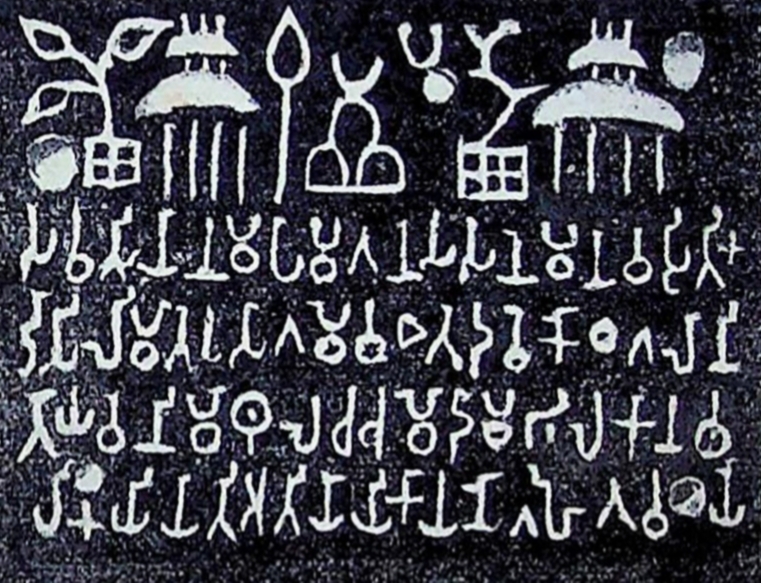
Mudrarakshasa
Vishakhadatta · between the 4th and 8th century CE
 Document
Primary source
Sohgaura Copper Plate Inscription
3rd century BCE
 Document
Secondary source
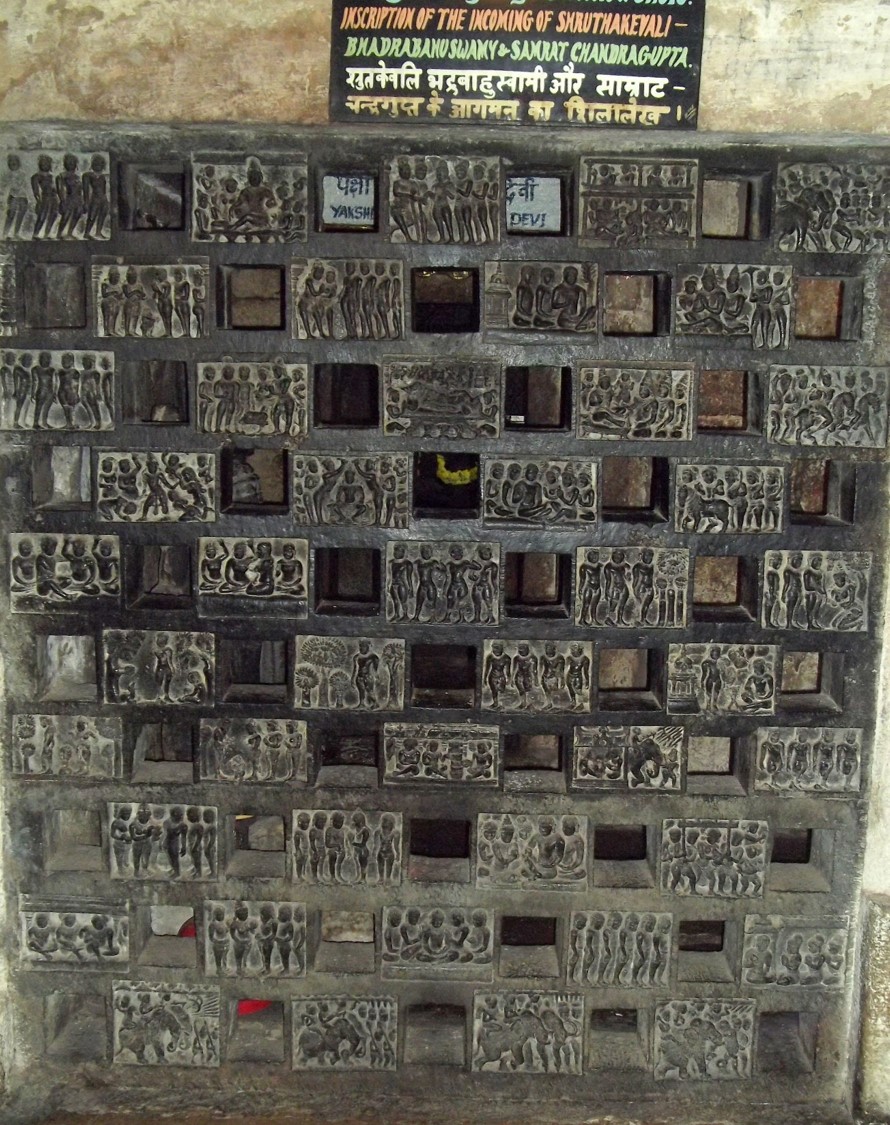
Shravanabelagola Inscription of Bhadrabahu and Chandragupta
Ready when you are
Start chatting with Chandragupta Maurya now.
20 messages free · No credit card · Available in 50+ languages.