


Primary sourceArtifact16th century
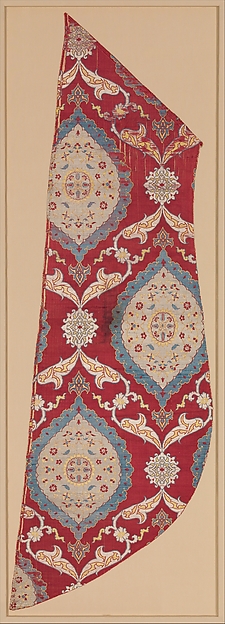
Silk and Metal Thread Textile Fragment
16th century
A 16th-century Ottoman silk textile fragment, an example of the luxury fabrics produced during Hürrem Sultan's lifetime.
A surviving example of the luxury court textiles woven during the period of Hürrem Sultan's life at the Ottoman palace.
About this source
What it is
This fragment of red silk lampas (kemha) textile, woven with metal-wrapped thread in the 16th century, shows a repeating pattern of medallions and floral scrollwork. It is held by the Metropolitan Museum of Art.
Why it matters
Textiles like this were produced in imperial palace workshops during the Ottoman period in which Hürrem Sultan lived. Such fine fabrics were used for court clothing and furnishings, giving a sense of the luxury and artistic skill present in the world she inhabited as the wife of Suleiman the Magnificent.
Look closer
- What does the use of metal thread suggest about the value placed on this textile?
- What might this fragment have originally been part of?
- How does a small fragment like this help historians understand larger objects that no longer survive?
This artifact is part of the curated material that grounds the AI version of Hurrem Sultan on Humy.ai — when students ask about related events, the AI can quote it and cite it.
More Hurrem Sultan sources
Browse all 57 →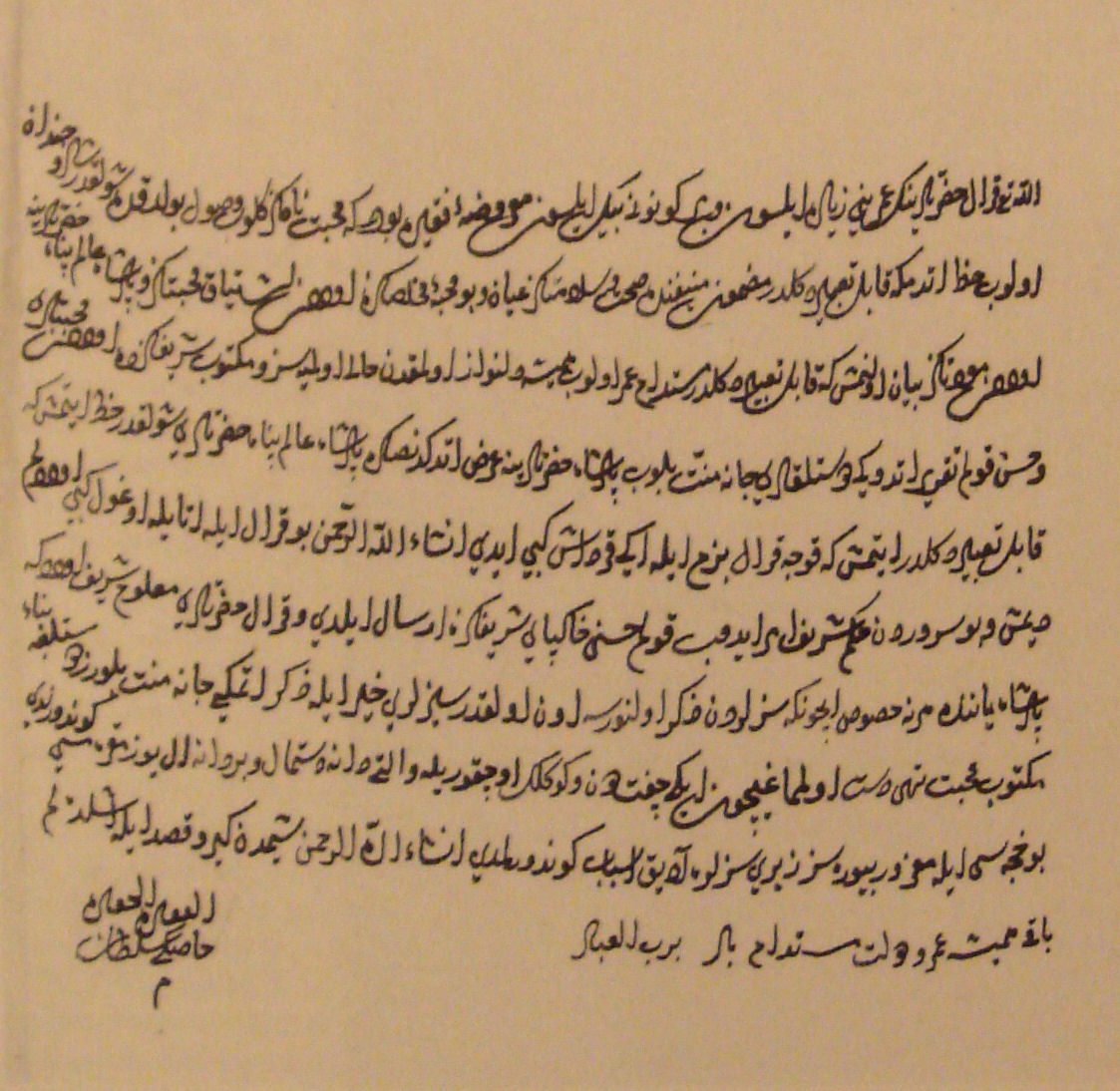 Letter
Primary source
Letter of Roxelane to Sigismund Augustus
Hürrem Sultan · 1549
 Artifact
Primary source
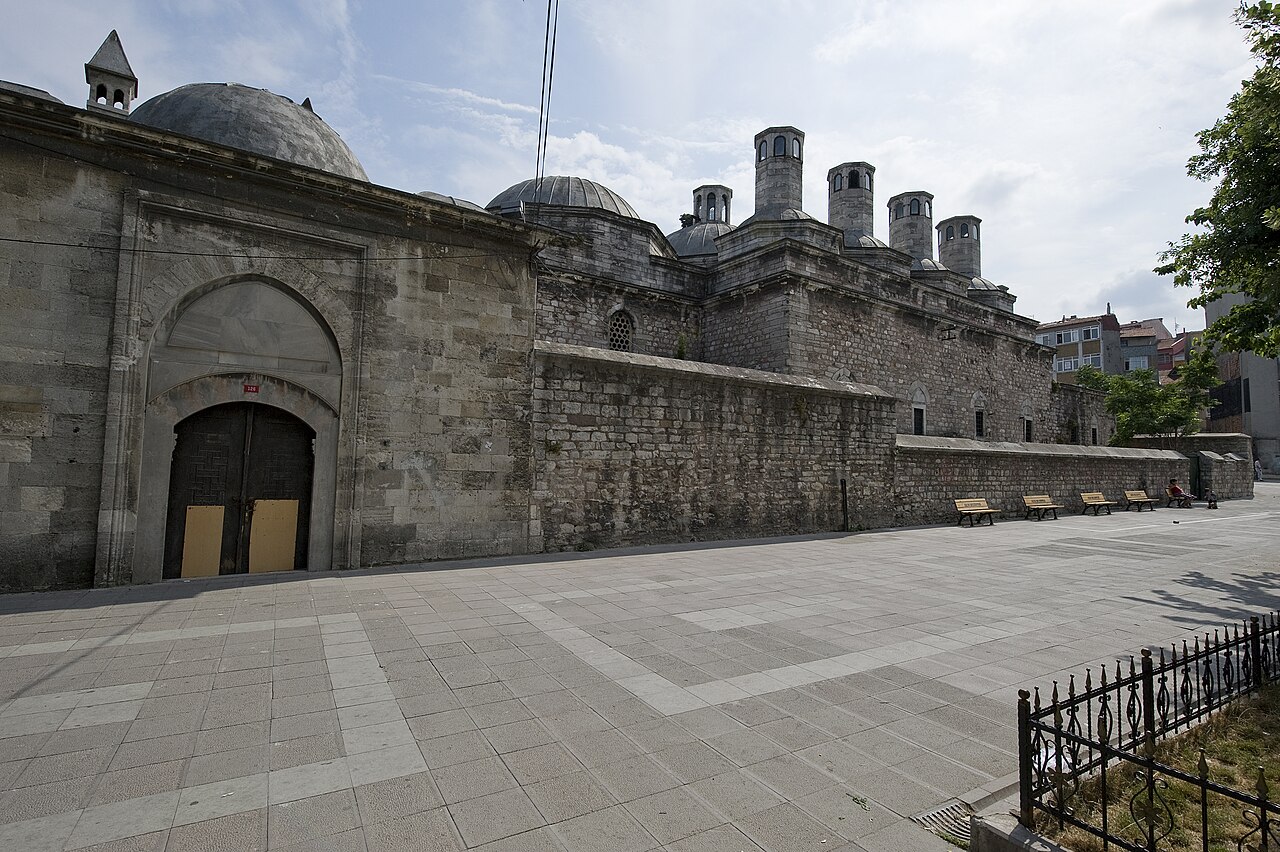
Haseki Sultan Mosque
Mimar Sinan · 1538
 Artifact
Primary source
Süleymaniye Mosque
Mimar Sinan · 1550-1557
 Artifact
Primary source
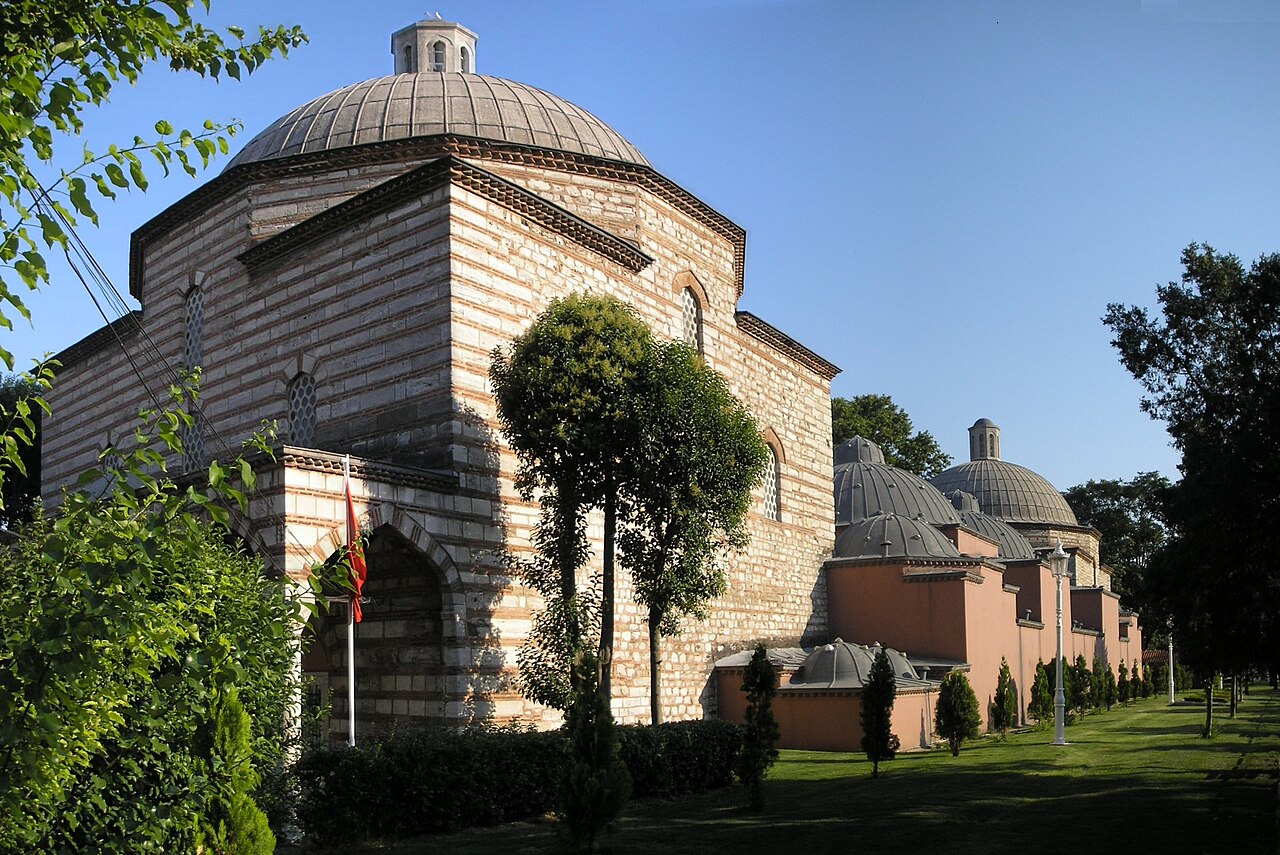
Haseki Hürrem Sultan Hamamı
Mimar Sinan · 1556
Free account
Read every Hurrem Sultan source
Sign up free →
Ready when you are
Start chatting with Hurrem Sultan now.
20 messages free · No credit card · Available in 50+ languages.