


Primary sourceArtifactc. 300
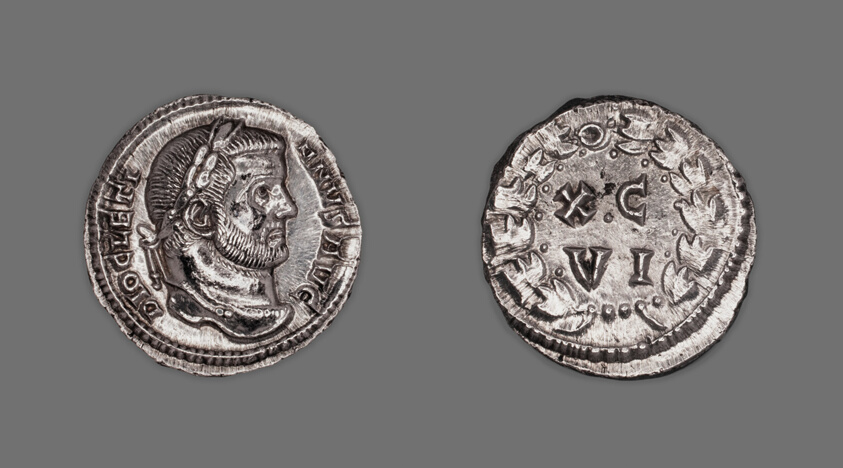
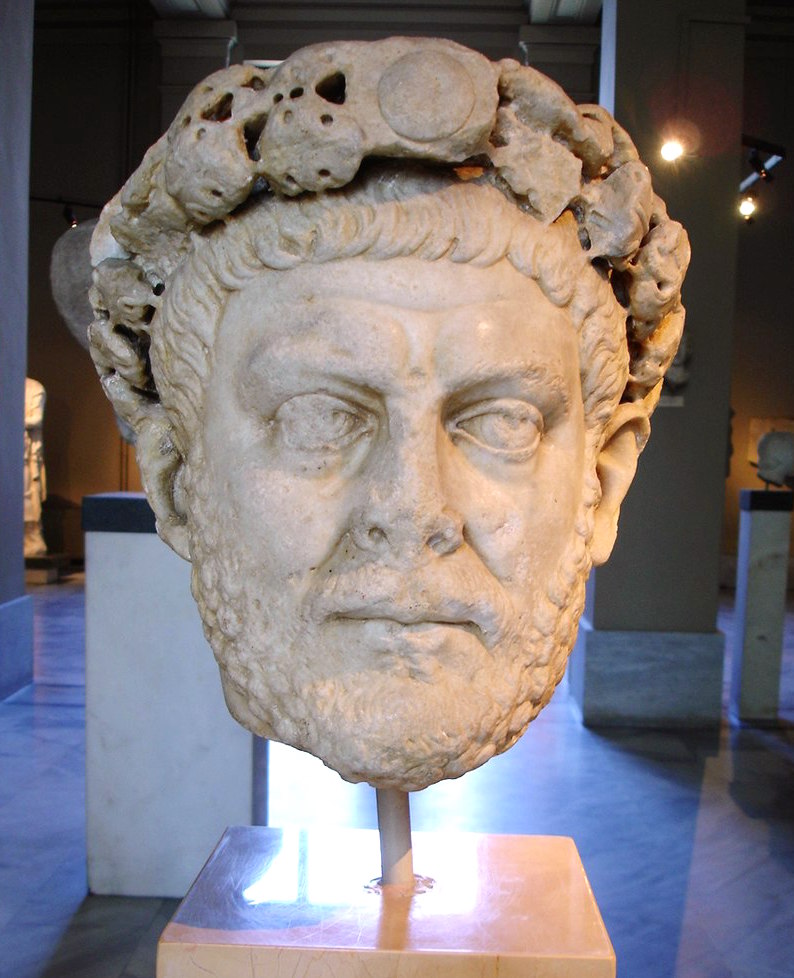
Silver Argenteus Portraying Emperor Diocletian
c. 300
A silver coin from around AD 300 showing Diocletian's portrait, issued under his or his co-emperor Maximian's authority.
This coin carries Diocletian's portrait, issued either by him or his co-emperor Maximian.
About this source
What it is
This silver coin, called an argenteus, was made around AD 300 in the Roman Empire, possibly minted in Carthage. It shows a bearded, laureate bust of Diocletian on one side and a wreath design with letters and numerals on the other. It is held today by the Art Institute of Chicago.
Why it matters
Coins such as this were issued by Diocletian or his co-ruler Maximian as part of the empire's money system. They helped spread the emperor's image to ordinary people and reveal how Roman rulers presented themselves visually, even far from Rome.
Look closer
- What details of the portrait suggest this is meant to look authoritative?
- Why might the empire have had more than one person issuing coins at the same time?
- What can't this coin tell us about Diocletian's life or personality?
This artifact is part of the curated material that grounds the AI version of Diocletian on Humy.ai — when students ask about related events, the AI can quote it and cite it.
More Diocletian sources
Browse all 92 →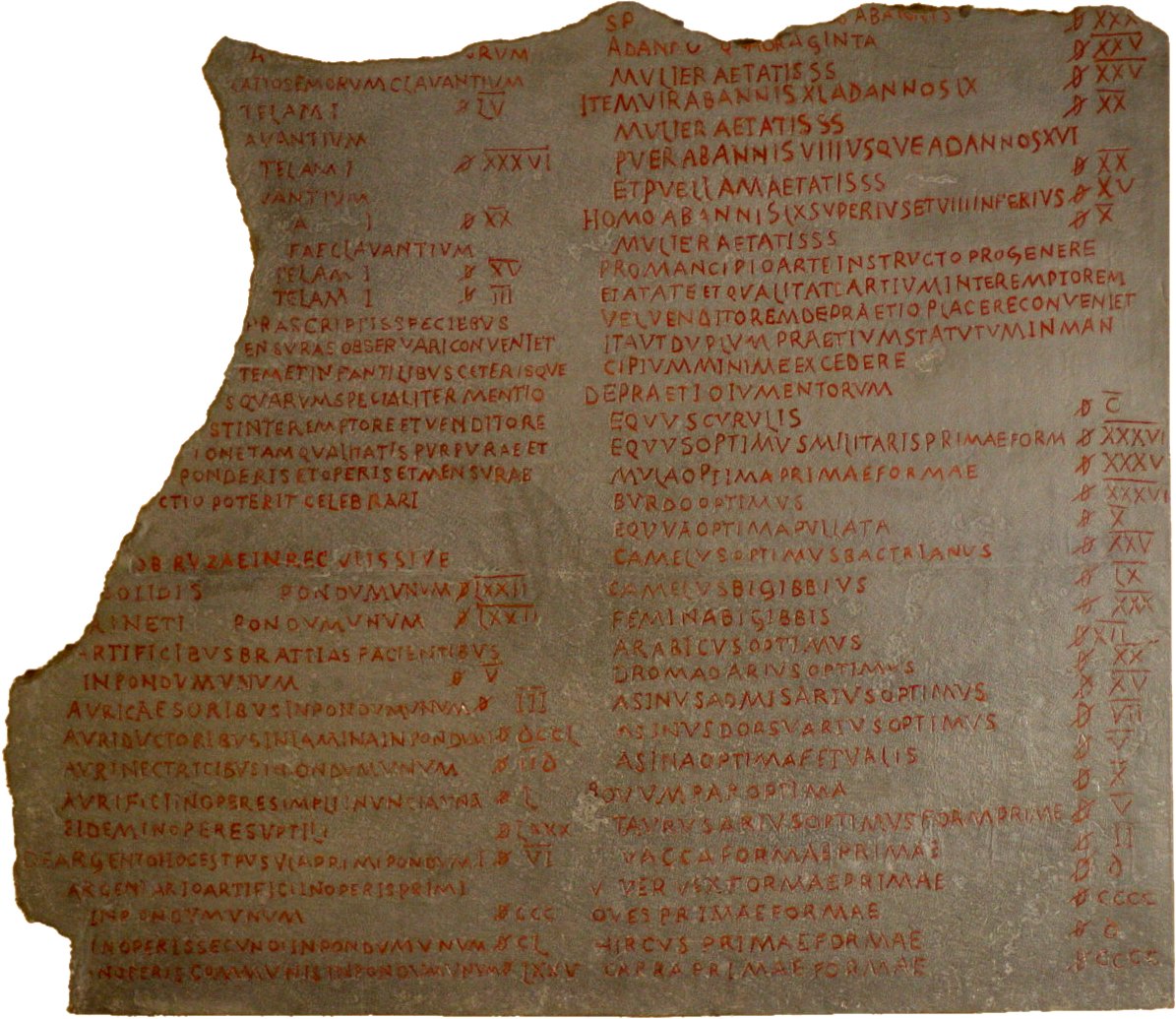 Document
Primary source
Edict on Maximum Prices
Diocletian · 301
 Artifact
Primary source
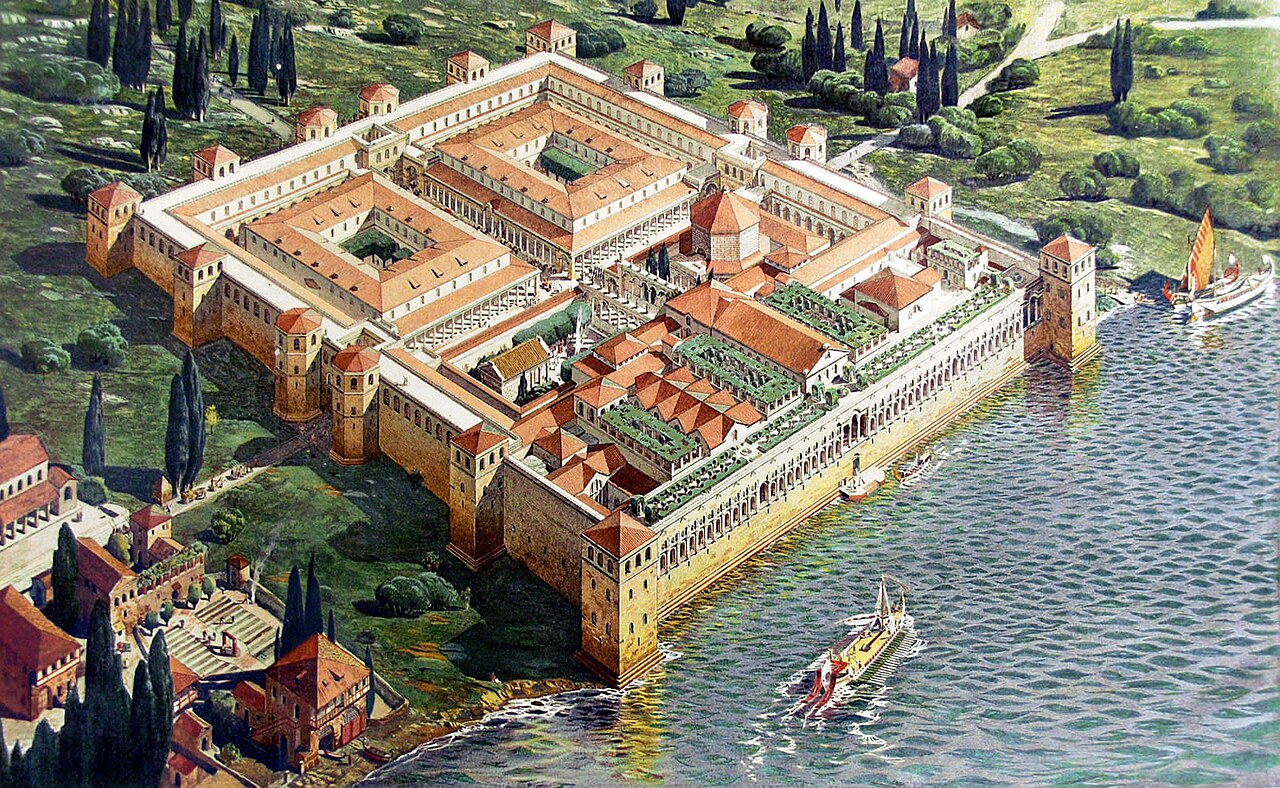
Diocletian's Palace
293
 Book
Secondary source
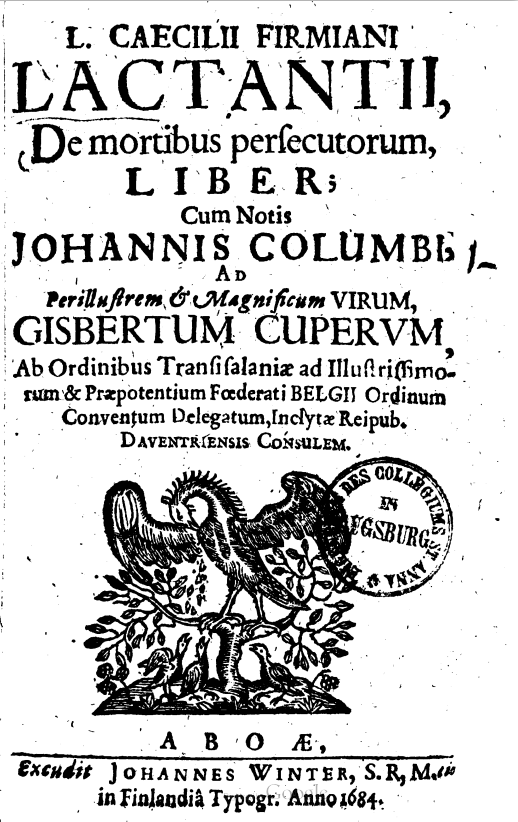
De mortibus persecutorum
Lactantius · after 316
 Sculpture
Primary source
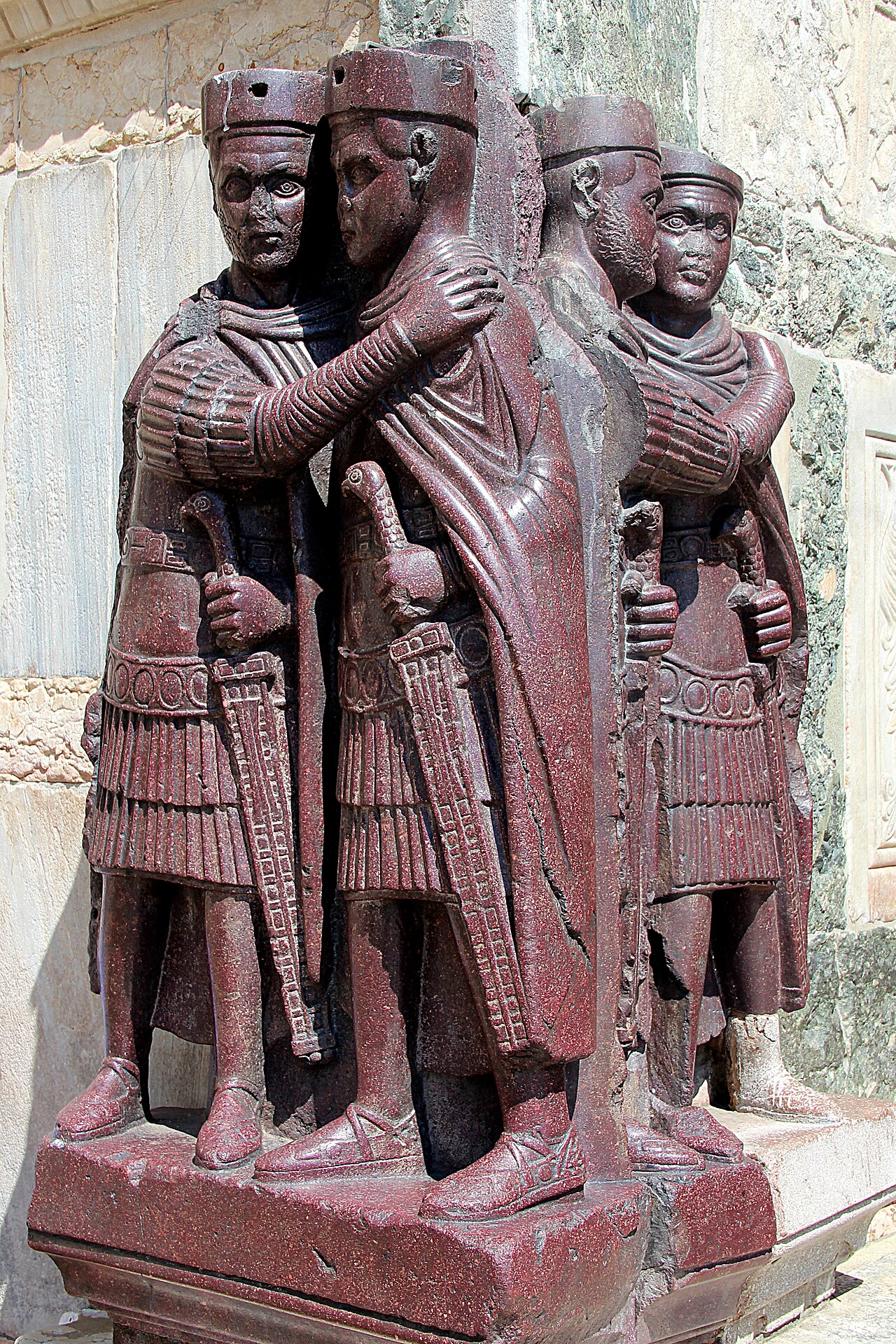
Portrait of the Four Tetrarchs
c. 300 CE
Free account
Read every Diocletian source
Sign up free →
Ready when you are
Start chatting with Diocletian now.
20 messages free · No credit card · Available in 50+ languages.