


Primary sourceArtifactAH 582-613 / 1186-1216 AD
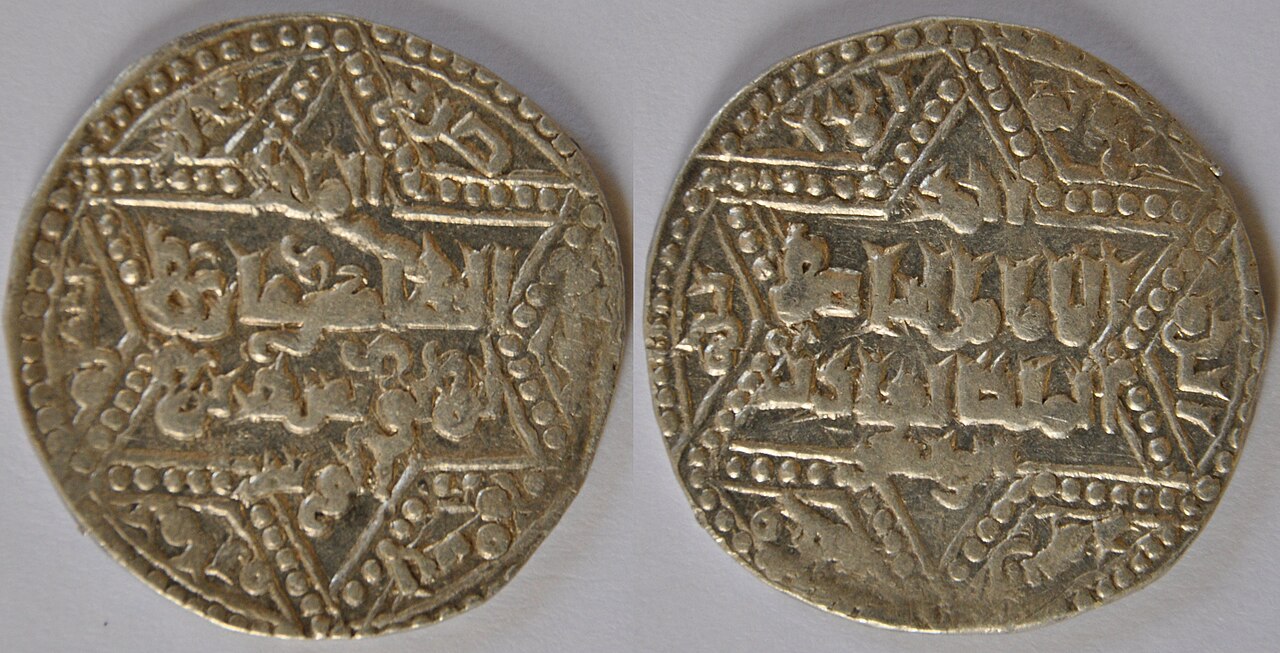
Silver Dirham of az-Zahir Ghazi
AH 582-613 / 1186-1216 AD
A silver coin struck under az-Zahir Ghazi, son of Saladin, showing the Ayyubid dynasty his father founded.
A coin struck under Saladin's son az-Zahir Ghazi, showing the Ayyubid dynasty Saladin founded continuing after him.
About this source
What it is
This is a silver dirham struck for Al-Zahir Ghiyath al-Din Ghazi, son of Saladin, issued at Aleppo. It measures about 21mm across and weighs around 3 grams, with Arabic inscriptions surrounded by a six-pointed star pattern. The coin shown is a modern photograph of two such coins held in a private or museum collection.
Why it matters
Coins like this were struck in the name of Ayyubid rulers, the dynasty Saladin founded. Minting coins was a way rulers showed their authority over a region, so this dirham is physical evidence of the Ayyubid state continuing after Saladin's death, under his son's rule.
Look closer
- Why might a ruler put their name and title on coins?
- What does the survival of this coin tell us about trade and government in Aleppo at the time?
- How does a coin differ from a written document as a historical source?
This artifact is part of the curated material that grounds the AI version of Saladin on Humy.ai — when students ask about related events, the AI can quote it and cite it.
More Saladin sources
Meet the AI Saladin →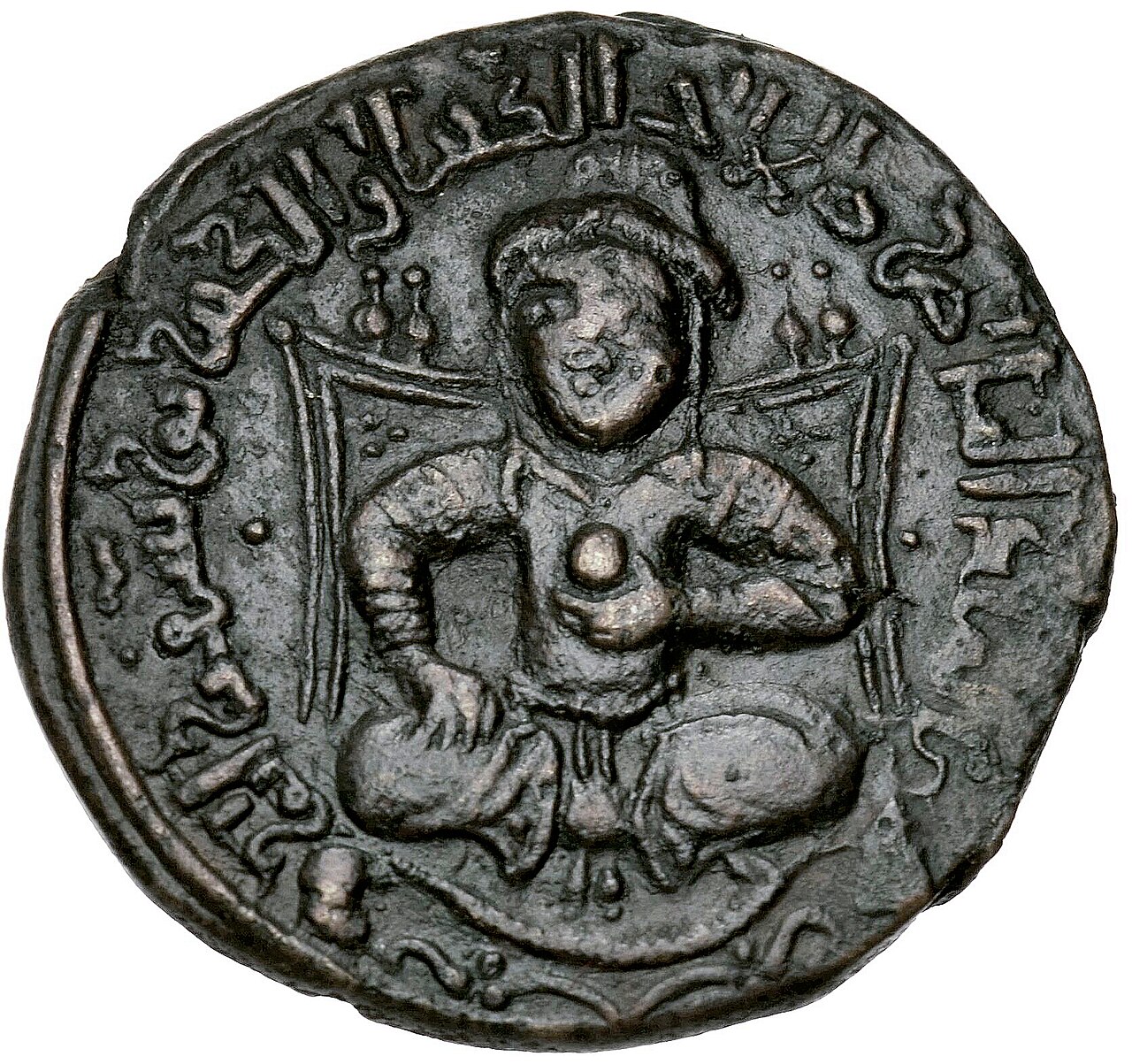 Artifact
Primary source
Dirham of Saladin
AH 586 (AD 1190-91)
 Painting
Secondary source
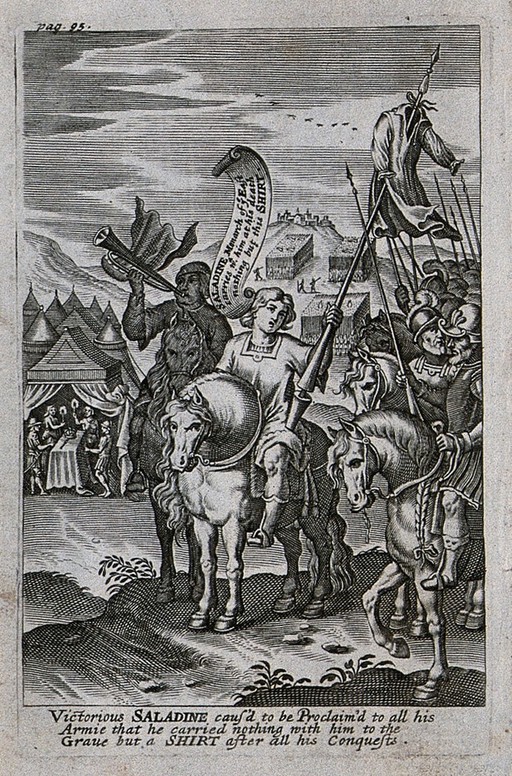
Saladin Proclaims He Will Take Only a Shirt to His Grave
John Payne · 1639
 Artifact
Primary source
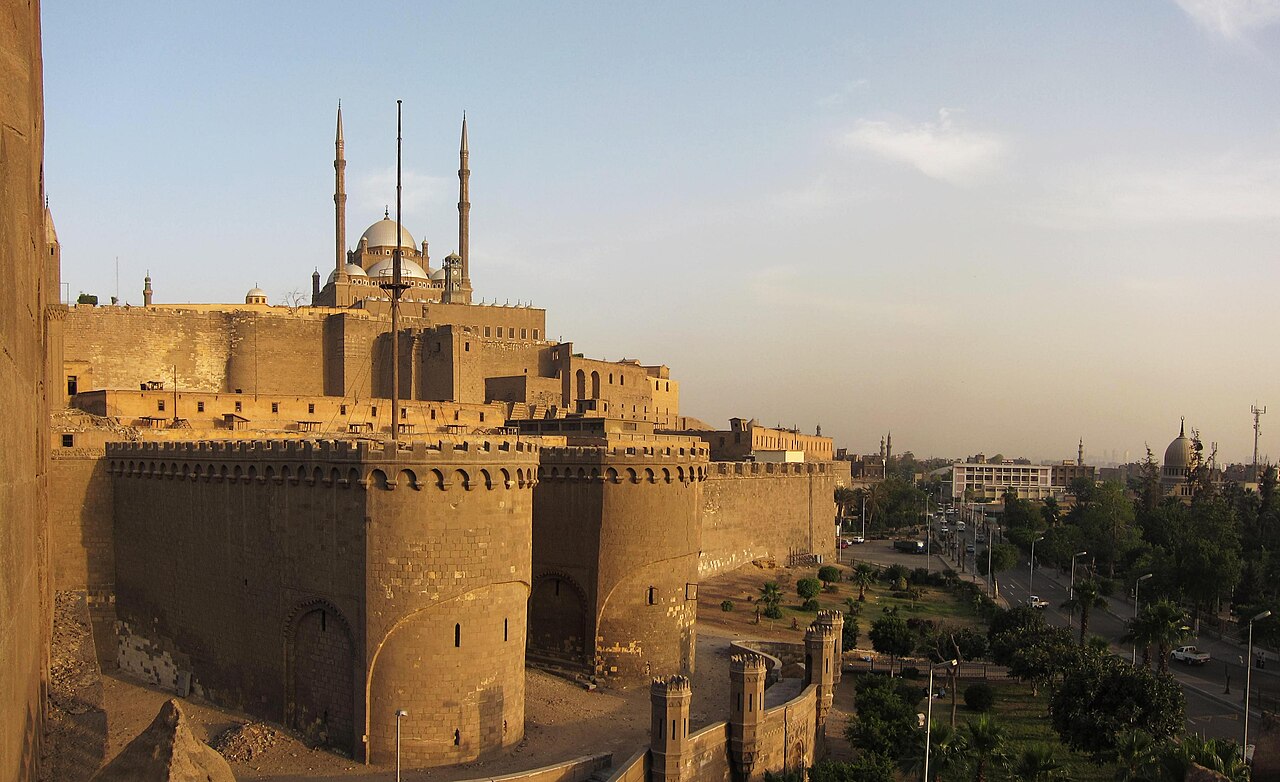
Cairo Citadel
Saladin · begun 1176
 Photograph
Secondary source
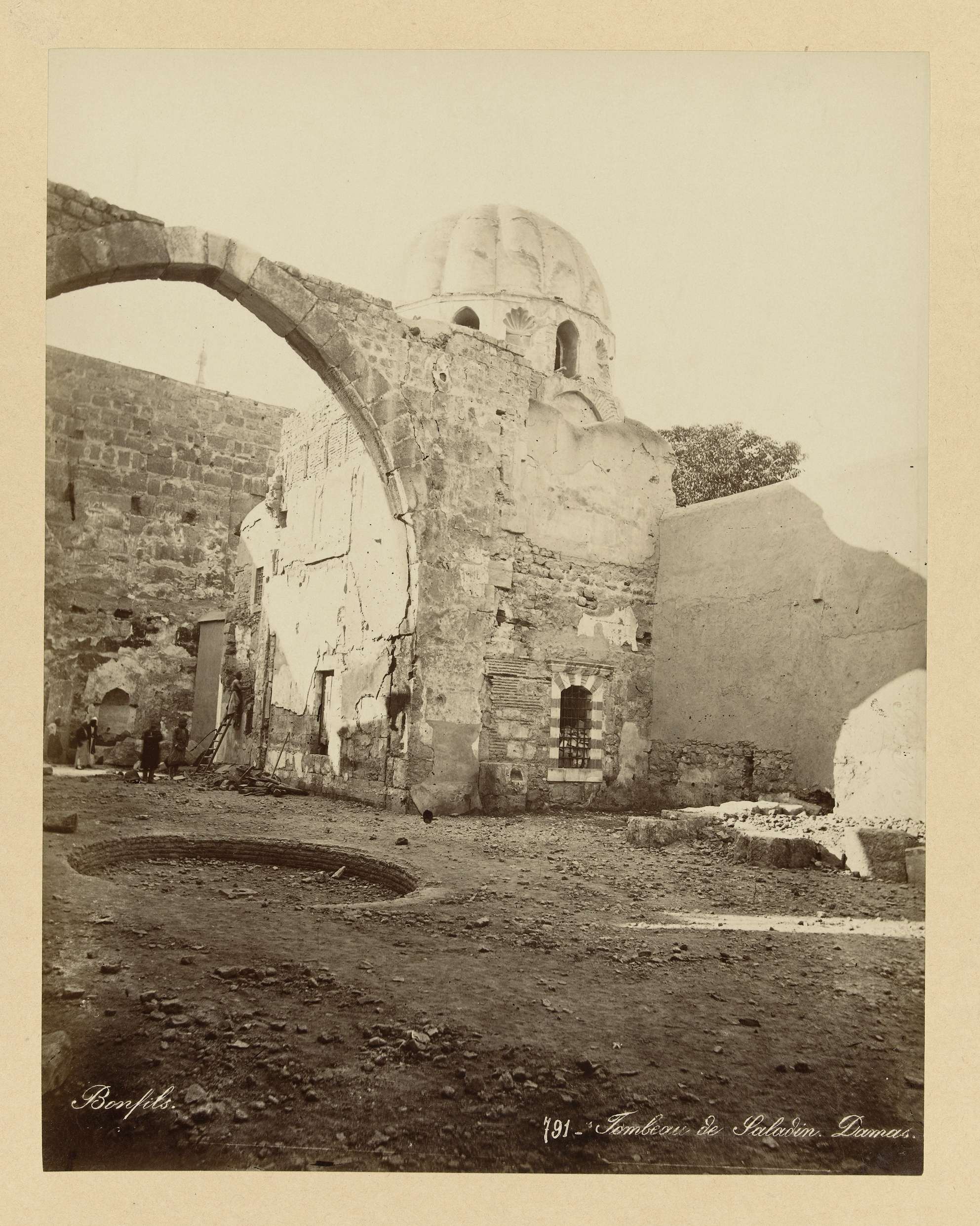
Tomb of Saladin, Damascus
 Painting
Secondary source
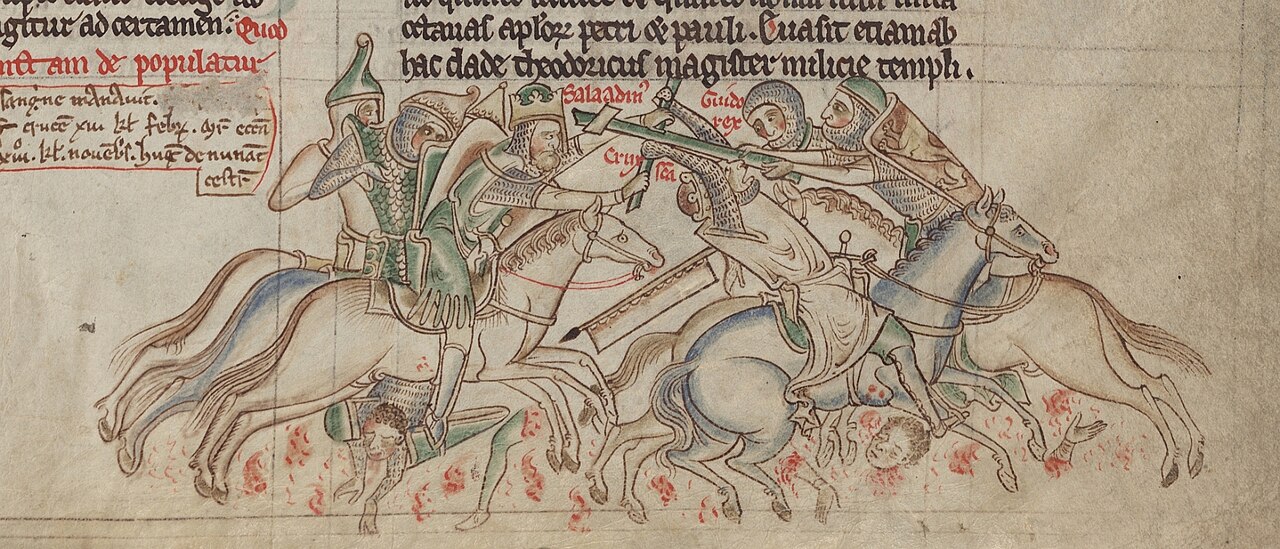
Saladin Seizing the True Cross from Guy of Lusignan
Matthew Paris
Ready when you are
Start chatting with Saladin now.
20 messages free · No credit card · Available in 50+ languages.