


Primary sourceArtifact903-904 AD
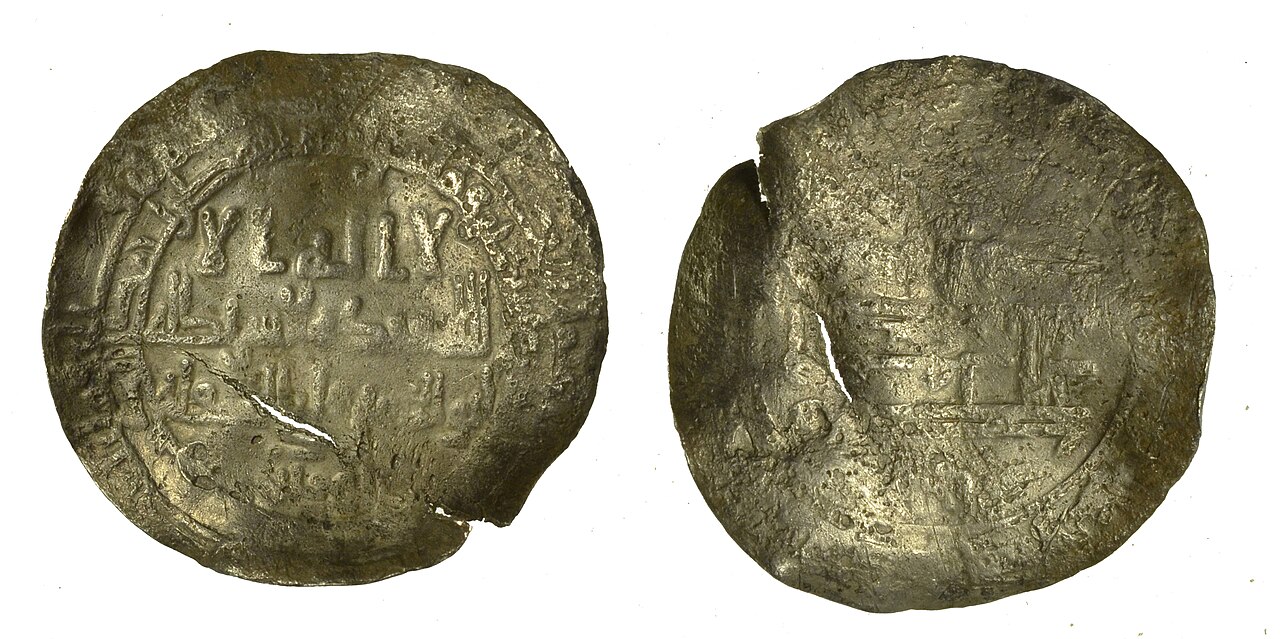
Silver Dirham of Samanid Amir Ismail, 903-904
903-904 AD
A Samanid coin minted during the reign of Ismail ibn Ahmad, around the time of Farabi's early life.
This coin dates from the Samanid era during Farabi's early career, reflecting the political authorities of his time.
About this source
What it is
This complete early medieval silver dirham was issued by the Samanid amir Ismail ibn Ahmad in 291 AH (903-904 AD). It was minted at ash-Shash and carries the names of the Samanid amir, the caliph al-Muktafi, and the vizier Abu l-Husayn Wali ad-dawla. It is recorded in the Sylloge Numorum Arabicorum Tubingen.
Why it matters
Issued near the start of Farabi's life, this coin names three layers of authority — caliph, amir, and vizier — showing the political structure of the Islamic world that Farabi grew up in and later wrote about in his philosophy of governance.
Look closer
- Why might a coin name the caliph, the amir, and the vizier all together?
- What does the coin's wear and cracking tell you about its history and handling?
- How might studying coins help historians date and understand political events?
This artifact is part of the curated material that grounds the AI version of Al-Farabi on Humy.ai — when students ask about related events, the AI can quote it and cite it.
More Al-Farabi sources
Meet the AI Al-Farabi →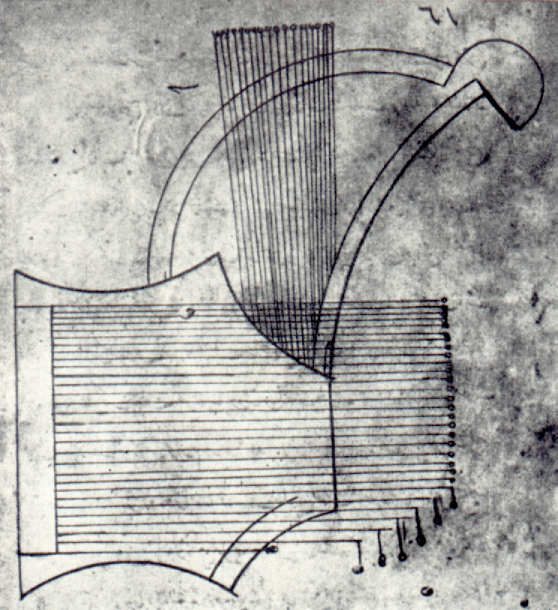 Book
Primary source
Kitab al-Musiqa al-Kabir
Farabi · 10th century
 Artifact
Primary source
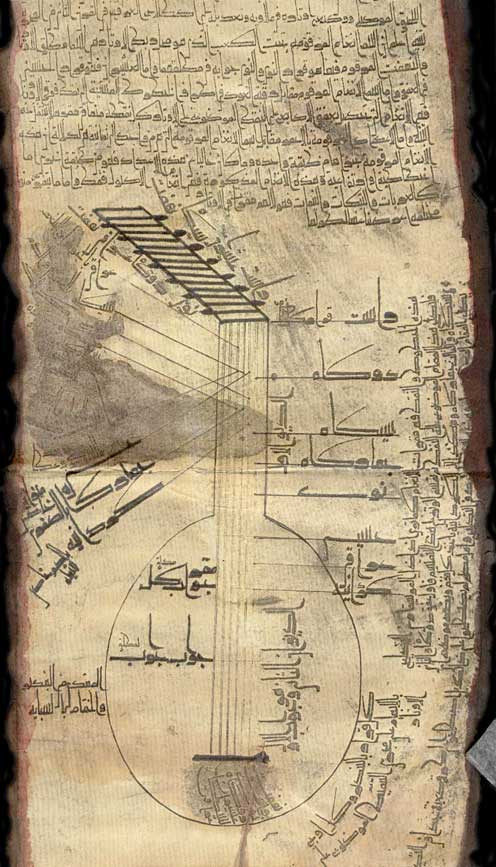
Lute Diagram with Seven Courses
Farabi · 10th century
 Book
Primary source
On the Scope of Aristotle's Metaphysics
Farabi · 10th century
 Book
Primary source
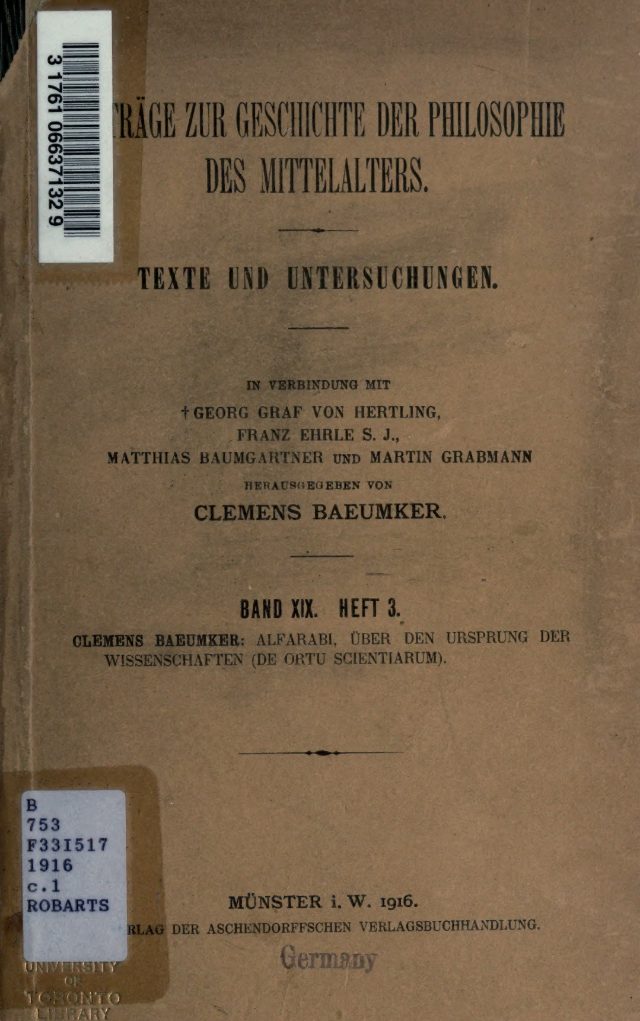
Über den Ursprung der Wissenschaften
Farabi · 1916 (edition of the original treatise)
PaintingPrimary source
Drawing of the Shahrud from the Great Book of Music
Farabi · 10th century
Ready when you are
Start chatting with Al-Farabi now.
20 messages free · No credit card · Available in 50+ languages.