


Primary sourceArtifact1658–1707 (this example 1702)
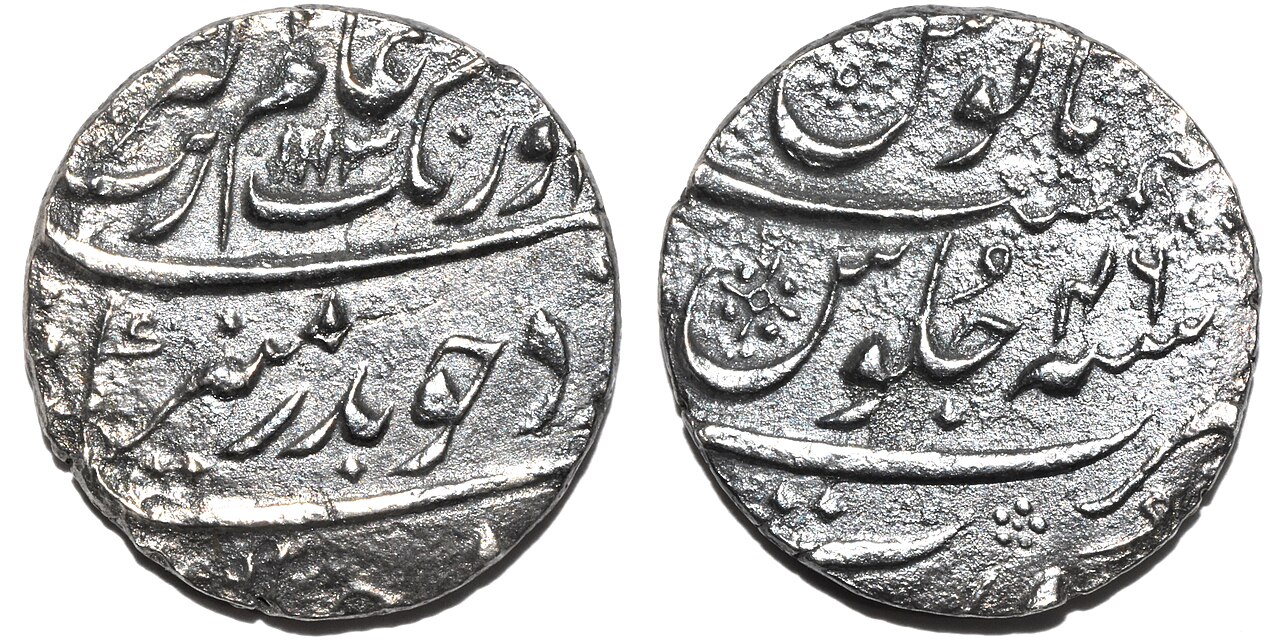
Silver Rupee of Aurangzeb (Alamgir)
Mughal imperial mints · 1658–1707 (this example 1702)
A Mughal silver coin minted under Aurangzeb's reign, bearing his titles and a couplet instead of the traditional Islamic kalima.
Minted under Aurangzeb's authority, this coin's inscriptions reflect his personal religious choices as ruler.
About this source
What it is
This is a silver rupee struck at a Mughal mint during the reign of Aurangzeb (r. 1658–1707), also known by his title Alamgir. One surviving example was minted at Surat and dated to 1702. Coins like this one circulated across the empire and some examples are now held in museum and private collections, including the British Museum.
Why it matters
Aurangzeb's coinage dropped the Islamic declaration of faith found on earlier Mughal coins, replacing it with his own couplet and titles. This change is often cited by historians as evidence of his particular religious sensibility and how he wanted his authority to be understood and displayed throughout his vast empire.
Look closer
- Why might an emperor choose to change the wording on his coins?
- What can a coin tell us about an empire's size, economy, and the ruler's self-image?
- What is missing from a coin that a letter or portrait might show instead?
This artifact is part of the curated material that grounds the AI version of Aurangzeb on Humy.ai — when students ask about related events, the AI can quote it and cite it.
More Aurangzeb sources
Meet the AI Aurangzeb →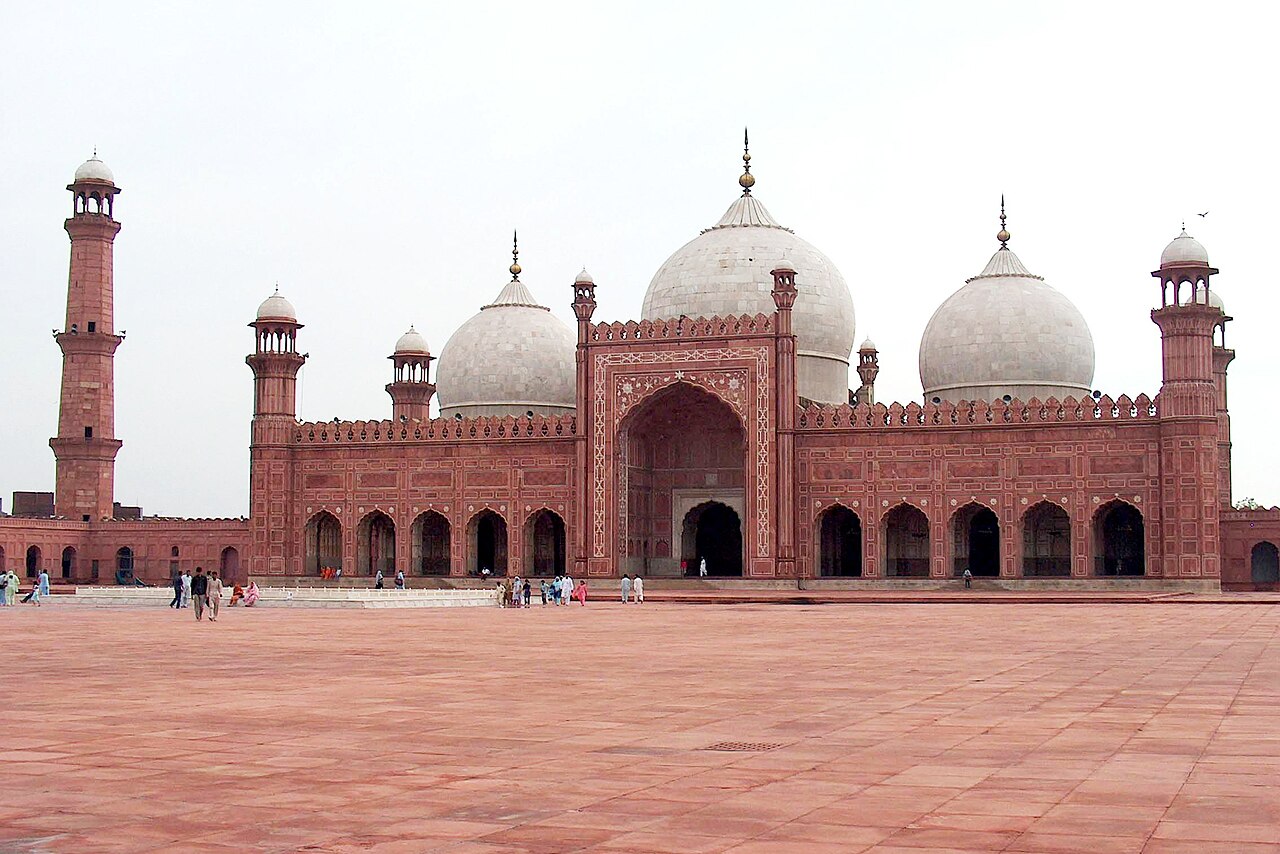 Artifact
Primary source
Badshahi Mosque
1671–1673
 Document
Primary source
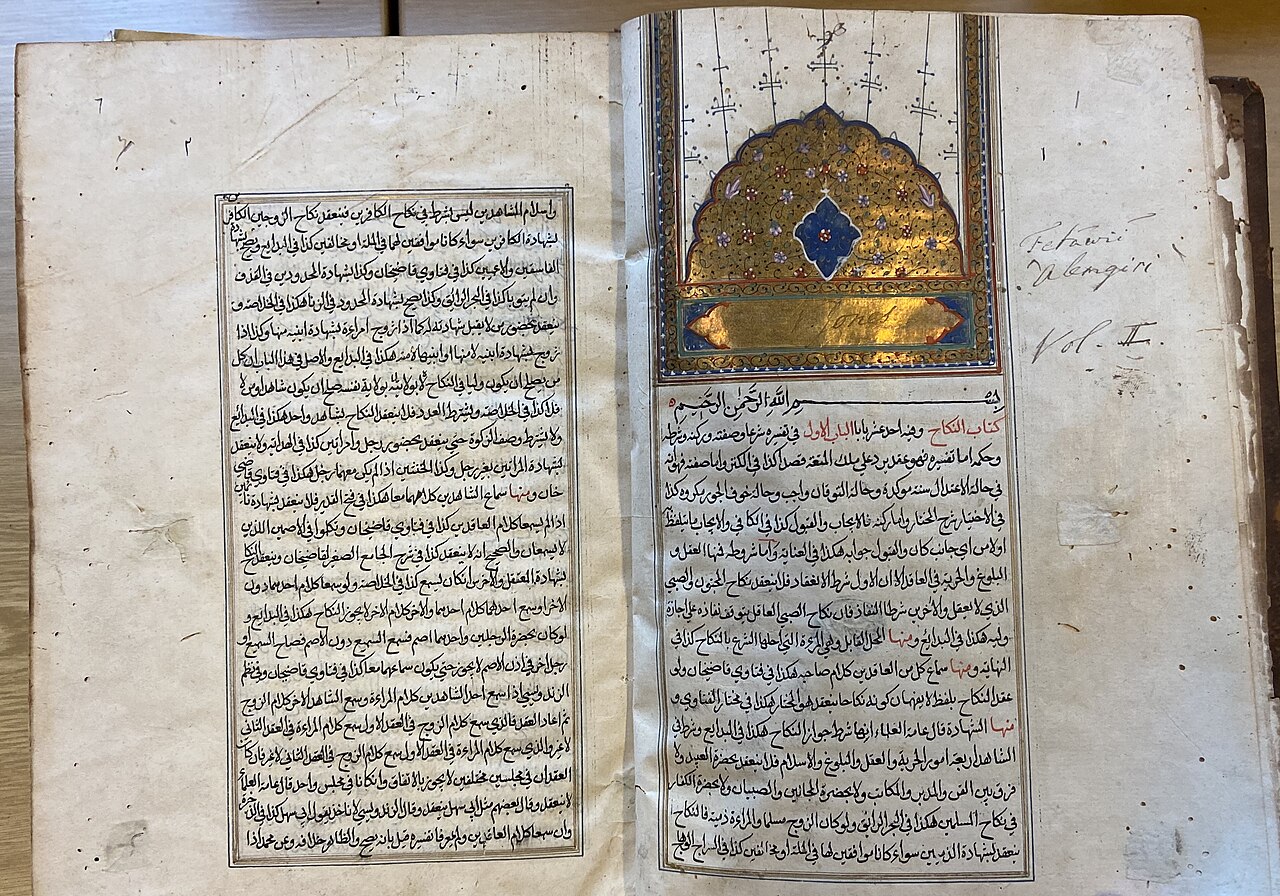
Fatawa-i Alamgiri Manuscript
17th century (this copy later recopied)
 Book
Secondary source
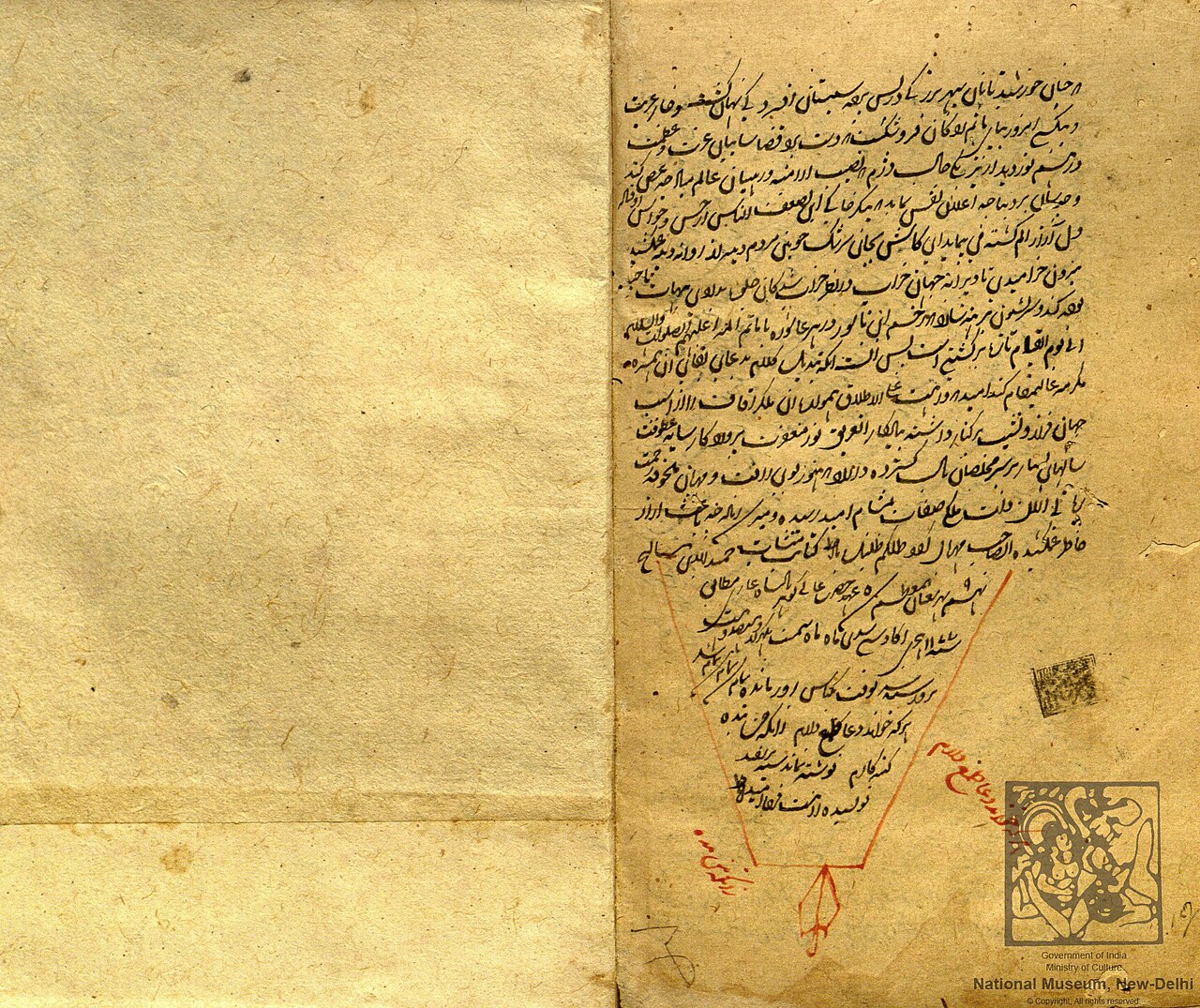
Maasir-i-Alamgiri
Saqi Musta'id Khan · c. 1710 (this copy 1763-1764)
Primary source
Ruka'at-i-Alamgiri
Aurangzeb · 17th century
 Letter
Primary source
Zafarnamah
Guru Gobind Singh · 1705
Ready when you are
Start chatting with Aurangzeb now.
20 messages free · No credit card · Available in 50+ languages.