


Secondary sourceArtifact1123
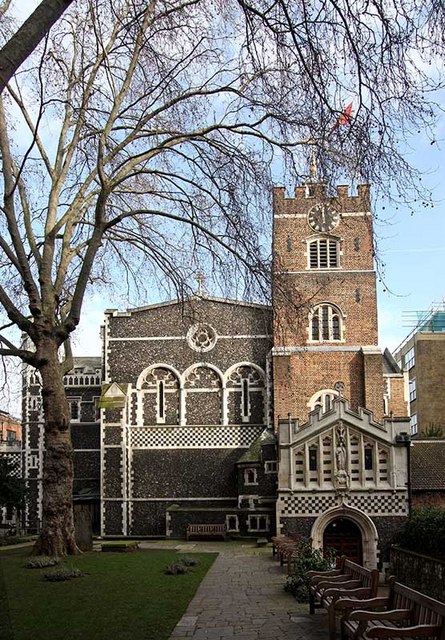
St Bartholomew-the-Great
1123
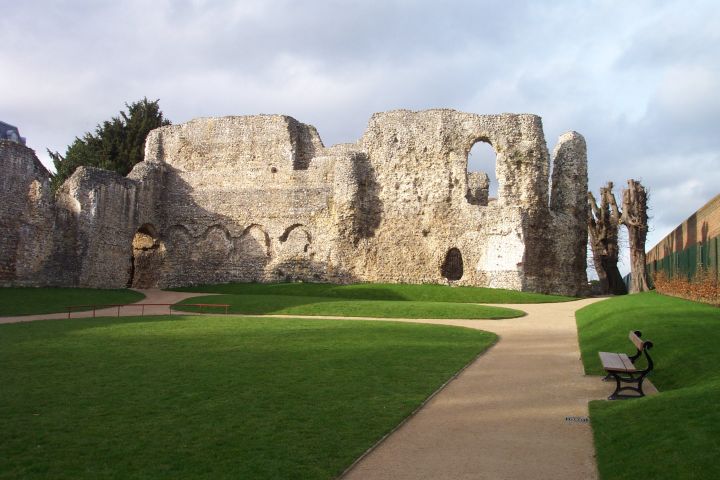
A London priory church founded in 1123 by Rahere under a royal charter granted by Henry I, one of London's best-surviving buildings from his reign.
Henry I granted the royal land on which Rahere built this priory, making the king essential to its founding.
Free Humy account · No credit card · 120,912 sources to read
About this source
What it is
St Bartholomew-the-Great is a medieval church in Smithfield, London, founded as an Augustinian priory in 1123 by Rahere, a courtier and canon. It adjoins St Bartholomew's Hospital, founded at the same time.
Why it matters
According to tradition, Rahere wanted to build the priory after a vision, but the land belonged to the crown. King Henry I granted Rahere the land to build on, allowing the project to go ahead. The surviving church is one of the oldest buildings in London and shows how royal favour could enable major religious foundations in this period. The site later witnessed events such as the Peasants' Revolt and, much later, a young Benjamin Franklin worked nearby as a typesetter.
Look closer
- Why would Rahere need the king's permission to build on this land?
- What does the survival of this building tell you about which structures from this period tend to last?
- What other historical events have left traces on this site?
This artifact is part of the curated material that grounds the AI version of Henry I on Humy.ai — when students ask about related events, the AI can quote it and cite it.
More Henry I sources
Browse all 72 →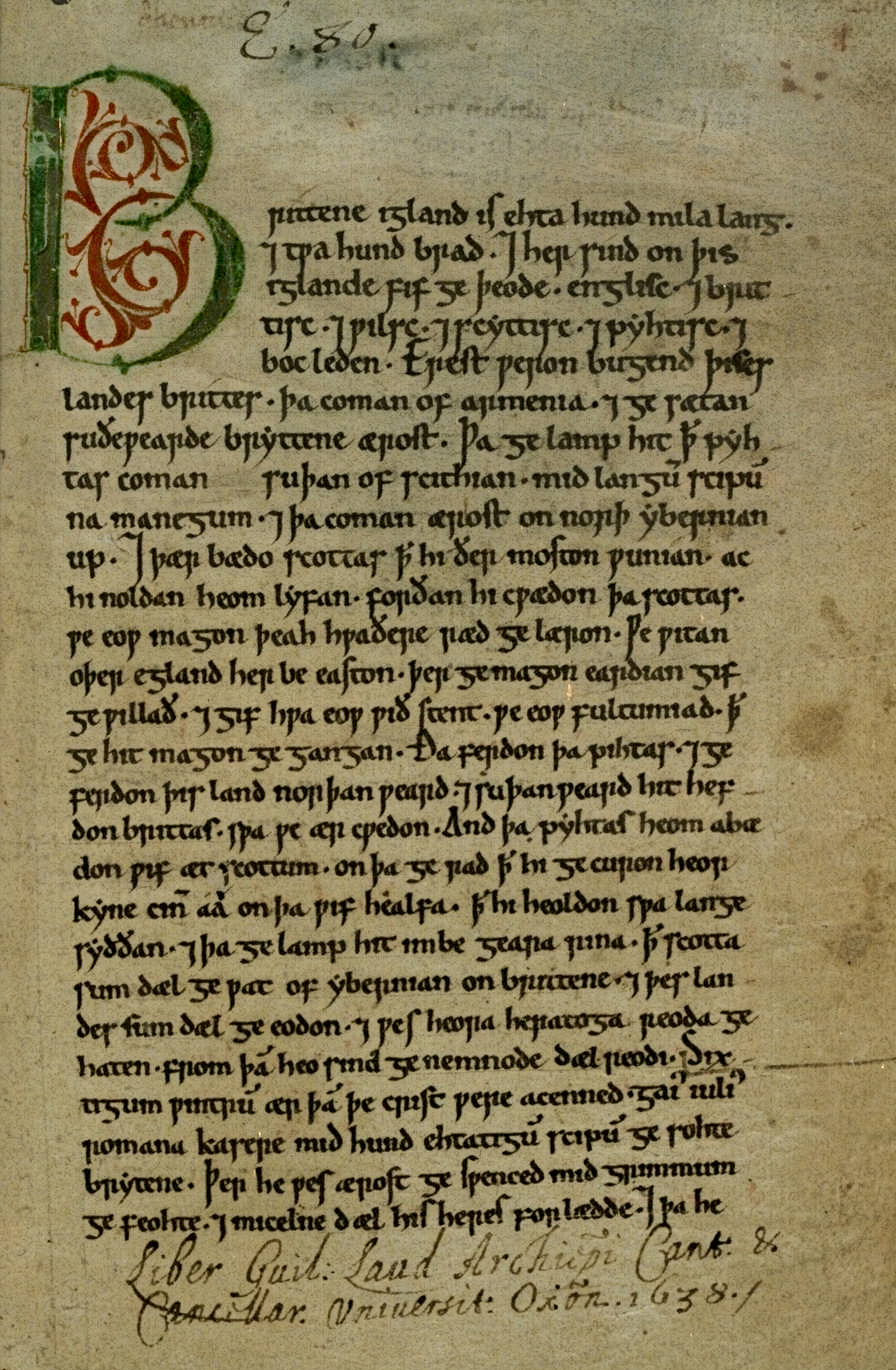 Book
Primary source
Peterborough Chronicle
c. 1130
 Artifact
Primary source
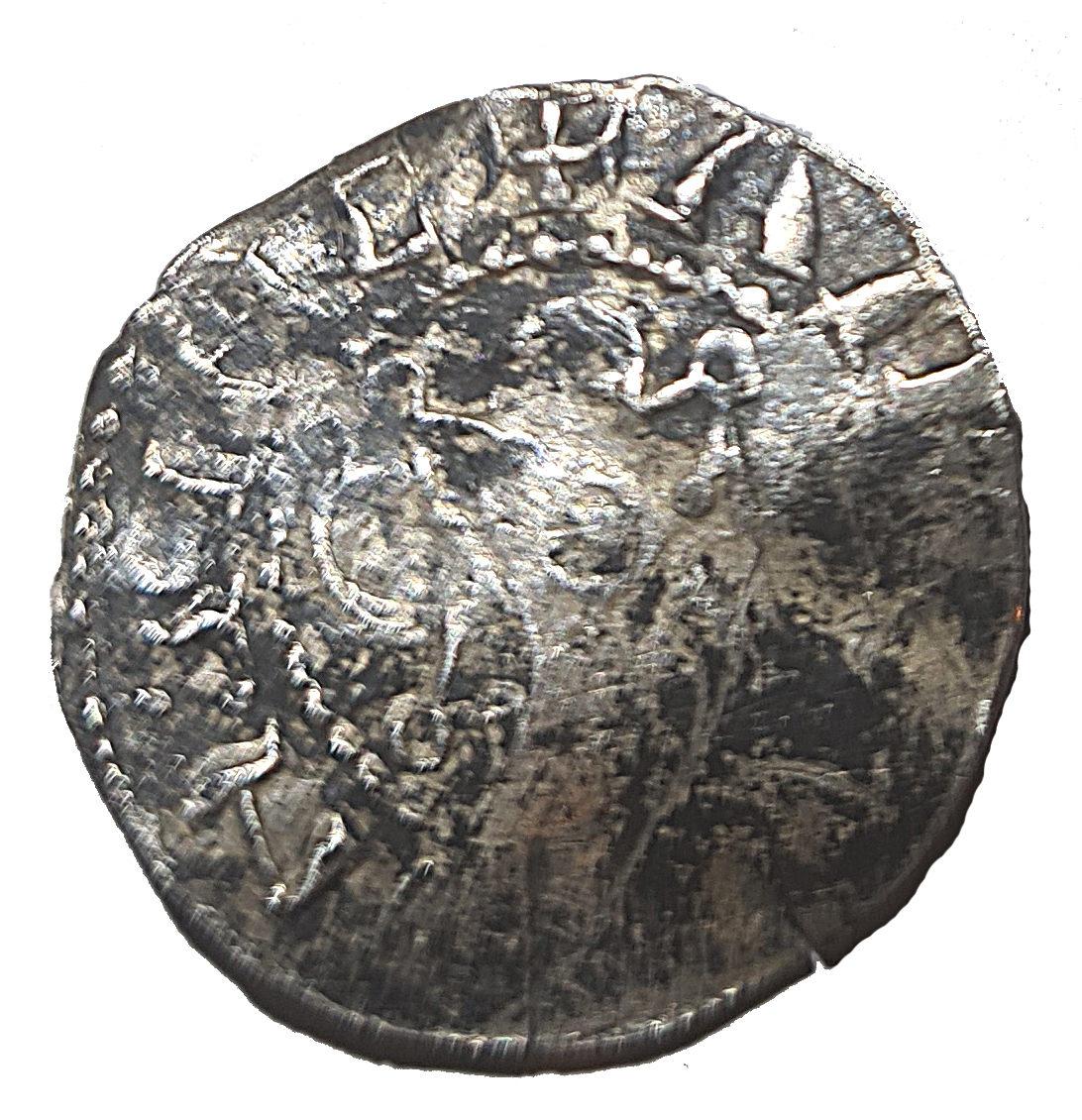
Great Seal of Henry I
Royal chancery of Henry I · 1100–1135
 Book
Primary source
Ecclesiastical History
Orderic Vitalis · 12th century
 Document
Secondary source
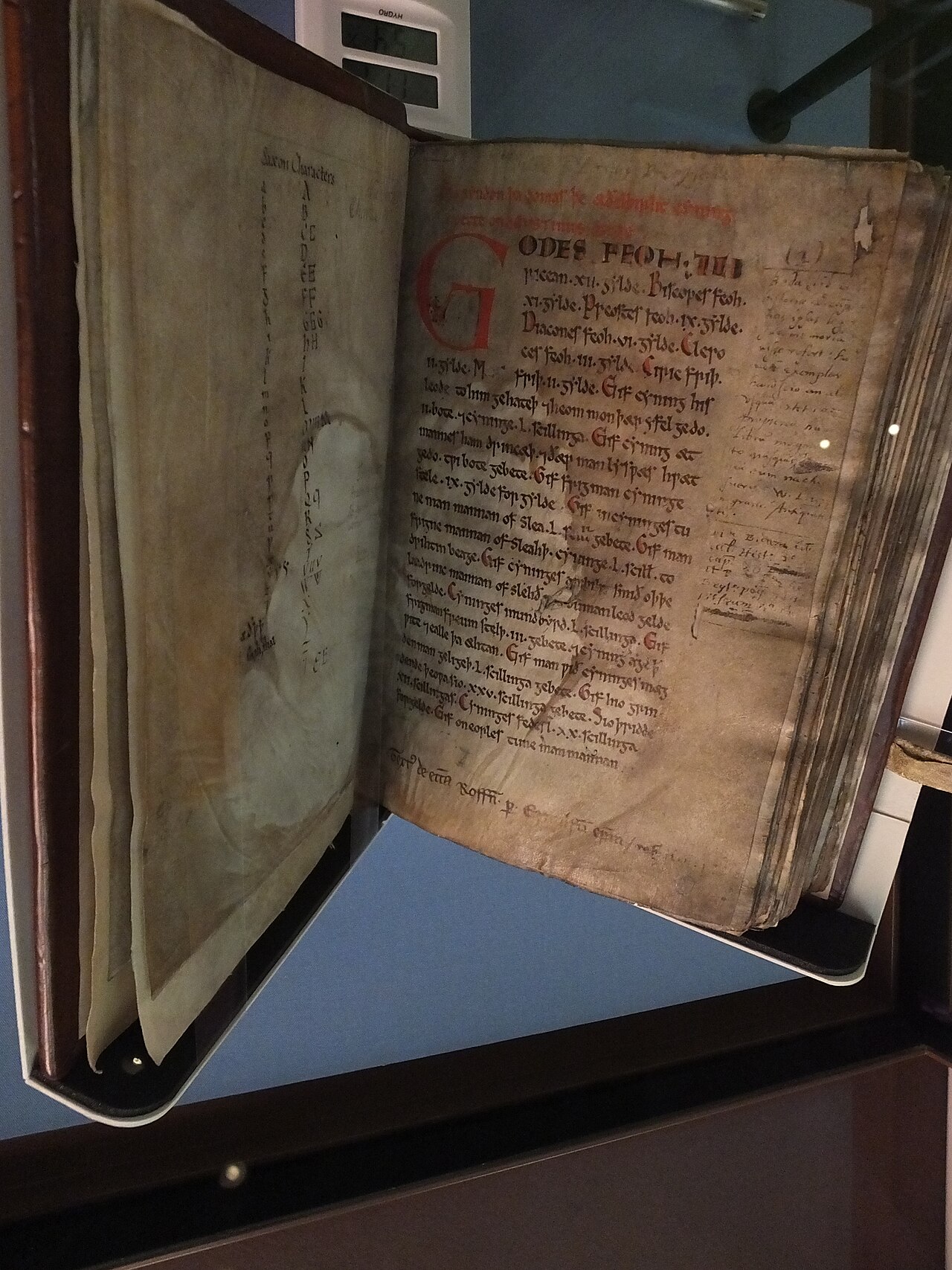
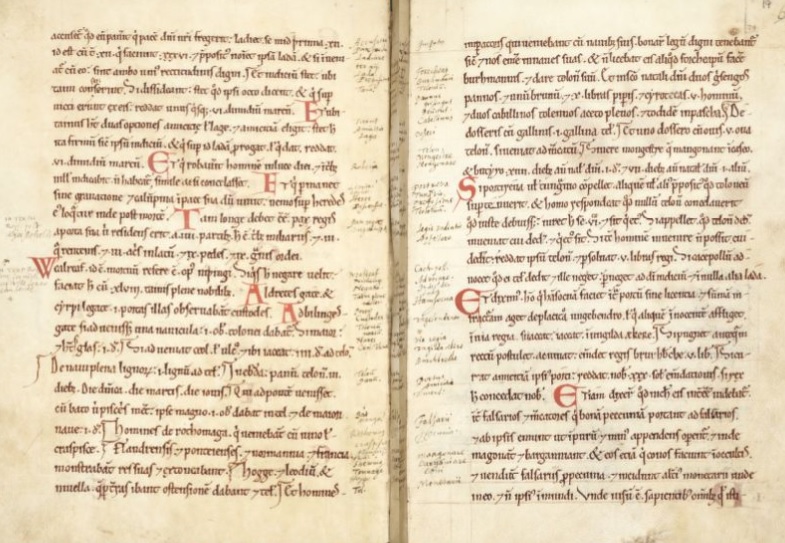
Textus Roffensis
c. 1300 (this copy; text 1122-1124)
Free account
Read every Henry I source
Sign up free →
Ready when you are
Start chatting with Henry I now.
20 messages free · No credit card · Available in 50+ languages.