


Secondary sourceBook13th century
Stabat Mater
Jacopone da Todi (attributed) · 13th century
A medieval Latin hymn describing Mary's grief as she stood by the cross, later set to music by many composers.
This hymn depicts Mary's sorrow at the crucifixion of her son, shaping centuries of devotion to her suffering.
Free Humy account · No credit card · 118,535 sources to read

About this source
What it is
This is a 13th-century Latin hymn describing Mary standing in sorrow at the crucifixion of her son. It is traditionally attributed to the Franciscan friar Jacopone da Todi, though some scholars credit Pope Innocent III, and the earliest known copy survives in a Dominican nuns' gradual from Bologna. It became part of the liturgy for the memorial of Our Lady of Sorrows.
Why it matters
The hymn shaped how Mary was imagined for centuries afterward: not only as a mother of joy but as a mother of grief, witnessing her son's death. Its enormous influence is shown by the long list of composers across hundreds of years who set it to music, from Palestrina to Dvořák to Poulenc, making it one of the most reused religious texts in Western art.
Look closer
- Why might medieval writers have focused on Mary's suffering rather than other parts of her story?
- What does the survival of so many musical settings tell us about the hymn's lasting importance?
- How might reciting this text have been meant to make worshippers feel?
This book is part of the curated material that grounds the AI version of Mary, mother of Jesus on Humy.ai — when students ask about related events, the AI can quote it and cite it.
More Mary, mother of Jesus sources
Browse all 85 →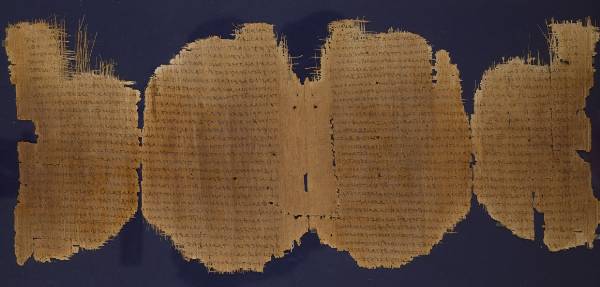 Book
Secondary source
Gospel of Luke
Luke the Evangelist · c. AD 85
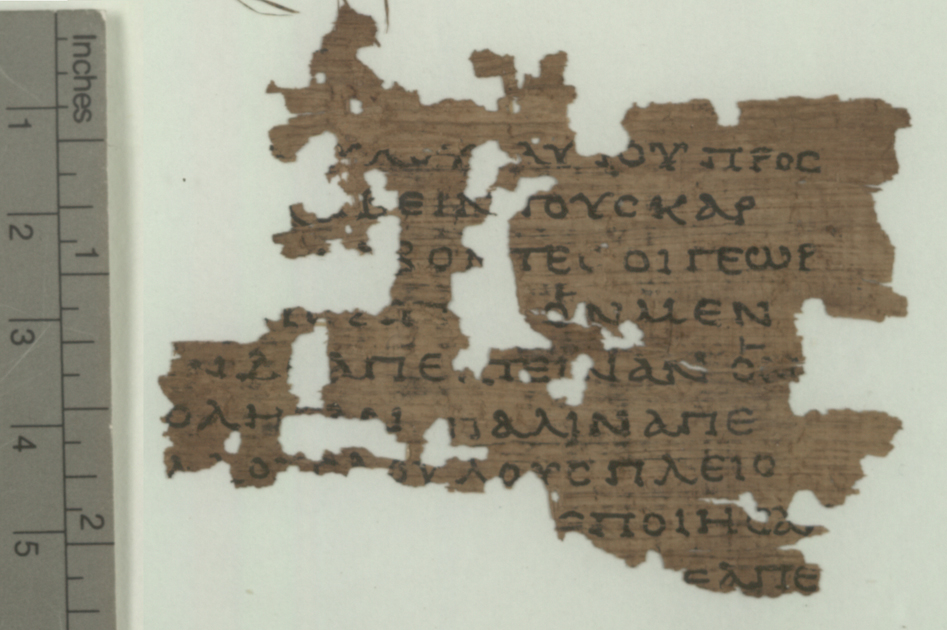 Book
Secondary source
Gospel of Matthew
Matthew the Apostle · late 1st century AD
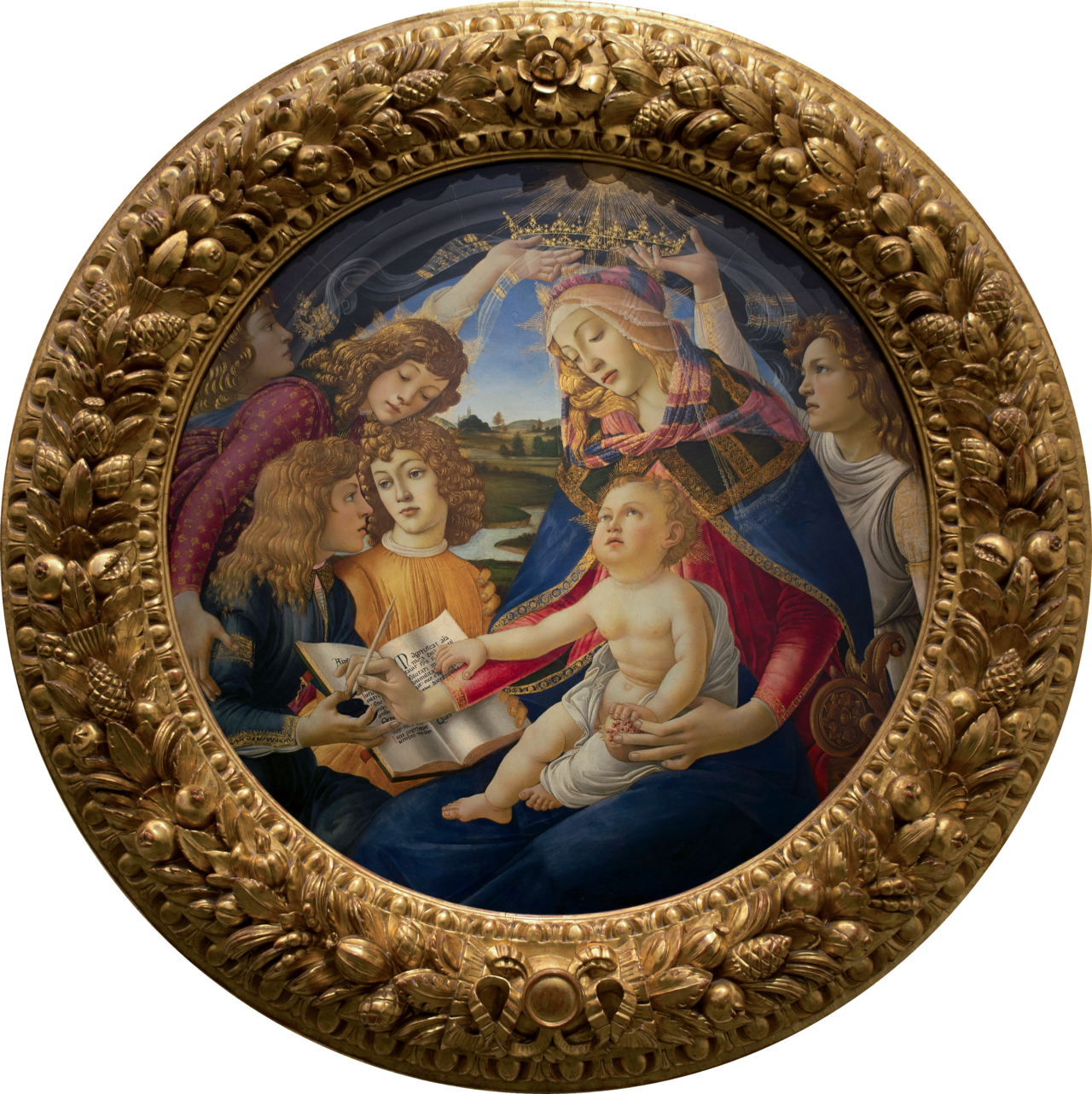 Speech
Secondary source
Magnificat
1st century CE
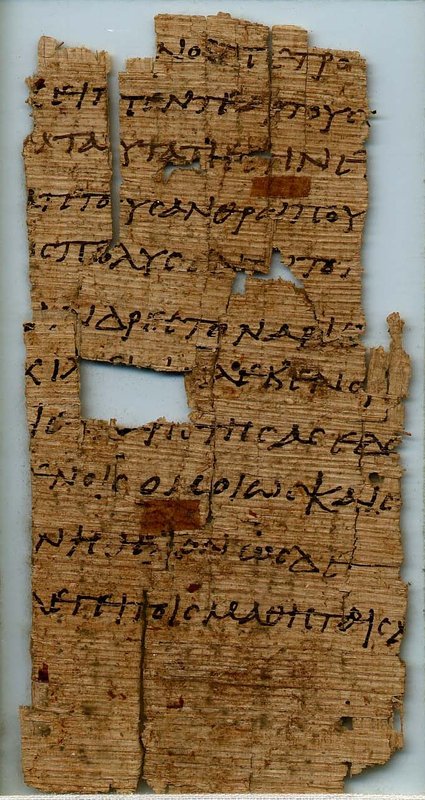 Book
Secondary source
Gospel of John
John the Evangelist · c. AD 90-100
Free account
Read every Mary, mother of Jesus source
Sign up free →
Ready when you are
Start chatting with Mary, mother of Jesus now.
20 messages free · No credit card · Available in 50+ languages.