


Primary sourceSculpture1279-1213 BCE
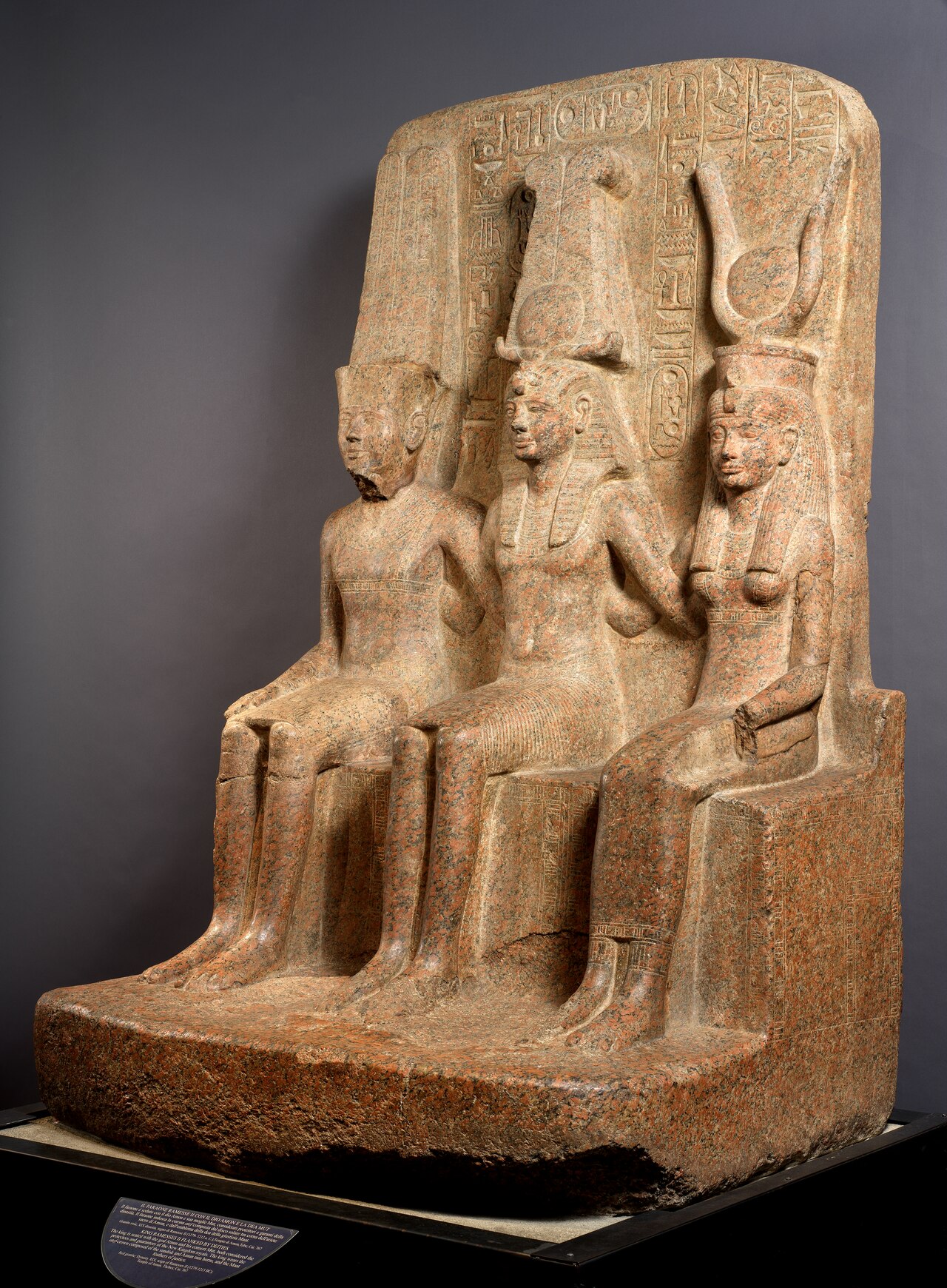
Statue of Ramesses II Seated Between Amun and Mut
1279-1213 BCE
A granite group statue showing Ramesses II seated with the gods Amun and Mut, asserting his divine status.
This statue shows Ramesses II seated with Amun and Mut, asserting his claim to divine status.
About this source
What it is
This granite statue group, dated 1279–1213 BCE, shows a king seated on a bench between two deities. It is held in the Museo Egizio in Turin, Italy.
Why it matters
The piece places Ramesses II alongside the Theban gods Amun and Mut, expressing his claim to be divine as well as royal. Such images were a political and religious statement, linking the pharaoh's authority directly to the gods of Thebes.
Look closer
- Why might a king want to be shown seated as an equal beside gods?
- What do the headdresses tell you about who is who in the group?
- What might this statue have meant to ordinary Egyptians who saw it?
This sculpture is part of the curated material that grounds the AI version of Ramses II (Ramses the Great) on Humy.ai — when students ask about related events, the AI can quote it and cite it.
More Ramses II (Ramses the Great) sources
Meet the AI Ramses II (Ramses the Great) →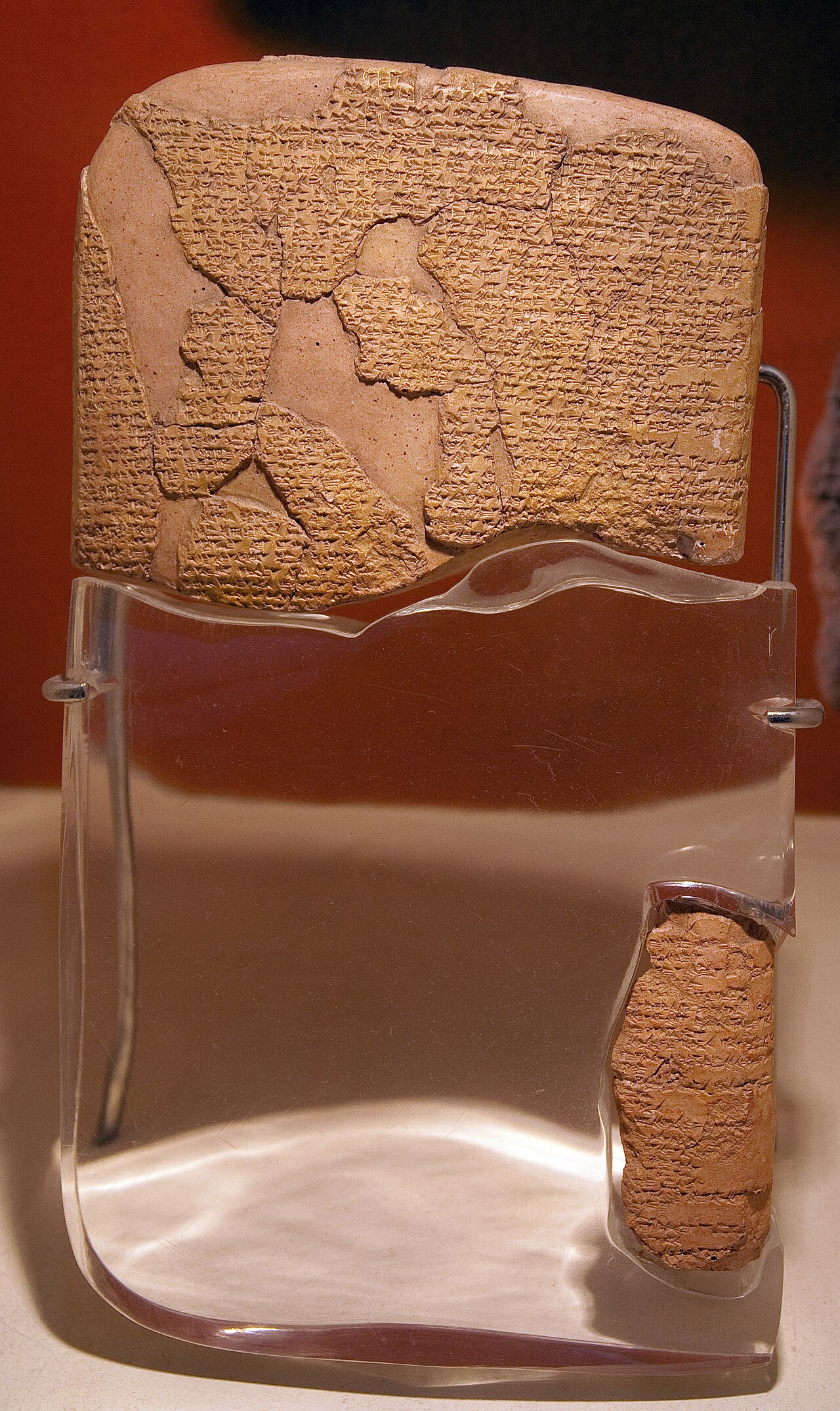 Document
Primary source
Egyptian–Hittite Peace Treaty
c. 1258 BCE
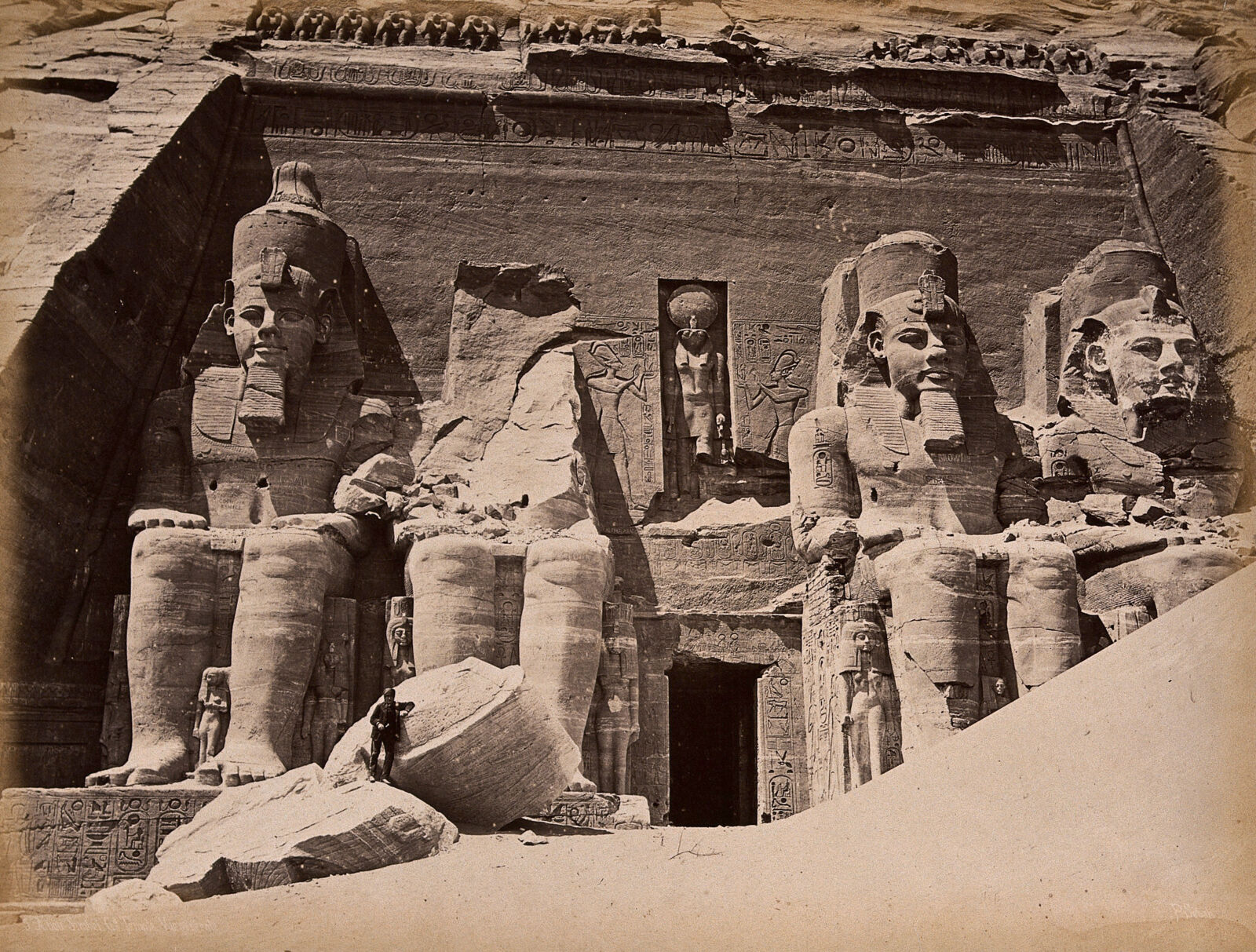 Photograph
Secondary source
Abu Simbel Temple Colossi
Pascal Sébah · 1875
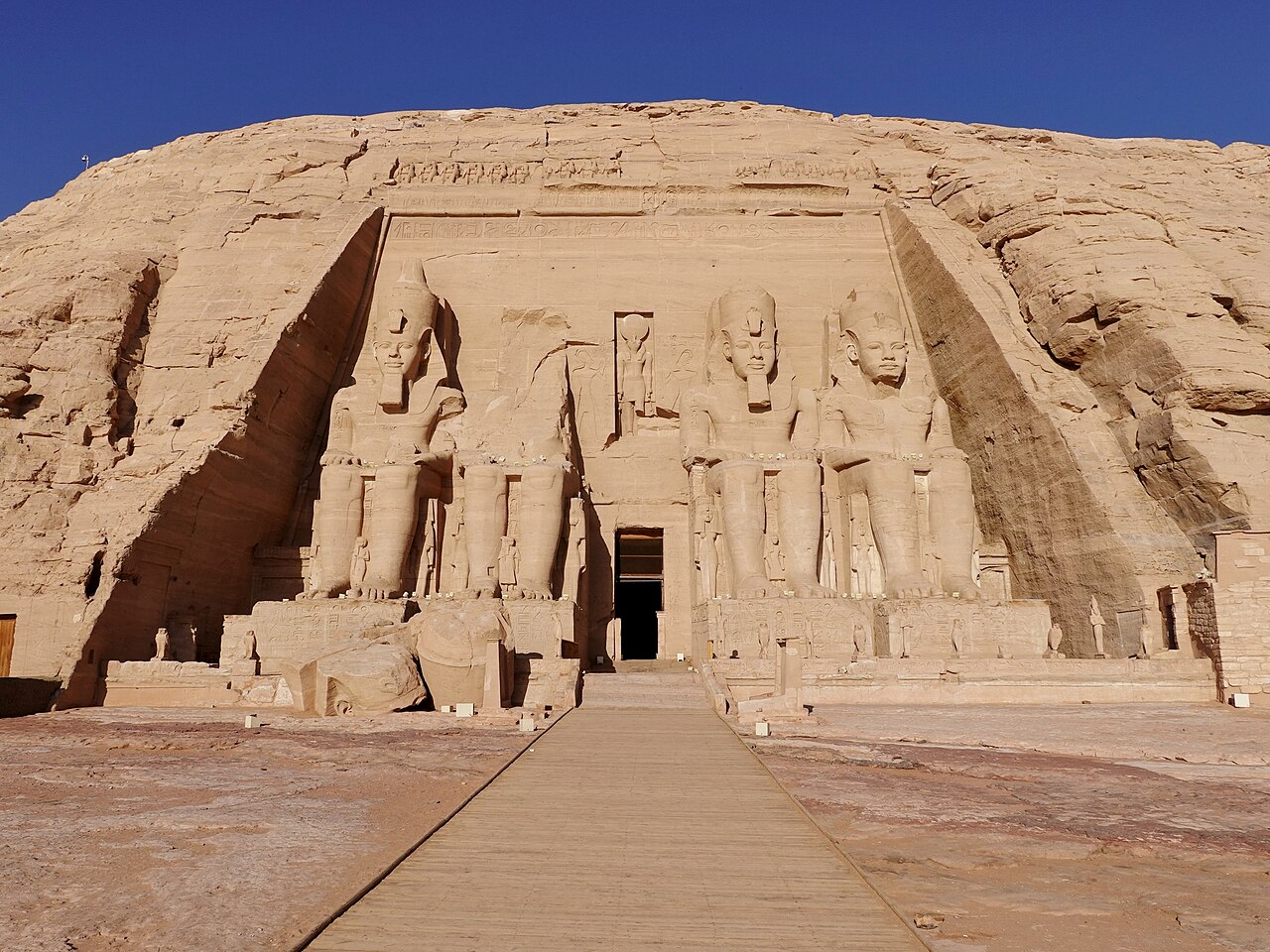 Artifact
Primary source
Abu Simbel
Ramesses II · c. 1273 BCE
 Photograph
Secondary source
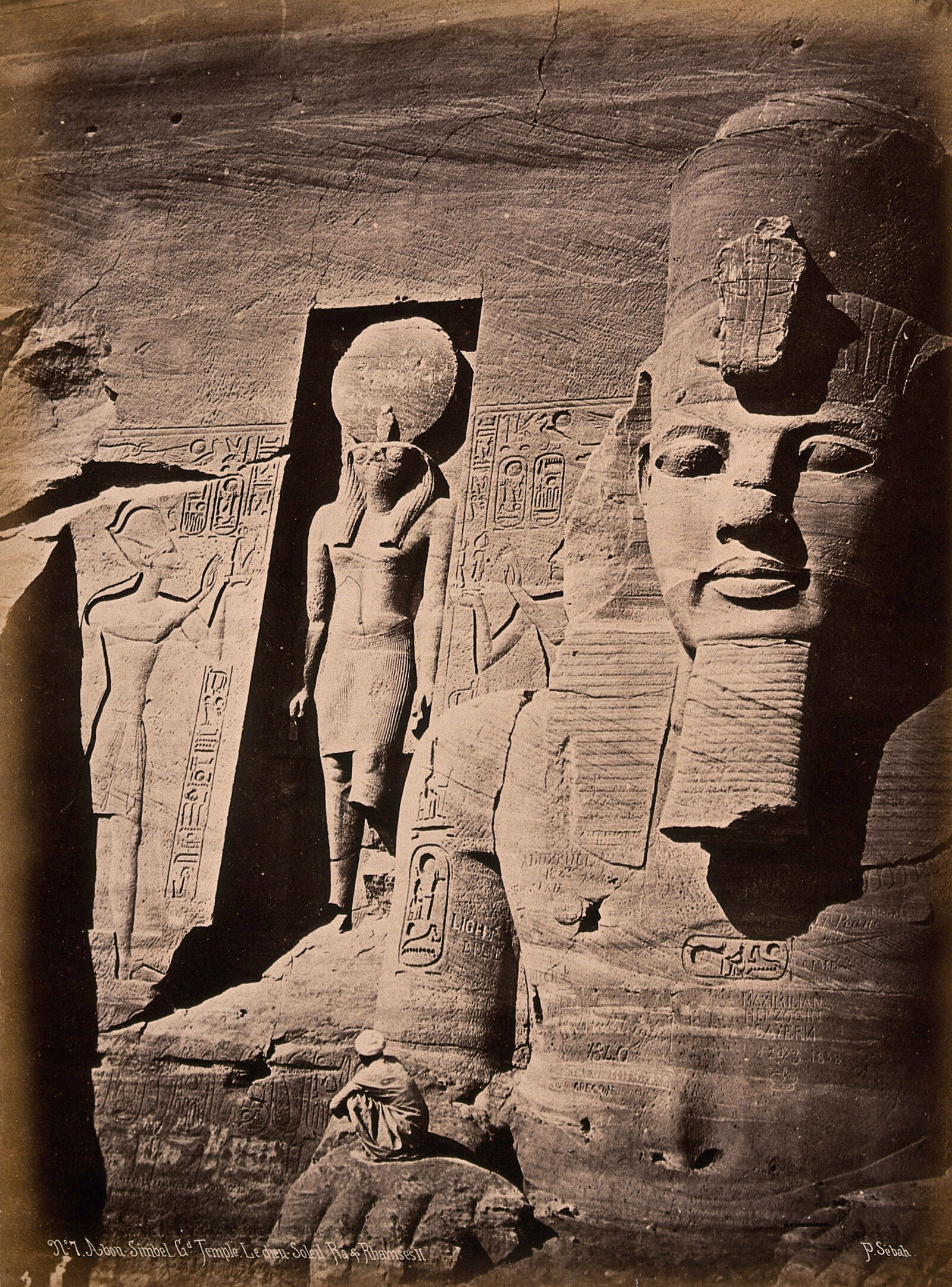
Facade Detail of Abu Simbel Showing Ramesses II and Ra
Pascal Sébah · 1875
 Photograph
Secondary source
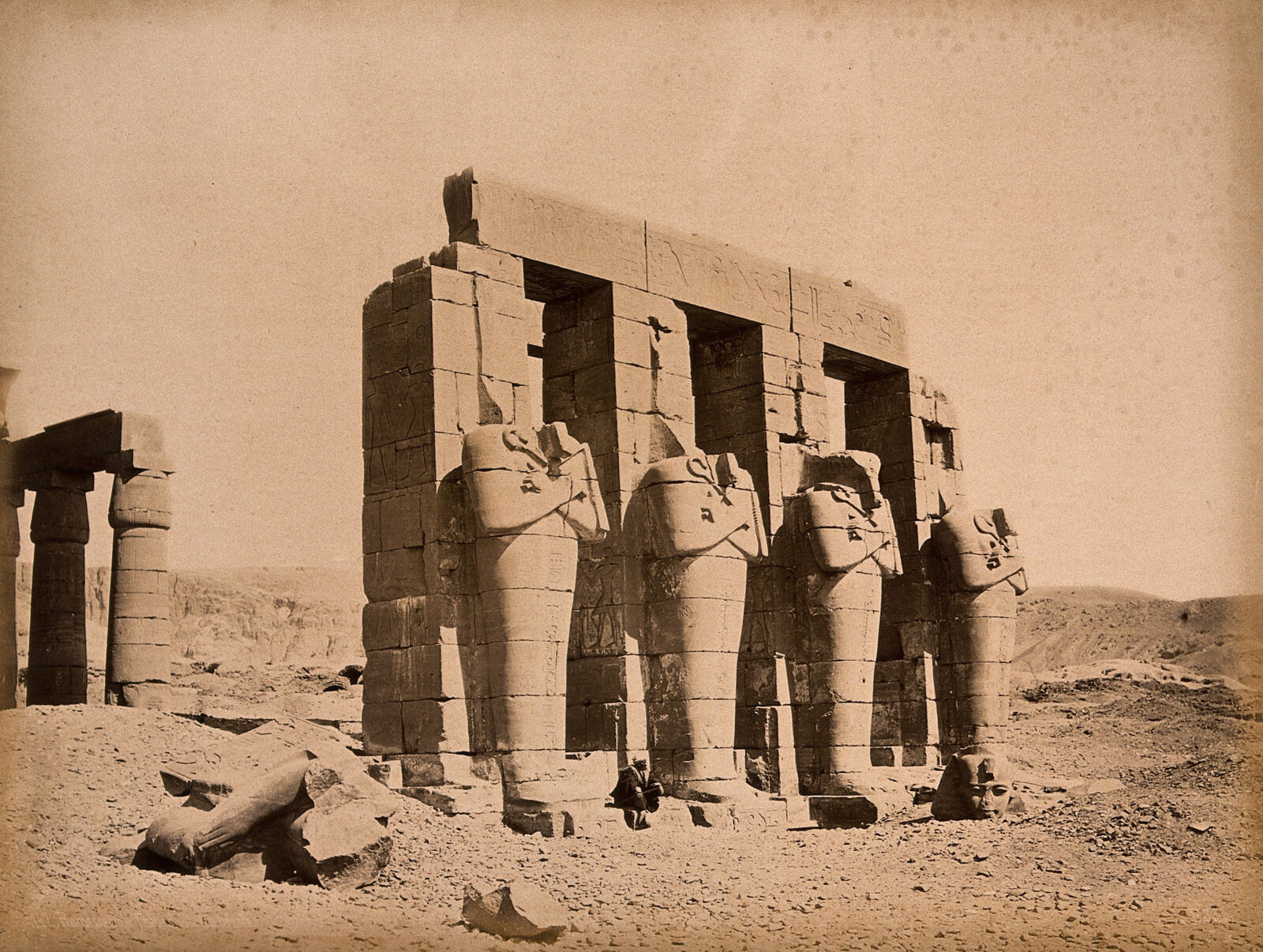
Ramesseum Colossi in Ruins
Pascal Sébah · c. 1875
Ready when you are
Start chatting with Ramses II (Ramses the Great) now.
20 messages free · No credit card · Available in 50+ languages.