


Secondary sourceSculpture1401–1500
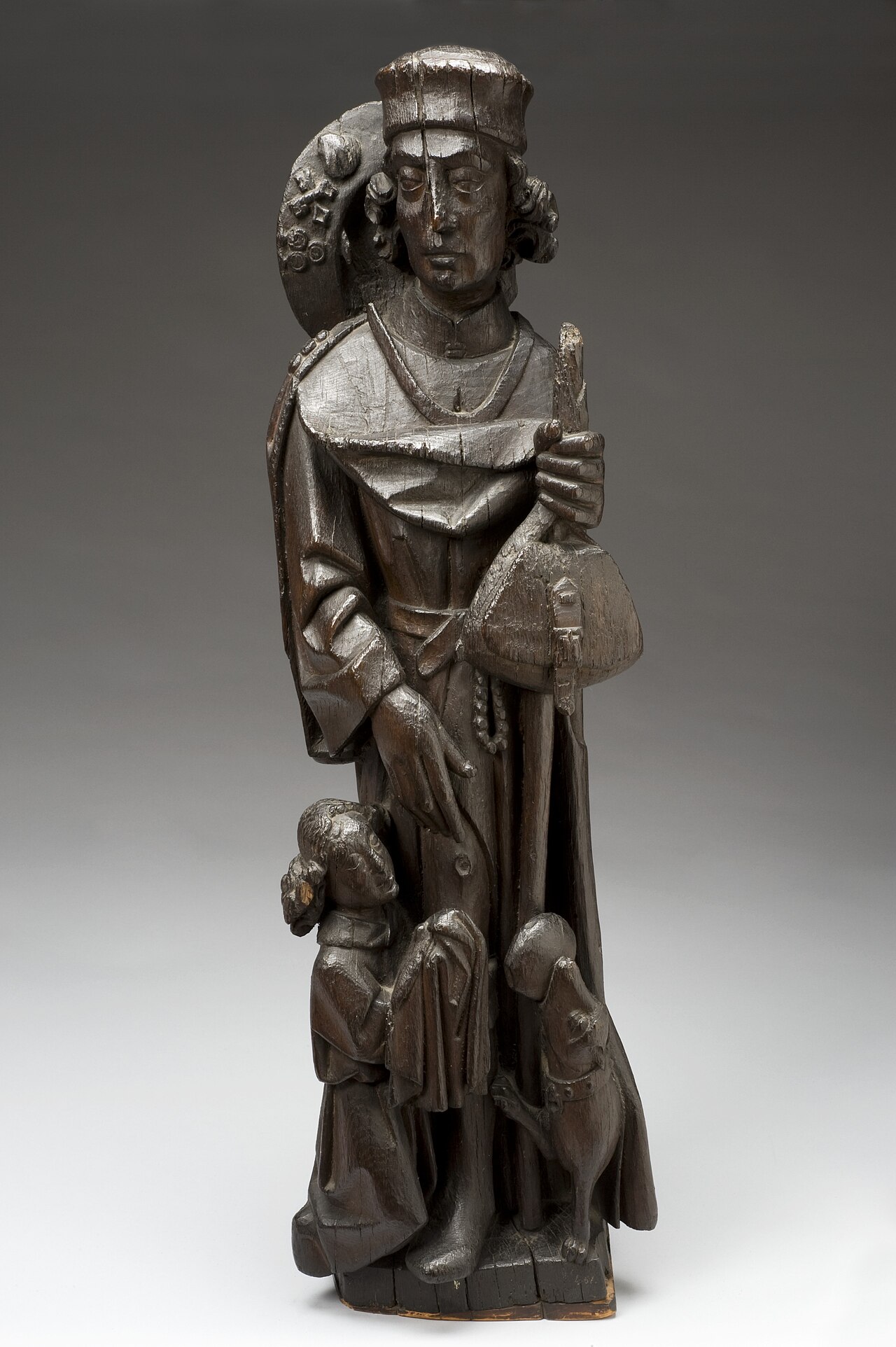
Statue of St Roch
1401–1500
A 15th-century German wooden statue of St Roch, the saint traditionally invoked against plague, shown with his dog and a visible bubo.
Represents the devotional cult of a plague saint that arose from the recurring epidemics following the Black Death.
About this source
What it is
This carved wooden statue, made in Germany sometime between 1401 and 1500, depicts St Roch, a pilgrim saint traditionally invoked for protection against plague. It is held by the Wellcome Collection.
Roch is shown wearing a pilgrim's hat and cloak, carrying a staff and gourd, accompanied by a small dog, with a visible plague bubo on his leg.
Why it matters
According to tradition, Roch nursed plague victims during an epidemic, caught the disease himself, and was cared for in isolation by a dog that brought him food. The statue reflects the religious devotion that grew around plague saints as communities sought protection and meaning amid repeated outbreaks across the late medieval and early modern centuries.
Look closer
- Why do you think people turned to saints like Roch during times of plague?
- What details in the statue connect to the story of Roch's illness and recovery?
- What does the survival of objects like this tell you about how communities coped with repeated epidemics?
This sculpture is part of the curated material that grounds the AI version of The Black Death on Humy.ai — when students ask about related events, the AI can quote it and cite it.
More The Black Death sources
Meet the AI The Black Death →Secondary source
The Decameron
Giovanni Boccaccio · 1351
Primary source
Statute of Labourers 1351
1351
 Painting
Primary source
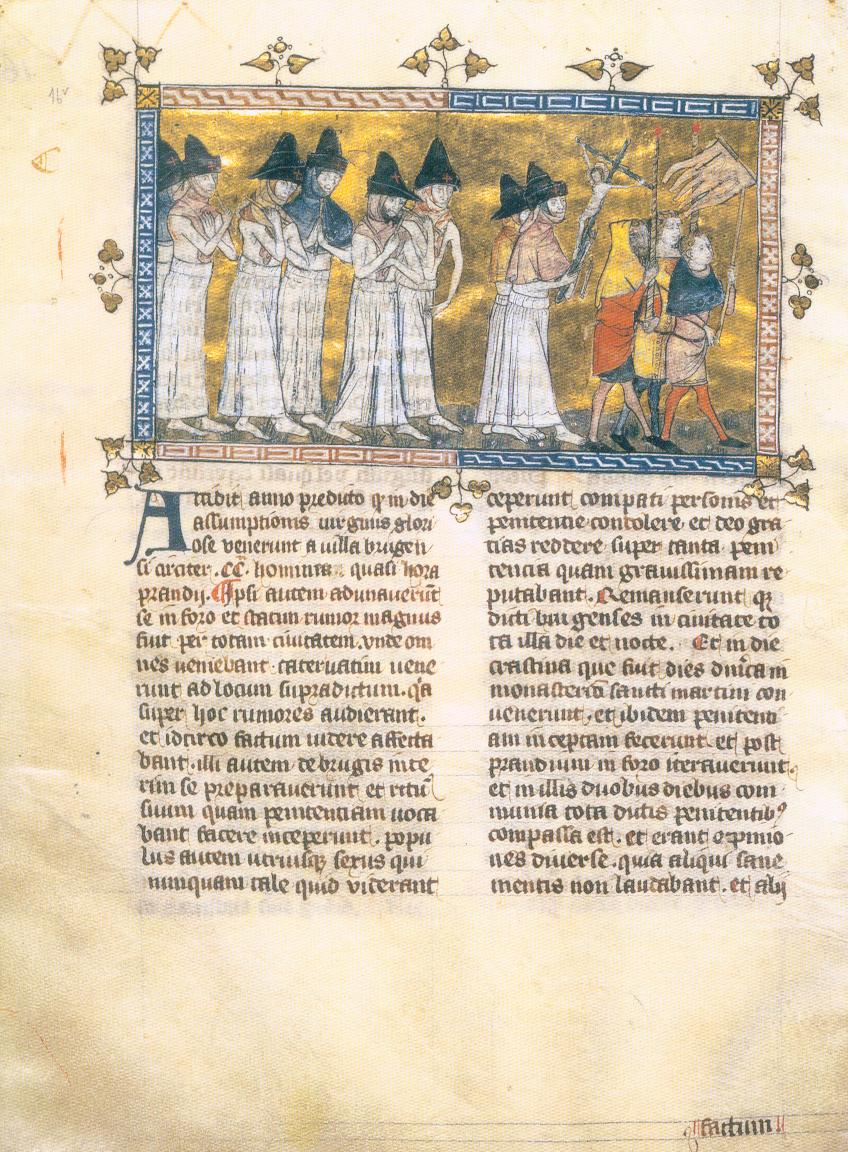
Depiction of the Flagellant Processions
Pierart dou Tielt · c. 1350
 Painting
Primary source
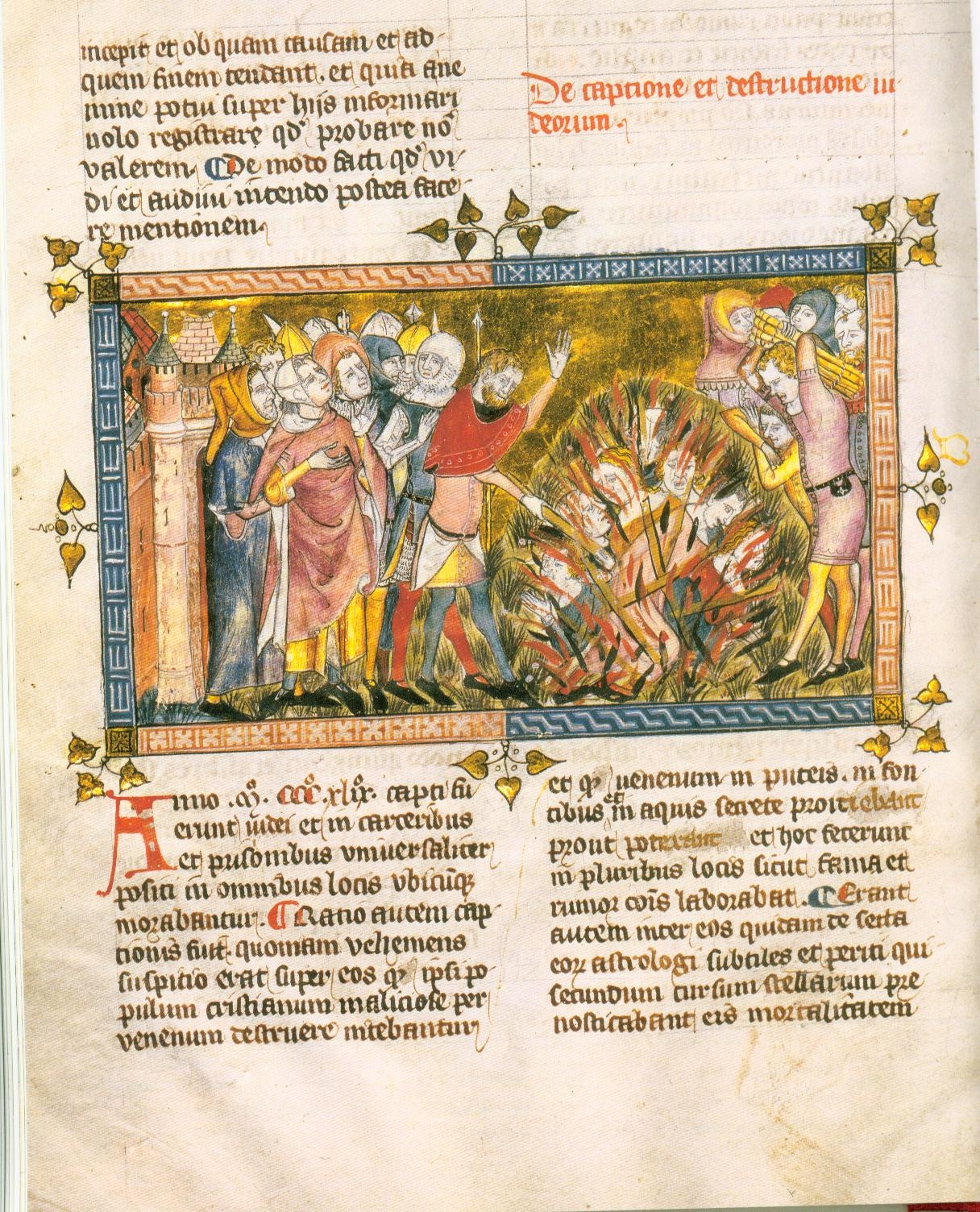
Execution of Jews
c. 1350
 Book
Primary source
The Annals of Ireland by Friar John Clyn
John Clyn · 1348-1349
Ready when you are
Start chatting with The Black Death now.
20 messages free · No credit card · Available in 50+ languages.