


Secondary sourceSculpture
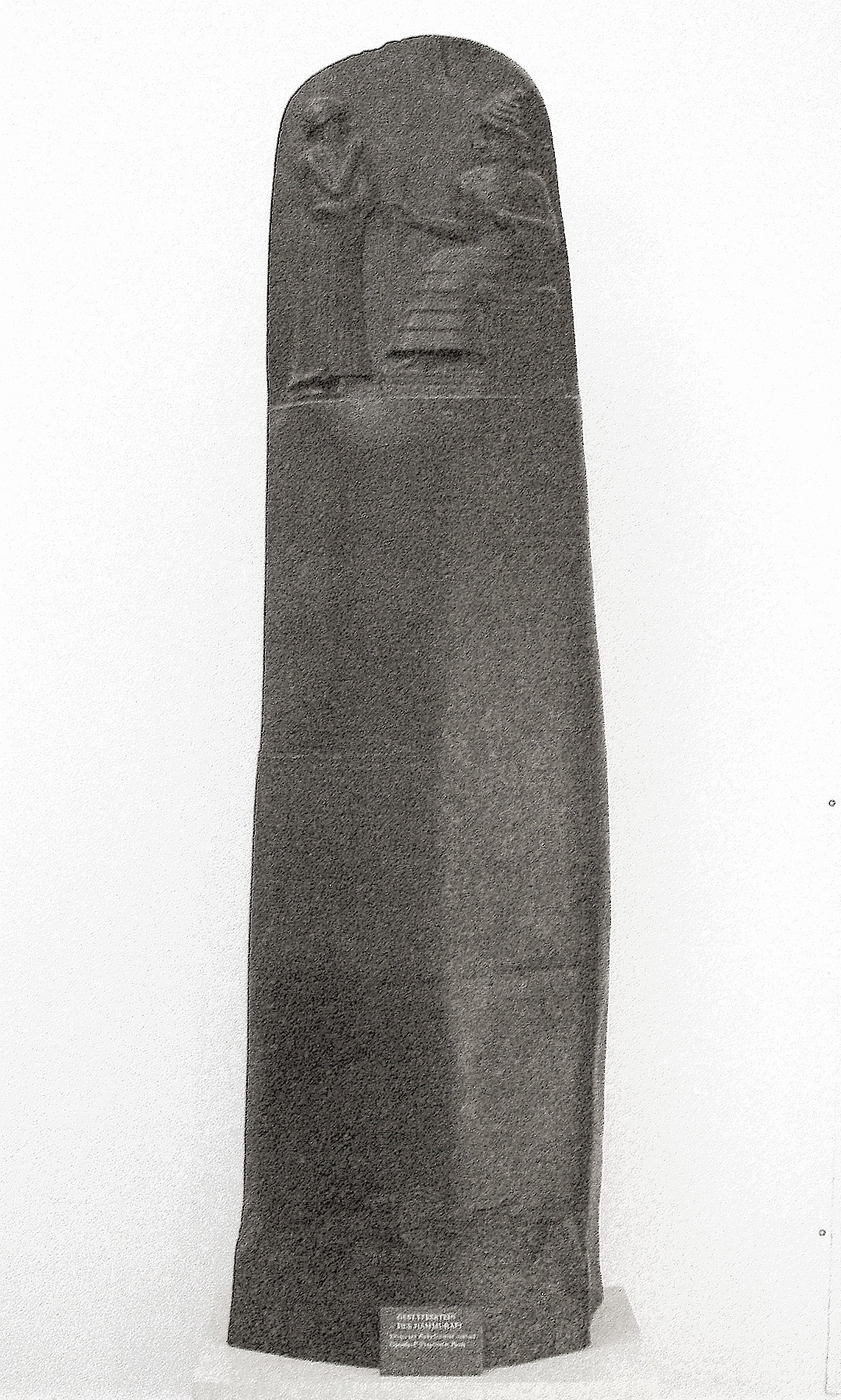
Stele of Hammurabi, Pergamon Museum
A photograph of a stele of Hammurabi on display at the Pergamon Museum in Berlin.
A stele associated with Hammurabi's famous law code, displayed as a commemorative artifact.
About this source
What it is
This photograph shows a tall, dark basalt stele with a rounded top, displayed in the Pergamon Museum in Berlin. At the top, relief carvings show a standing figure facing a seated figure before a stepped structure. The lower part of the stele is inscribed with text, though it appears blank in this view.
Why it matters
The Pergamon Museum's stele relates to the famous original held in the Louvre, which records legal decisions from the reign of King Hammurabi of Babylon. Such monuments show how ancient rulers used stone inscriptions to project authority and present themselves as bringers of justice.
Look closer
- Who do you think the standing and seated figures at the top of the stele represent, and why?
- Why might a museum display a stele like this behind glass or against a plain wall?
- What questions would you want answered about where this stele came from and how it got to Berlin?
This sculpture is part of the curated material that grounds the AI version of Hammurabi on Humy.ai — when students ask about related events, the AI can quote it and cite it.
More Hammurabi sources
Meet the AI Hammurabi →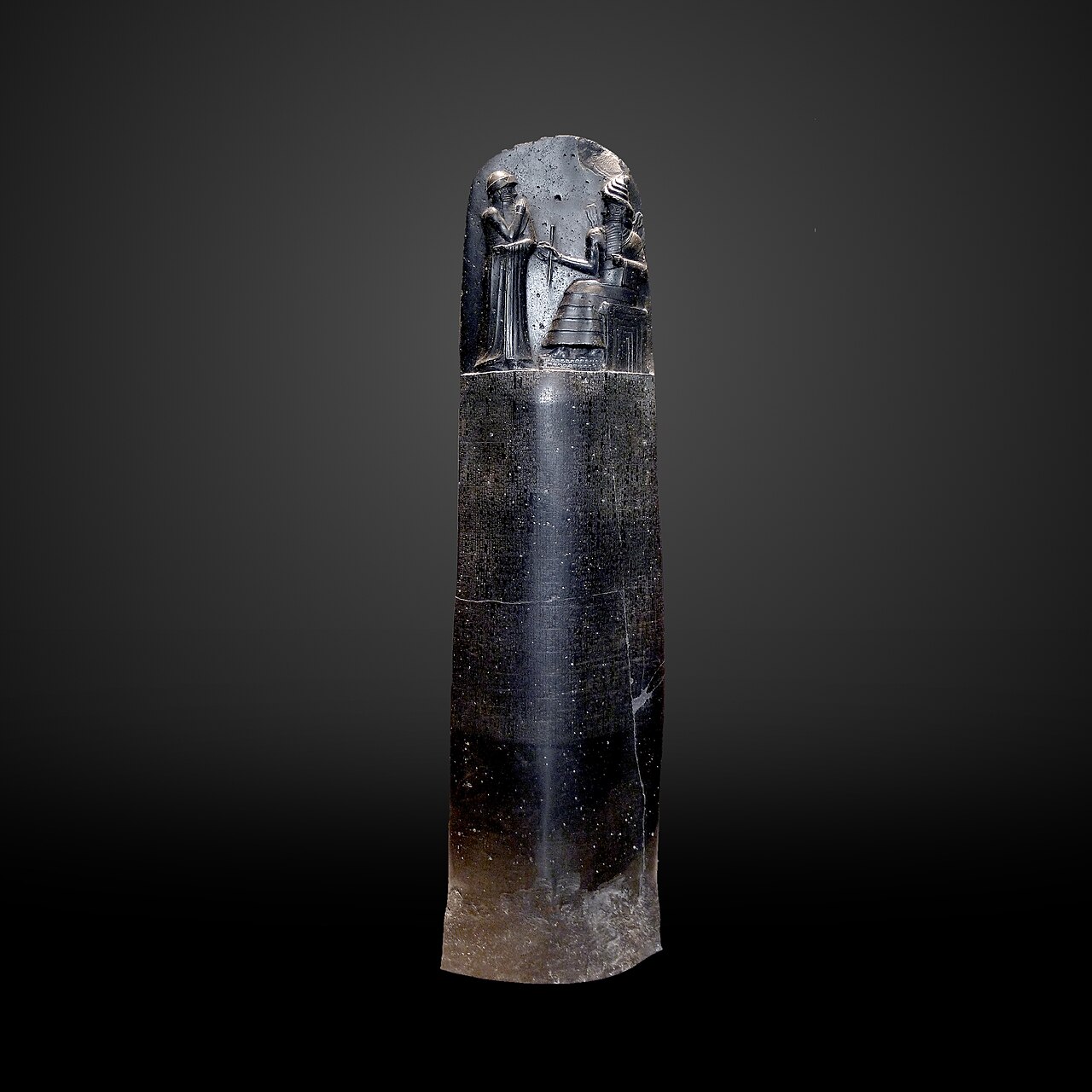 Document
Primary source
Code of Hammurabi
Hammurabi · c. 1753 BCE
 Sculpture
Primary source
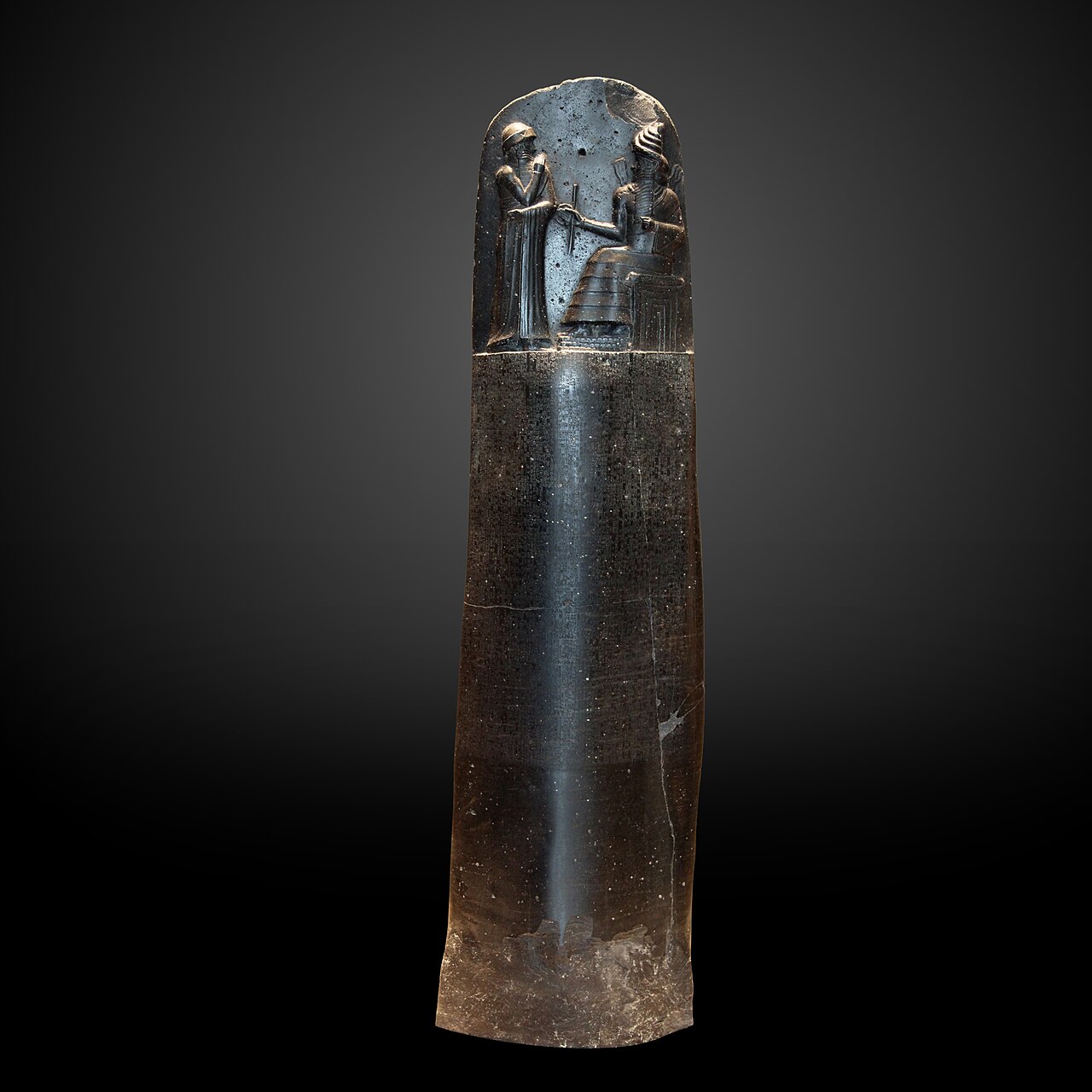
Stele with the Code of Hammurabi
Hammurabi · c. 1792 BCE
 Letter
Primary source
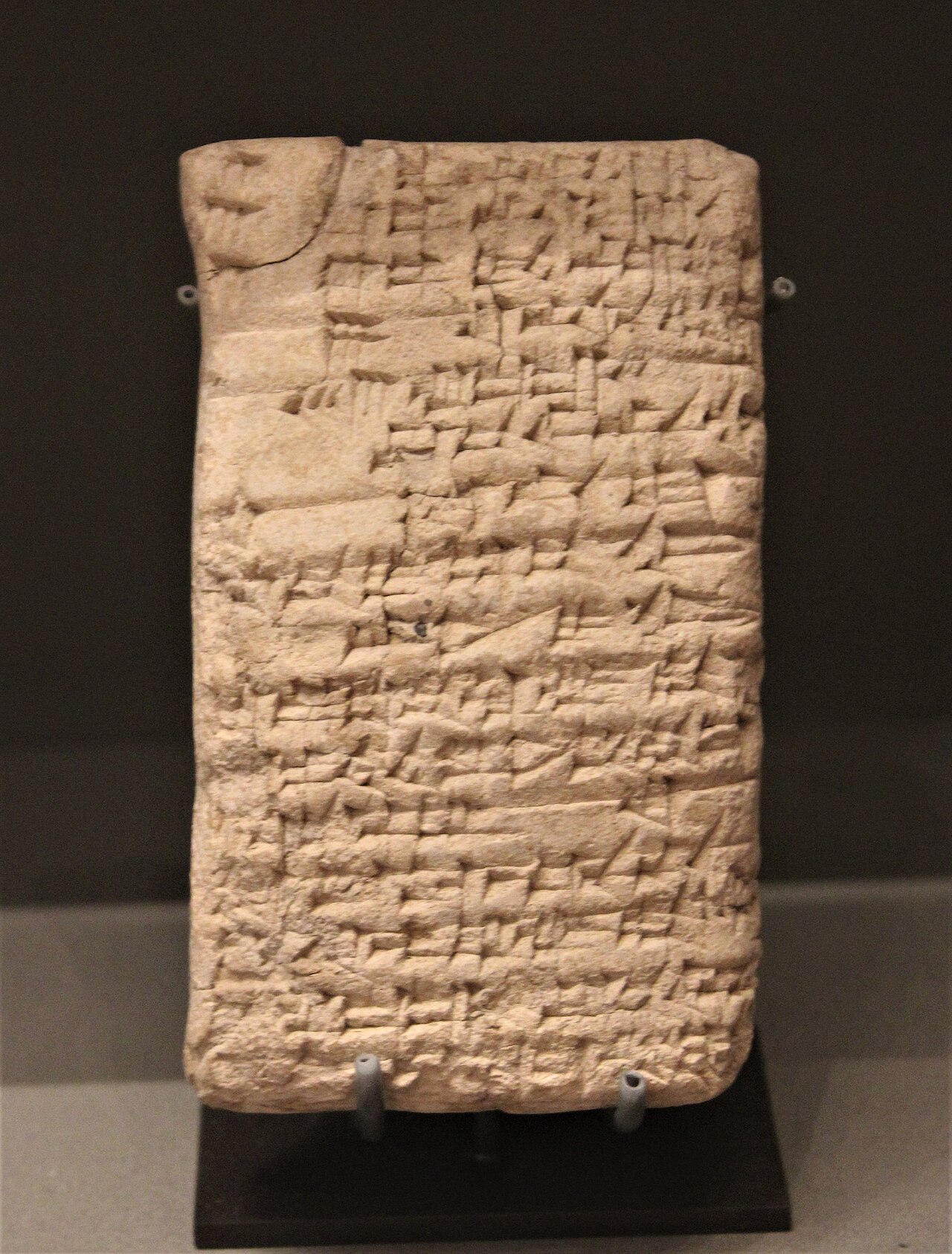
Letter from Hammurabi to Sîn-iddinam
Hammurabi · c. 1792-1750 BCE
 Document
Primary source
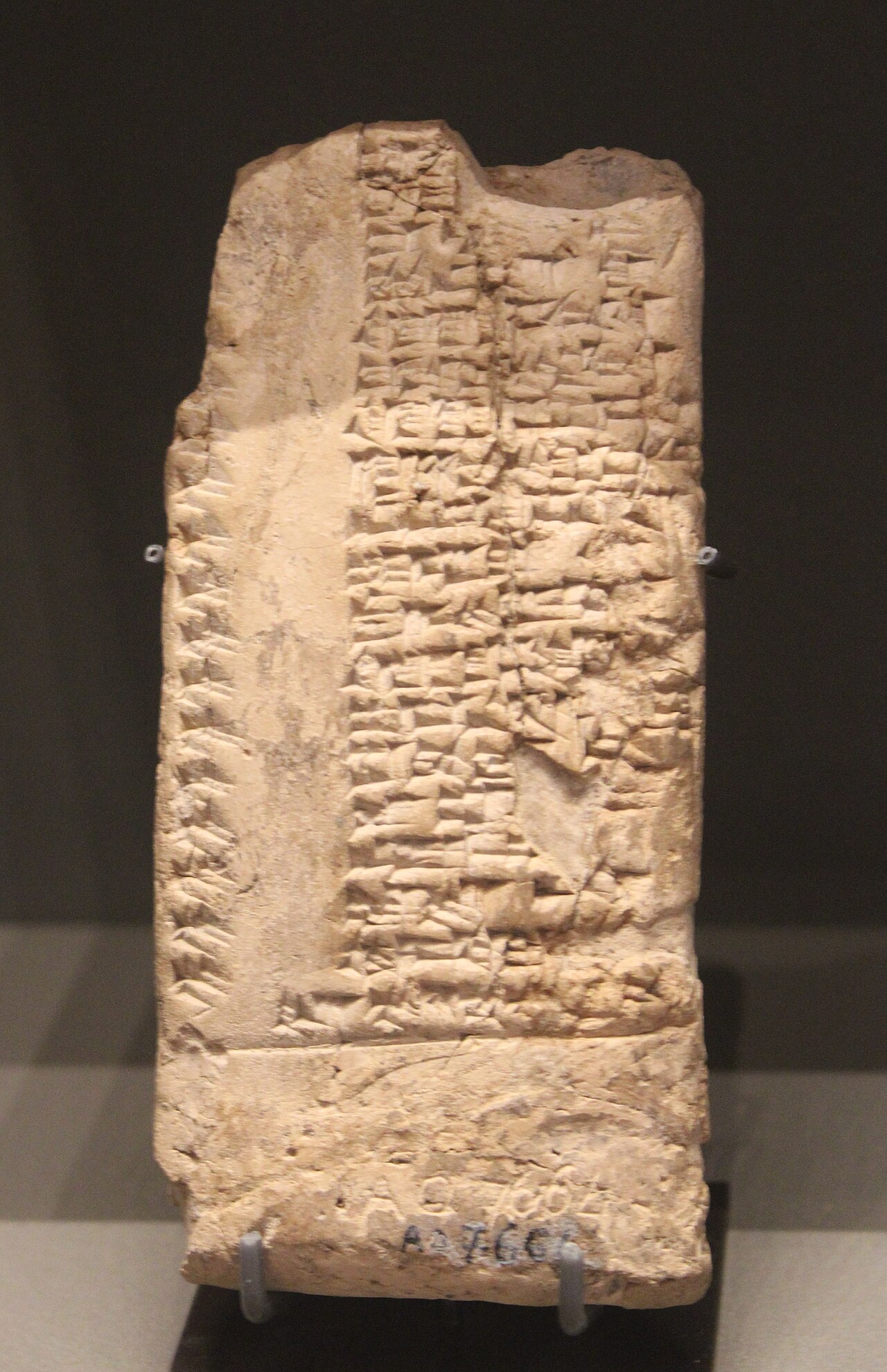
List of the year-names of Hammurabi's reign
Old Babylonian period, reign of Hammurabi (c. 1792-1750 BCE)
 Document
Secondary source
Chronicle of Early Kings
Babylonian scribes · c. 6th century BCE copy
Ready when you are
Start chatting with Hammurabi now.
20 messages free · No credit card · Available in 50+ languages.