


Primary sourceSculpturec. 1300 BCE
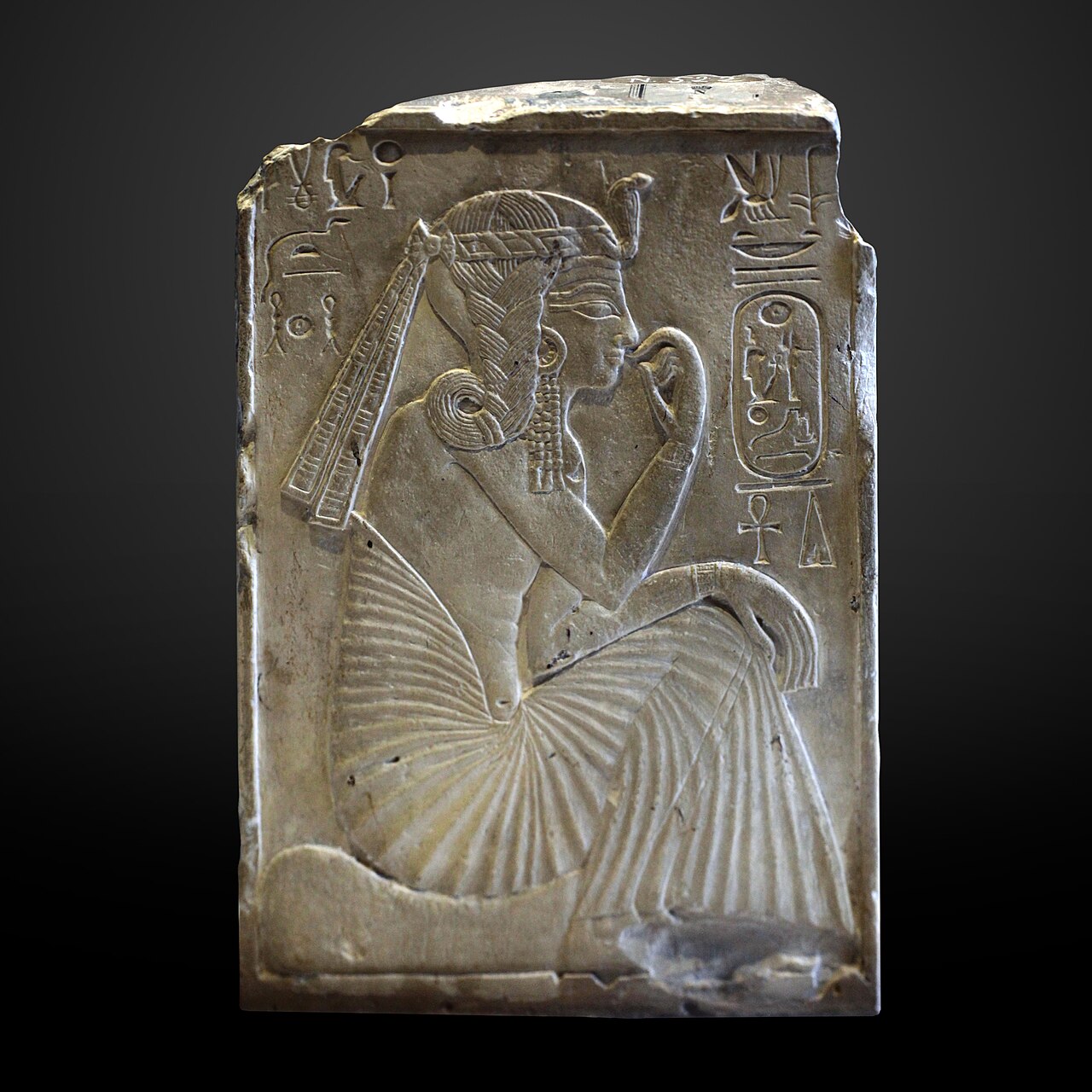
Stele of Ramesses II as a Child
c. 1300 BCE
A limestone stele showing Ramesses II as a youth, linked to his early life as prince regent under his father Seti I.
This stele is a rare depiction of Ramesses II in childhood, from before he became pharaoh.
About this source
What it is
This is a carved limestone stele depicting Ramesses II as a child, dated to around 1300 BCE. It shows a seated figure in profile wearing a side-lock and headband with a uraeus, hand raised to the mouth, beside a cartouche and hieroglyphic inscriptions. It is held in the Department of Egyptian Antiquities of the Louvre.
Why it matters
Images of royal children are rare in Egyptian art, which makes this stele valuable for studying Ramesses II's early life, when he served as prince regent under his father, Seti I. It gives a glimpse of how the royal family presented even a young prince with royal symbols such as the uraeus cobra, hinting at his future role.
Look closer
- What details in the carving mark this figure out as royal, even though he is shown as a child?
- Why might rulers want images of their children made at all?
- What does the hand raised to the mouth suggest, and how might viewers interpret this gesture?
This sculpture is part of the curated material that grounds the AI version of Ramses II (Ramses the Great) on Humy.ai — when students ask about related events, the AI can quote it and cite it.
More Ramses II (Ramses the Great) sources
Meet the AI Ramses II (Ramses the Great) →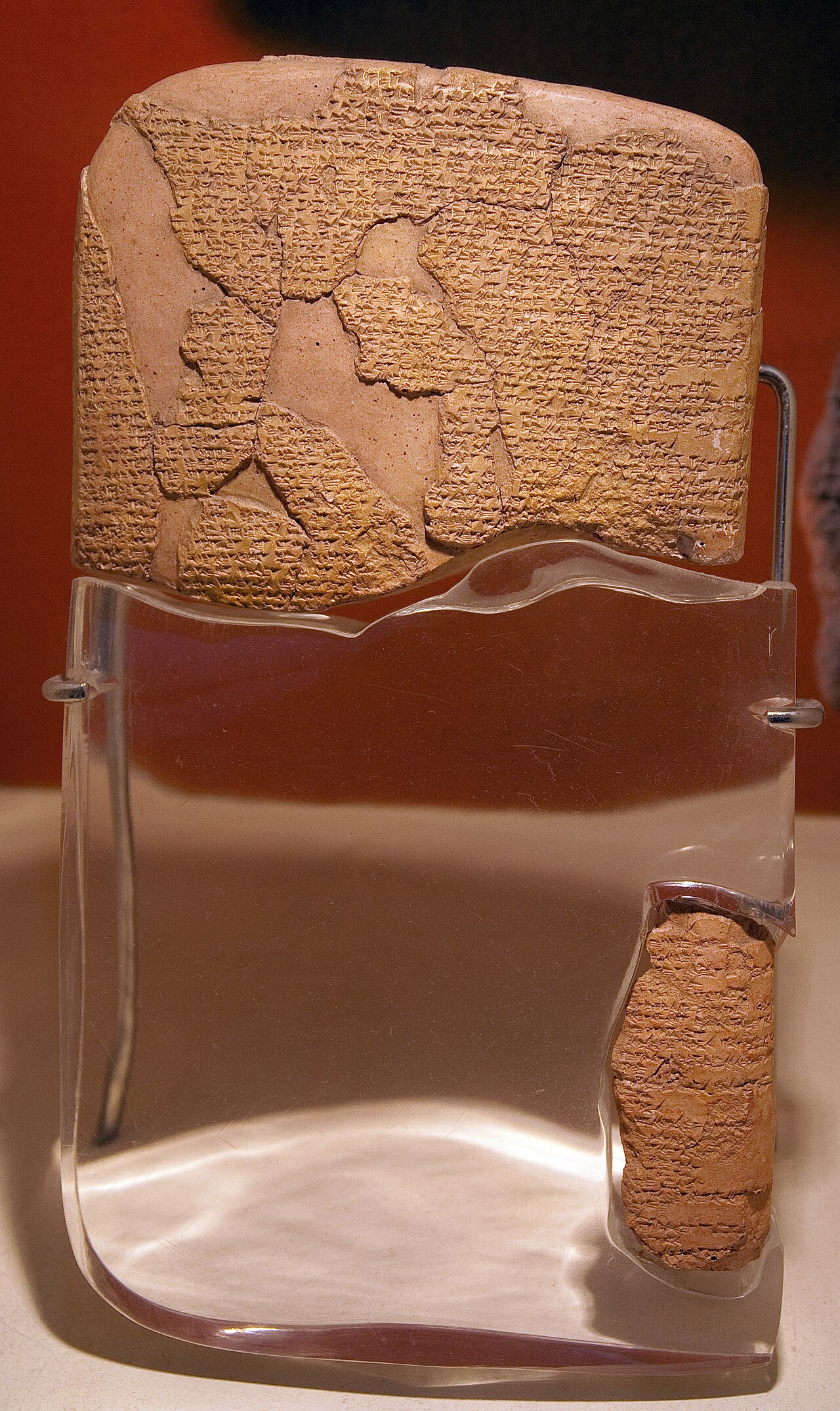 Document
Primary source
Egyptian–Hittite Peace Treaty
c. 1258 BCE
 Photograph
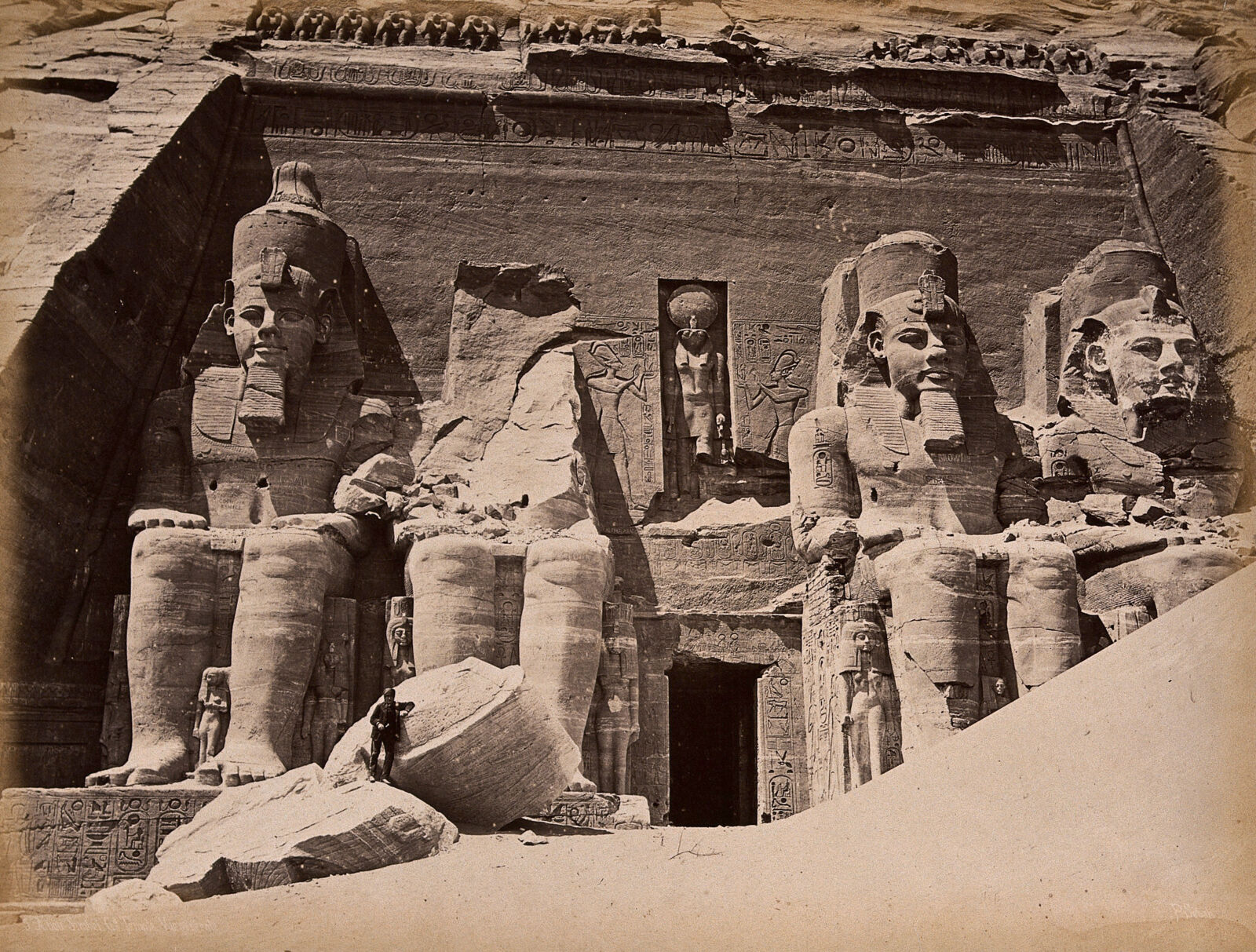
Secondary source
Abu Simbel Temple Colossi
Pascal Sébah · 1875
 Artifact
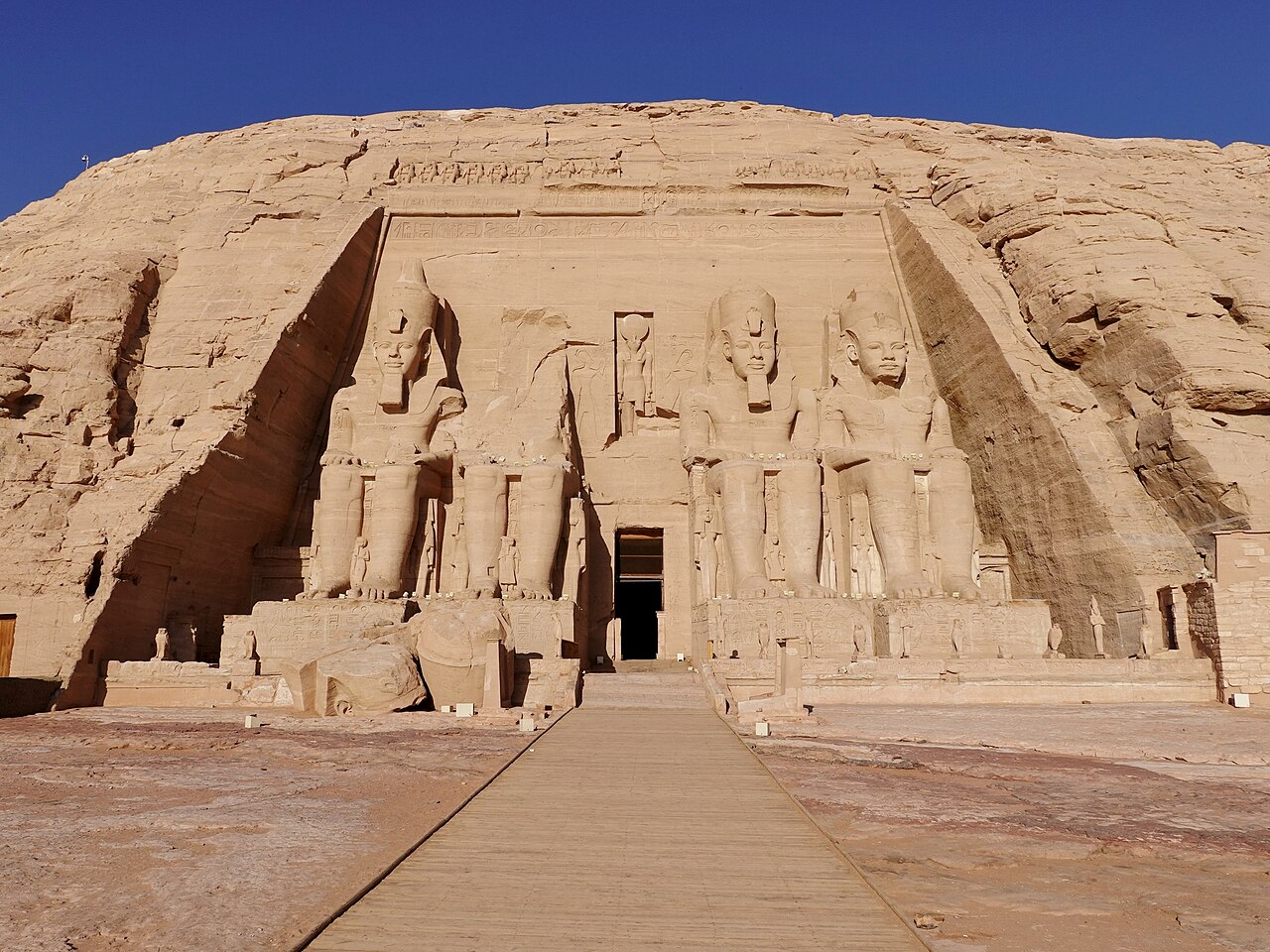
Primary source
Abu Simbel
Ramesses II · c. 1273 BCE
 Photograph
Secondary source
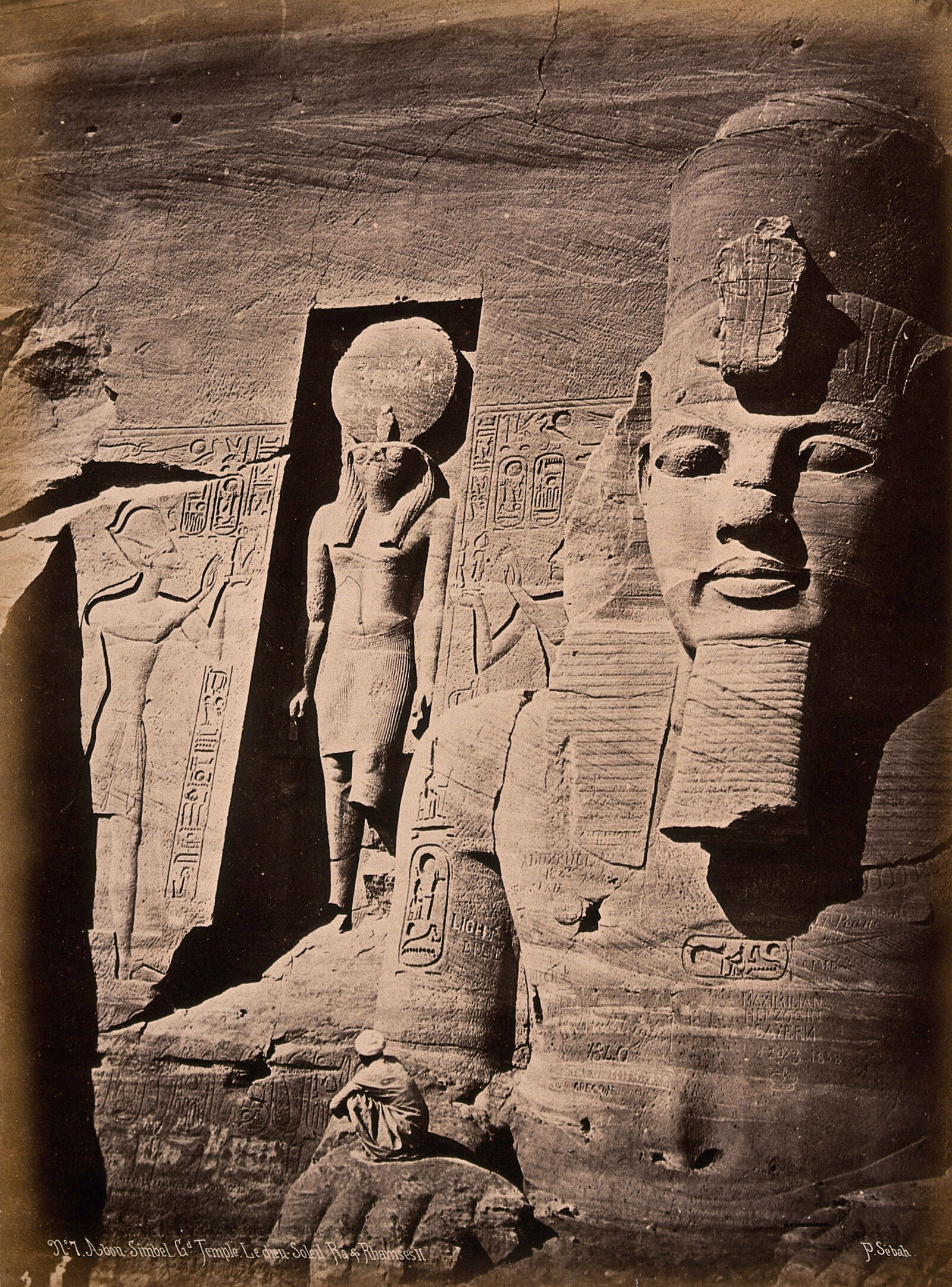
Facade Detail of Abu Simbel Showing Ramesses II and Ra
Pascal Sébah · 1875
 Photograph
Secondary source
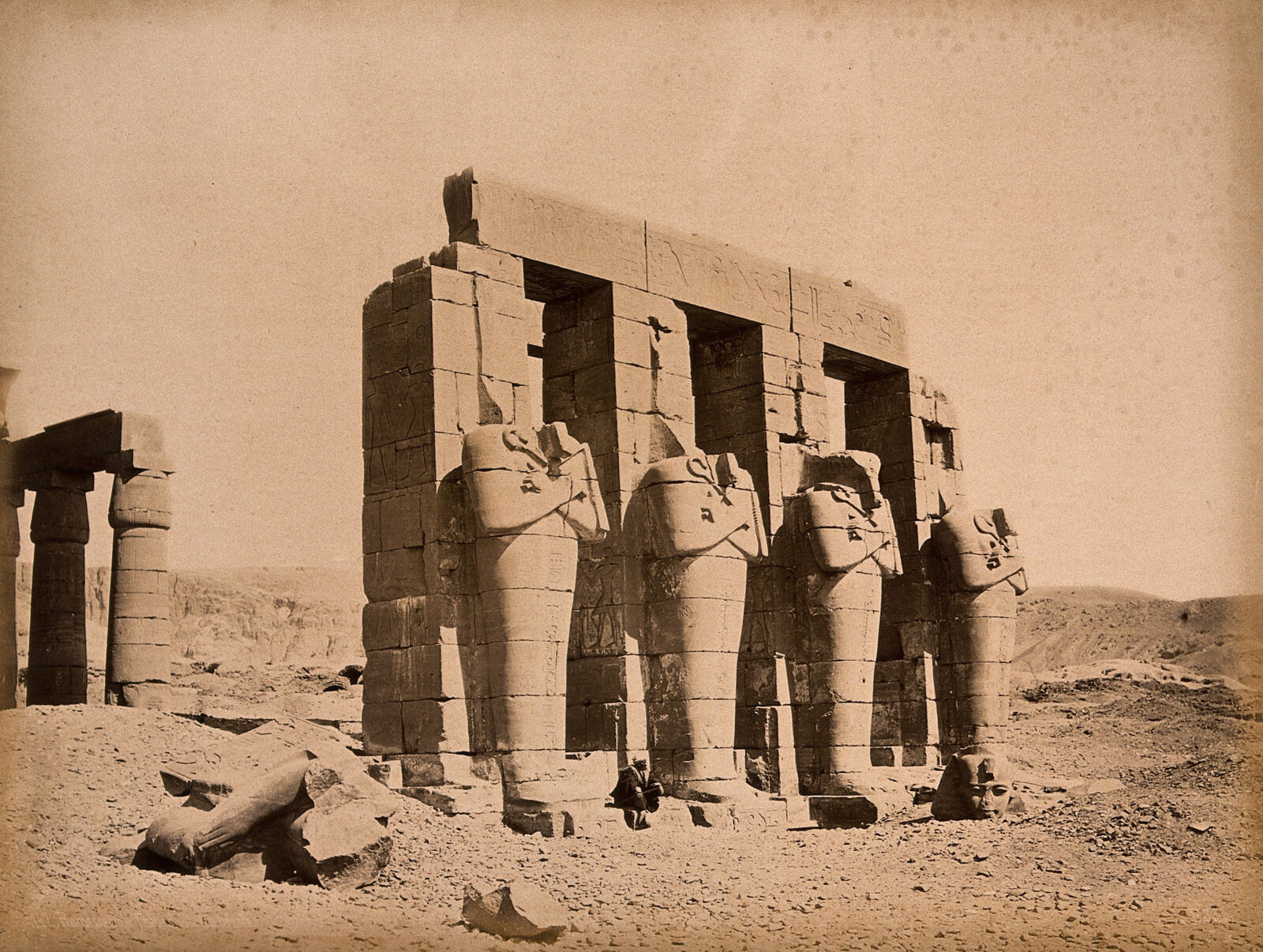
Ramesseum Colossi in Ruins
Pascal Sébah · c. 1875
Ready when you are
Start chatting with Ramses II (Ramses the Great) now.
20 messages free · No credit card · Available in 50+ languages.