


Primary sourceDocument169 CE
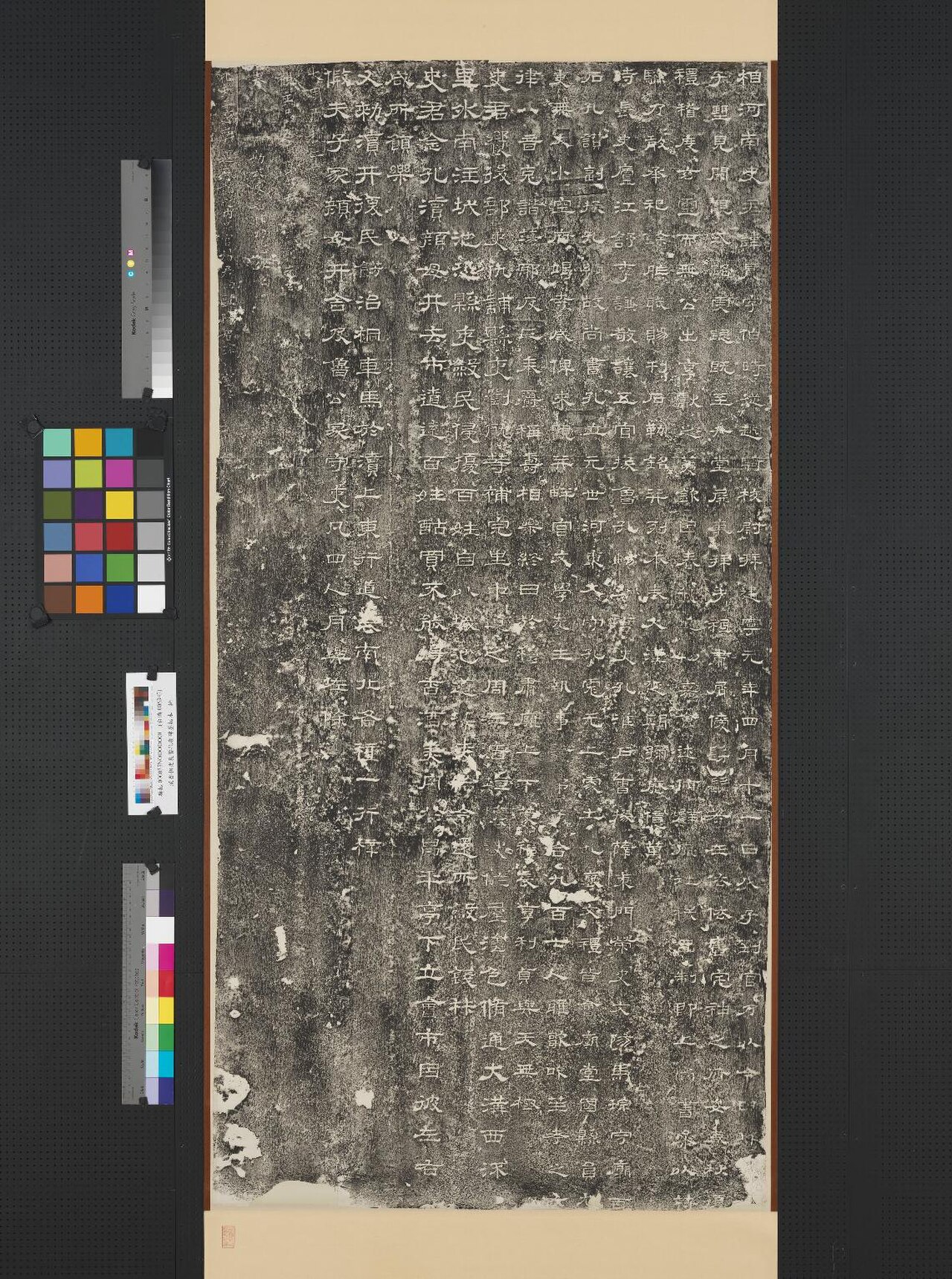
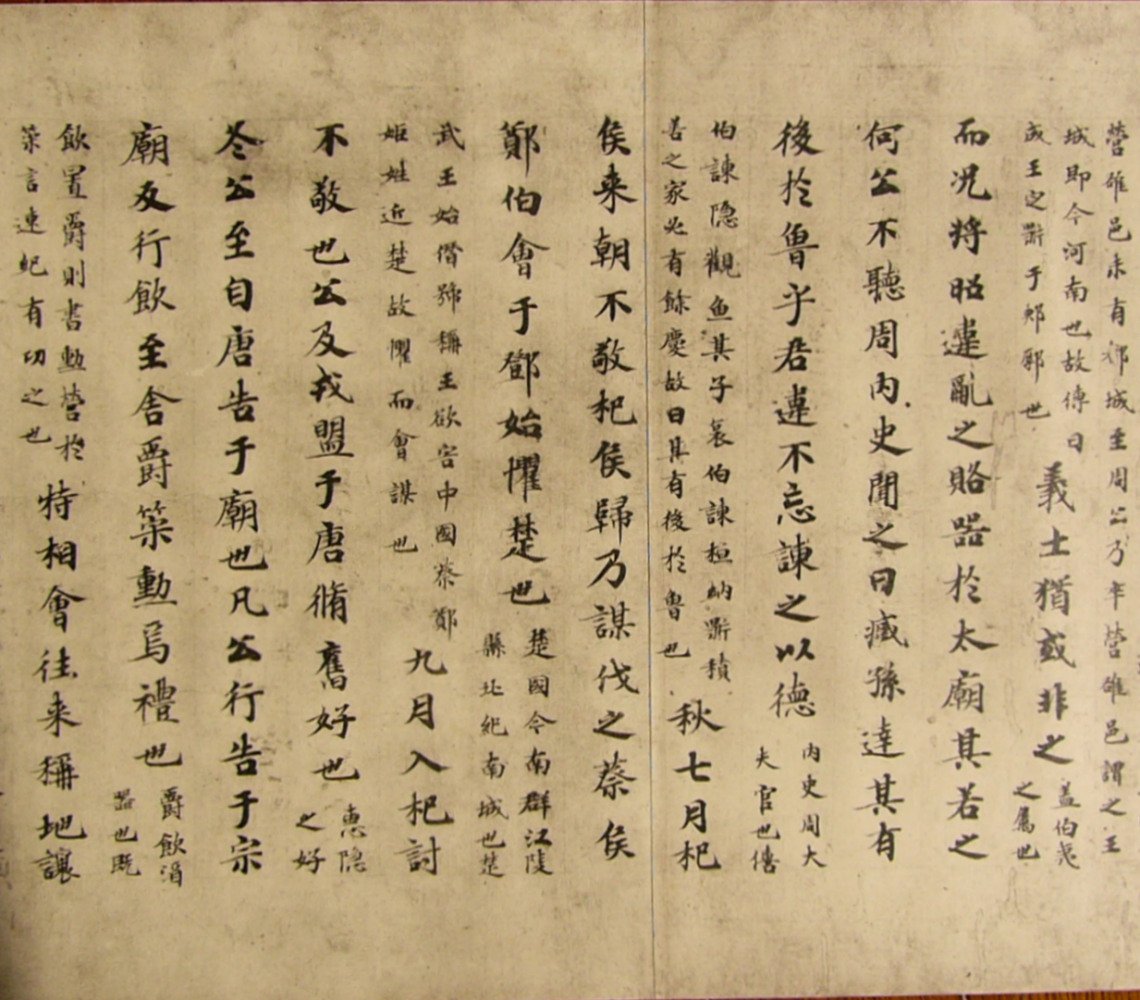
Stele of Shi Chen Offering to the Temple of Confucius
Han dynasty officials of Lu · 169 CE
An Eastern Han stone stele from 169 CE recording official sacrifices made at the Confucius temple in Qufu.
This stele records official sacrifices offered at the temple built to honor Confucius, early evidence of his cult status.
About this source
What it is
This is an ink rubbing of a stone stele erected in 169 CE by officials of the kingdom of Lu, under the chancellor Shi Chen. It is written in clerical script and kept at the Temple of Confucius in Qufu, the town linked to Confucius's life. The surviving rubbing shows columns of characters, with some areas worn away by time.
Why it matters
The stele records official sacrifices made at the temple built to honor Confucius, showing that only a few centuries after his death, the state had already turned him into a figure worthy of formal worship. It is direct physical evidence of how early official reverence for Confucius was organized and recorded in stone.
Look closer
- Why would officials want to record their sacrifices to Confucius permanently in stone?
- What does the damage to the stele suggest about how historical records survive?
- What does state-sponsored worship of Confucius tell us about his role beyond being a teacher?
This document is part of the curated material that grounds the AI version of Confucius on Humy.ai — when students ask about related events, the AI can quote it and cite it.
More Confucius sources
Meet the AI Confucius →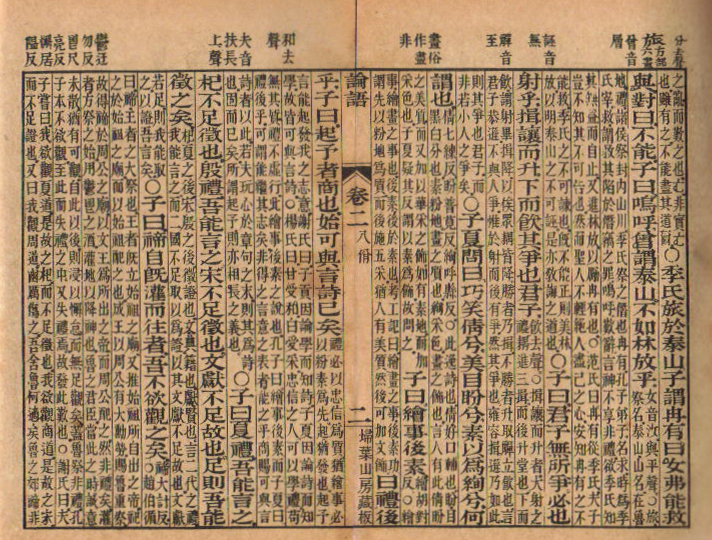 Book
Secondary source
Analects
c. 480 BCE – 2nd century BCE
 Book
Secondary source
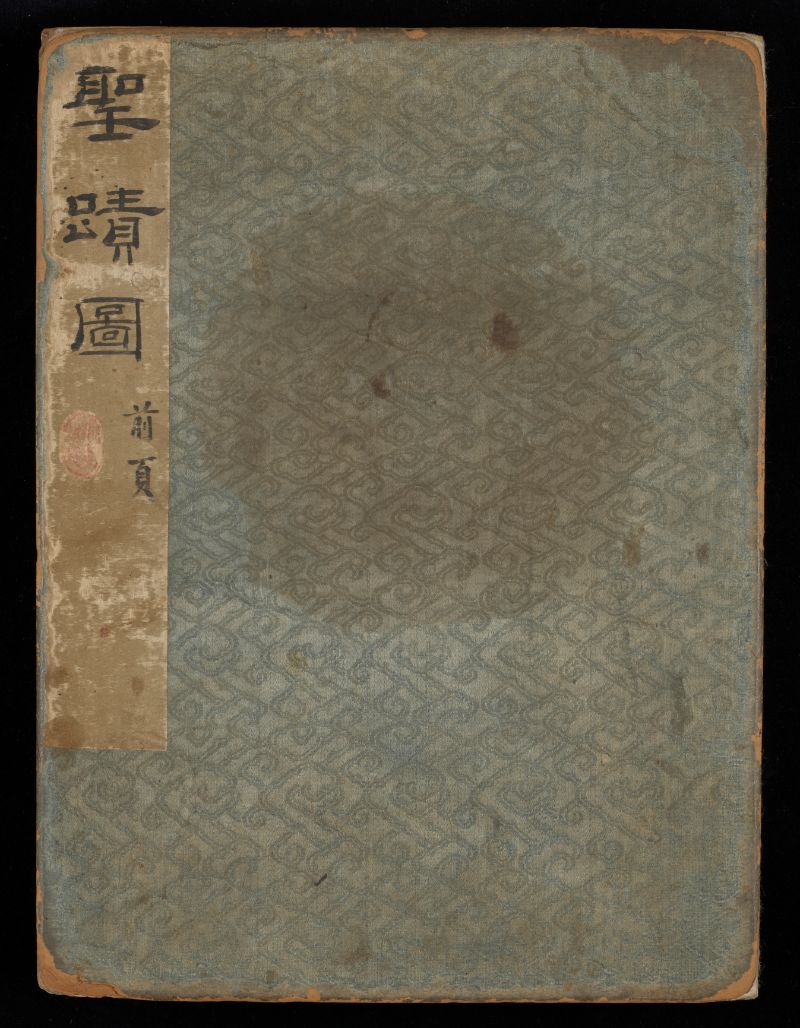
Pictures of the Sage's Traces
Unknown · 1758
Secondary source
Records of the Grand Historian, Vol. 47: Hereditary House of Confucius
Sima Qian · c. 94 BCE
 Photograph
Primary source
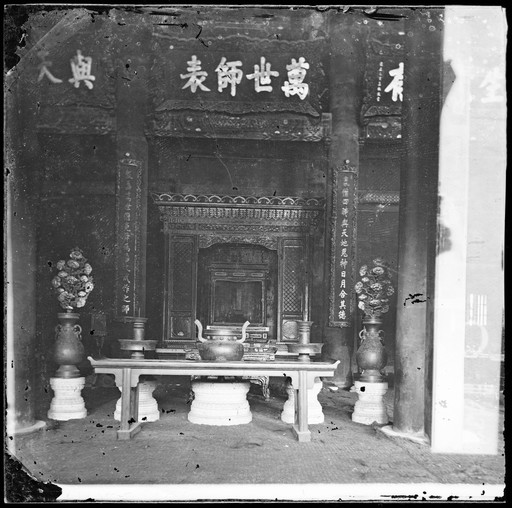
Temple of Confucius, Peking (Interior)
John Thomson · 1871
 Document
Secondary source
Spring and Autumn Annals
Confucius · 5th century BCE
Ready when you are
Start chatting with Confucius now.
20 messages free · No credit card · Available in 50+ languages.