


Primary sourceSculpturec. 1300 BCE
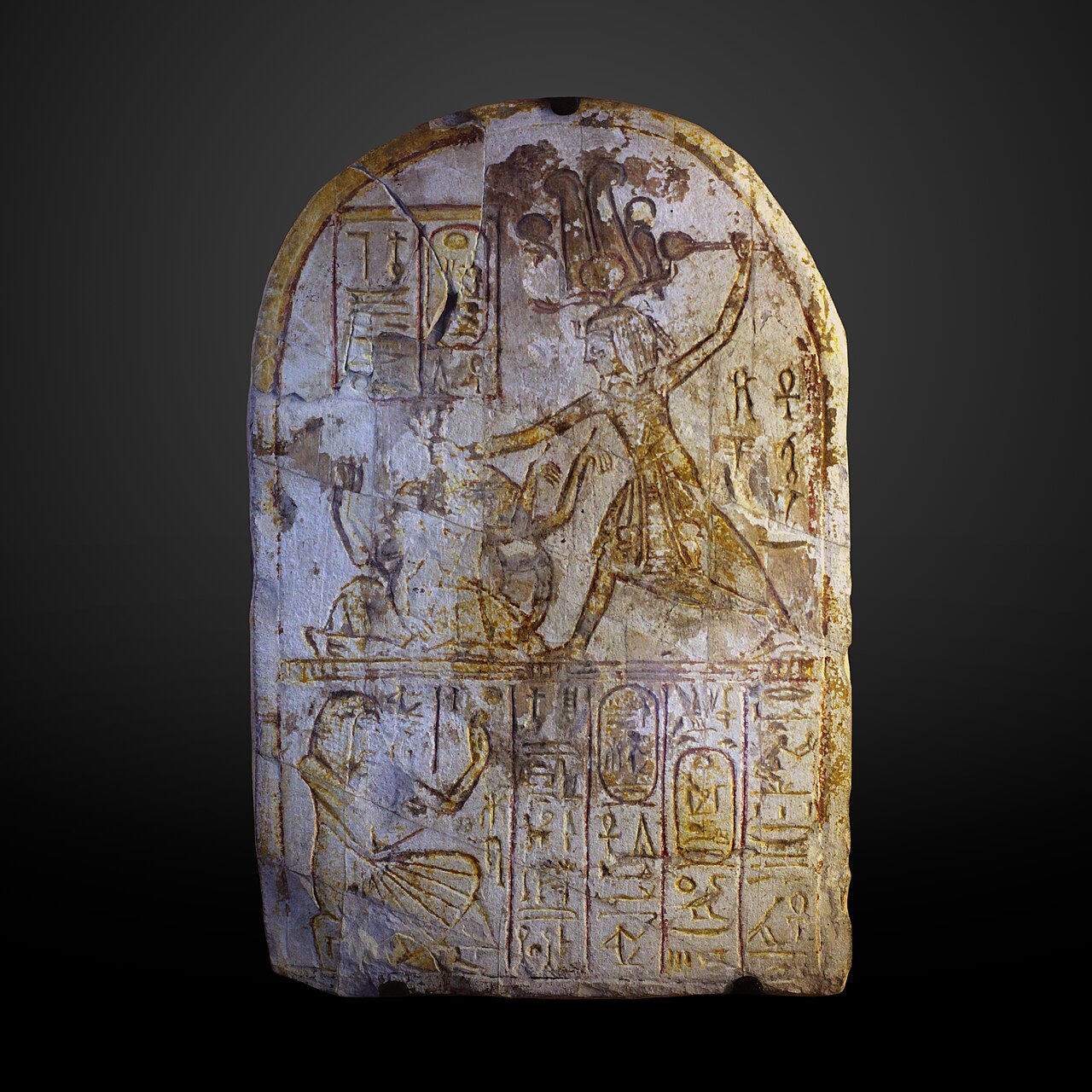
Stele of the Scribe Rames
c. 1300 BCE
A painted limestone stele dedicated by a scribe to Ramesses II, showing the king striking an enemy.
This stele, dedicated by the scribe Rames, shows Ramesses II smiting an enemy, evidence of private devotion to the king.
About this source
What it is
This arch-topped painted limestone stele, dated around 1300 BCE, was dedicated by a scribe named Rames. It shows Ramesses II striking an enemy with a mace, along with offering figures and hieroglyphic inscriptions. It is held in the Department of Egyptian Antiquities of the Louvre.
Why it matters
The stele is evidence of how an ordinary official, the scribe Rames, personally honoured the living king. It shows the common Egyptian image of the pharaoh smiting an enemy, a symbol of royal power and the triumph of order over chaos, and reflects private devotion to Ramesses II during his lifetime.
Look closer
- Why might the king be shown defeating an enemy rather than doing something peaceful?
- What does it tell us that an ordinary scribe made this dedication?
- What is left out of this image of the king — what don't we see?
This sculpture is part of the curated material that grounds the AI version of Ramses II (Ramses the Great) on Humy.ai — when students ask about related events, the AI can quote it and cite it.
More Ramses II (Ramses the Great) sources
Meet the AI Ramses II (Ramses the Great) →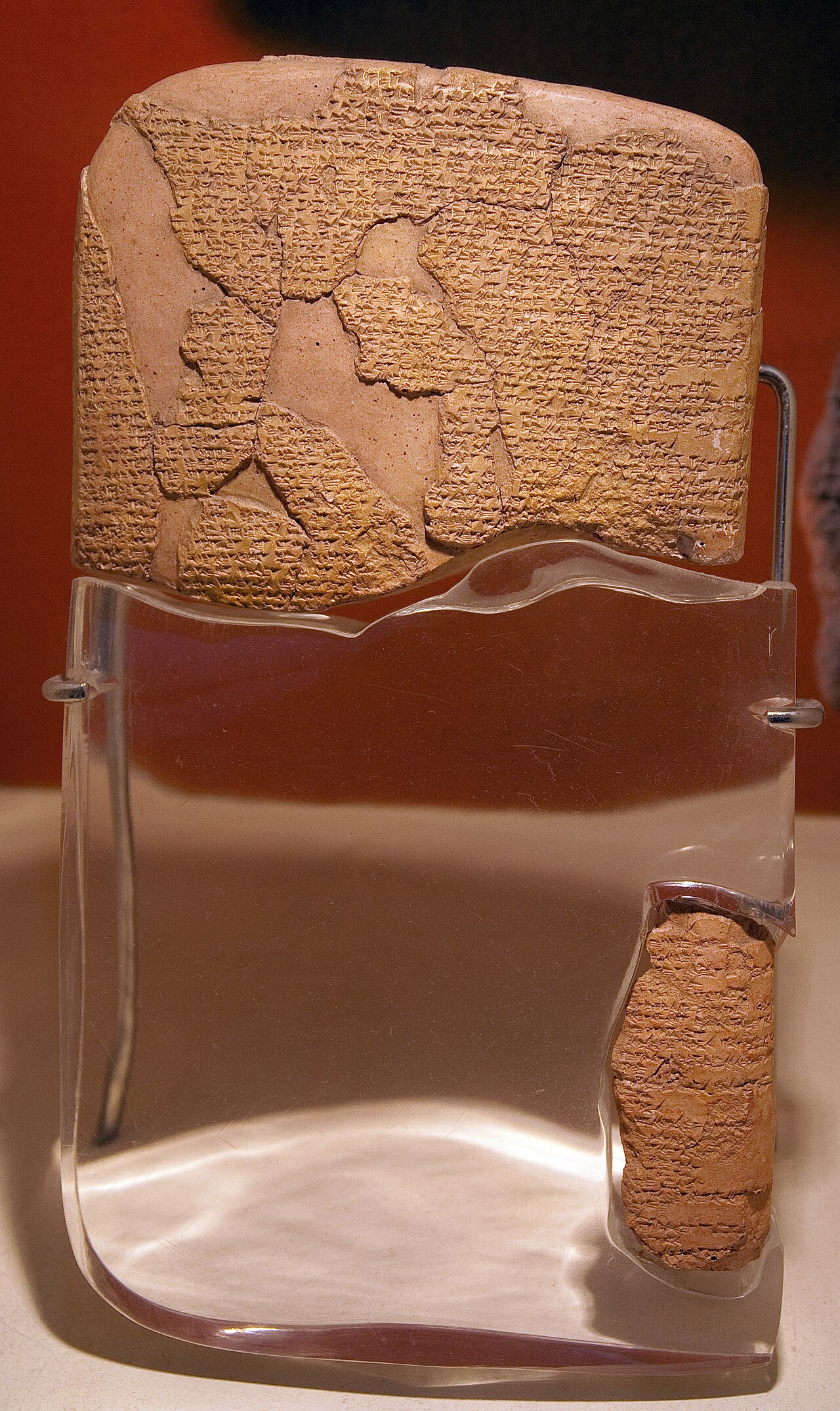 Document
Primary source
Egyptian–Hittite Peace Treaty
c. 1258 BCE
 Photograph
Secondary source
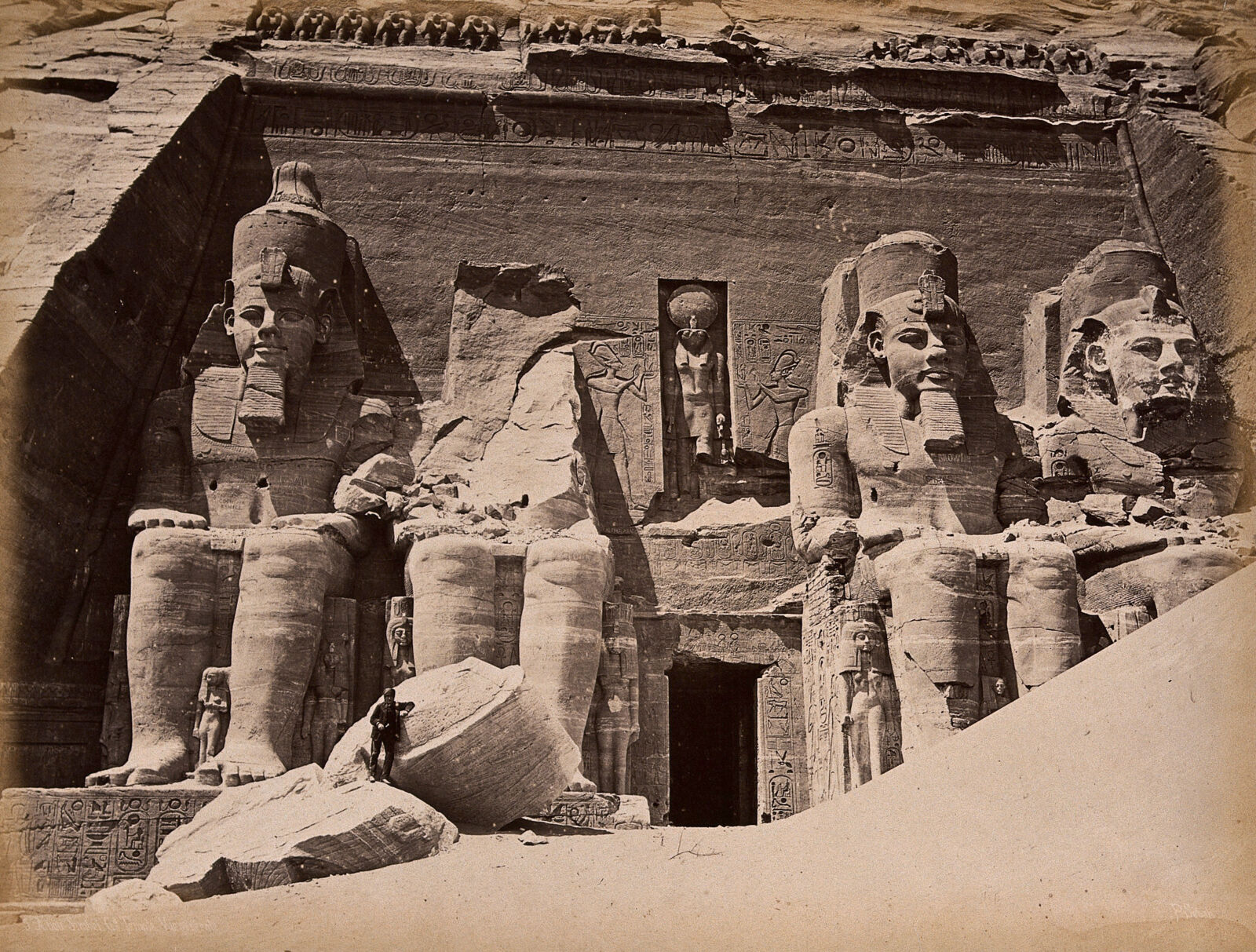
Abu Simbel Temple Colossi
Pascal Sébah · 1875
 Artifact
Primary source
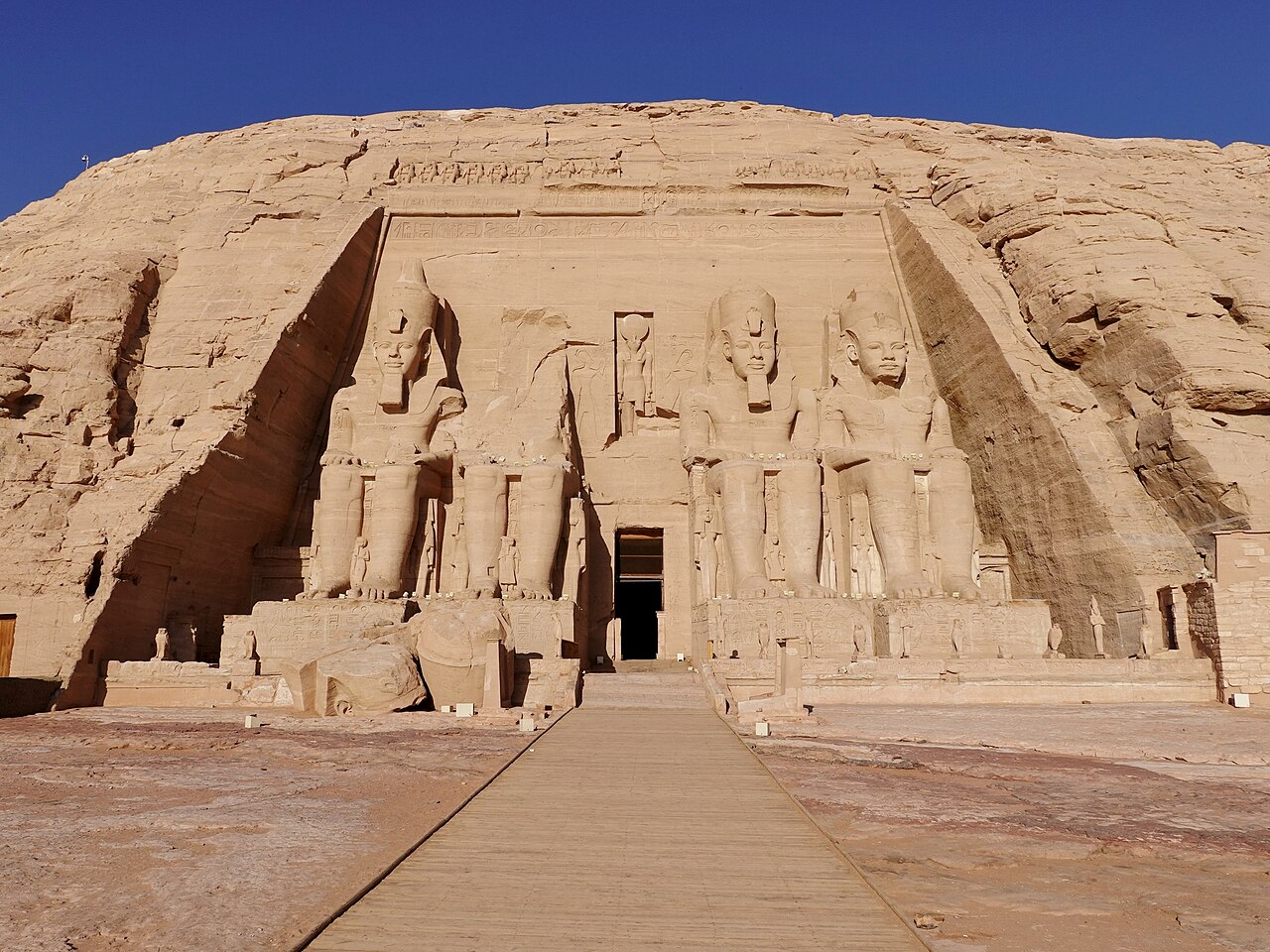
Abu Simbel
Ramesses II · c. 1273 BCE
 Photograph
Secondary source
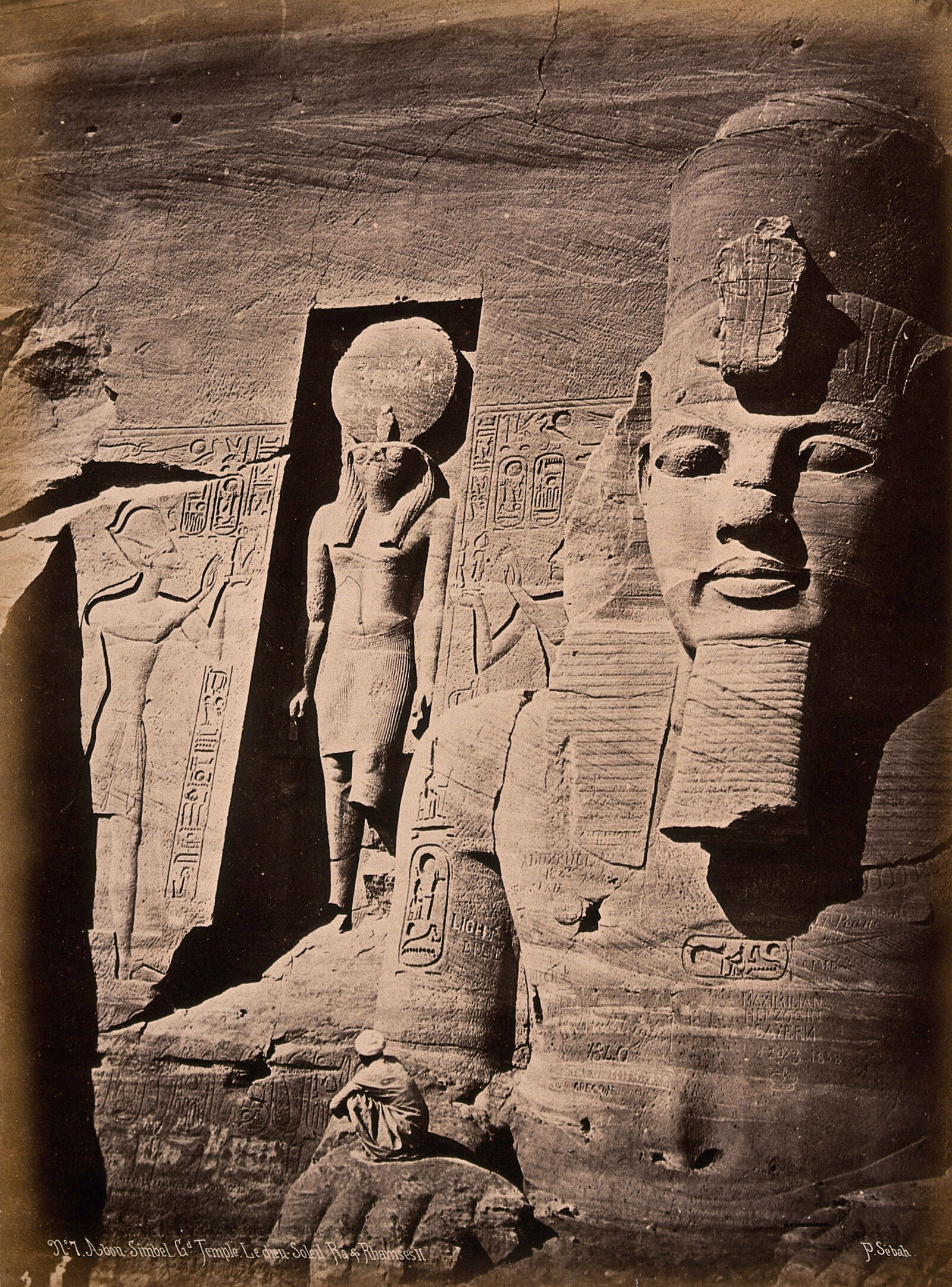
Facade Detail of Abu Simbel Showing Ramesses II and Ra
Pascal Sébah · 1875
 Photograph
Secondary source
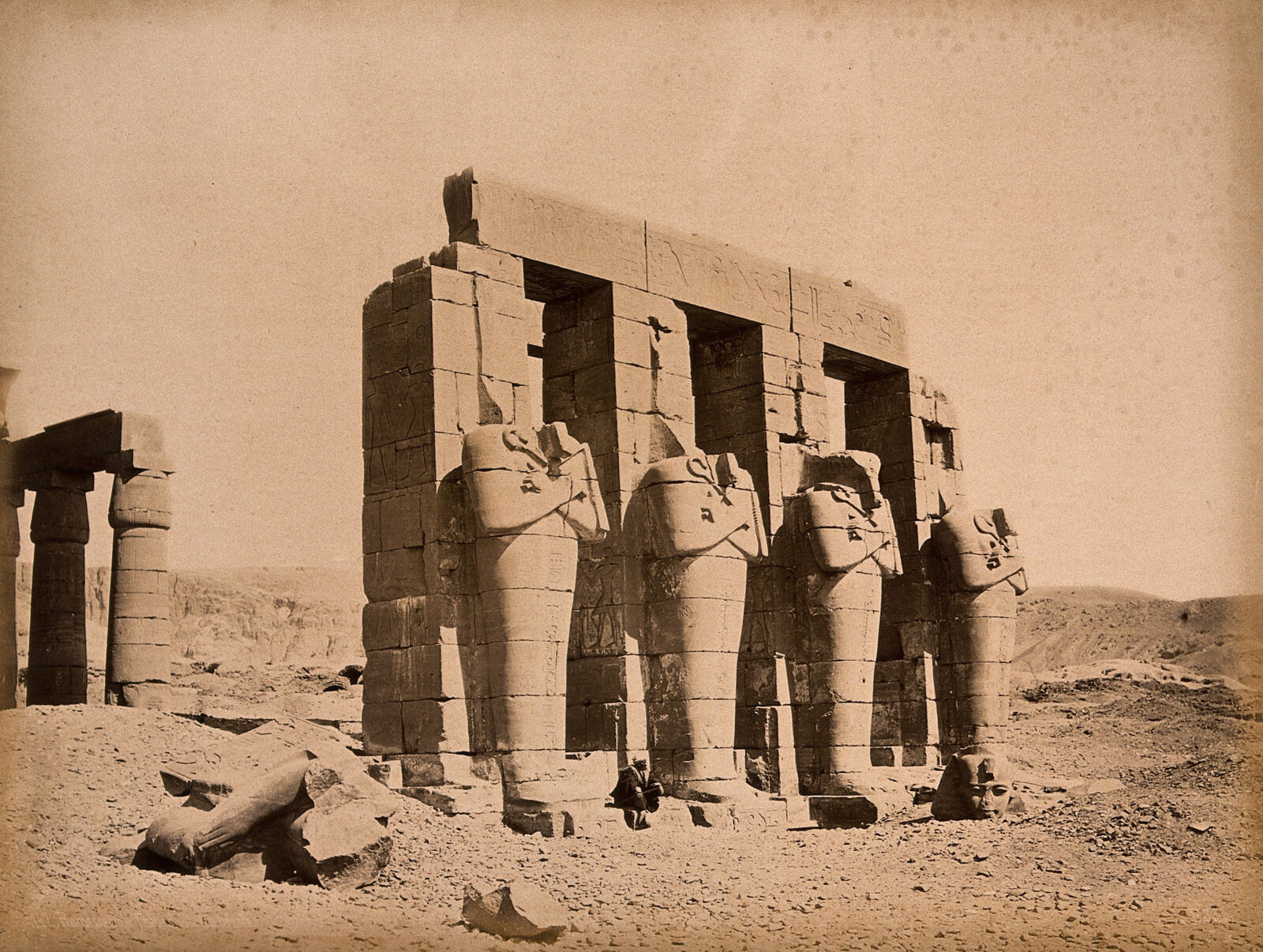
Ramesseum Colossi in Ruins
Pascal Sébah · c. 1875
Ready when you are
Start chatting with Ramses II (Ramses the Great) now.
20 messages free · No credit card · Available in 50+ languages.