


Secondary sourceSculptureSong dynasty, c. 10th–12th century
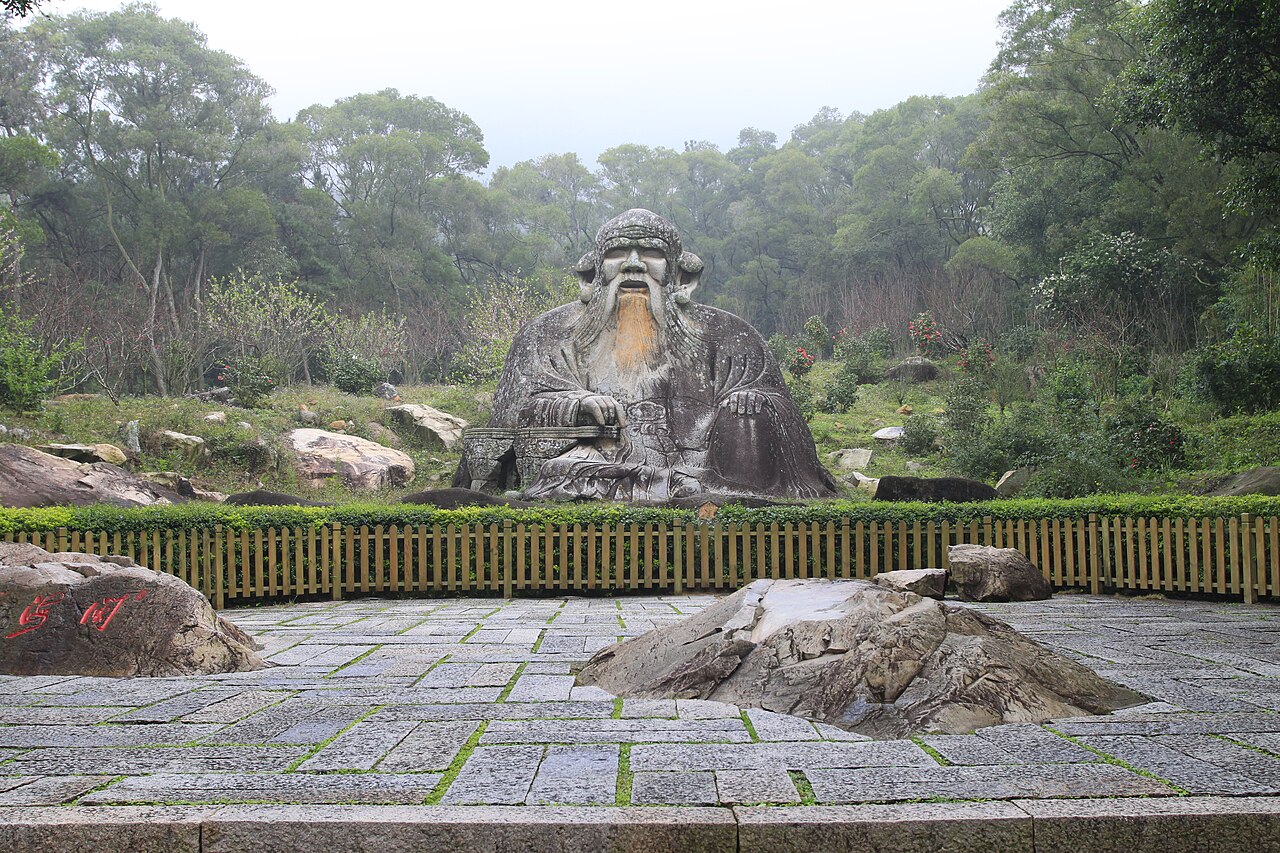
Stone Statue of Laozi at Qingyuan Mountain
Song dynasty sculptors · Song dynasty, c. 10th–12th century
A monumental Song-dynasty stone statue of Laozi at Qingyuan Mountain in Quanzhou, the largest early surviving stone image of him and evidence of his popular worship.
This monumental statue commemorates Laozi and reflects his later veneration as a popular religious figure.
About this source
What it is
This is a large rock-cut statue carved by Song-dynasty sculptors, located at Qingyuan Mountain in Quanzhou, China. It shows an elderly bearded man seated, carved from dark stone, and is now protected as a national cultural heritage site.
Why it matters
This statue represents Laozi as he was worshipped by ordinary people long after his lifetime. It is the largest early stone image of him, showing how a philosopher believed to have lived centuries earlier had become the focus of popular religious devotion and monumental public art.
Look closer
- What details in the statue's size, pose, and setting suggest reverence or worship?
- Why might a community invest great effort in carving a huge statue of a philosopher centuries after he lived?
- How does a stone monument like this shape memory differently from a written text?
This sculpture is part of the curated material that grounds the AI version of Laozi on Humy.ai — when students ask about related events, the AI can quote it and cite it.
More Laozi sources
Meet the AI Laozi →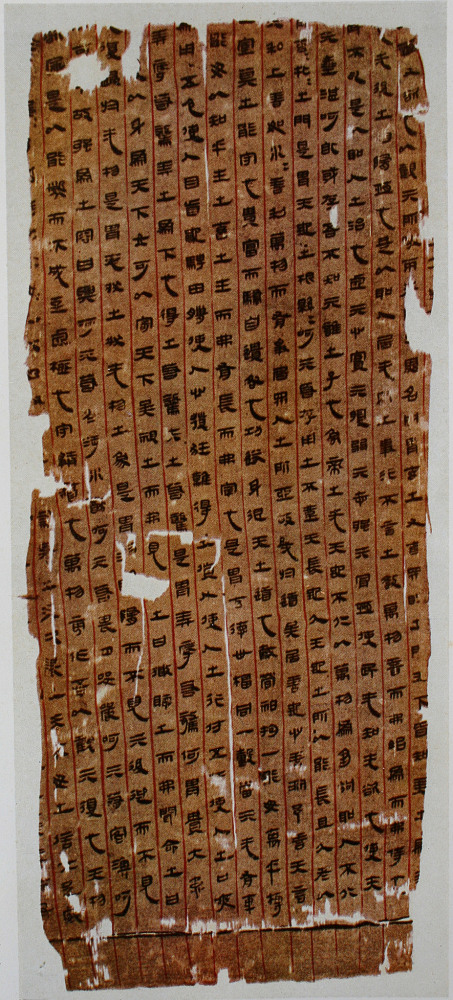 Book
Secondary source
Tao Te Ching
Laozi · c. 4th-3rd century BCE
 Artifact
Primary source
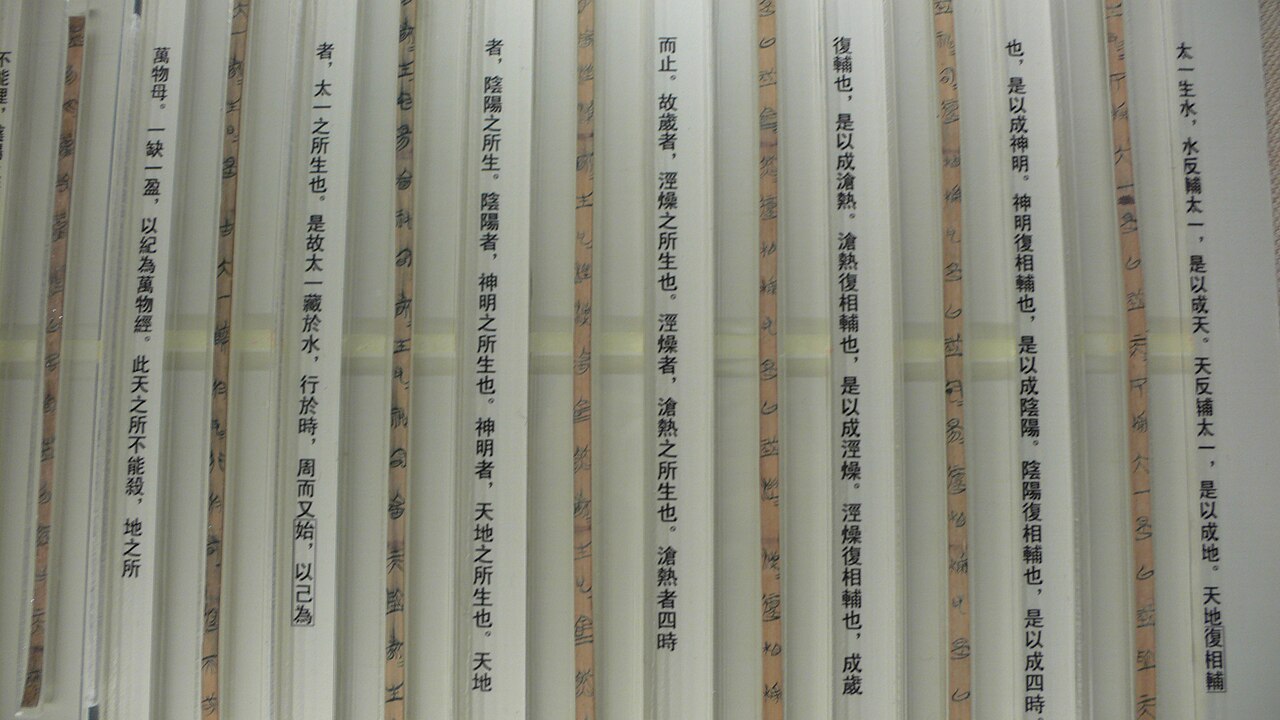
Bamboo Texts of Guodian
c. 300 BCE
 Book
Primary source
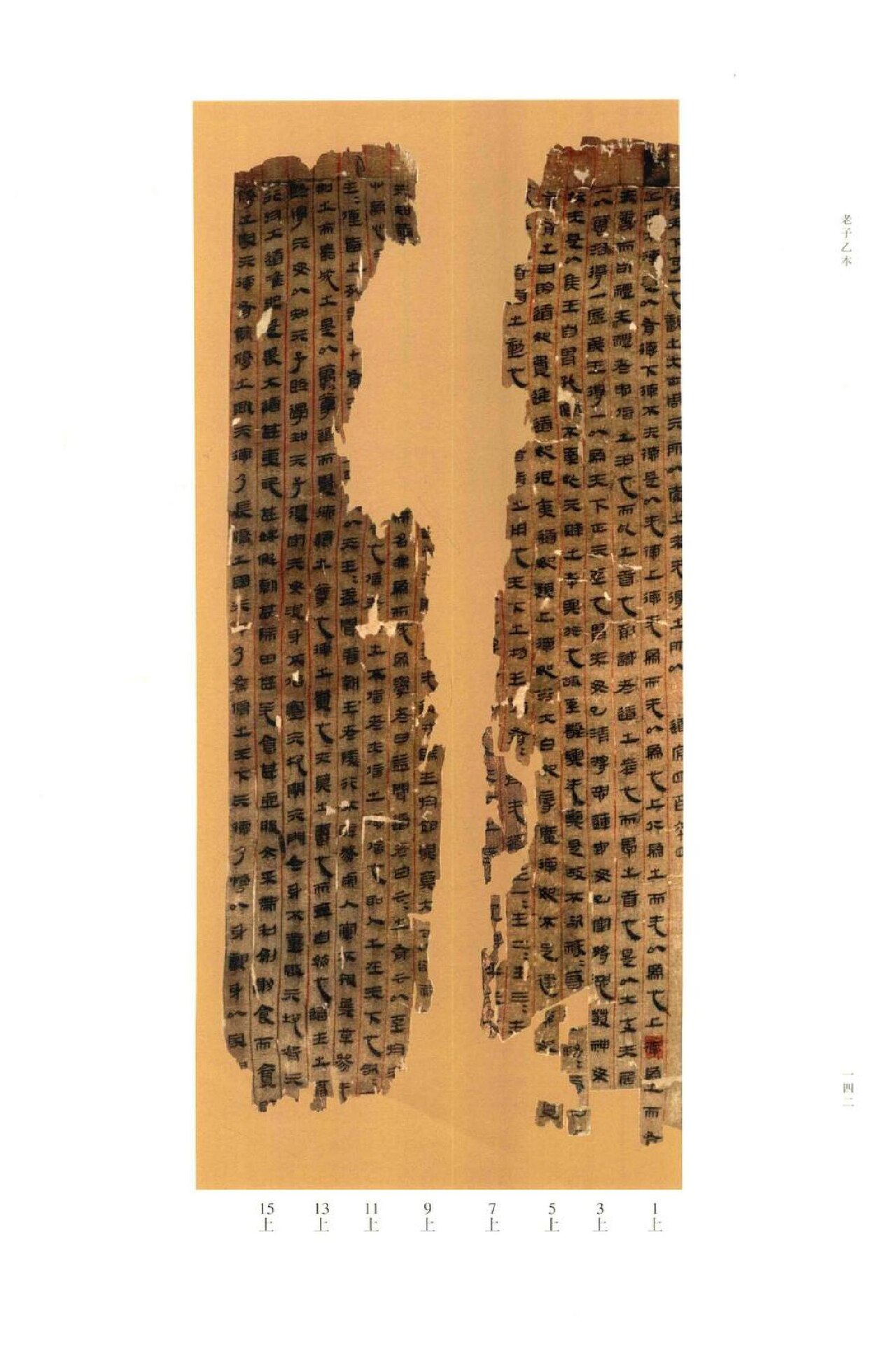
Mawangdui Silk Texts of the Laozi
Anonymous Han scribes · c. 200-168 BCE
 Book
Secondary source
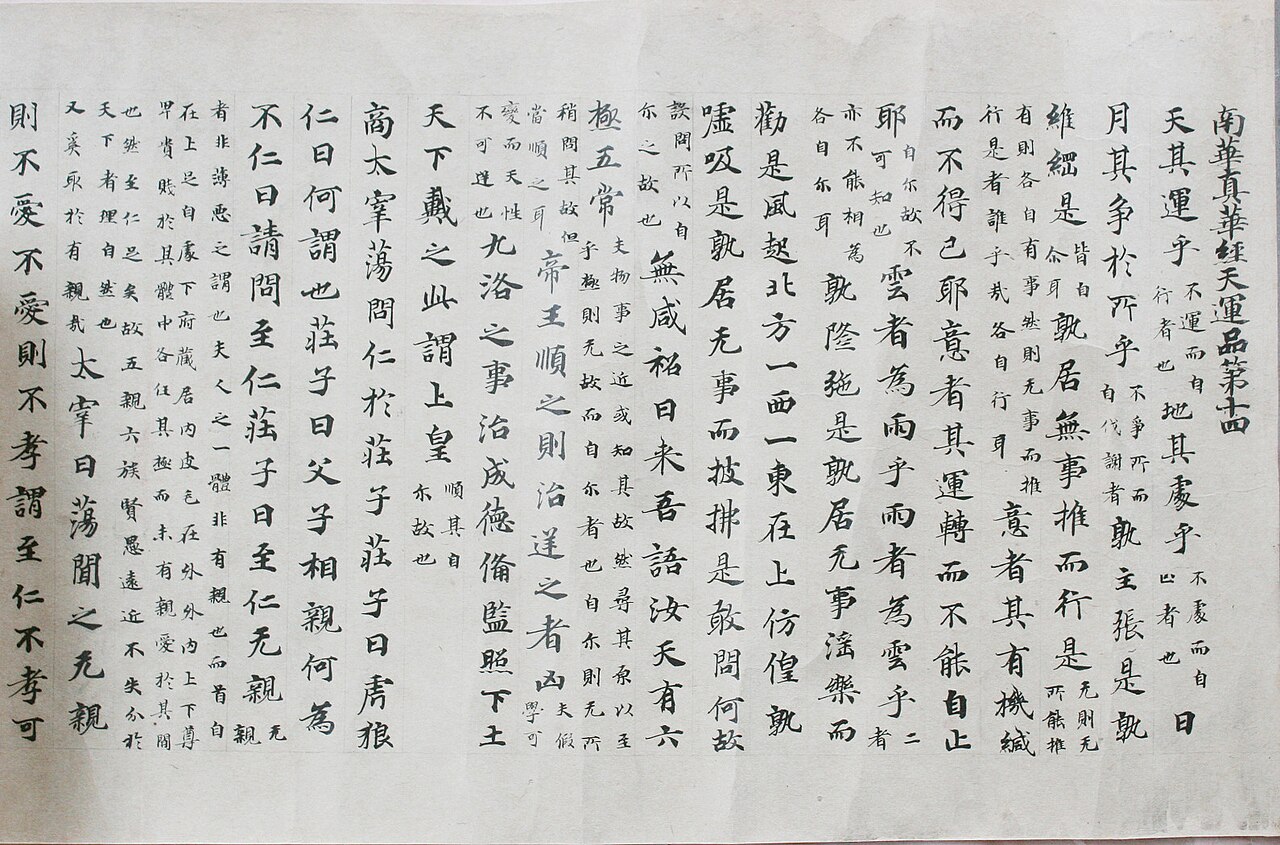
Zhuangzi
Zhuang Zhou · c. 300 BCE
 Painting
Secondary source
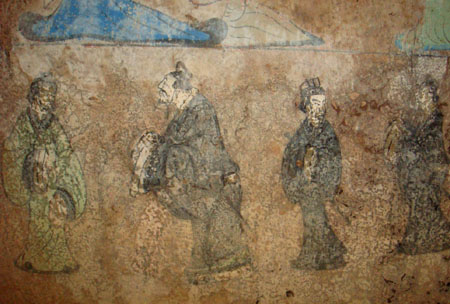
Confucius and Laozi fresco, Dongping tomb
Anonymous Chinese painter of the Western Han period · Western Han period, c. 2000 years old
Ready when you are
Start chatting with Laozi now.
20 messages free · No credit card · Available in 50+ languages.