


Secondary sourceSculpture1727
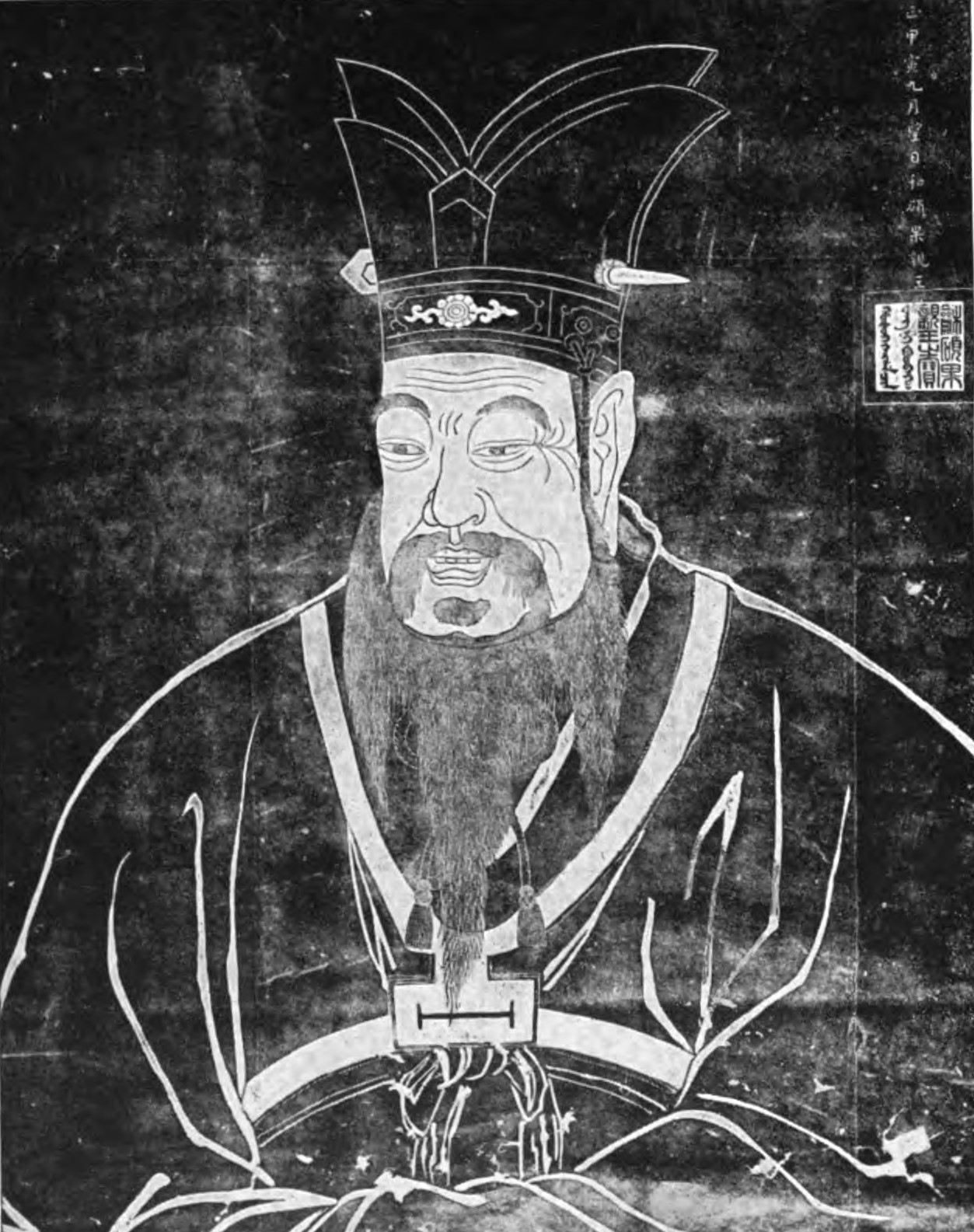
Stone Tablet Relief of Confucius from Hsianfu
1727
A 1727 carved stone tablet from Shaanxi showing Confucius in formal robes and headwear, made many centuries after his death.
This later carving imagines Confucius's appearance, showing how he was honoured as a wise figure centuries after his life.
About this source
What it is
This is a rubbing taken from a stone relief tablet carved in 1727 at Hsianfu (Xi'an), in Shaanxi province, China. The maker is unknown. It shows a bearded man wearing a tall, feathered hat with a decorated band and layered robes with sashes, with Chinese seal stamps in the corner.
Why it matters
Confucius lived many centuries before this carving was made, so it does not show his real appearance. Instead it reflects how later generations imagined and honoured him as a model of wisdom and dignity, dressed in the formal style associated with scholars and officials.
Look closer
- What details in the clothing and hat suggest status or wisdom?
- Why might artists centuries later still want to create new images of Confucius?
- What does the seal stamp tell us about how this rubbing was recorded or owned?
This sculpture is part of the curated material that grounds the AI version of Confucius on Humy.ai — when students ask about related events, the AI can quote it and cite it.
More Confucius sources
Meet the AI Confucius →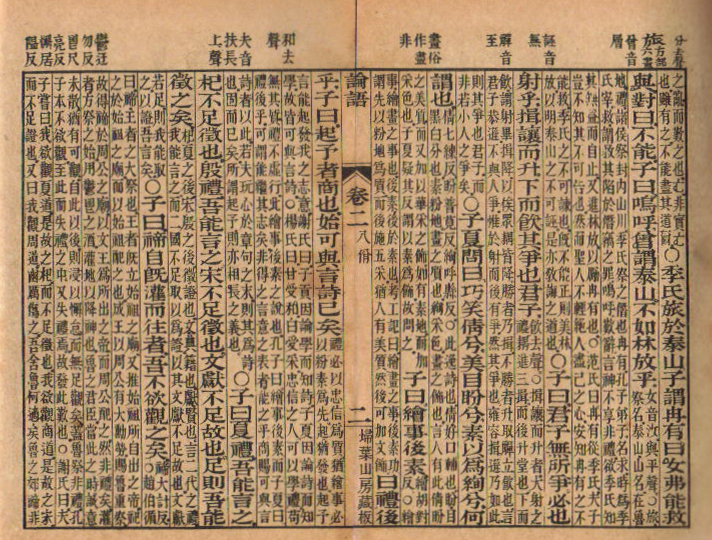 Book
Secondary source
Analects
c. 480 BCE – 2nd century BCE
 Book
Secondary source
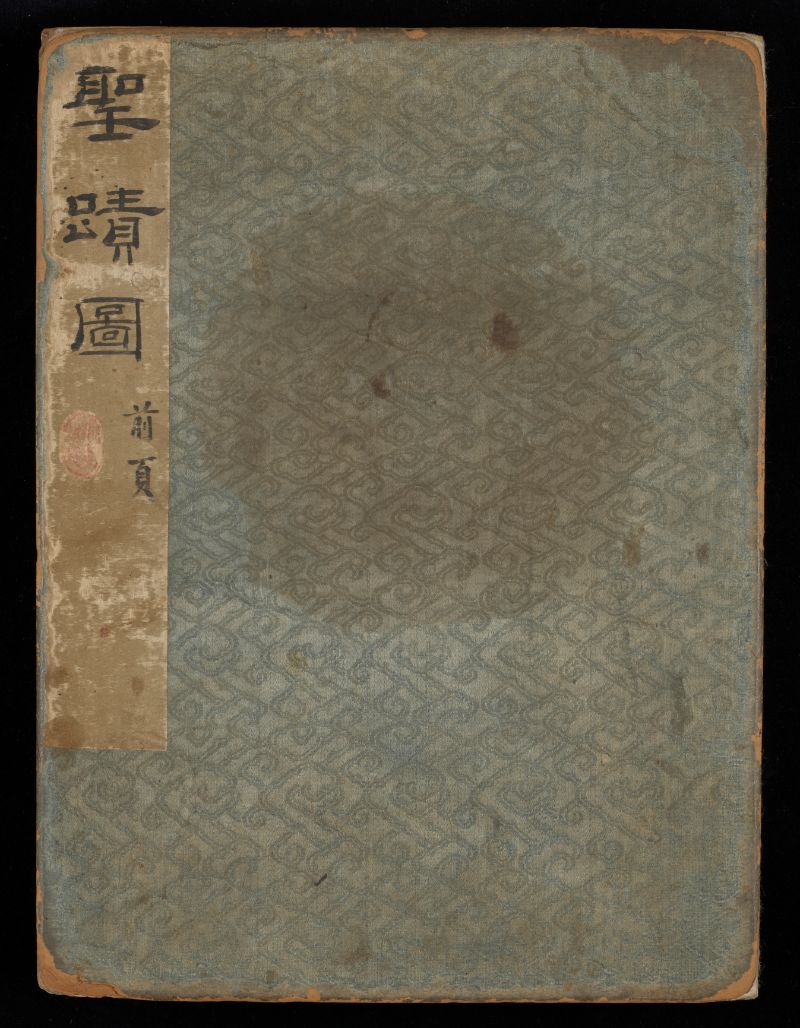
Pictures of the Sage's Traces
Unknown · 1758
Secondary source
Records of the Grand Historian, Vol. 47: Hereditary House of Confucius
Sima Qian · c. 94 BCE
 Photograph
Primary source
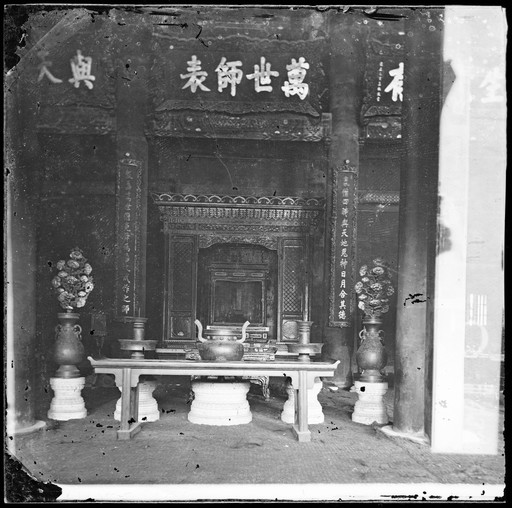
Temple of Confucius, Peking (Interior)
John Thomson · 1871
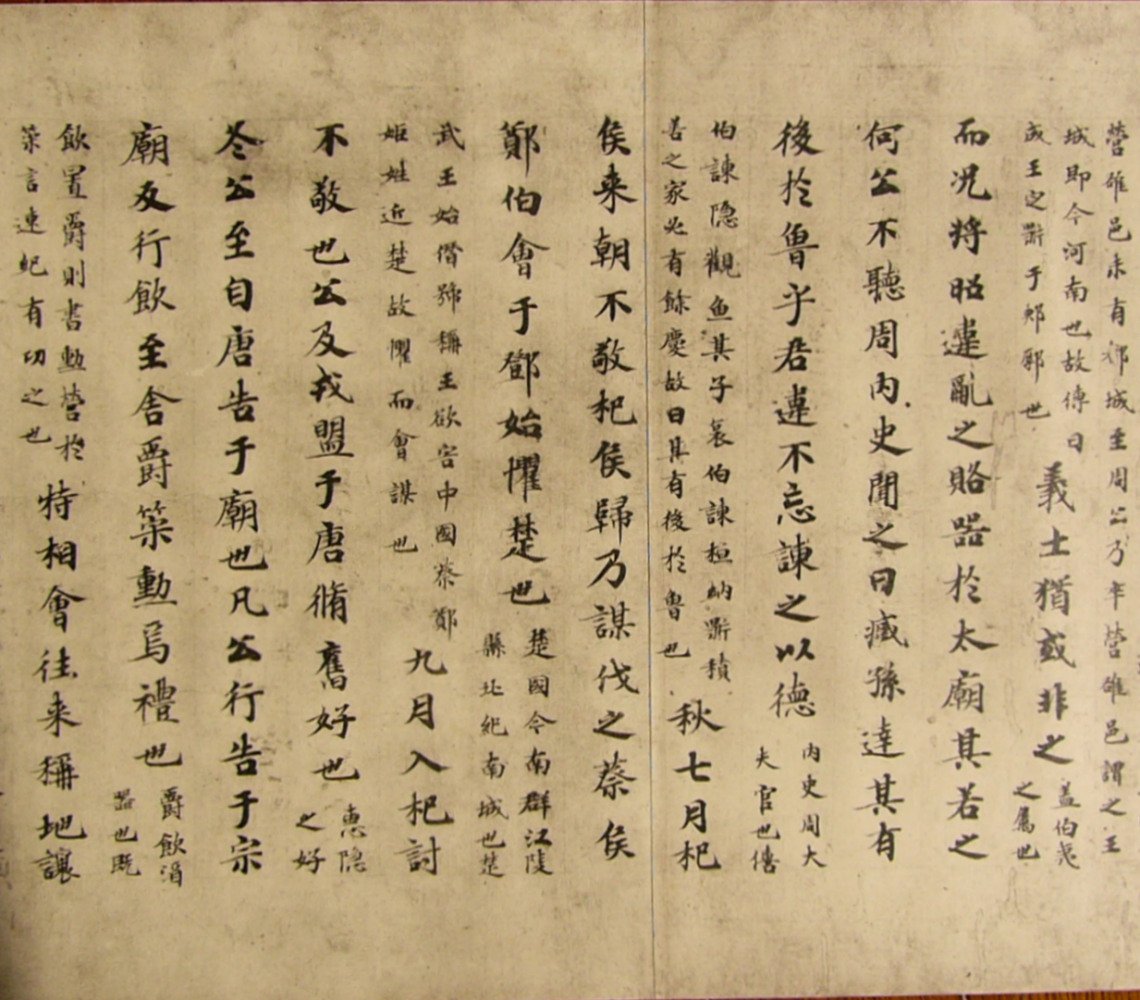 Document
Secondary source
Spring and Autumn Annals
Confucius · 5th century BCE
Ready when you are
Start chatting with Confucius now.
20 messages free · No credit card · Available in 50+ languages.