


Primary sourceDocument1785
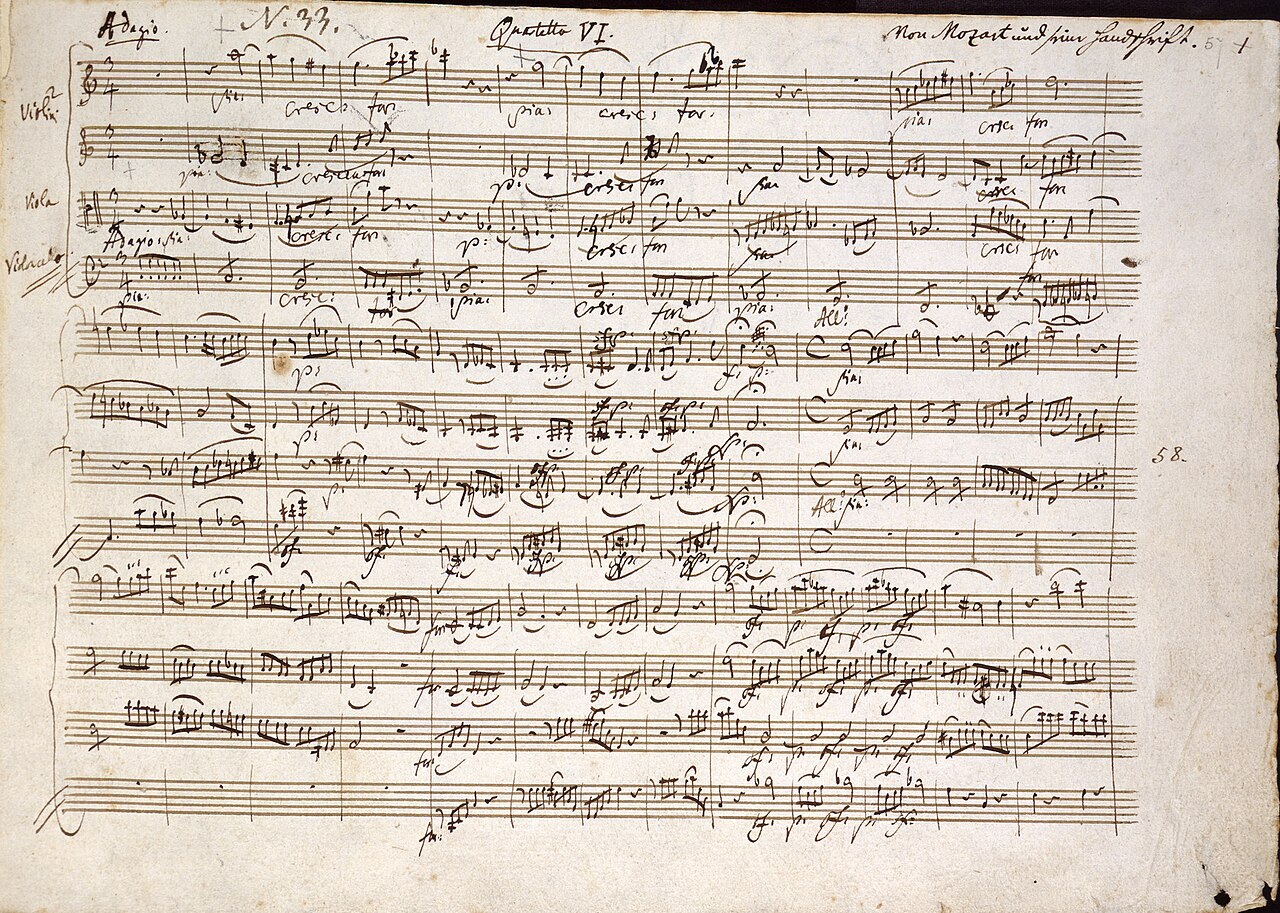
String Quartet No. 19 in C major, K. 465 ('Dissonance')
Wolfgang Amadeus Mozart · 1785
The last of six string quartets Mozart dedicated to Joseph Haydn in 1785, named for its unusual opening dissonance.
Mozart composed this quartet as the final piece in a set he personally dedicated to Joseph Haydn, whom he admired.
About this source
What it is
This string quartet by Wolfgang Amadeus Mozart was completed on 14 January 1785, the last of six quartets he dedicated to Joseph Haydn. Mozart and his father performed it along with two others for Haydn himself on 12 February 1785.
Why it matters
Unlike most of Mozart's works, these quartets were not commissioned by a patron, making them a personal project; Mozart called them his 'children' in his dedication to Haydn. The quartet's unusual opening harmonies puzzled early listeners and later gave the work its nickname, showing both Mozart's admiration for Haydn and his own harmonic daring.
Look closer
- What does Mozart calling these quartets his 'children' suggest about how personally he valued them?
- Why might unconventional harmonies in the opening have unsettled listeners used to simpler music?
- What can the handwritten manuscript tell us about how carefully Mozart composed each of the four instrumental parts?
This document is part of the curated material that grounds the AI version of Wolfgang Amadeus Mozart on Humy.ai — when students ask about related events, the AI can quote it and cite it.
More Wolfgang Amadeus Mozart sources
Meet the AI Wolfgang Amadeus Mozart →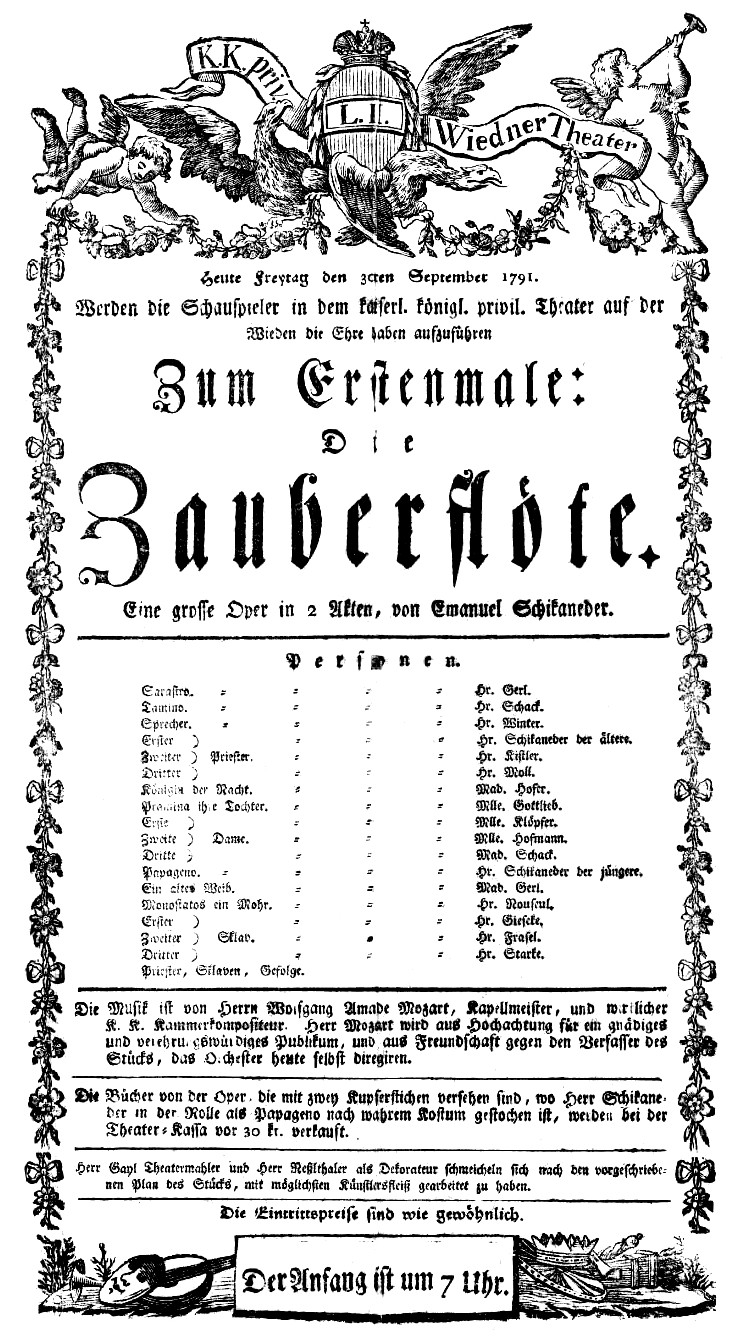 Document
Primary source
The Magic Flute
Wolfgang Amadeus Mozart · 1791
 Photograph
Secondary source
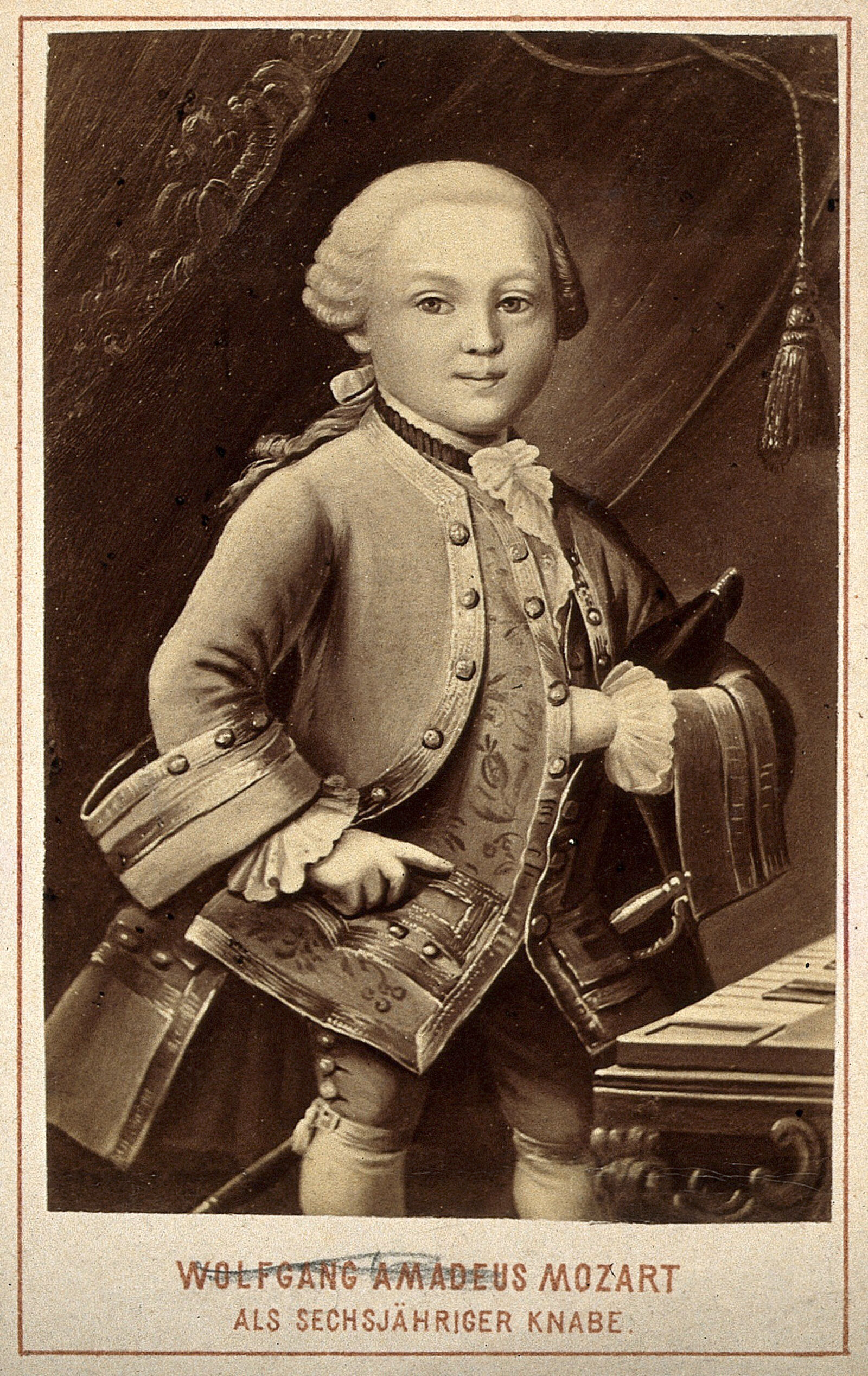
Wolfgang Amadeus Mozart at the age of six
A. Lenisch
 Document
Primary source
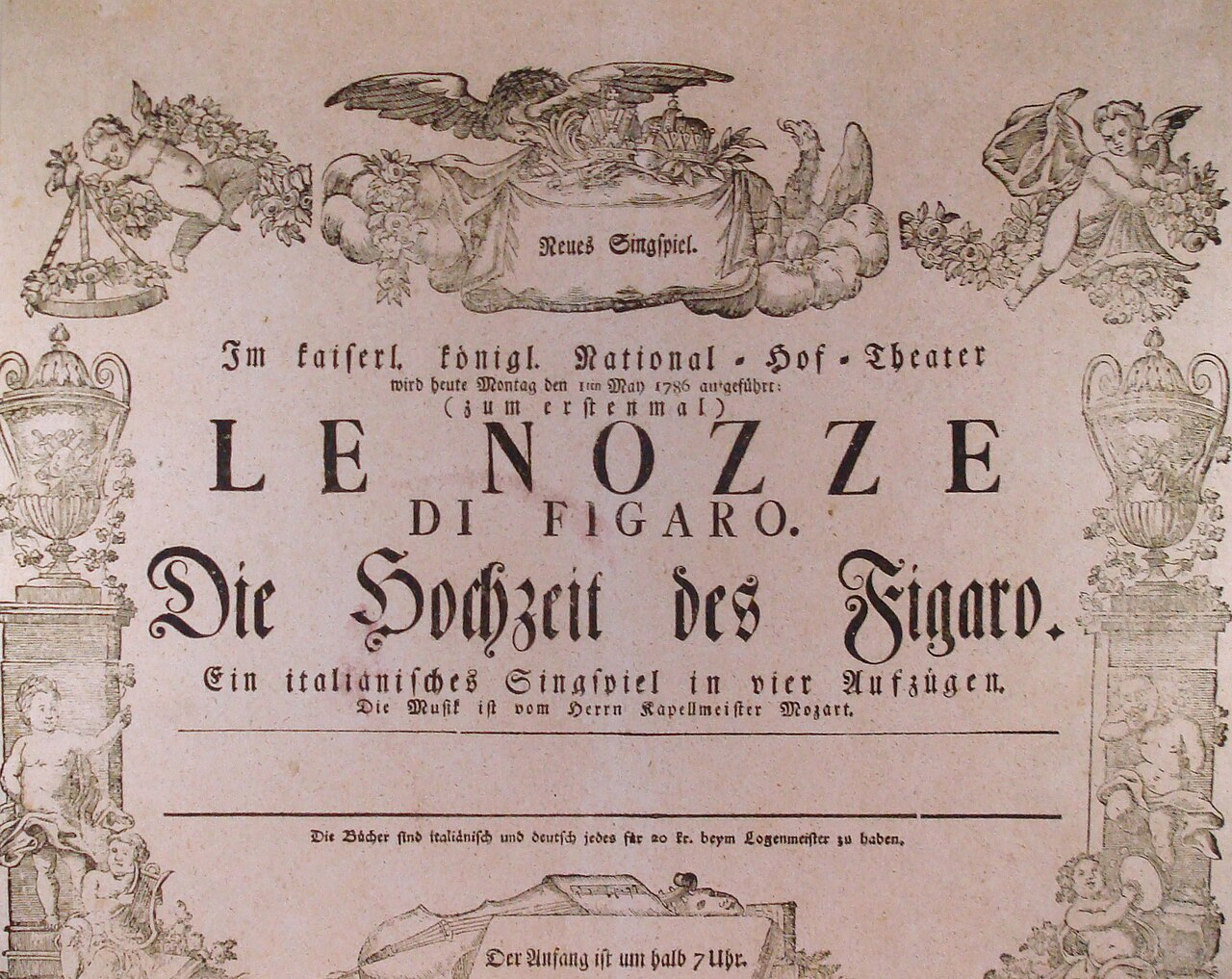
The Marriage of Figaro
Wolfgang Amadeus Mozart · 1786
 Document
Primary source
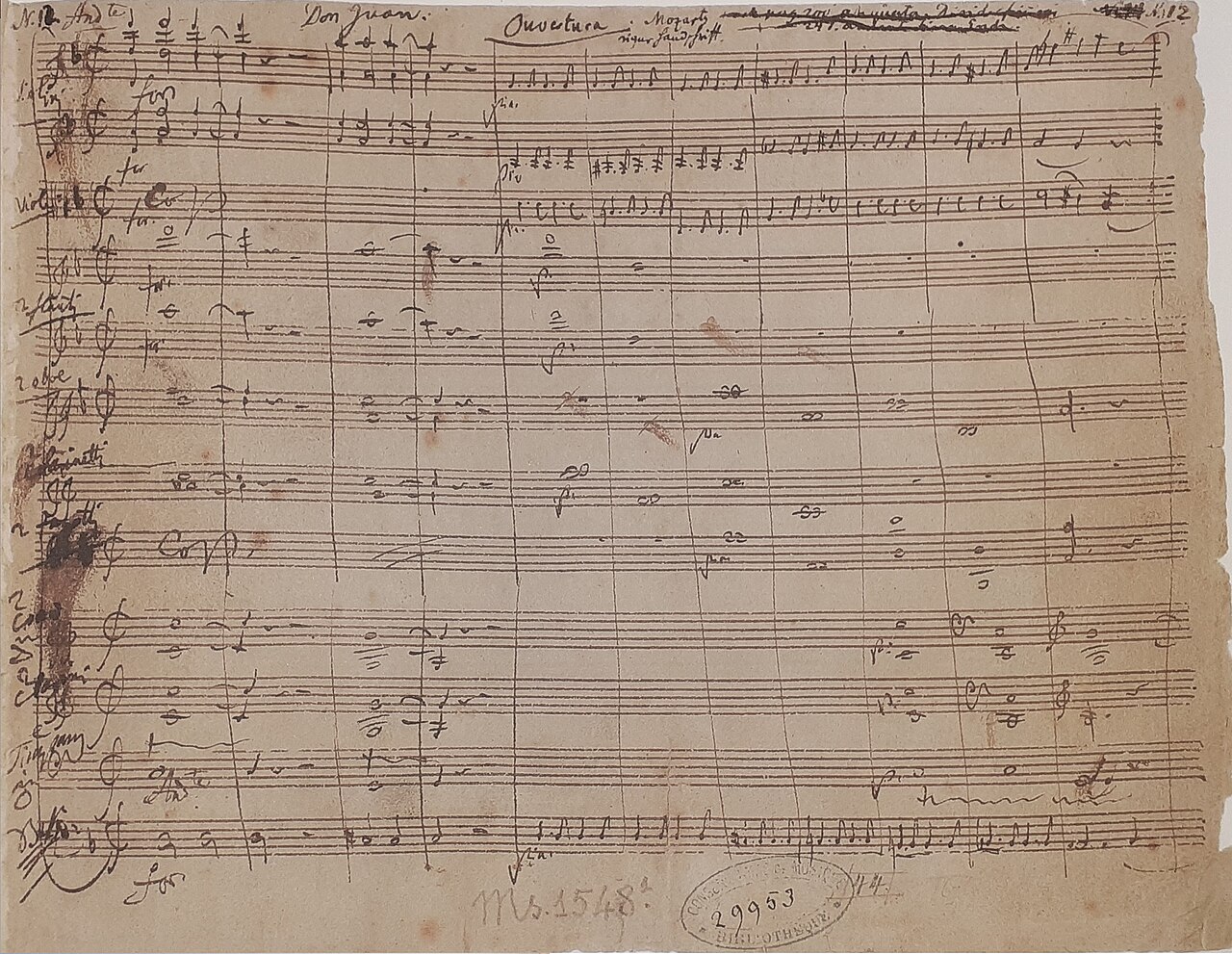
Don Giovanni
Wolfgang Amadeus Mozart · 1787
 Document
Primary source
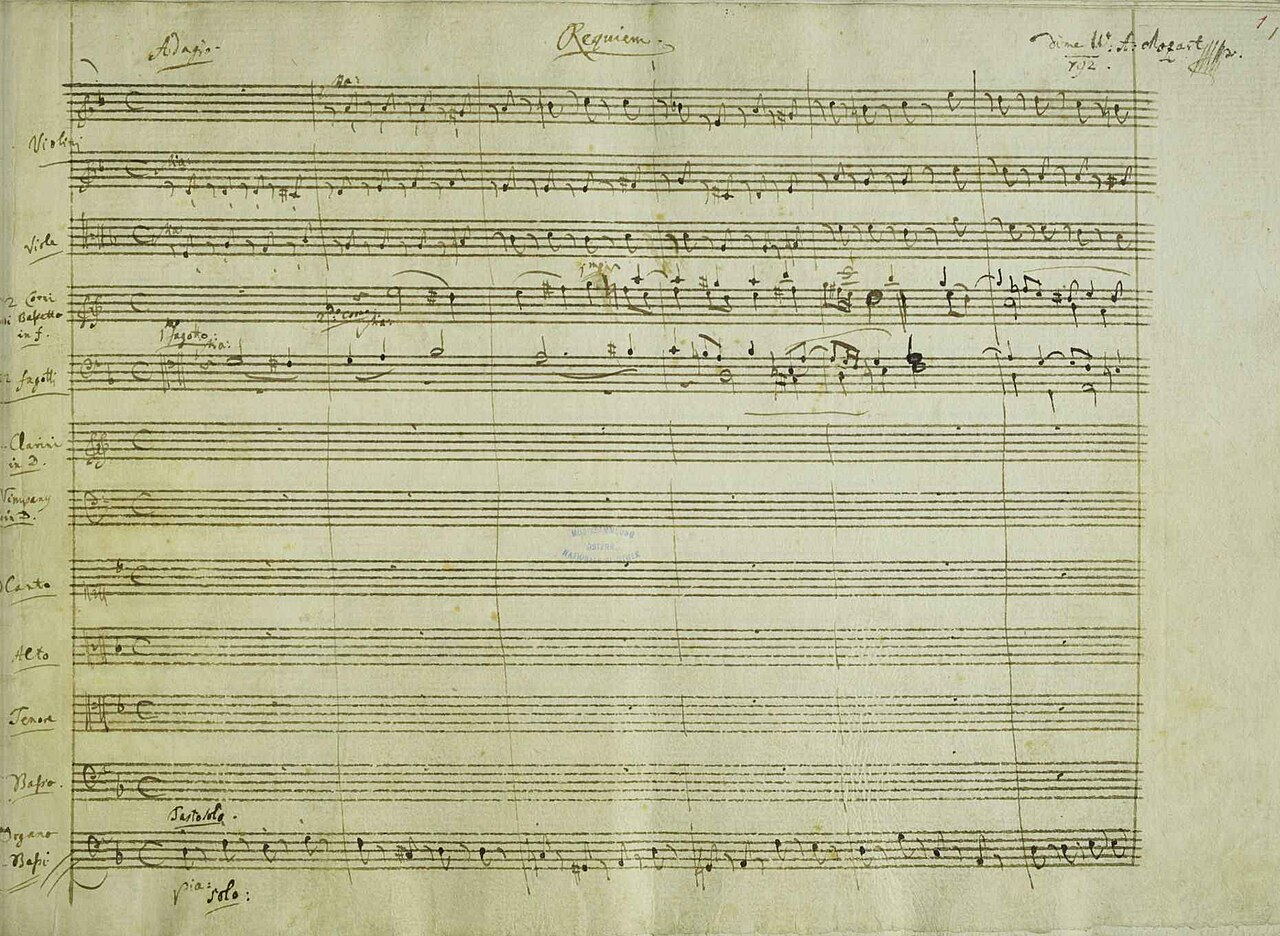
Requiem
Wolfgang Amadeus Mozart · 1791
Ready when you are
Start chatting with Wolfgang Amadeus Mozart now.
20 messages free · No credit card · Available in 50+ languages.