


Secondary sourcePainting1850
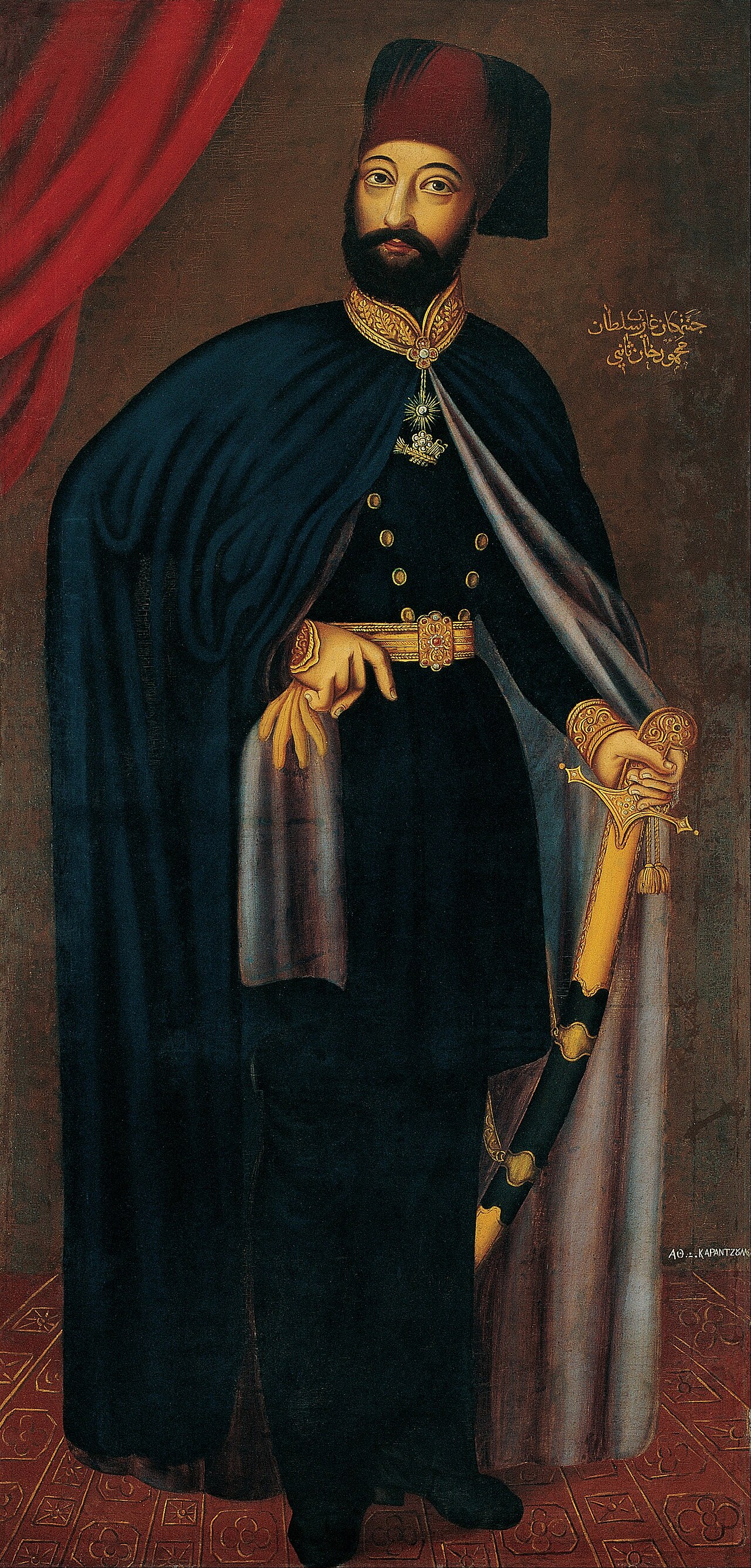
Sultan Mahmud II
Athanasios Karantzoulas · 1850
A posthumous oil portrait of Mahmud II painted in 1850, showing how his image as a reformer was kept alive after his death.
This posthumous portrait helped shape Mahmud II's lasting image as a reforming sultan after his death.
About this source
What it is
This full-length oil portrait of Sultan Mahmud II was painted in 1850 by Athanasios Karantzoulas, after the sultan's death. It is held today at the Pera Museum.
Why it matters
Painted years after Mahmud II died, this portrait was not made from life but shaped how later generations remembered him. It shows the sultan in formal dress with a sword and fez, a style meant to present him as a strong and modern reformer, reflecting how his legacy was built and promoted after his reign ended.
Look closer
- Since the artist never saw Mahmud II alive, what choices might he have made about how to paint him?
- What do the clothing, pose and objects in the painting suggest the artist wanted viewers to think about Mahmud II?
- Why might a ruler's image be carefully shaped even after his death?
This painting is part of the curated material that grounds the AI version of Mahmud II on Humy.ai — when students ask about related events, the AI can quote it and cite it.
More Mahmud II sources
Browse all 88 →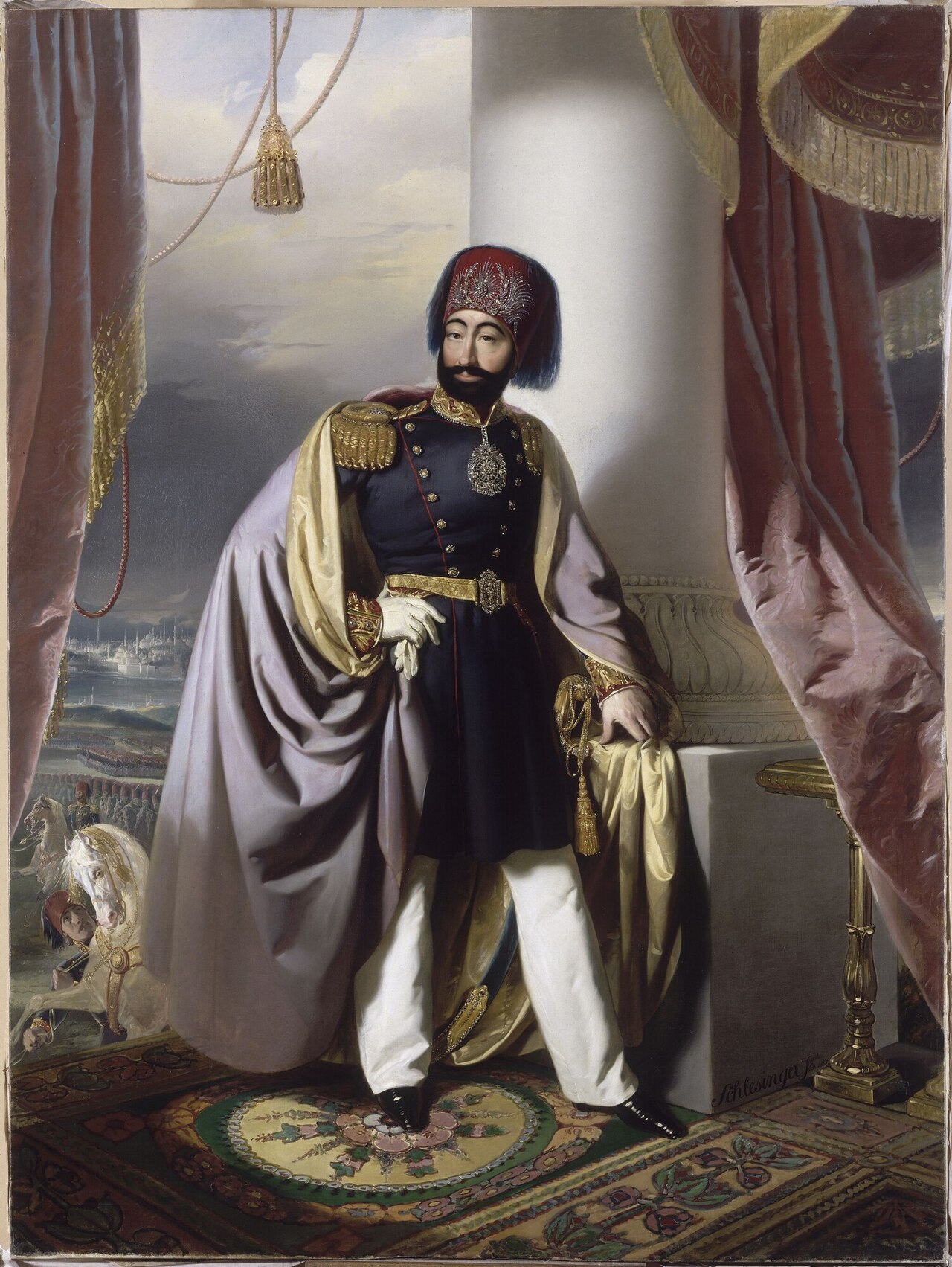 Painting
Primary source
Portrait of Mahmud II
 Artifact
Primary source
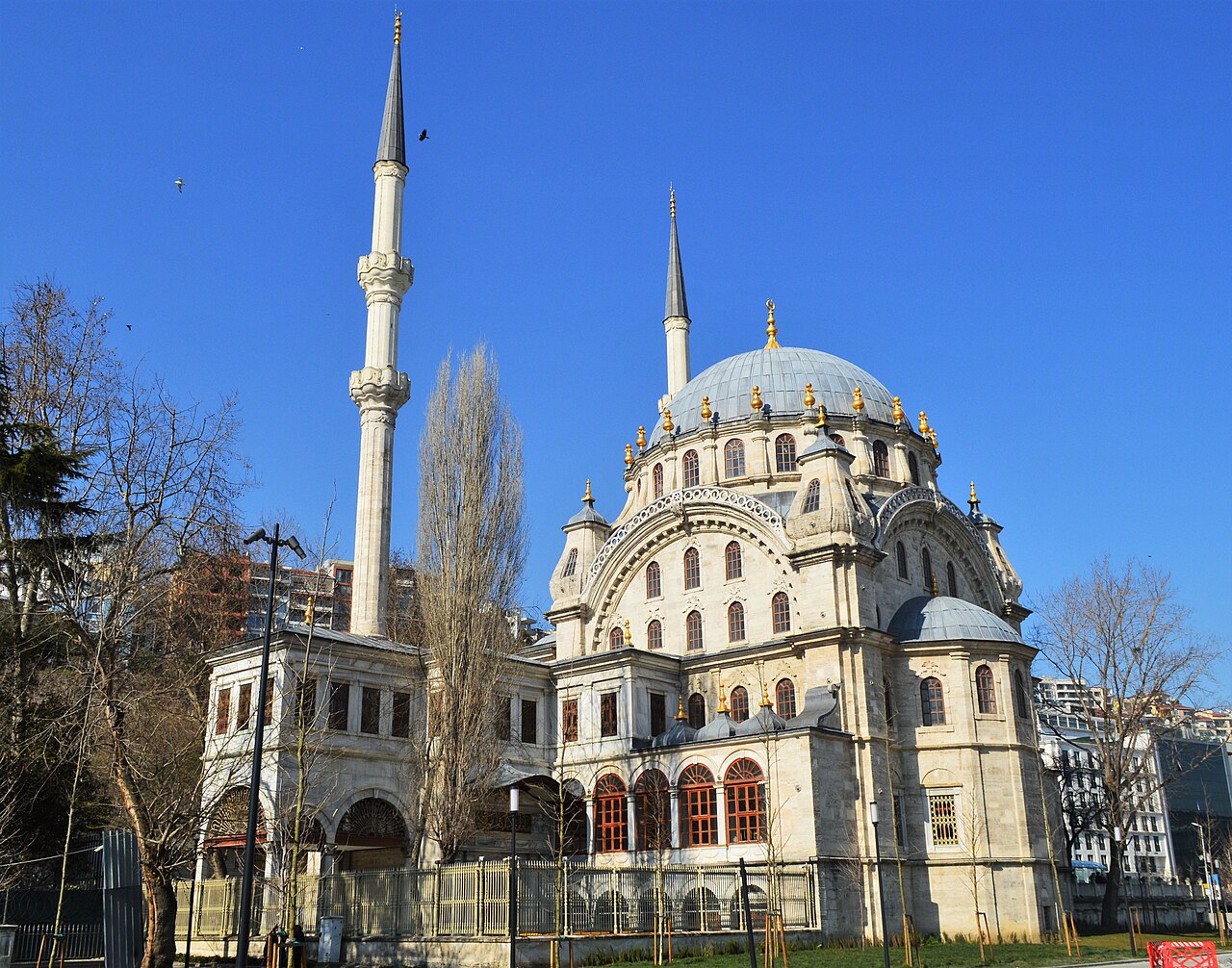
Nusretiye Mosque
Krikor Balian · 1826
 Document
Primary source
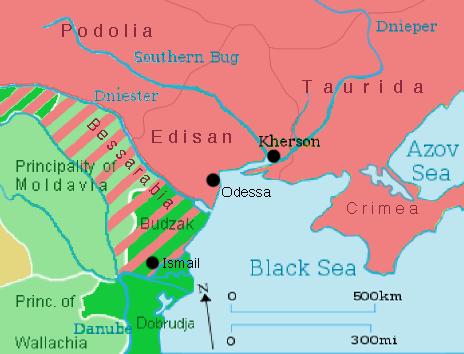
Treaty of Bucharest
28 May 1812
 Artifact
Primary source
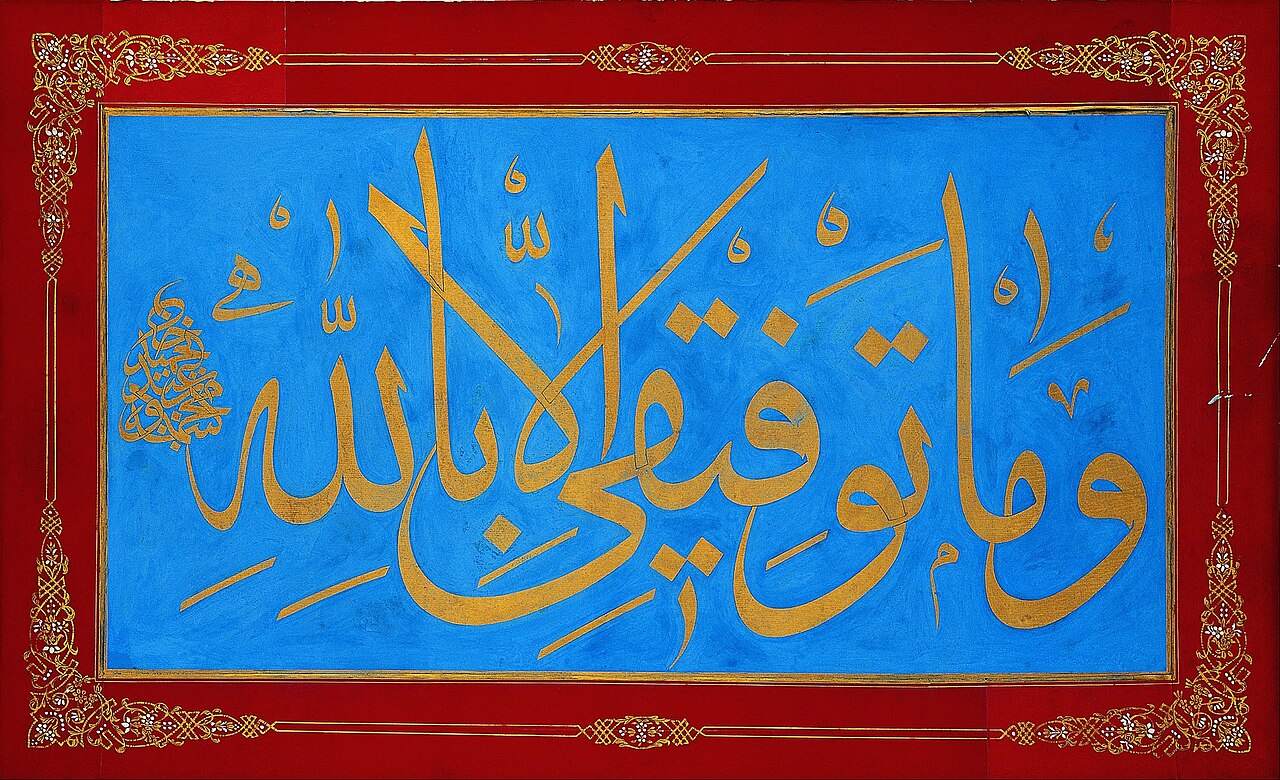
Calligraphic Panel (Levha) by Sultan Mahmud II
Mahmud II · c. 1800
Free account
Read every Mahmud II source
Sign up free →
Ready when you are
Start chatting with Mahmud II now.
20 messages free · No credit card · Available in 50+ languages.