


Secondary sourcePainting1596
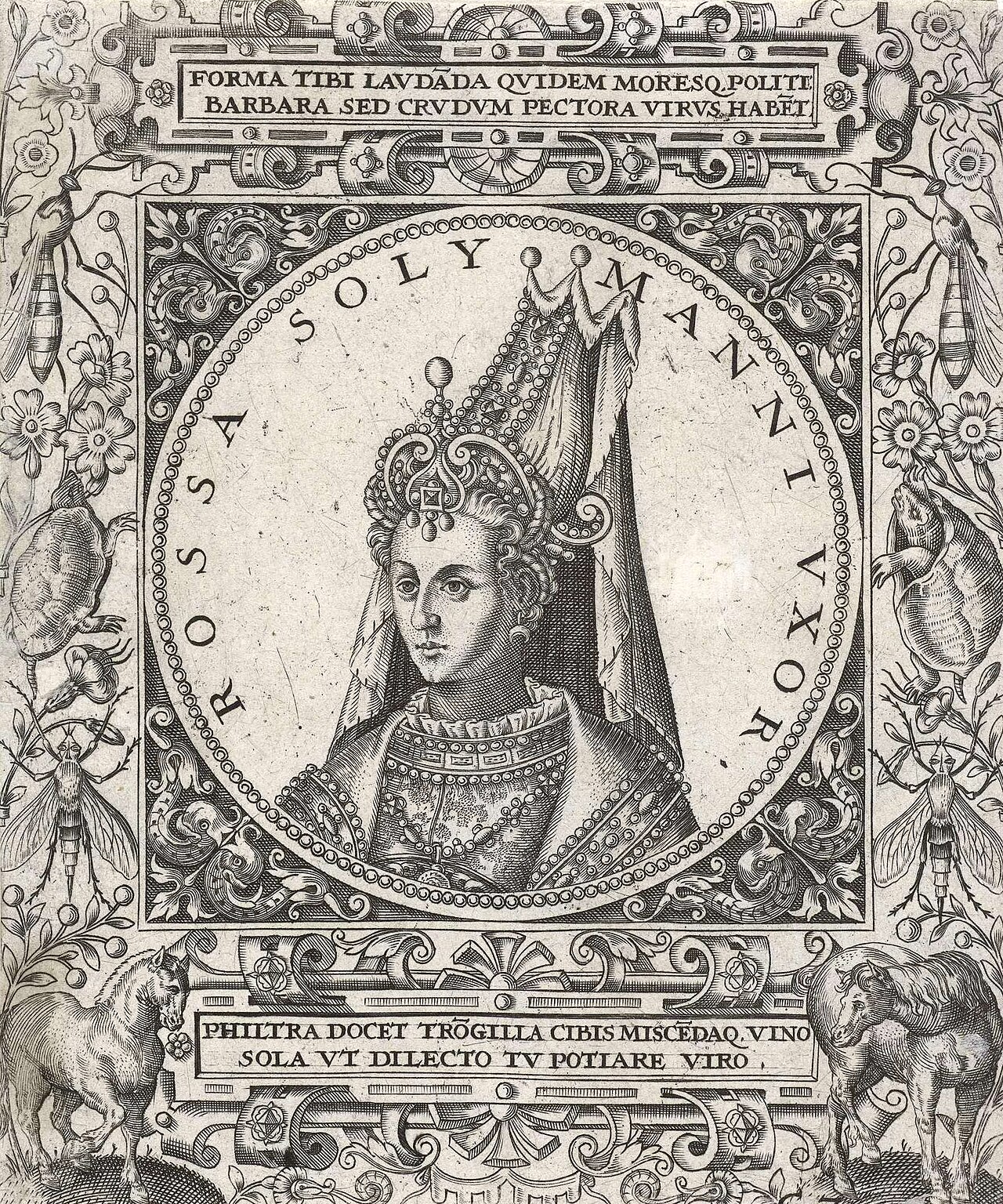
Sultan Roxelana
Johann Theodor de Bry · 1596
A decorative engraving of Hürrem Sultan made decades after her death, showing how Europeans imagined her long afterward.
A later imagined portrait of Hürrem Sultan, made long after her lifetime, showing her lasting fame in Europe.
About this source
What it is
This engraving by Johann Theodor de Bry, made in 1596, shows a woman's head and bust in an oval frame, wearing an elaborate pearl-trimmed headdress and jeweled collar. The oval is labelled 'ROXOLANA' and surrounded by decorative borders with Latin inscriptions, flowers, and insects.
Why it matters
Created long after Hürrem Sultan's death, this print is not a true likeness but reflects the lasting European fascination with her as the wife of Suleiman the Magnificent. By the late 16th century, her story had become legendary in Europe, and artists like de Bry produced imagined portraits for curious audiences who had never seen her.
Look closer
- Since this was made decades after her death, what might it tell us more about the engraver's own time than about her?
- What do the decorative details around the portrait suggest about how she was remembered?
- How does this image compare with portraits made during her lifetime?
This painting is part of the curated material that grounds the AI version of Hurrem Sultan on Humy.ai — when students ask about related events, the AI can quote it and cite it.
More Hurrem Sultan sources
Browse all 57 →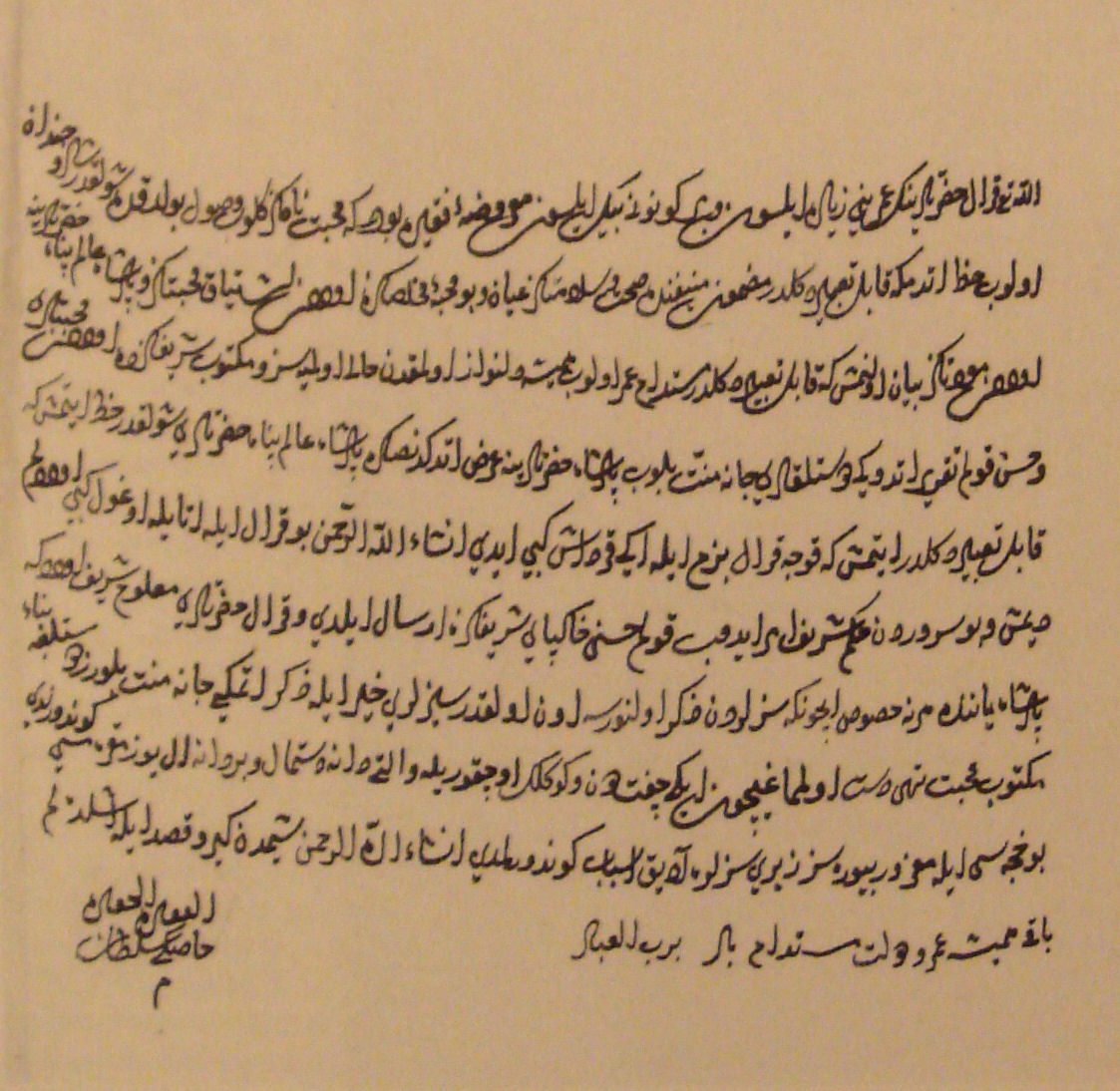 Letter
Primary source
Letter of Roxelane to Sigismund Augustus
Hürrem Sultan · 1549
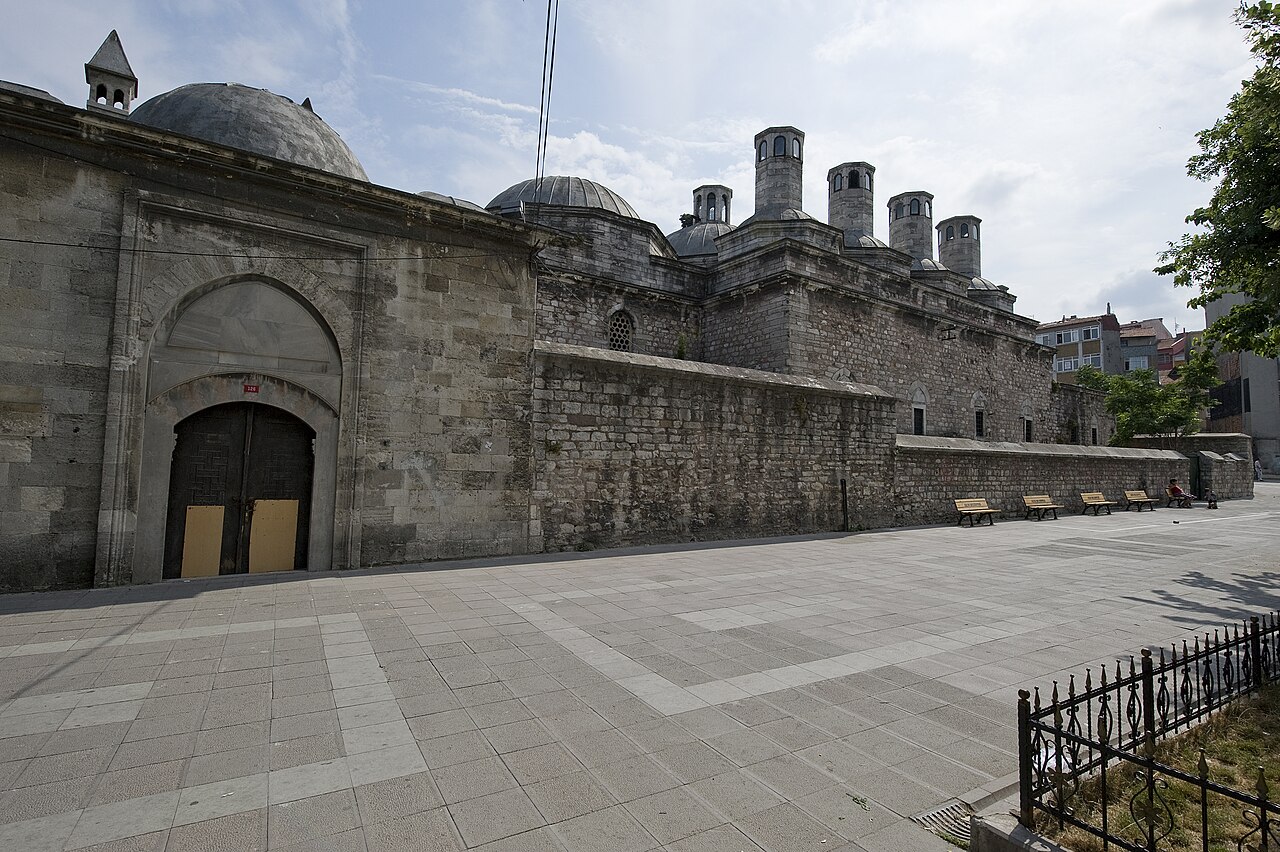 Artifact
Primary source
Haseki Sultan Mosque
Mimar Sinan · 1538
 Artifact
Primary source
Süleymaniye Mosque
Mimar Sinan · 1550-1557
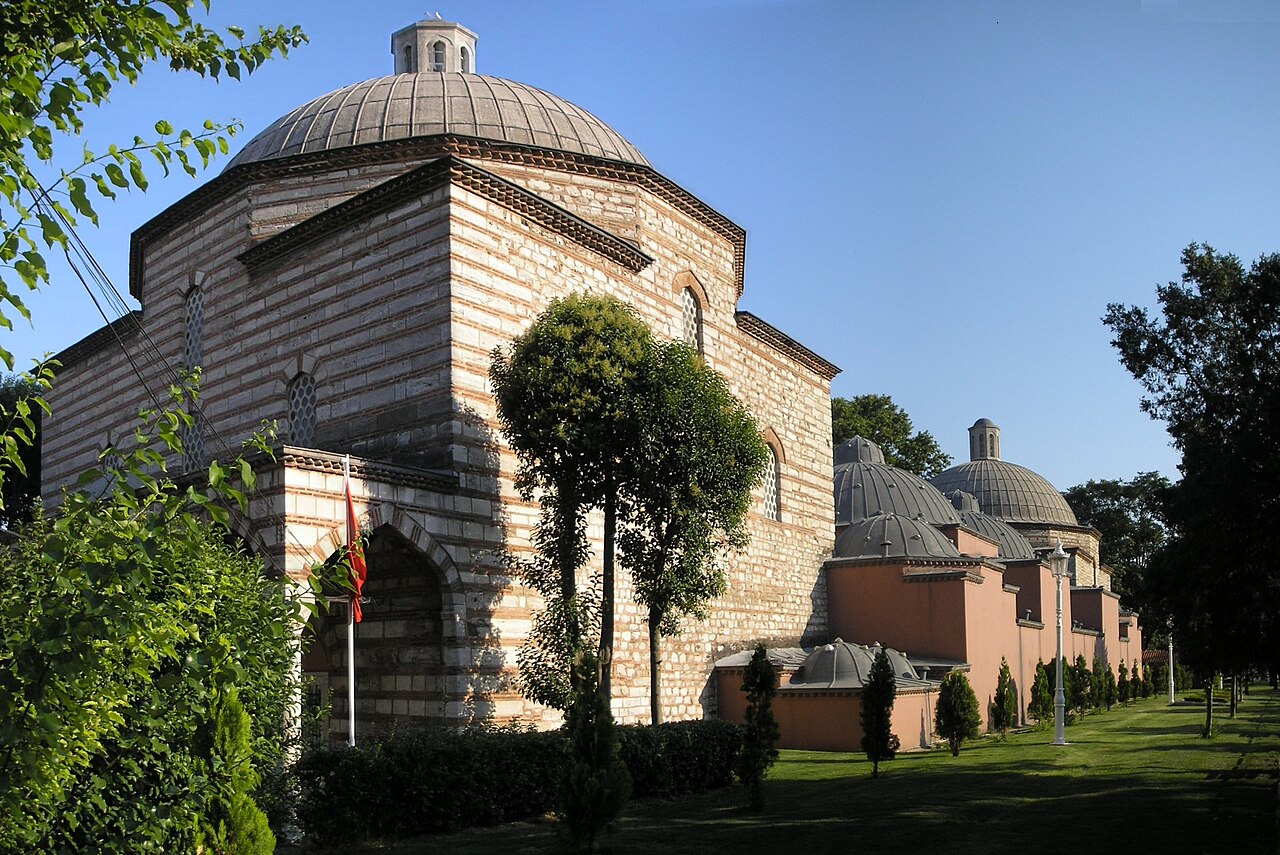 Artifact
Primary source
Haseki Hürrem Sultan Hamamı
Mimar Sinan · 1556
Free account
Read every Hurrem Sultan source
Sign up free →
Ready when you are
Start chatting with Hurrem Sultan now.
20 messages free · No credit card · Available in 50+ languages.