


Primary sourcePainting1606
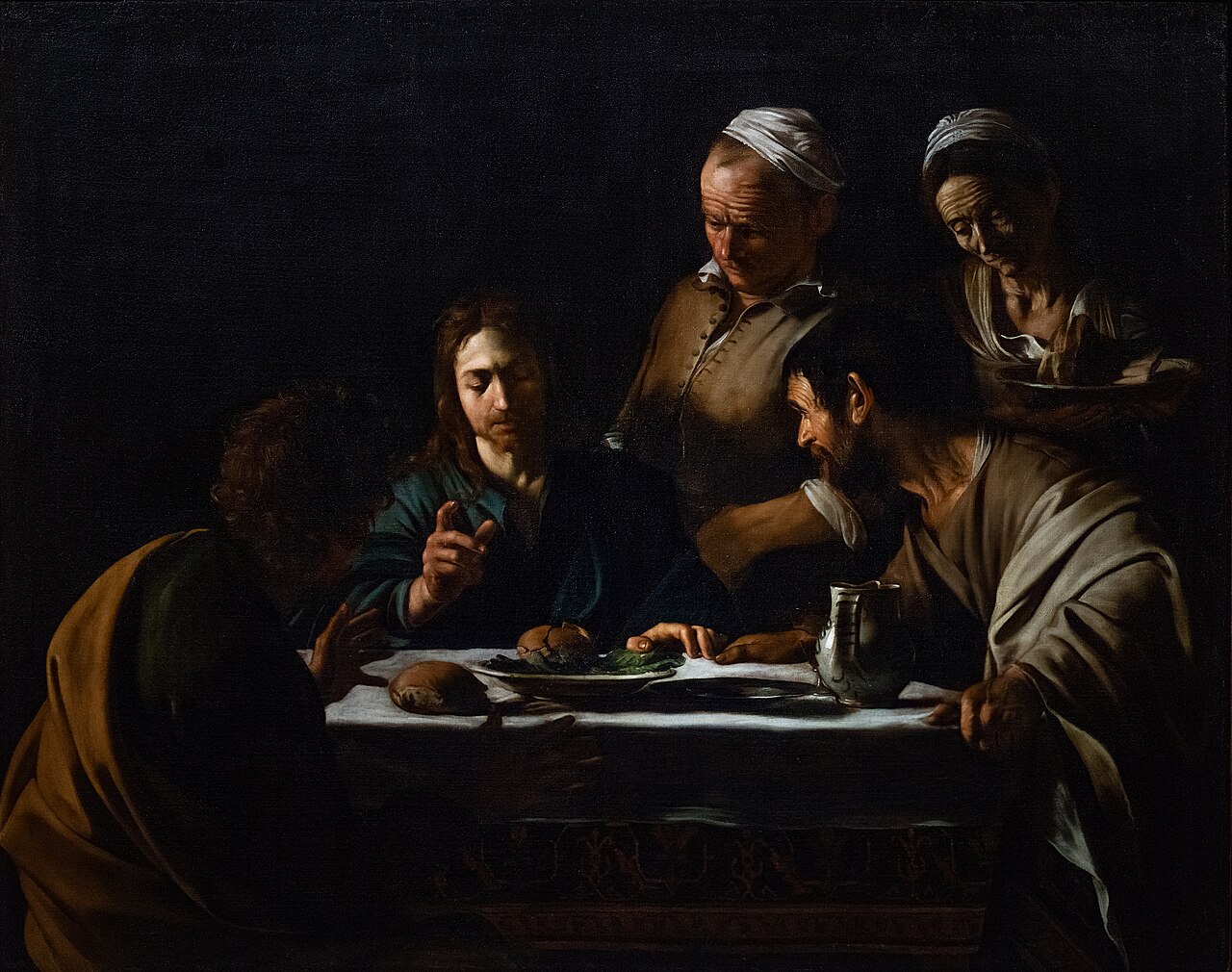
Supper at Emmaus
Caravaggio · 1606
A darker, more restrained 1606 version of Caravaggio's earlier famous subject, painted while he hid from the law after a killing.
Painted by Caravaggio while he was a fugitive after killing Ranuccio Tomassoni, showing his darker later style.
About this source
What it is
This painting by Caravaggio from 1606 depicts the moment the resurrected Jesus reveals himself to two disciples at Emmaus. It is held at the Pinacoteca di Brera in Milan, and was likely in the collection of Marchese Patrizi by 1624.
Why it matters
Early biographers suggest it was painted while Caravaggio was in hiding on the estates of Prince Marzio Colonna after killing Ranuccio Tomassoni during a fight. Compared with his earlier 1601 version in London, this one is calmer and darker, showing how his style changed under pressure and exile. The painting reveals both his evolving technique and the turbulence of his life.
Look closer
- How does the mood of this version differ from a more theatrical, dramatic treatment of the same subject?
- Why might an artist's circumstances — hiding from the law — affect the tone of a religious painting?
- What role do the added figures of the innkeeper and his wife play, since they aren't in the Gospel text?
This painting is part of the curated material that grounds the AI version of Caravaggio on Humy.ai — when students ask about related events, the AI can quote it and cite it.
More Caravaggio sources
Browse all 90 →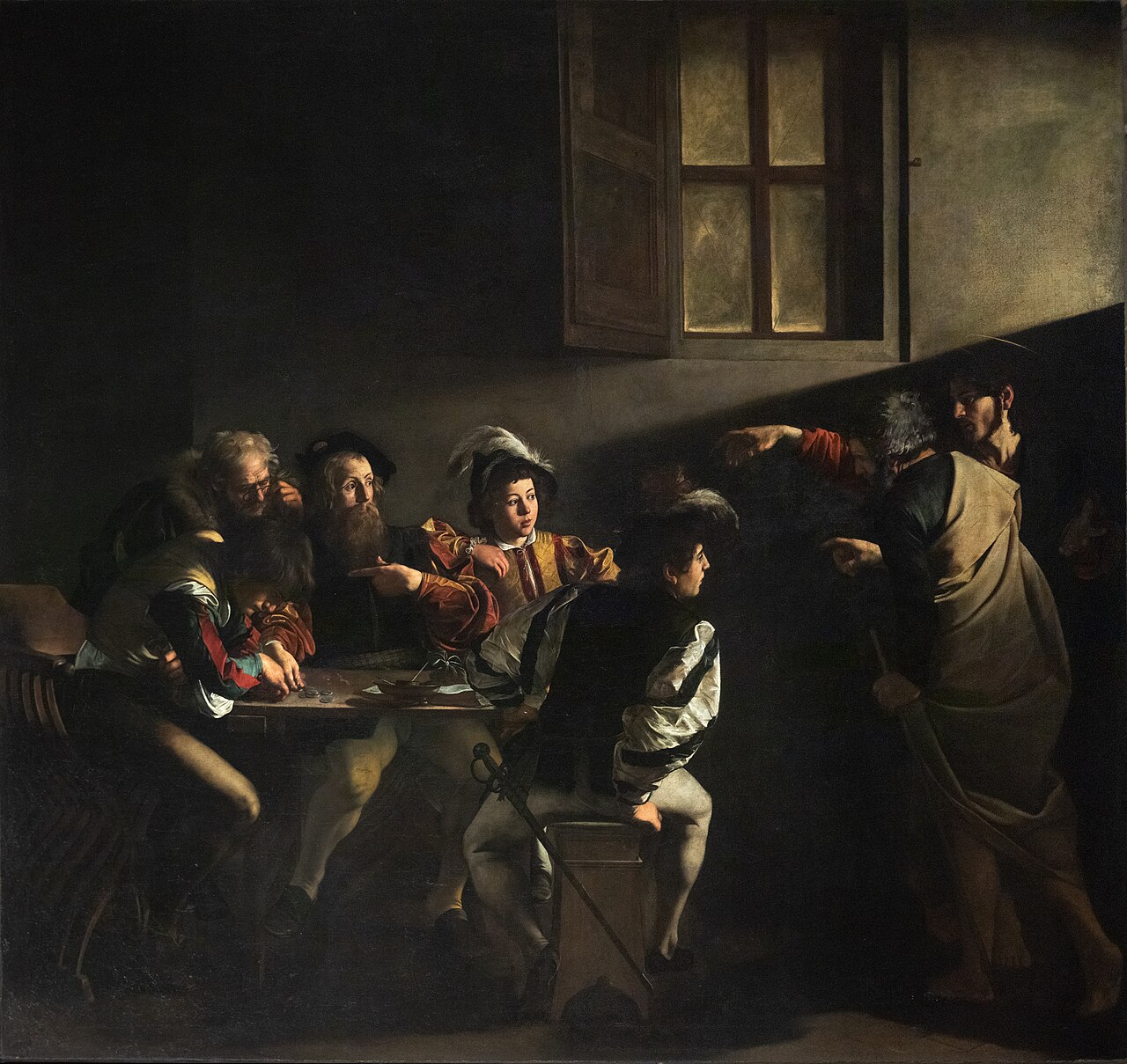 Painting
Secondary source
The Calling of Saint Matthew
Caravaggio · 1599–1600
 Artifact
Primary source
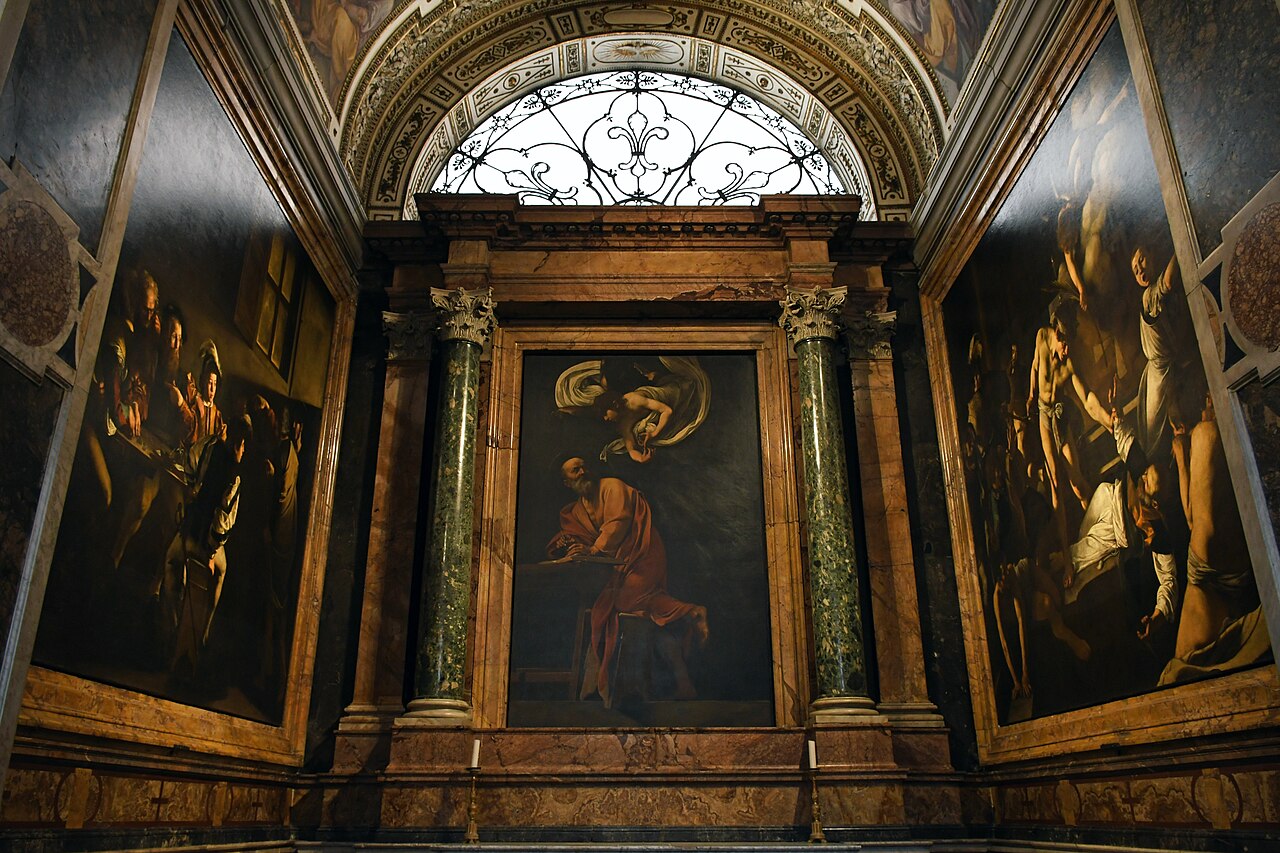
Contarelli Chapel
Caravaggio · 1600
 Painting
Secondary source
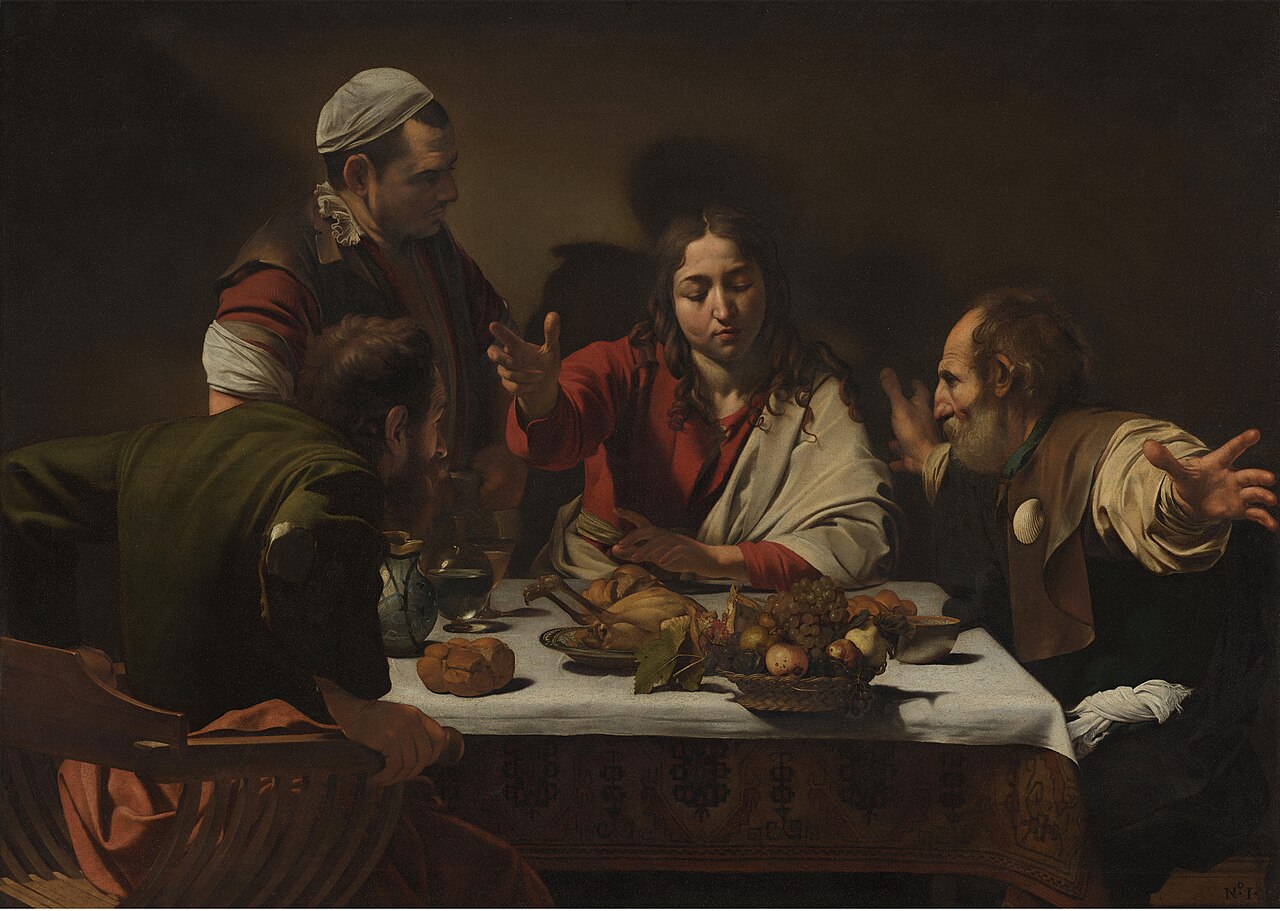
Supper at Emmaus
Caravaggio · 1601
 Painting
Secondary source
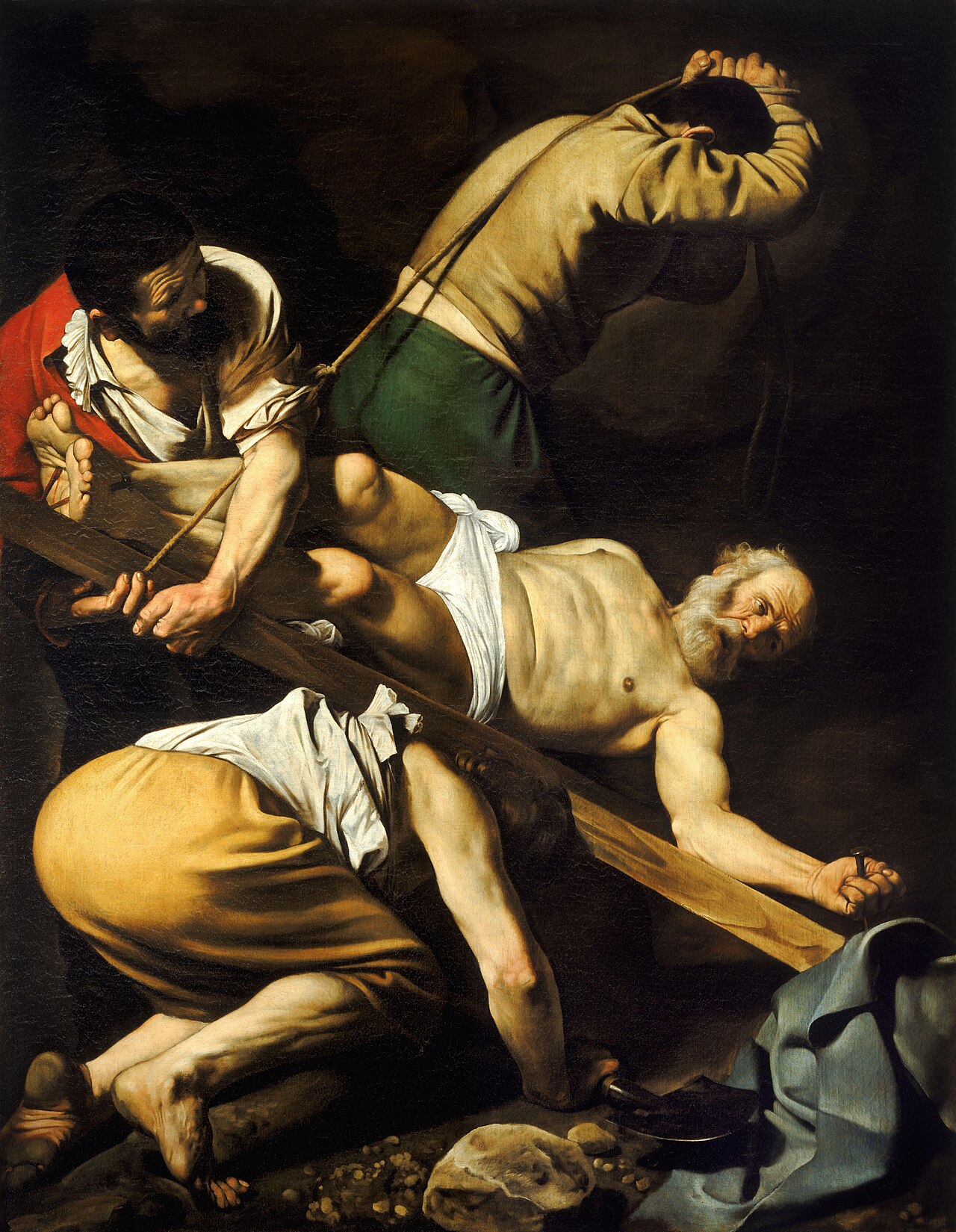
Crucifixion of Saint Peter
Caravaggio · 1600-1601
Free account
Read every Caravaggio source
Sign up free →
Ready when you are
Start chatting with Caravaggio now.
20 messages free · No credit card · Available in 50+ languages.