


Secondary sourcePaintingbetween 1899 and 1932
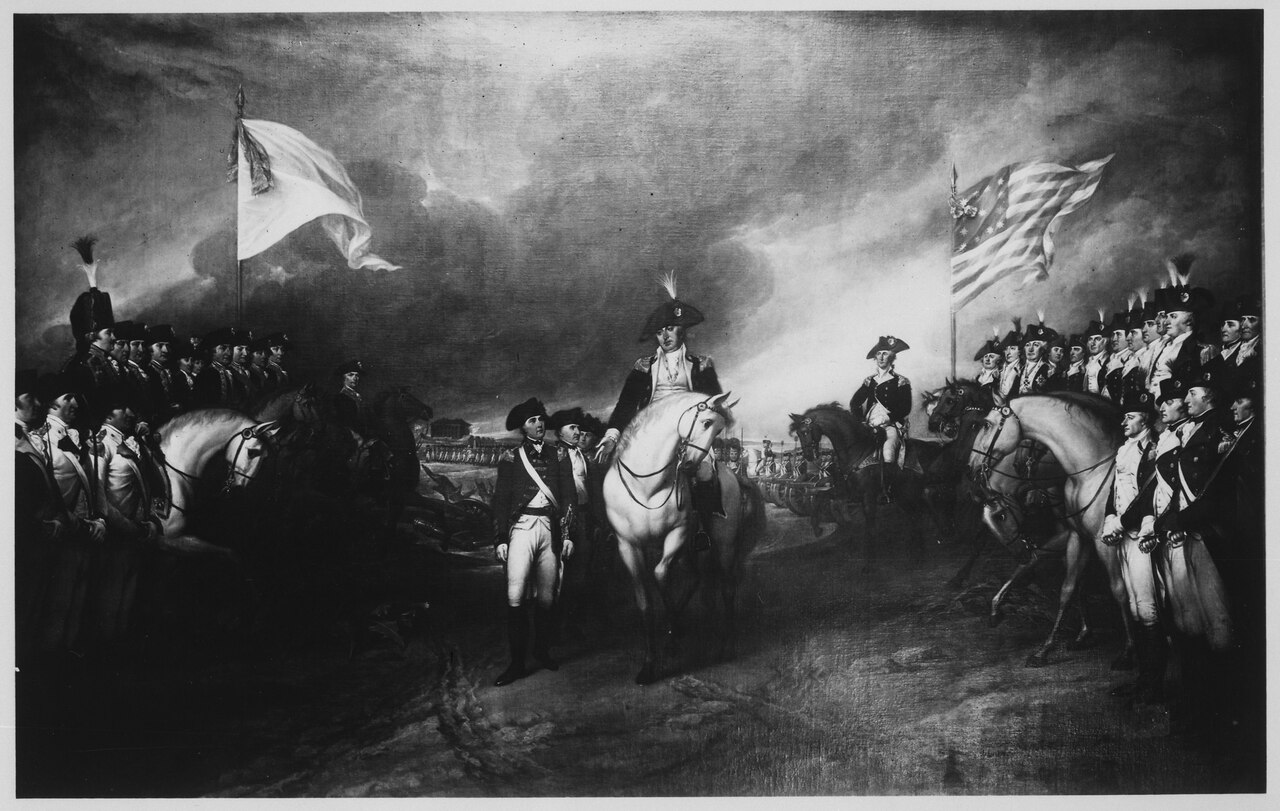
Surrender of Cornwallis
between 1899 and 1932
A later copy of John Trumbull's famous painting of the Yorktown surrender, the victory that James Armistead's spying as a double agent helped bring about.
A later copy of the famous Yorktown surrender scene, the victory Armistead's intelligence gathering helped achieve.
About this source
What it is
This is a copy, made sometime between 1899 and 1932, of John Trumbull's painting depicting the surrender of British forces at Yorktown in October 1781. The original artist and exact details of this particular copy are not fully recorded, but it reproduces Trumbull's well-known composition of the historic surrender scene.
Why it matters
Trumbull's painting became one of the most famous images of the American Revolution's ending. James Armistead's work gathering intelligence on British troop movements, carried out while posing as a servant inside enemy lines, contributed to the planning that led to this victory. Later copies like this one show how such scenes continued to be reproduced and remembered long after the event.
Look closer
- Why do you think this painting was copied so long after the original was made?
- What does the continued popularity of this image suggest about how Americans wanted to remember the Revolutionary War?
- What is missing from a painting like this about the intelligence work that helped make the surrender possible?
This painting is part of the curated material that grounds the AI version of James Armistead Lafayette on Humy.ai — when students ask about related events, the AI can quote it and cite it.
More James Armistead Lafayette sources
Meet the AI James Armistead Lafayette →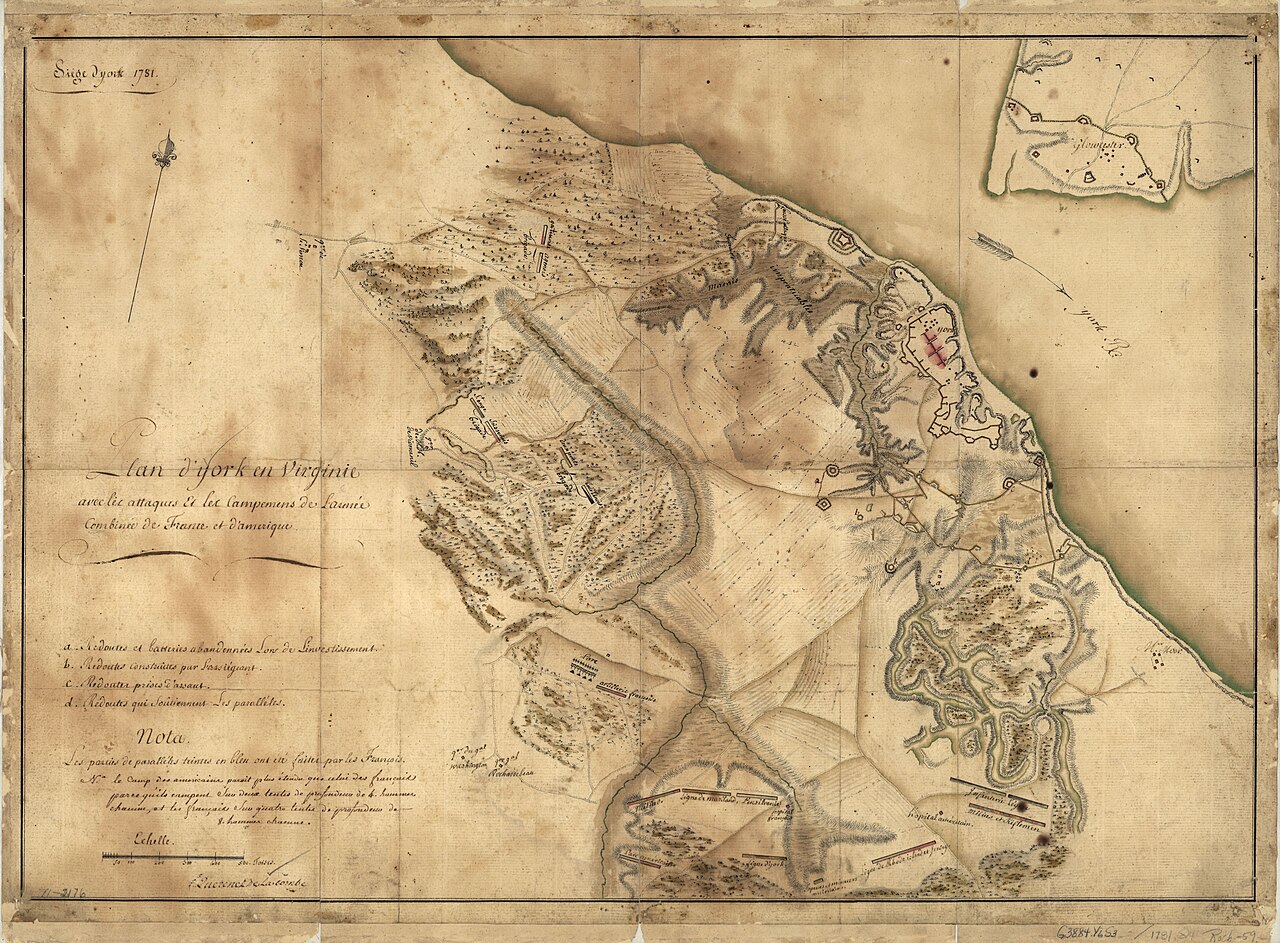 Document
Primary source
Siege of York, 1781: Plan of Franco-American Siege Works
Querenet De La Combe · 1781
 Document
Primary source
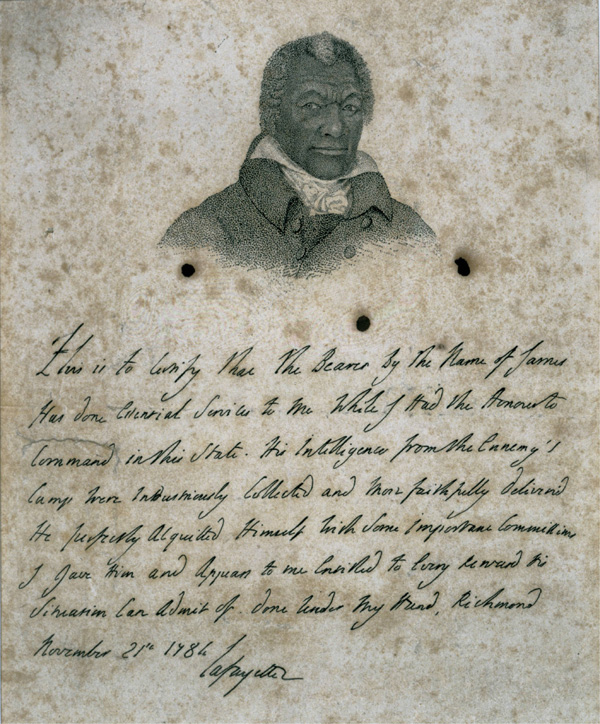
Certificate for James Armistead Lafayette
Marquis de Lafayette · 21 November 1784
 Document
Primary source
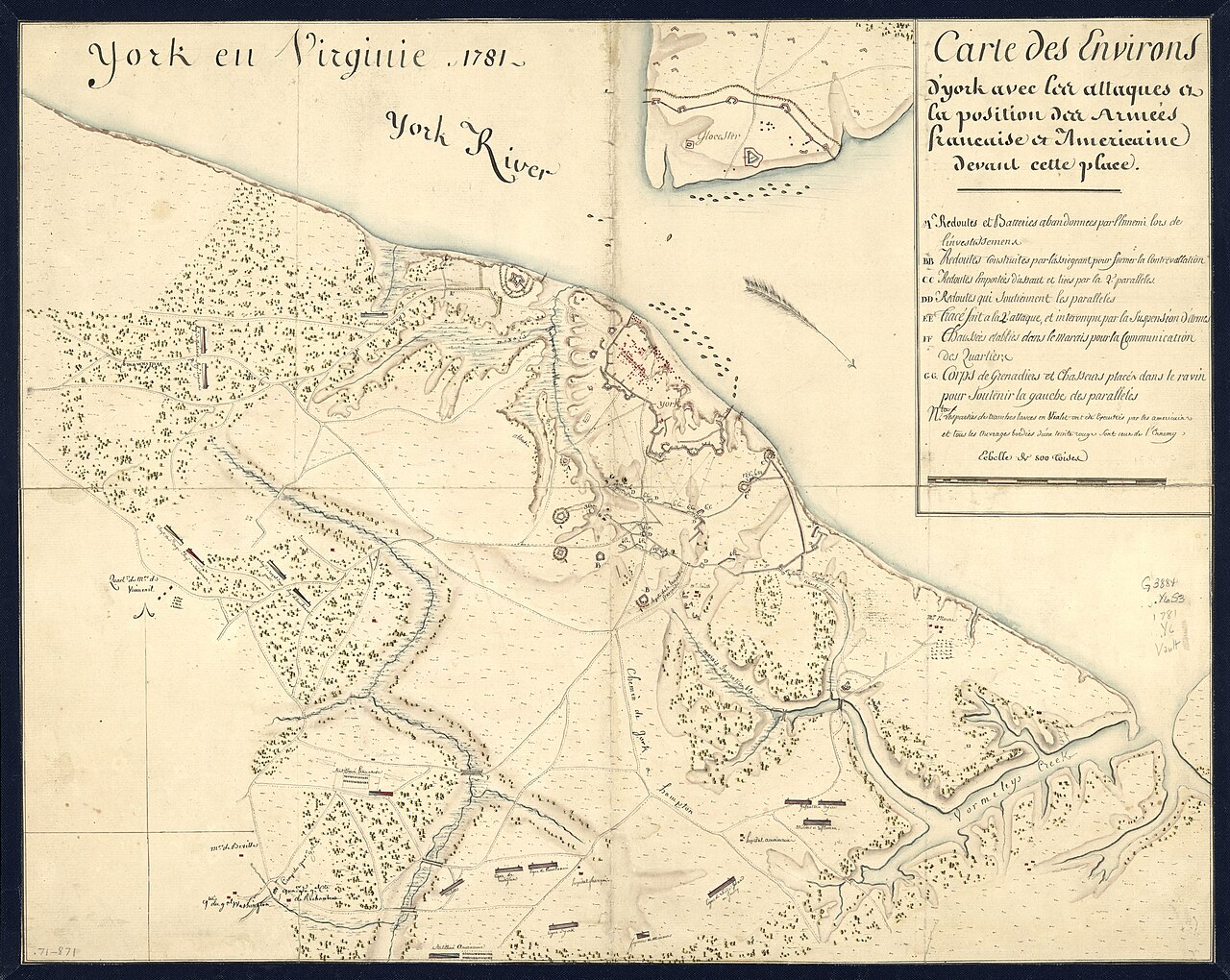
York en Virginie, 1781: Map of Franco-American Positions at York
1781
 Painting
Primary source
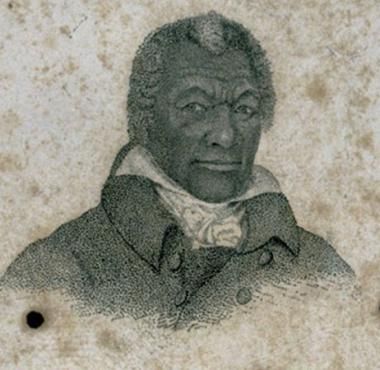
Portrait of James Armistead Lafayette
John B. Martin · c. 1824
 Document
Primary source
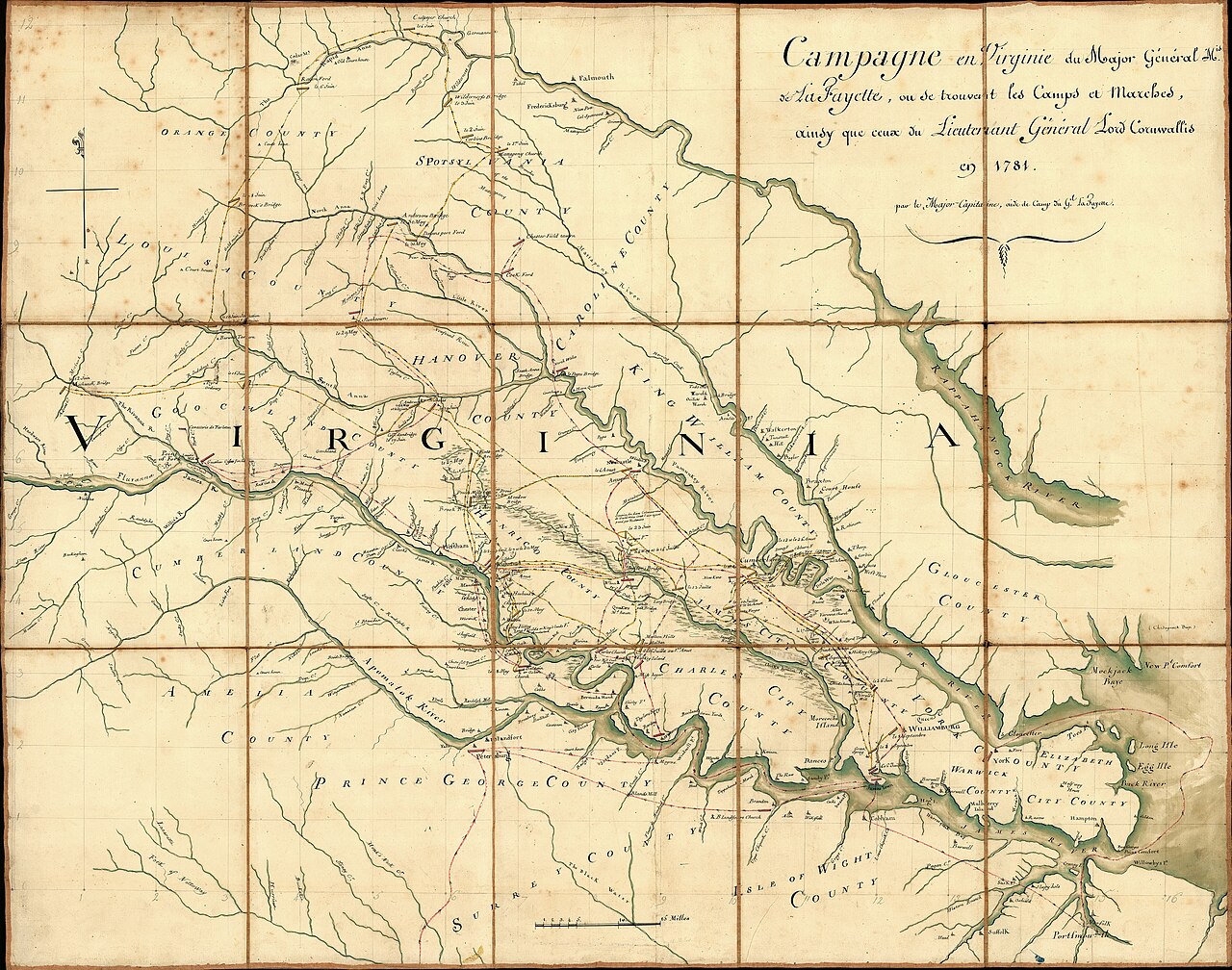
Campaign of the Marquis de Lafayette in Virginia, 1781
Michel Capitaine Du Chesnoy · 1781
Ready when you are
Start chatting with James Armistead Lafayette now.
20 messages free · No credit card · Available in 50+ languages.