


Primary sourceDocument
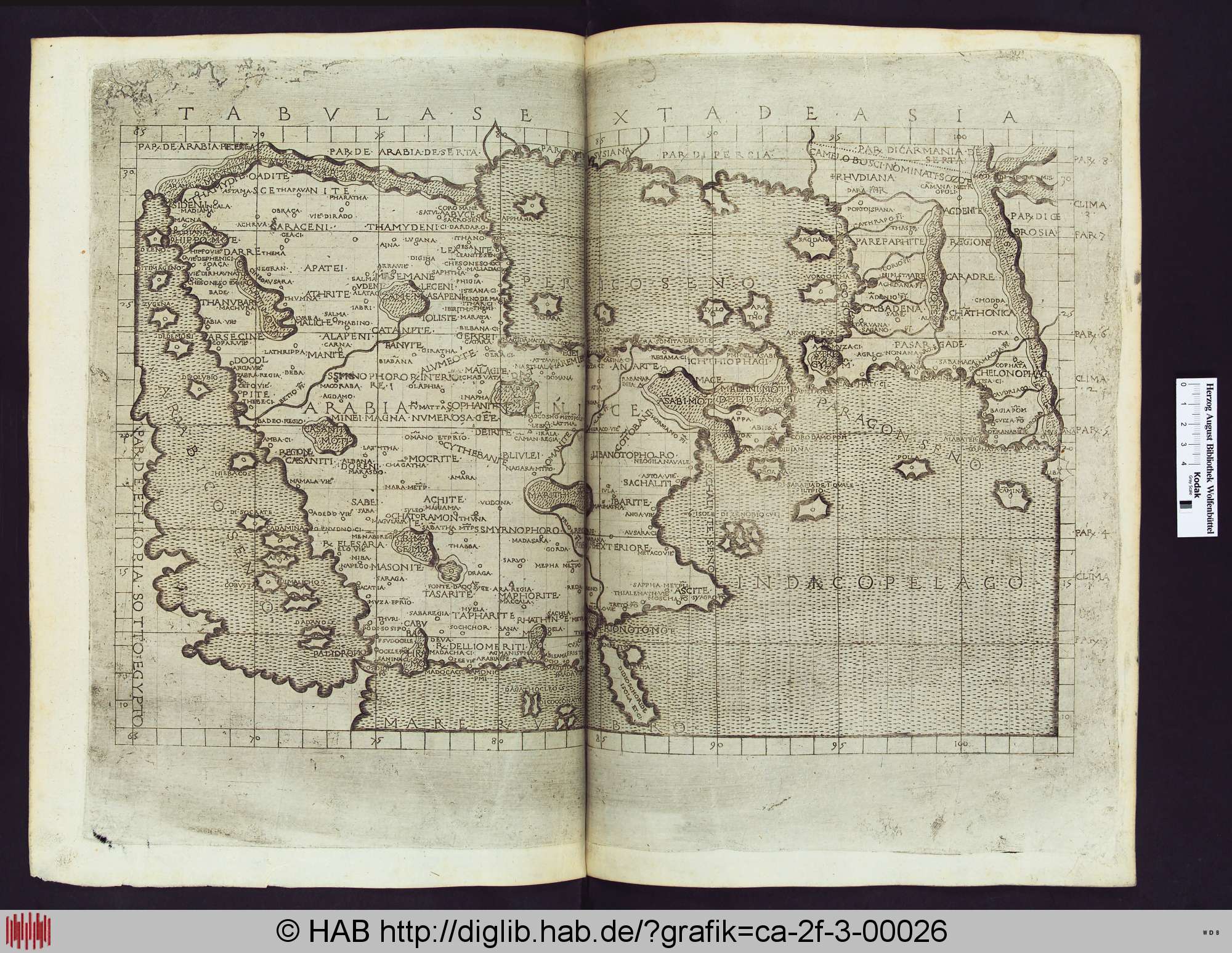
Tabula Sexta de Asia
Ptolemy
A hand-engraved antique map of Arabia, Persia and the Indian Ocean, from Ptolemy's atlas of Asia in a later edition of his Geography.
Ptolemy is the author of the Geography, and this plate of Arabia and Persia comes from the atlas of Asia in that work.
About this source
What it is
This is an open book showing a hand-engraved antique map from a later edition of Ptolemy's Geography, held by the Herzog August Library in Germany. The map is titled Tabula Sexta de Asia. Arabia appears on the left page, and Persia and the Indian Ocean on the right. Grid lines and latitude and longitude numbers run around the border, and the labels are in Latin. The plate was printed in a later edition rather than made by Ptolemy's own hand.
Why it matters
This map is part of Ptolemy's atlas of Asia, which described the lands between the Mediterranean and India using coordinates. It shows how geographers of the period linked Arabia, Persia and the Indian Ocean into one picture. Its survival in later editions shows how his work was valued and copied for centuries.
Look closer
- How does the map divide the region across the two pages, and what does that layout suggest?
- What do the latitude and longitude numbers around the border tell you about how the map was built?
- Which lands and seas are shown in detail, and which are left vague or empty?
This document is part of the curated material that grounds the AI version of Ptolemy on Humy.ai — when students ask about related events, the AI can quote it and cite it.
More Ptolemy sources
Browse all 90 →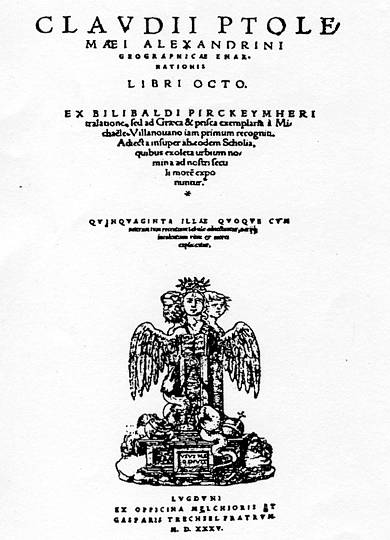 Book
Primary source
Geography
Ptolemy · c. 150 AD
 Artifact
Secondary source
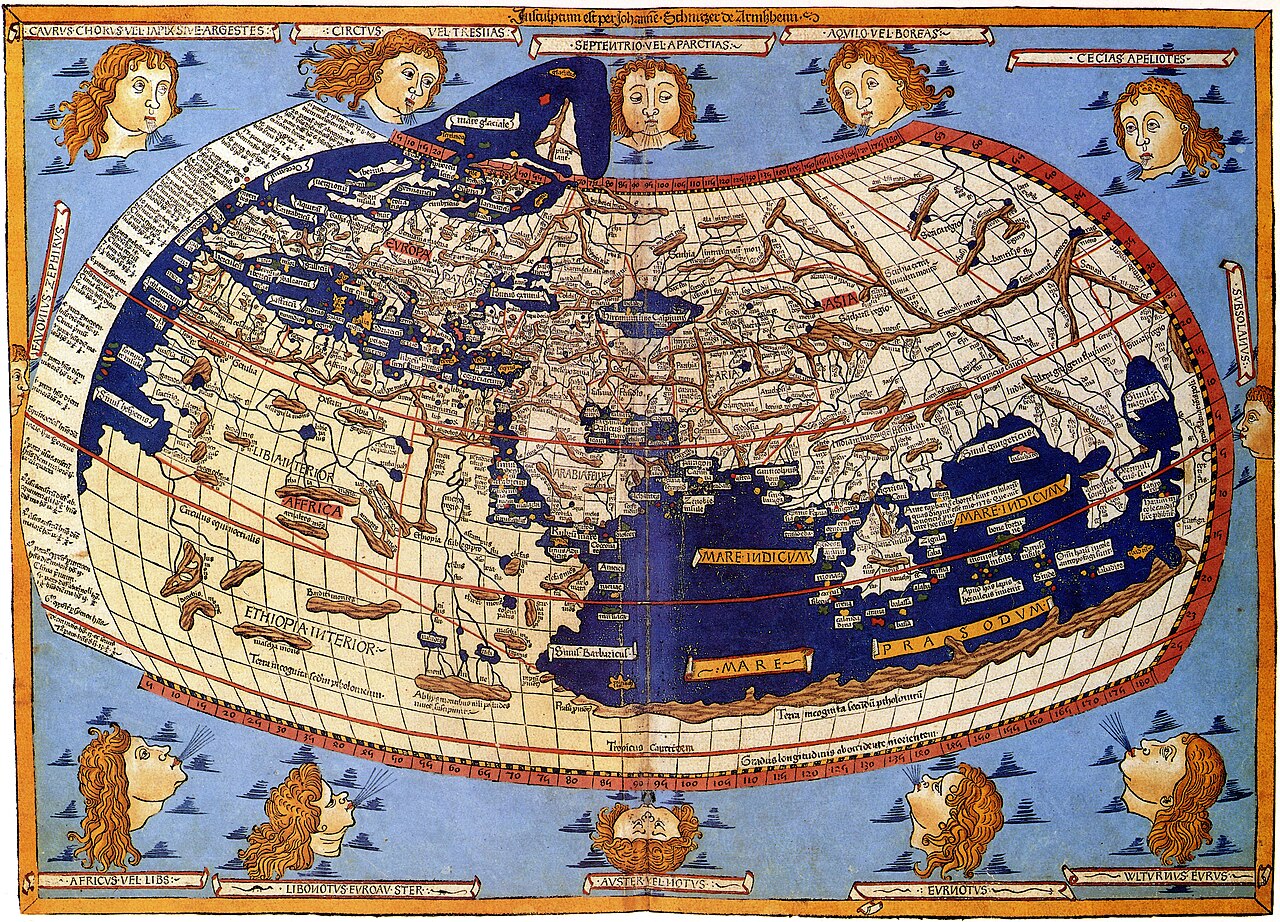
Ptolemy's World Map
Ptolemy · c. 150 AD (reconstructed after 1295)
 Book
Primary source
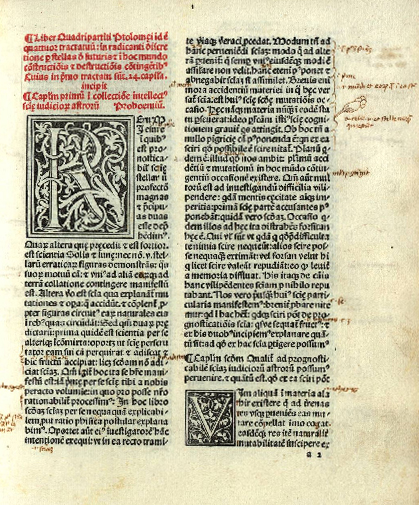
Tetrabiblos
Ptolemy · c. 2nd century AD
 Book
Primary source
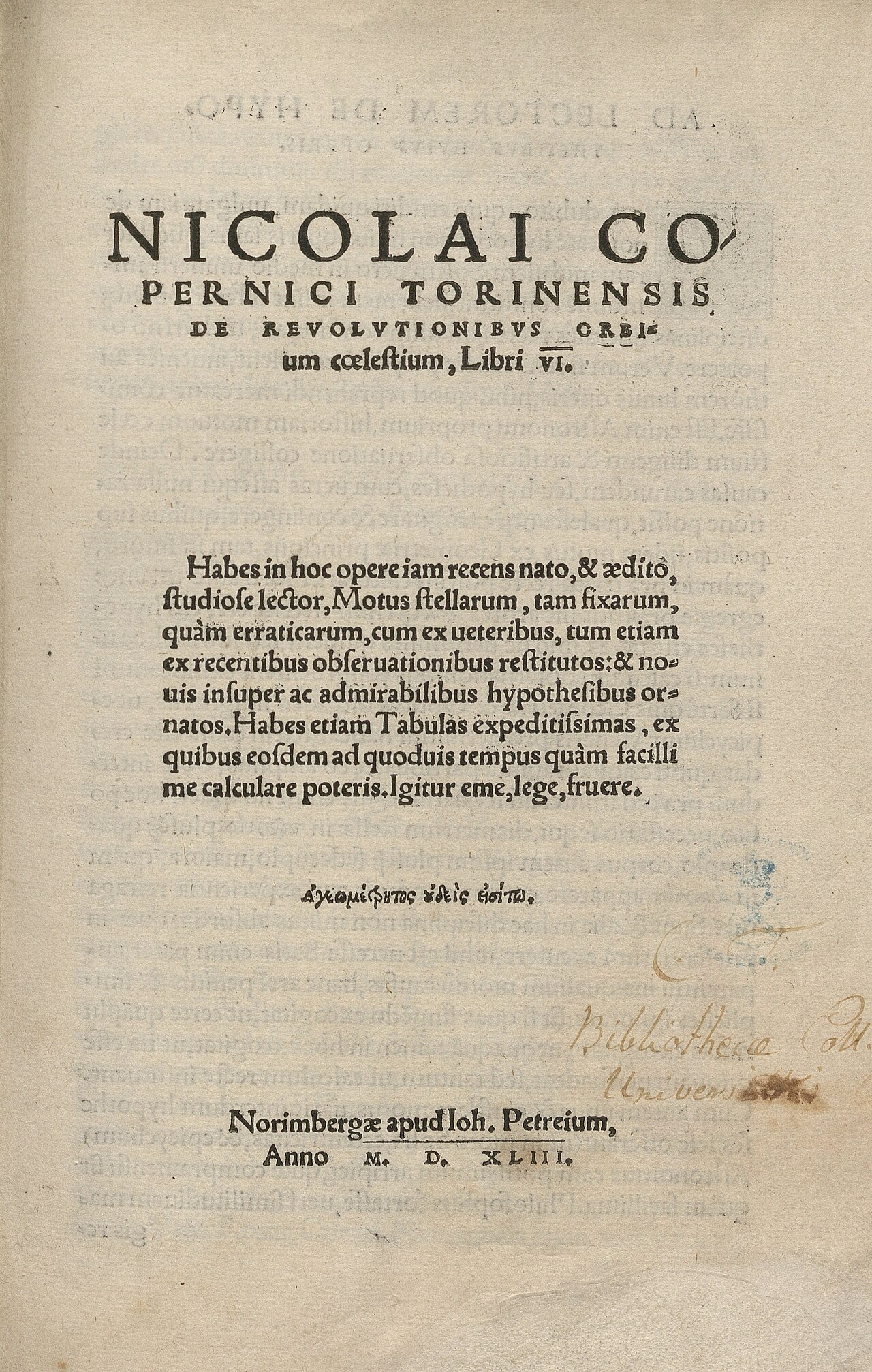
De revolutionibus orbium coelestium
Nicolaus Copernicus · 1543
Free account
Read every Ptolemy source
Sign up free →
Ready when you are
Start chatting with Ptolemy now.
20 messages free · No credit card · Available in 50+ languages.